NSW Highway Toll Reform from 2027: Truck Tolls Set at 3.15 Times Light Vehicles
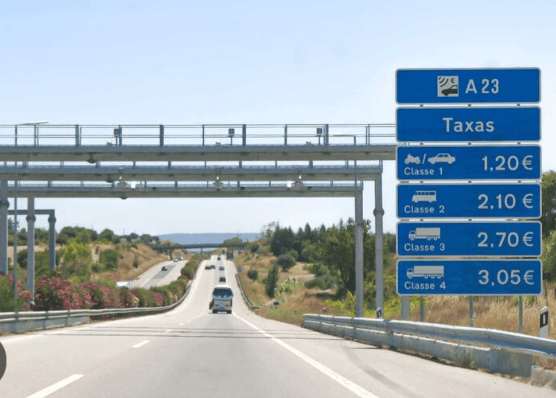
en.Wedoany.com Reported - The New South Wales government has unveiled a highway toll reform plan, under which most of Sydney's motorway network will apply a unified toll multiplier for heavy vehicles, with truck tolls gradually adjusted to 3.15 times those for light vehicles.
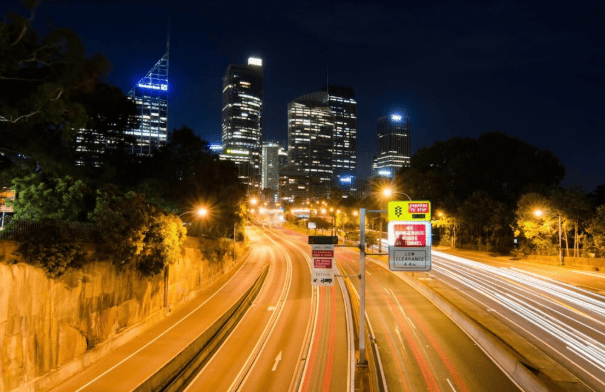
This coordinated pricing structure takes effect from July 1, 2027, covering the entire toll network except for the Lane Cove Tunnel. The state government also plans to introduce two two-year toll relief pilot programs for heavy vehicles, following consultation with the freight industry.
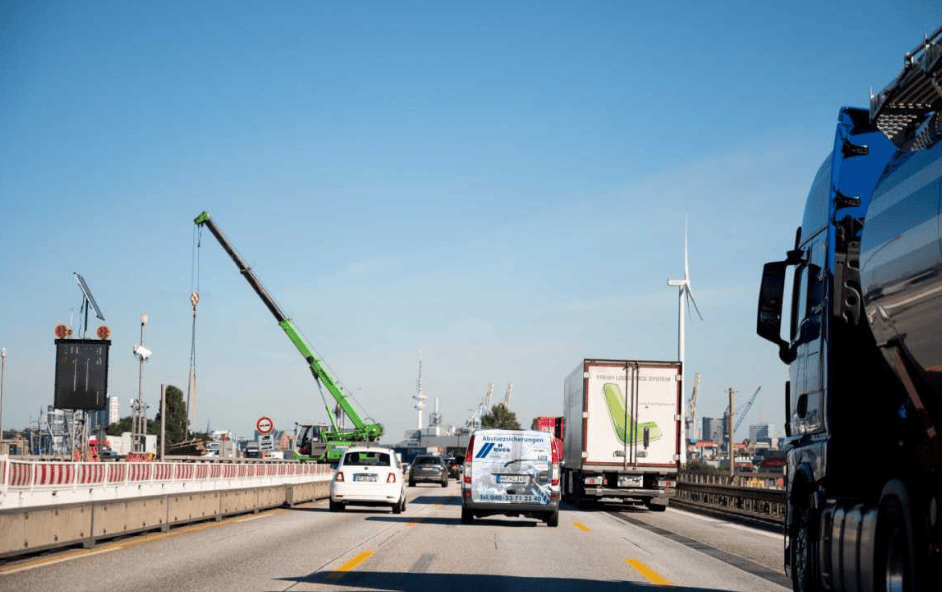
Sydney's existing toll roads currently operate under different contracts, pricing structures, and rules, and this fragmented tolling system imposes high route-selection costs on frequent freight operations. The reform aims to encourage trucks to shift from local roads to motorways through a unified toll multiplier, thereby improving freight efficiency and road safety. These changes will form part of a broader set of enforcement and support policies intended to increase heavy vehicle usage of motorways. Direct agreements with private motorway owners already include several phased toll relief arrangements.
Regarding specific section adjustments, the Lane Cove Tunnel toll will drop by 10% from July 1, 2027; longer trips on the M2 (accounting for approximately 80% of journeys on that road) will receive a 10% reduction from the same date; and the distance-based toll cap on the M7 may be reduced by 10% from January 1, 2028, subject to a final decision to widen that section. Once the Western Harbour Tunnel opens in 2028, the Cross City Tunnel toll will fall by 20%. The Eastern Distributor will then switch to two-way tolling, no longer charging the full toll only for northbound traffic, with a single one-way toll set at 53% of the current northbound price.
The above reductions are primarily announced for regular motorway users, and the specific impact on heavy vehicle tolls will depend on how the new multiplier is applied on each motorway. Under current arrangements, tolls may increase, decrease, or remain broadly unchanged. Toll costs influence route selection, particularly in high-frequency freight tasks where charges accumulate over multiple daily trips. A consistent multiplier may make it easier for operators to predict motorway costs, but its impact on route choice will depend on the final relief schemes and the toll per trip. Effective relief can improve the commercial case for using motorways over parallel local roads, reducing interactions between heavy vehicles and pedestrians and local traffic, while offering operators more predictable travel times. The government has not yet released modelling showing how many truck trips may shift to the motorway network. Eligibility requirements, discount levels, and applicable roads for the two heavy vehicle relief pilots have not yet been announced. A separate program addressing truck tolls along the Stoney Creek Road corridor will be released in the coming months.
The agreements also create conditions for widening the remaining two-lane sections of the M7 and M2 between Richmond Road and Windsor Road, a project still subject to final business case and government investment decisions. Existing private concessions will not be extended beyond 2051, and the government states that no additional tolls will be needed to fund the widening. Private motorway owners will contribute AUD 75 million over five years toward a permanent weekly toll cap, currently set at AUD 50 per week.
Previously introduced supporting reforms include scrapping toll notice administration fees, establishing a digital notification system, appointing the NSW Tollway Ombudsman, and creating the NSW Motorways agency. The WestConnex sections have been incorporated into the broader network reform but are not included in the announced toll reductions due to a failure to reach agreement among the parties.
Camilla Drover, interim CEO of NSW Motorways, said the plan aims to balance user costs with the long-term operation of the network.
"This reform strikes an important balance, delivering better deals for motorists while ensuring value for taxpayers' money and helping to optimize the long-term performance of Sydney's motorway network," Drover said.





![IVECO Cash-in-Transit [DMT5048XYCL3-AM] - Chongqing Dima Industry Co., Ltd](https://img.wedoany.com/2026/0911/20260911030157582.png)