Brazilian Federal Government to Launch National Policy for Drones and eVTOLs
en.Wedoany.com Reported - The Brazilian federal government is preparing to unveil its national Advanced Air Mobility (AAM) policy at the next International Civil Aviation Organization (Icao) event, providing guidelines for the use of drones and electric vertical take-off and landing aircraft (eVTOLs). The announcement was made by Ports and Airports Minister Tomé Franca on Tuesday (4th) during the opening of the Latin American Business Aviation Conference & Exhibition (Labace).
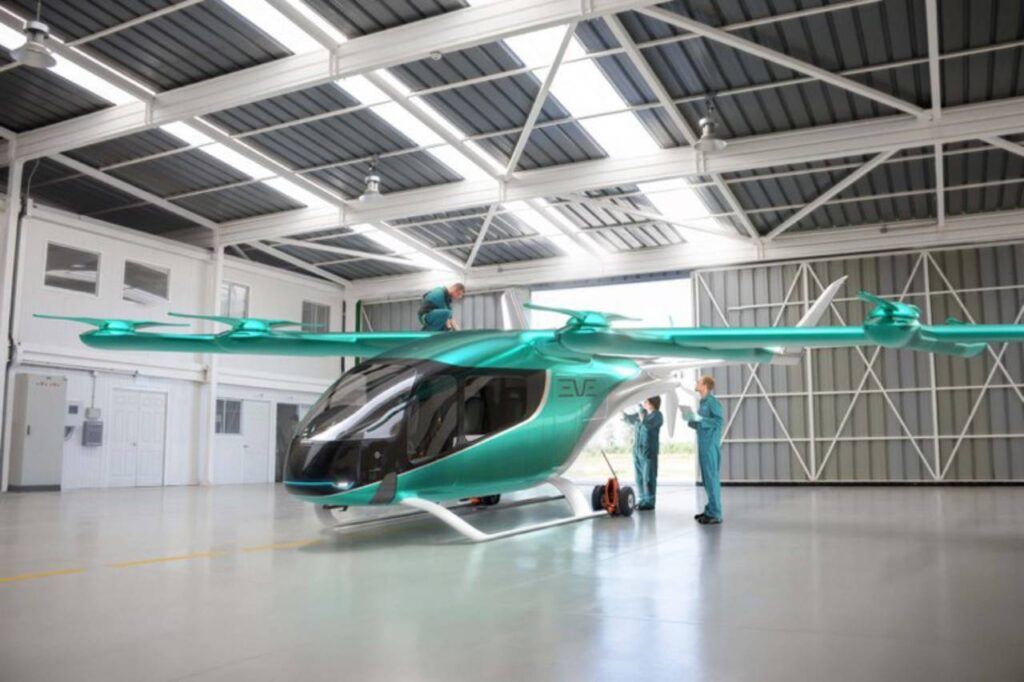
Franca stated that the ministry is actively engaged in this agenda, offering recommendations and structural support for the development of the national policy, with the goal of translating it into concrete growth for Brazil's aviation industry. He also argued that the future of Brazilian aviation must balance regulatory safety with investment opportunities, viewing civil aviation as a vehicle for expanding connectivity, driving regional development, and creating jobs.
In June of this year, Brazil's National Civil Aviation Agency (ANAC) approved new rules for the use of drones (unmanned aircraft). The new regulations shift the classification of equipment from the previous weight-based criteria to one based on the risk and complexity of the operation or mission, while also aligning the sector's terminology with international standards.
At the same event, ANAC Director Tiago Faierstein announced that IFR (Instrument Flight Rules) technology will become operational on September 15th at Campo de Marte Airport in São Paulo. This technology allows aircraft to conduct approaches under low-visibility conditions. In March of this year, Agência iNFRA reported that the government was studying a two-phase plan to resolve operational conflicts arising from insufficient airspace in São Paulo—where the Campo de Marte and Congonhas airports, despite using different terminals, require aircraft to share the same already congested airspace.
Franca emphasized that installing IFR technology is a priority for the ministry. He noted that the installation is already stipulated in the terminal's concession contract, stating that "in Brazil, contracts are not torn up," while also pointing out the need to "seek a comprehensive solution to meet the growing demands of São Paulo."
Related Products


Industrial and Commercial Point-Type Gas Detector
Jinan Benan Technology Development Co., Ltd.
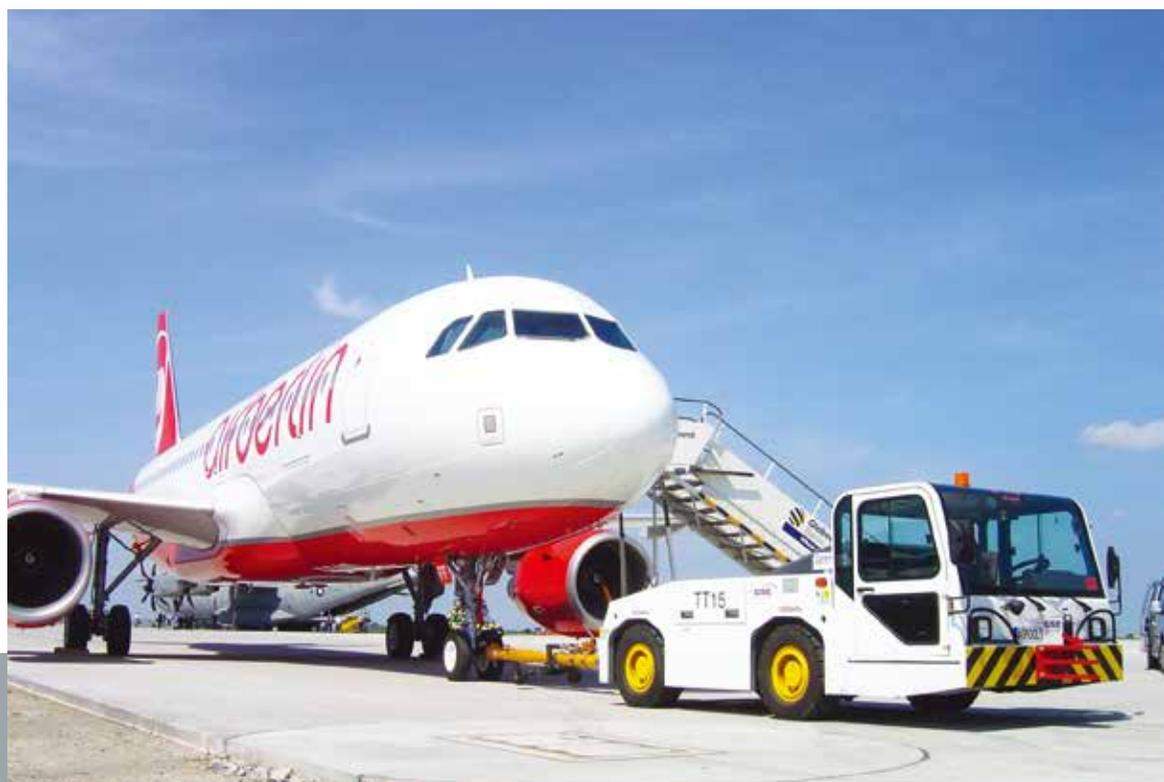
WGQY Series Aircraft Tow Tractor-WGQY15, WGQY27
Weihai Guangtai Airport Equipment Co., Ltd.
China - Alashankou/Khorgos - Europe Full Range Transportation (Mala/Hamburg/Duisburg/Budapest, etc.)
Shenzhen Neptune Logistics Co., Ltd.


CLW5180TXSD6 Dongfeng Tianjin Washing and Sweeping Truck
ChengLi Special Automobile Co., Ltd.

ZY(J)7(M) Sealed Type Electro-Hydraulic Turnout Machine
TAIYUAN CR JINGFENG EQUIPMENT TECHNOLOGY CO., LTD.

One-Stop Steward Service for the Entire Logistics System Integration Chain
Zhongding Intelligent (Wuxi) Technology Co., Ltd.