Australia's Utility-Scale Solar Investment Reaches AUD 3 Billion in H1 2026
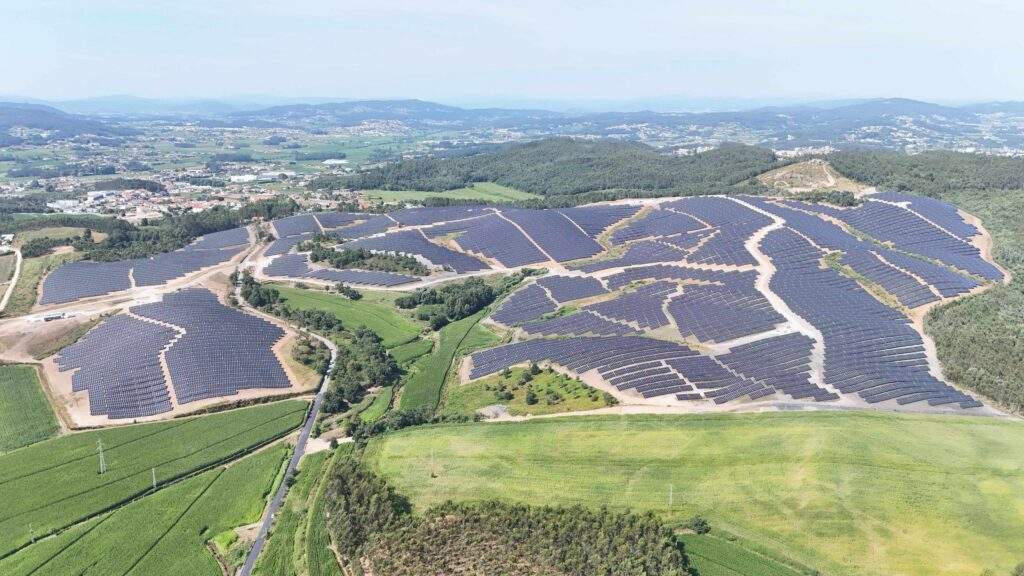
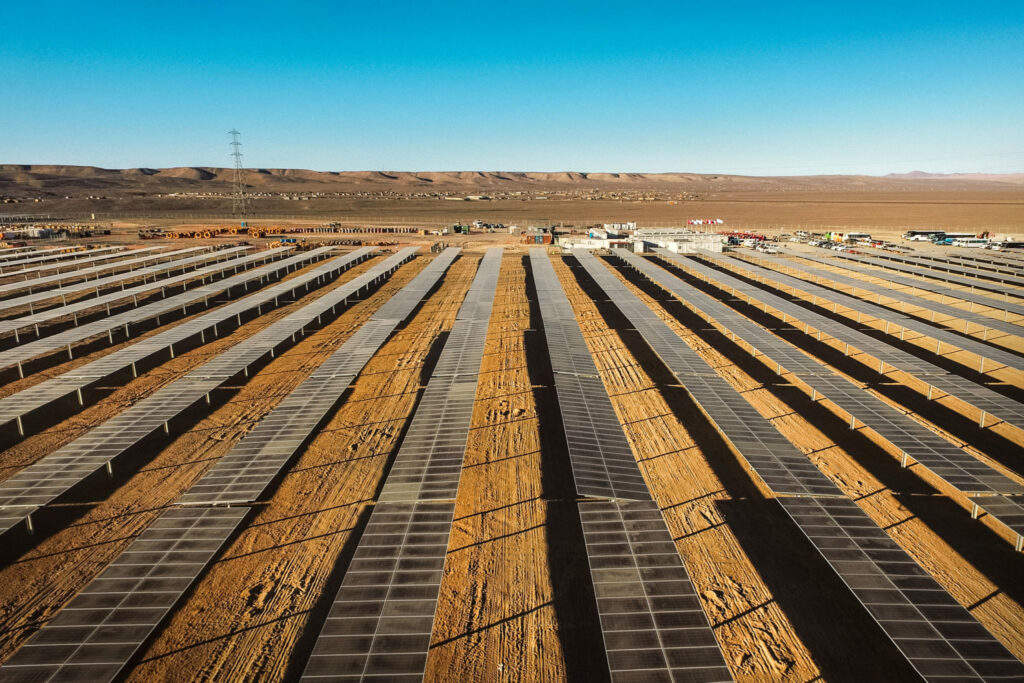
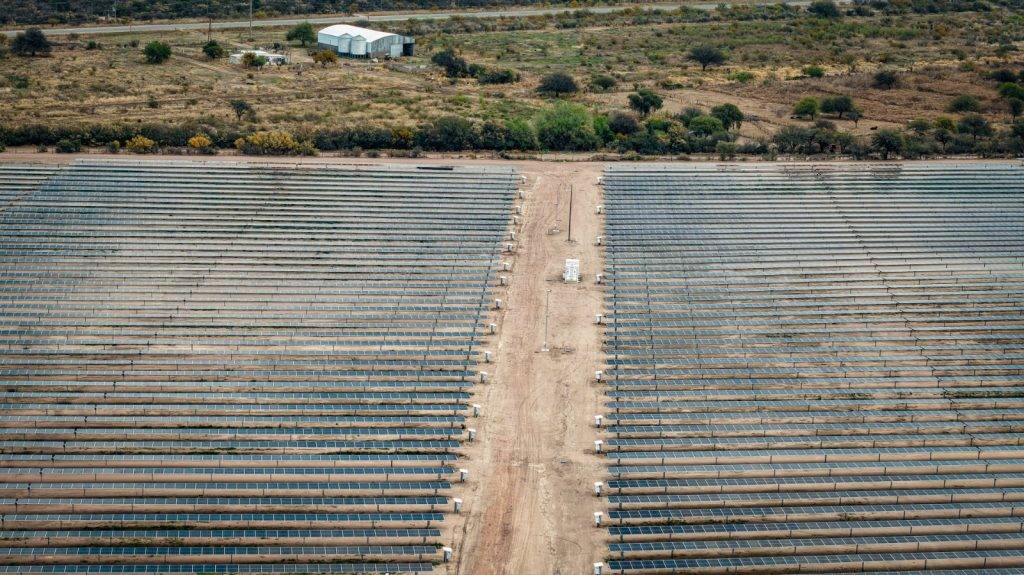
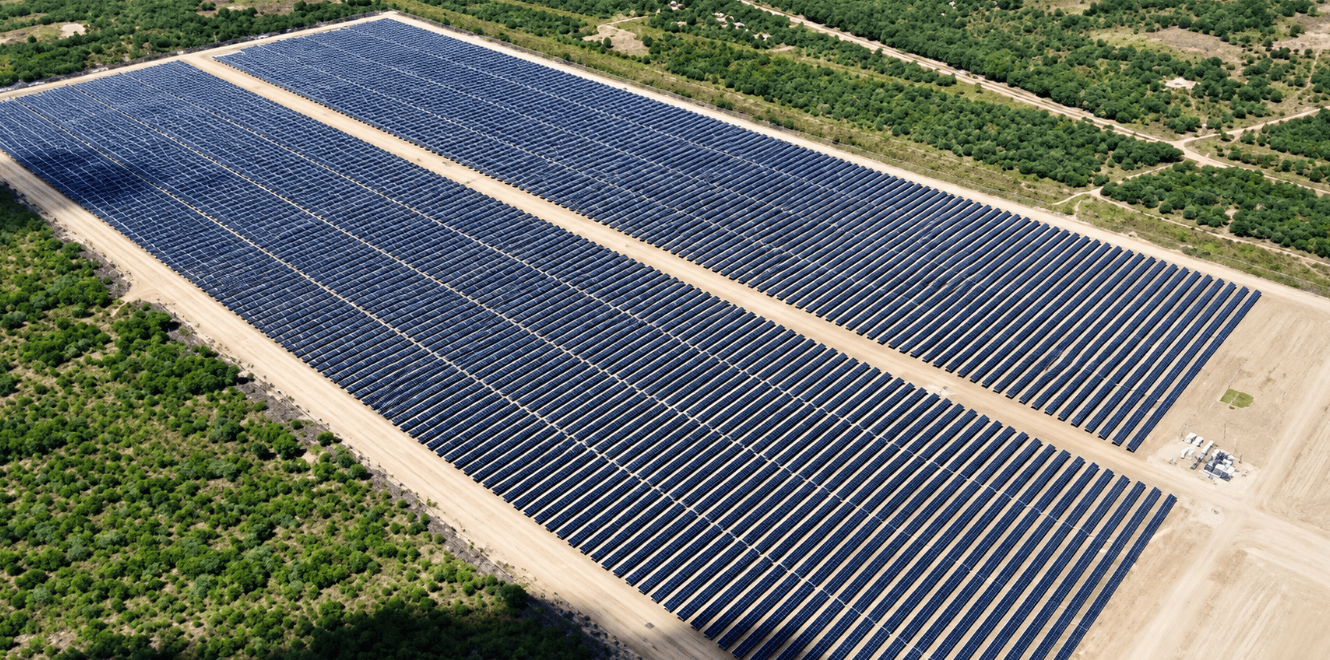
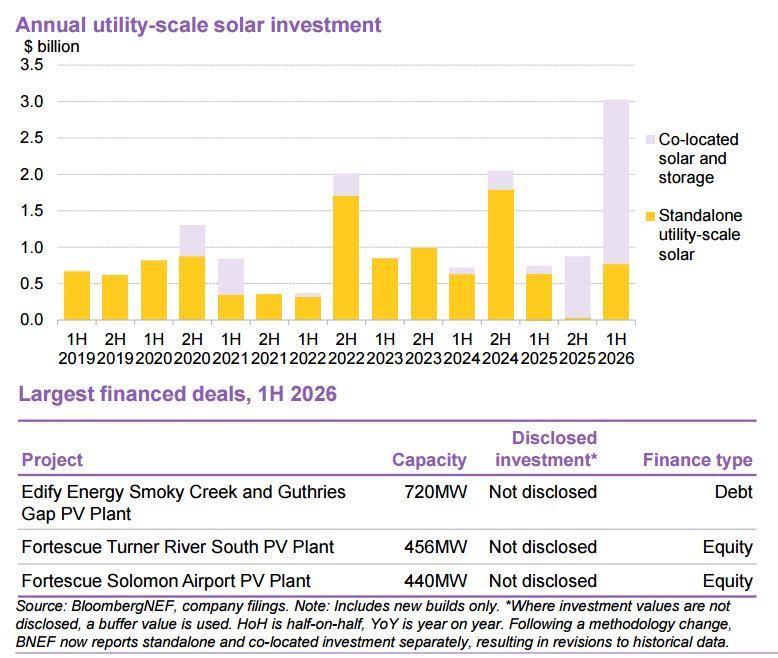
en.Wedoany.com Reported - BloombergNEF's (BNEF) latest semi-annual analysis shows that Australia's utility-scale solar investment reached AUD 3 billion (USD 2.1 billion) in the first half of 2026, an increase of AUD 876 million compared to the second half of 2025. The 720 MW Smoky Creek and Guthrie's Gap (SCGG) solar plant, developed by Sydney-based clean energy developer Edify Energy, was the largest single project driving investment. The plant is located 75 kilometers south of Rockhampton in central Queensland.
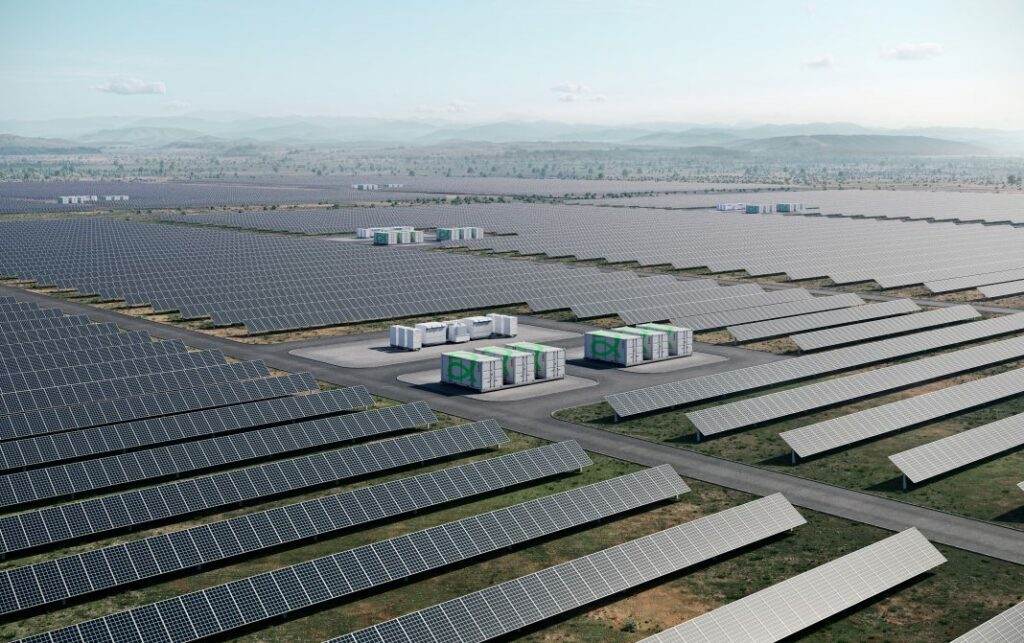
The SCGG solar plant set a record for solar plant financing in Australia, featuring a co-located 600 MW, 4-hour battery energy storage system (BESS). The project secured debt financing from a consortium of 14 lenders, signed a power purchase agreement (PPA) with Rio Tinto covering 90% of its generation output, and received government support through a Capacity Investment Scheme (CIS) agreement.
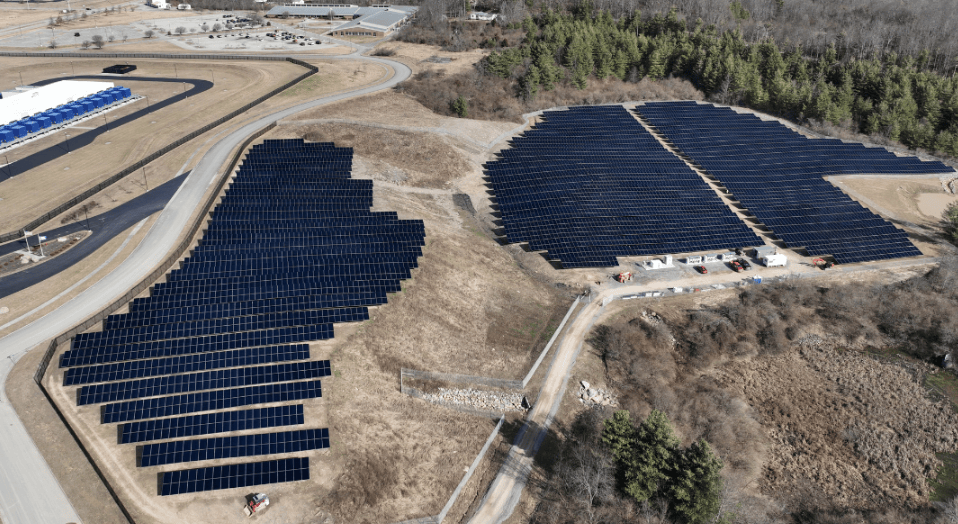
Co-located utility-scale solar plants accounted for 75% of total investment, including the 456 MW Fortescue Turner River South solar plant and the 440 MW Fortescue Solomon Airport solar plant. Standalone projects accounted for five of the eight solar projects that reached financial close during the half-year period, all located in Western Australia (WA), representing approximately 25% of total investment.
BNEF's Australia Energy Transition Outlook H2 2026 forecasts an additional 9 GW of utility-scale solar capacity to come online by 2030, a figure 17% higher than the forecast made six months earlier. The outlook also notes a 32% increase in the cumulative outlook for 2035, with 35 GW expected to be operational by then, reaching 42 GW by 2035 under this scenario.
The report also notes that lengthy permitting and grid connection processes, combined with social license challenges, continue to cause project delays and cost overruns. BNEF expects that if these key areas do not improve, actual installations will only reach 31 GW by 2035. Under the current trajectory, Australia's target of achieving 82% renewable energy by 2030 will not be met, although three states will bear the brunt of most solar installation capacity by 2035. New South Wales (NSW), despite facing the nation's most severe permitting and social license challenges, is expected to have the largest operational solar fleet by 2035, reaching 14 GW, benefiting from coal plant retirements, policy support for clean energy and storage, and growth in data center development. Victoria's data center capacity growth is also higher than BNEF expected, and with wind power expected to slow, the state's operational solar capacity is projected to reach 7 GW by 2035, up from the current 2 GW.
On the distributed solar front, the BNEF outlook shows approximately 1.6 GW of residential rooftop solar installed in the first half of 2026, up 7% from the previous six months, bringing cumulative capacity to over 30 GW. BNEF expects residential rooftop solar to grow 8% in 2026, with 3.2 GW of new national installations, and projects total installed capacity to reach 51 GW by 2035. Current cumulative residential rooftop solar capacity stands at 24.5 GW, commercial rooftop solar at 5.5 GW, and industrial rooftop solar at 0.9 GW. Commercial installations in the first half of 2026 reached a record 0.6 GW, the highest for any half-year period to date, with an additional 9% growth expected over the next decade.
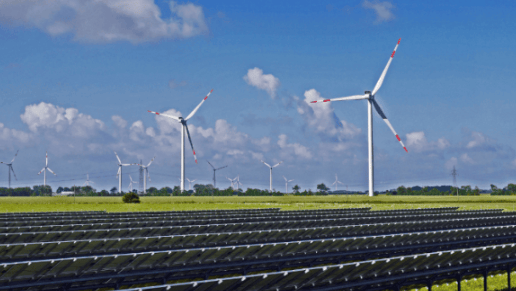
Overall, the BNEF outlook shows that investment in solar, wind, and hydro in the first half of 2026 increased by 341% compared to the same period last year, with 35 GW of utility-scale solar capacity expected to be operational by 2035, up from the current 17 GW.
Related Products


Hydrogen production and hydrogenation charging refueling gas integrated energy station
Shenzhen Kohodo Hydrogen Energy Co., Ltd.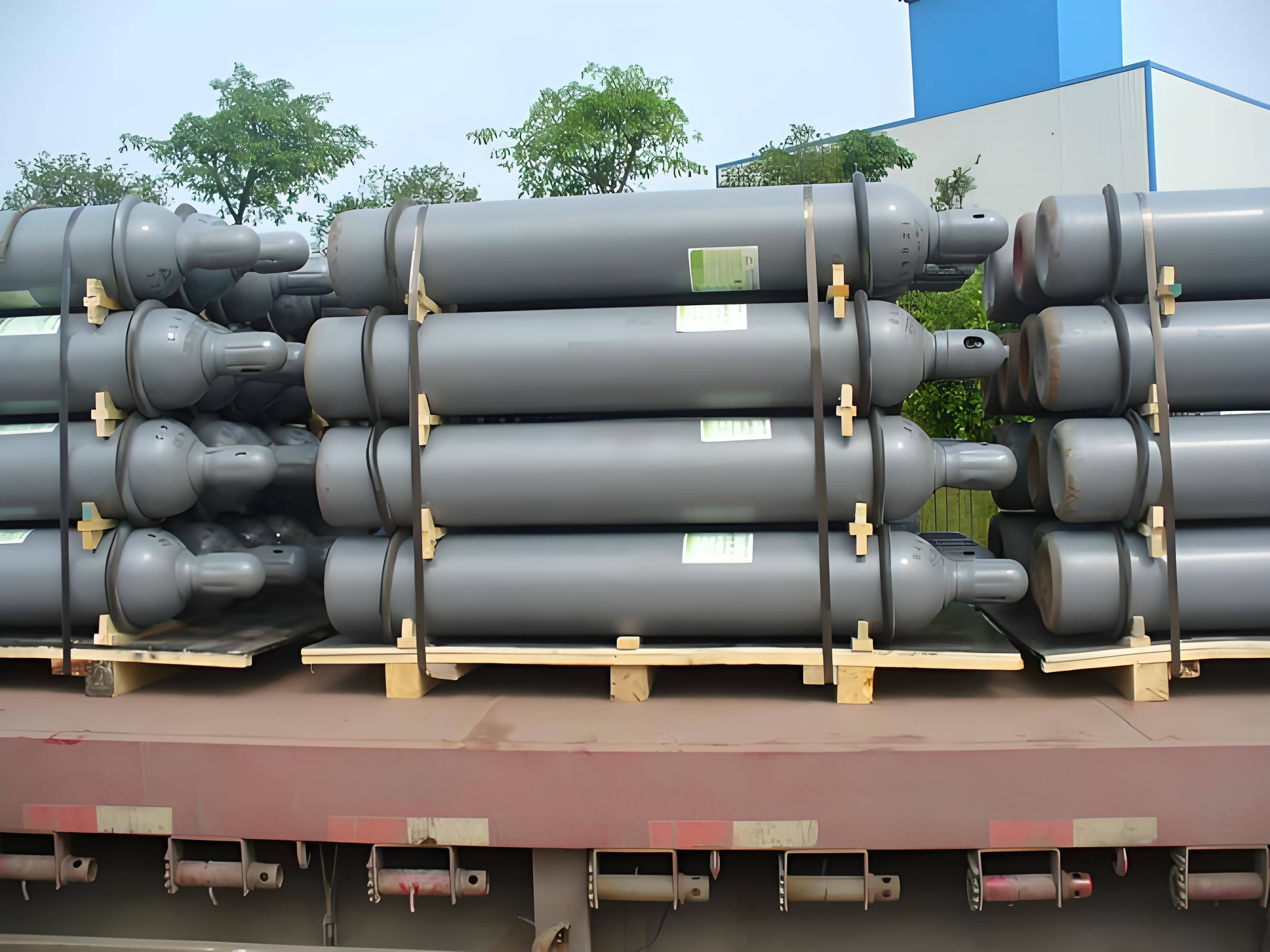
Global Sulfur Hexafluoride Gas Supply and Cylinder Export
Foshan Yuexin Industrial Gas Co., Ltd.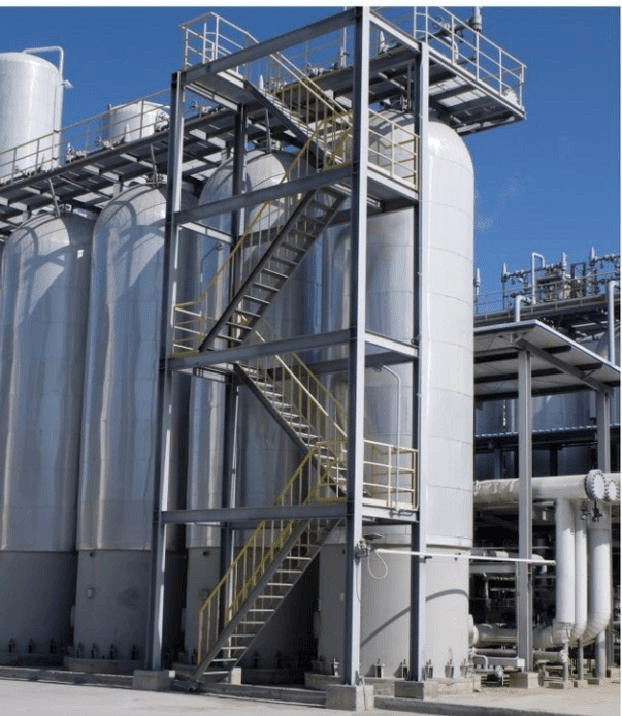
Hydrogen Production Technology: Hydrogen Purification by Pressure Swing Adsorption
Chengdu Yizhi Technology Co., Ltd.