India's Non-Fossil Power Capacity Surpasses 300 GW
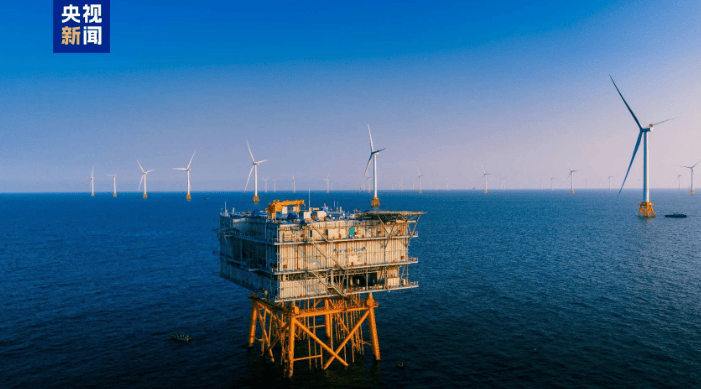
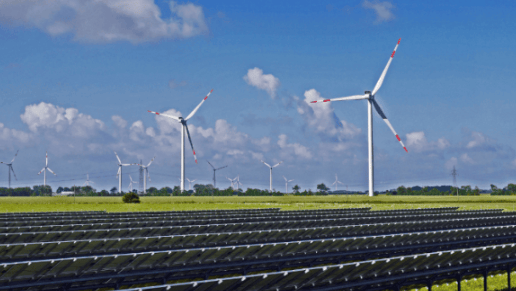
en.Wedoany.com Reported - On August 9, the Ministry of New and Renewable Energy announced that as of July 31, India's non-fossil fuel power generation capacity had reached 300.50 GW, accounting for over 54% of the country's total installed capacity of approximately 552 GW, equivalent to more than 60% of the 2030 target of 500 GW of non-fossil fuel capacity.
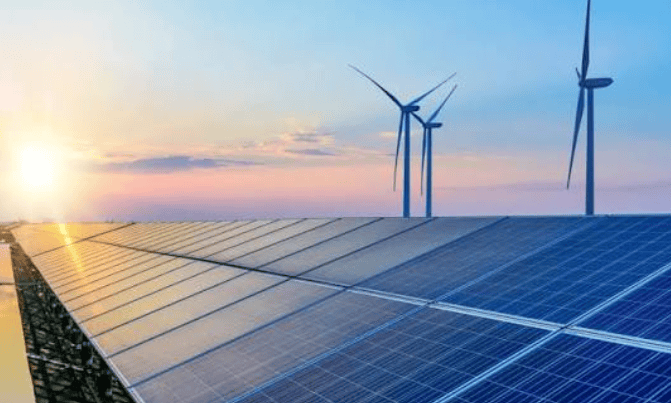
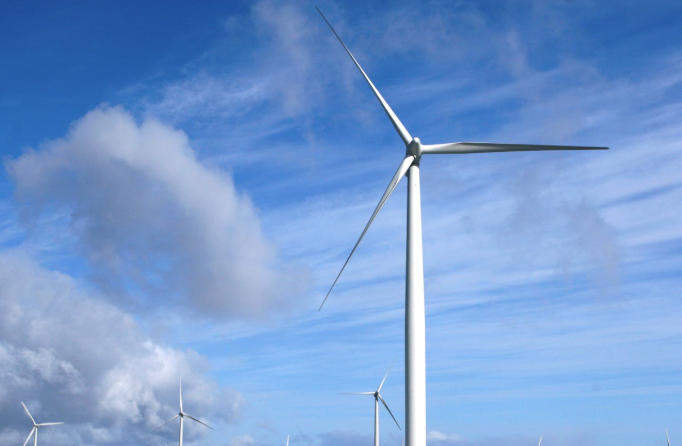
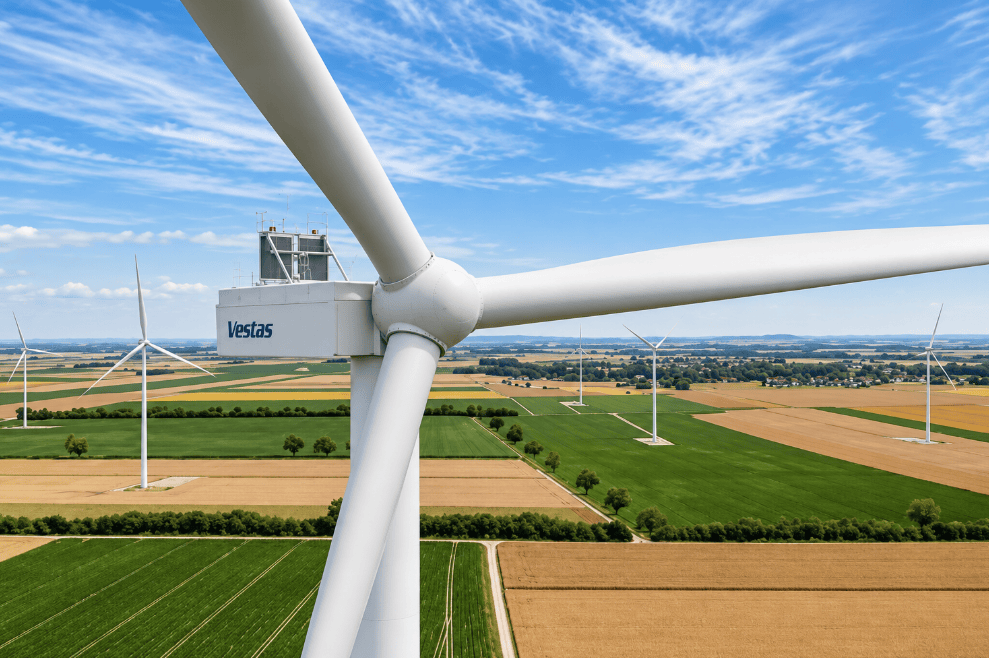
Of the 300.50 GW of non-fossil fuel capacity, solar power accounted for 164.59 GW, wind power 58.14 GW, large and small hydropower combined 57.24 GW, biomass power 11.75 GW, and nuclear power 8.78 GW. Solar capacity accounts for more than half of the total non-fossil fuel capacity.
In fiscal year 2025–2026, India added 55.29 GW of non-fossil fuel power capacity, including 44.6 GW of new solar capacity and approximately 6 GW of new wind capacity. As of the end of March this year, the country's non-fossil fuel capacity stood at 283.46 GW, of which renewable energy accounted for 274.68 GW and nuclear power 8.78 GW.
The growth in installed capacity has driven an expansion in renewable energy generation. India's renewable energy generation in fiscal year 2025–2026 reached 477.79 billion kWh, compared to 190.96 billion kWh in fiscal year 2014–2015.
The capacity included in India's "Approved Models and Manufacturers List" for solar photovoltaic modules has exceeded 200 GW, compared to 2.3 GW under the same criterion in 2014.
Related Products


Hydrogen production and hydrogenation charging refueling gas integrated energy station
Shenzhen Kohodo Hydrogen Energy Co., Ltd.

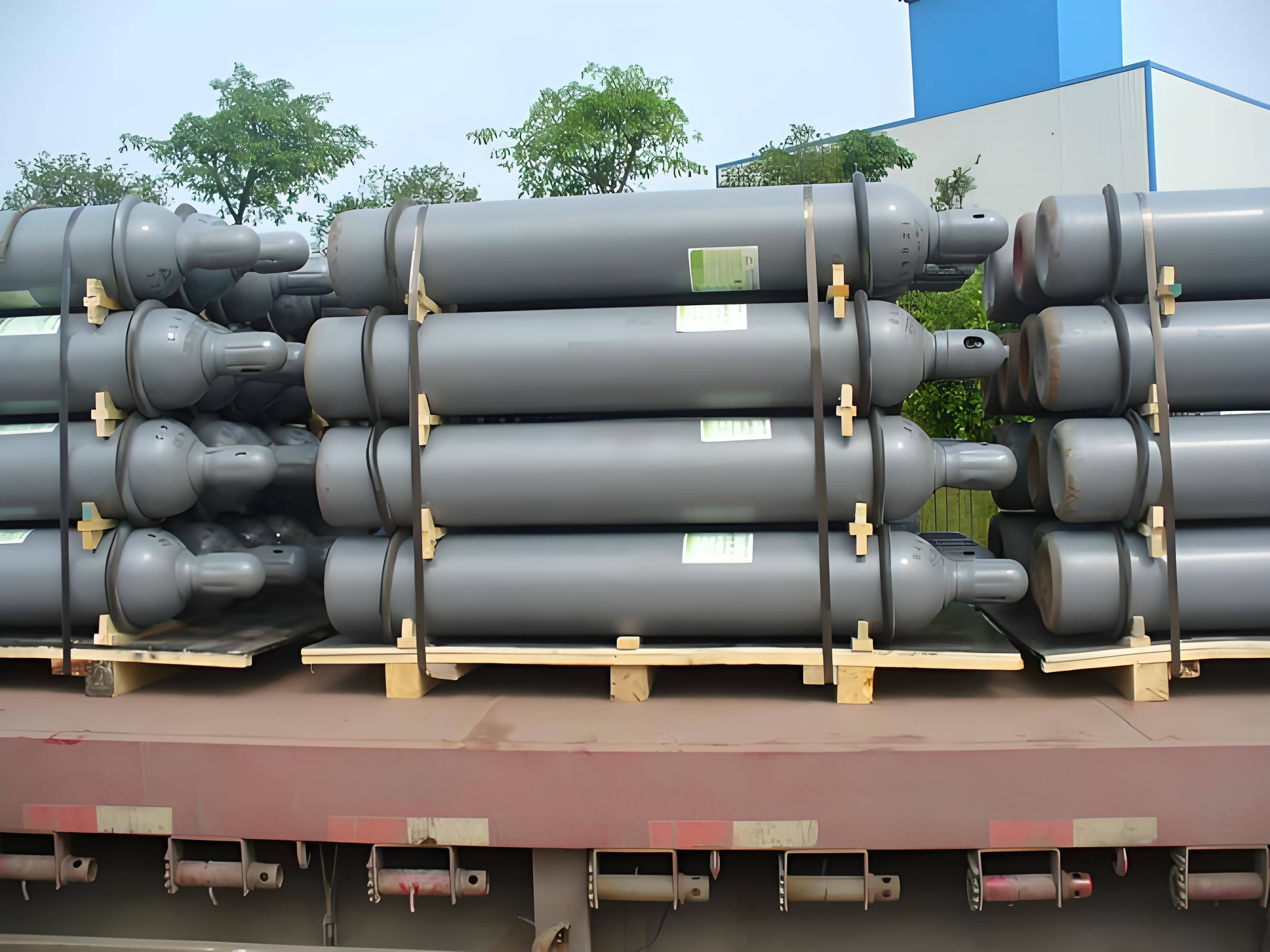
Global Sulfur Hexafluoride Gas Supply and Cylinder Export
Foshan Yuexin Industrial Gas Co., Ltd.
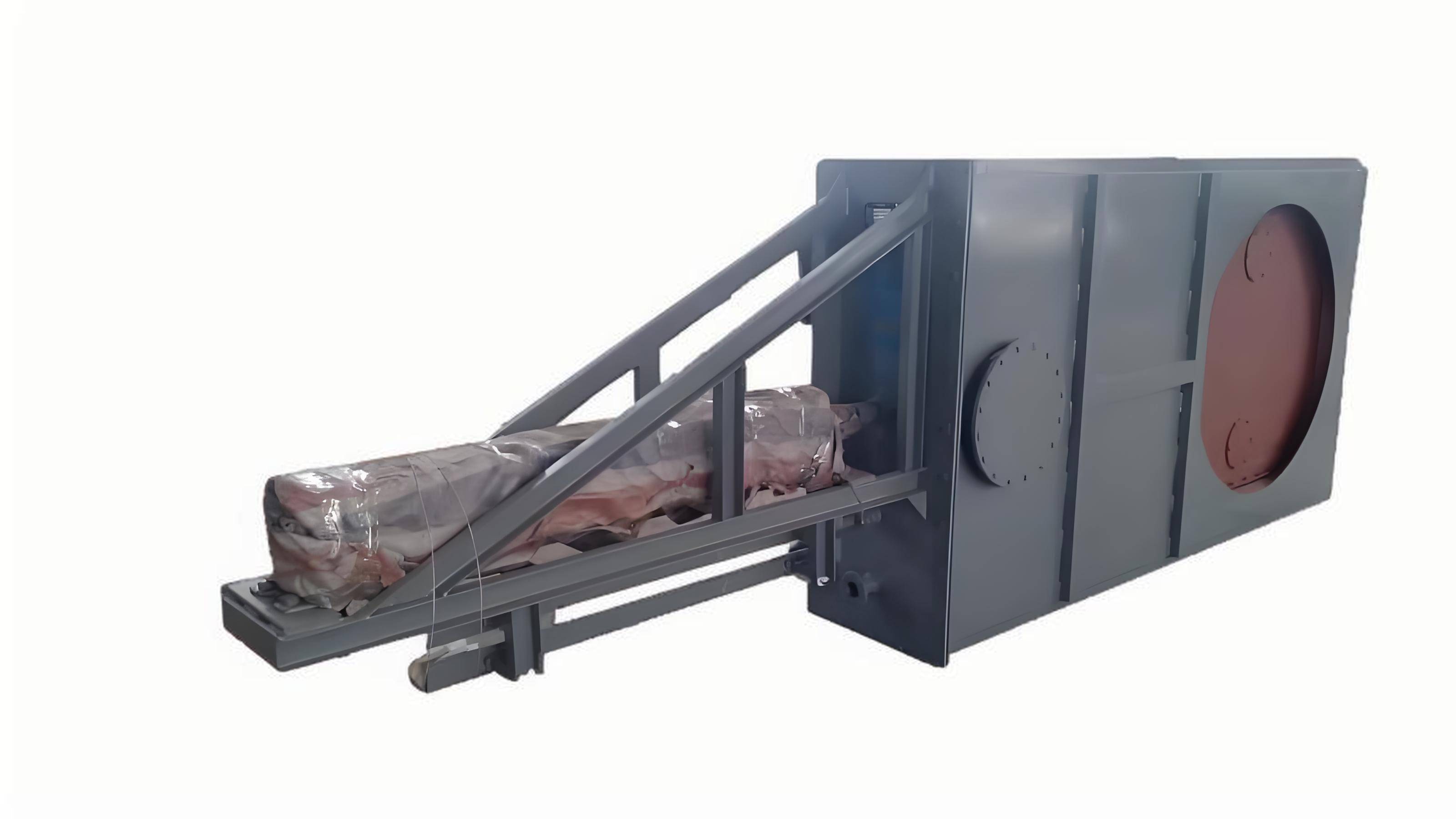
Double-slide Triple-sealed Hot Air Isolation Door
Xi'an Yingchuan Electric Power Equipment Co., Ltd.