Global Widebody Aircraft Deliveries Lag, Boeing and Airbus Backlogs Stretch into 2030
en.Wedoany.com Reported - The global widebody passenger aircraft market is facing a supply-demand imbalance: airlines' travel demand continues to rise, but Boeing and Airbus cannot keep up with order growth in new aircraft deliveries, leading to an aging active widebody fleet and hampered airline expansion plans. Take the Boeing 777X, for example—this model has been delayed by more than six years, and there is still no clear sign that the supply chain issues constraining deliveries will be resolved in the short term.
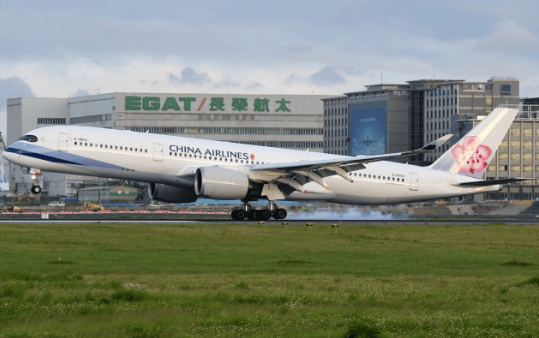
Looking at models currently on sale, Airbus is promoting the A330neo (including the A330-800 and A330-900) and the A350 family (A350-900, A350-1000, and the under-development A350F); Boeing, meanwhile, offers the 787 series (787-8, 787-9, 787-10) and the 777 series (777F, 777-8, 777-8F, 777-9). In terms of backlog, Airbus still has 298 A330neo and 870 A350 aircraft pending delivery, while Boeing has 1,145 787s, 657 777Xs, and 41 777Fs undelivered. Based on current production rates, these orders are largely scheduled into the 2030s, leaving airlines seeking to purchase additional widebody aircraft within this decade with no choice but to turn to the leasing or second-hand markets.
Production capacity is equally strained. Airbus currently produces four A330neo aircraft per month, with plans to increase to five only by 2029; the A350 was originally slated to reach ten aircraft per month in 2026, but due to supply chain constraints, it is currently at just six per month, with Airbus targeting twelve per month starting in 2028. Boeing produces eight 787s per month, striving to raise that to ten, with a potential future ceiling of sixteen; the 777 series is currently at three to four aircraft per month.
Supply chain strain is the core of the problem. Production slowdowns during the pandemic and the retirement of skilled workers have made it difficult for suppliers to meet post-pandemic demand rebounds, while raw material shortages have further widened the capacity gap. Airbus's A350 production has been notably hampered by this—the former Spirit AeroSystems plant in Kinston, North Carolina (responsible for the mid-fuselage and wing spars) is facing transition-period challenges and staffing shortages. Engine delivery schedules from General Electric and Rolls-Royce are also slowing progress. Boeing's 787 was reduced to four aircraft per month in 2024 due to quality control issues, has now recovered to eight per month, and is building a second final assembly line for the program.
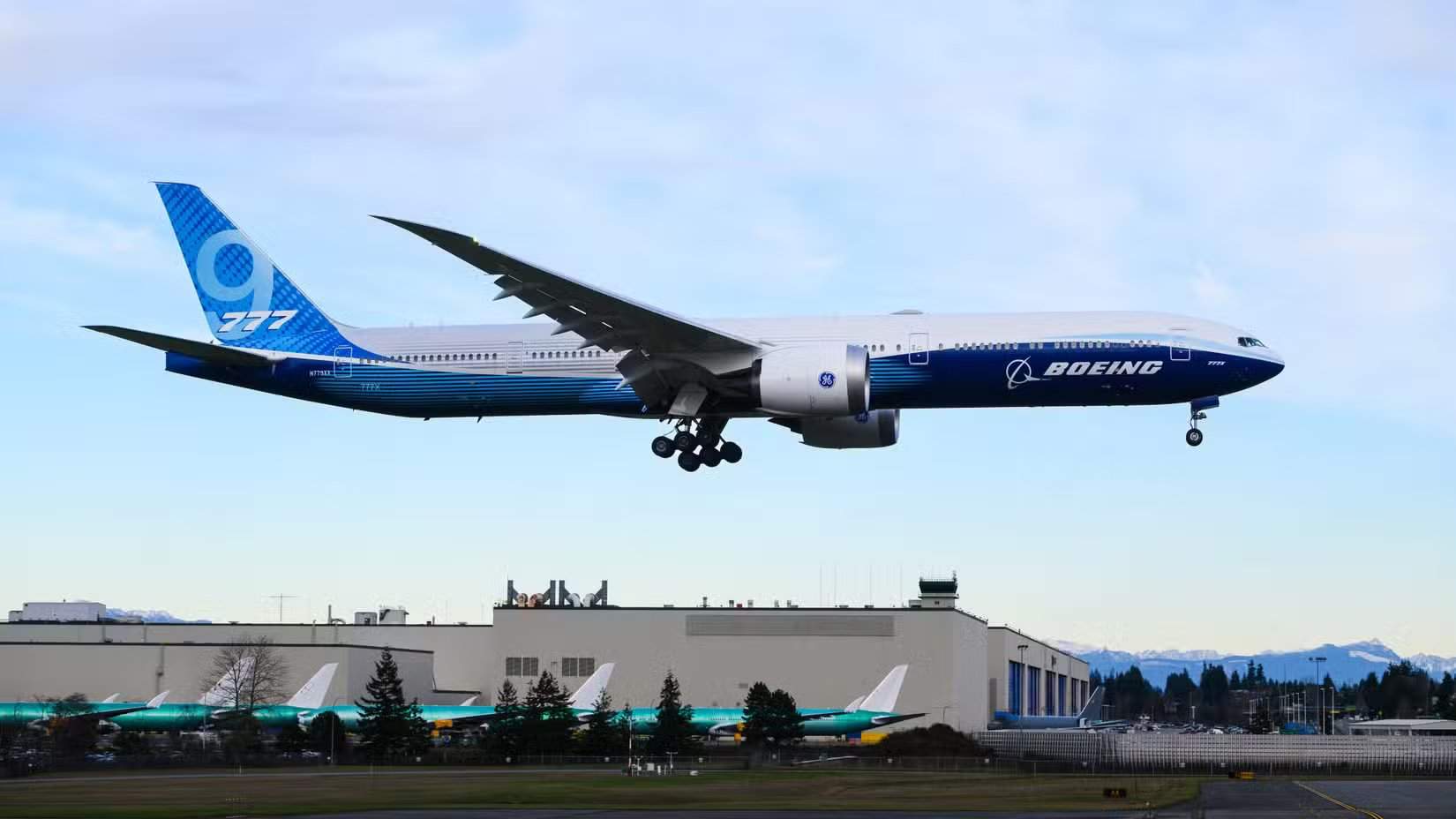
The 777X's impact on Boeing and its customers is particularly pronounced. Originally slated for delivery in 2020, the model is now not expected to enter service until 2027. Emirates has ordered 235 777-9s, Qatar Airways has ordered 90, and Cathay Pacific has ordered 35. Emirates President Sir Tim Clark previously stated that he had expected to have received over 100 aircraft by now, yet actual deliveries stand at zero. Cathay Pacific and Qatar Airways, which had planned to debut new premium cabins on the 777-9, have instead launched them on other models. Due to delivery delays, Emirates' older 777s and Lufthansa's 747-400s have been forced to extend their service lives.
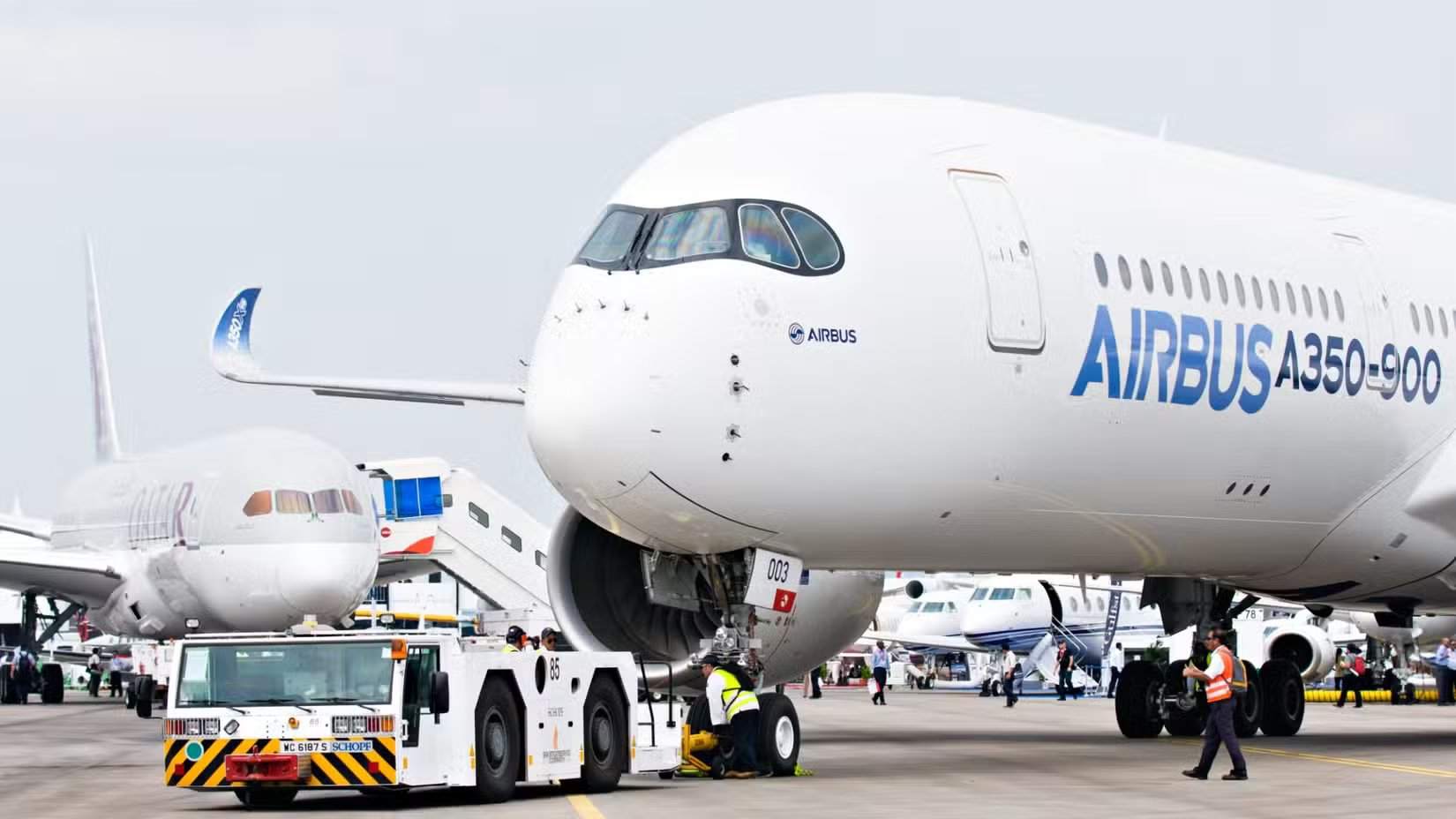
More challenging still, Boeing has more than 30 built 777-9s that require extensive rework to meet current production standards. Boeing has scrapped one of them, Emirates has refused to accept the first ten aircraft originally slated for delivery, and reports indicate that an unnamed customer has also rejected early-production 777-9s.
Seat suppliers represent another delivery bottleneck. New aircraft cannot enter commercial service without seats, and suppliers are struggling with both production capacity and product certification. Lufthansa's Allegris cabin has fallen behind schedule due to its numerous suppliers and complex structure—its first A350s arrived without Collins Aerospace first-class suites, and 787 business-class seats are also delayed. Air India, which had planned to install Safran Unity seats on its A350-1000s and Boeing 777-300ERs, switched to Recaro R7 seats on the A350 and Collins Aerospace Elevation seats on the 777 due to supply chain issues. Air New Zealand's new business-class seat based on Safran Visa has also arrived roughly a year later than originally planned.
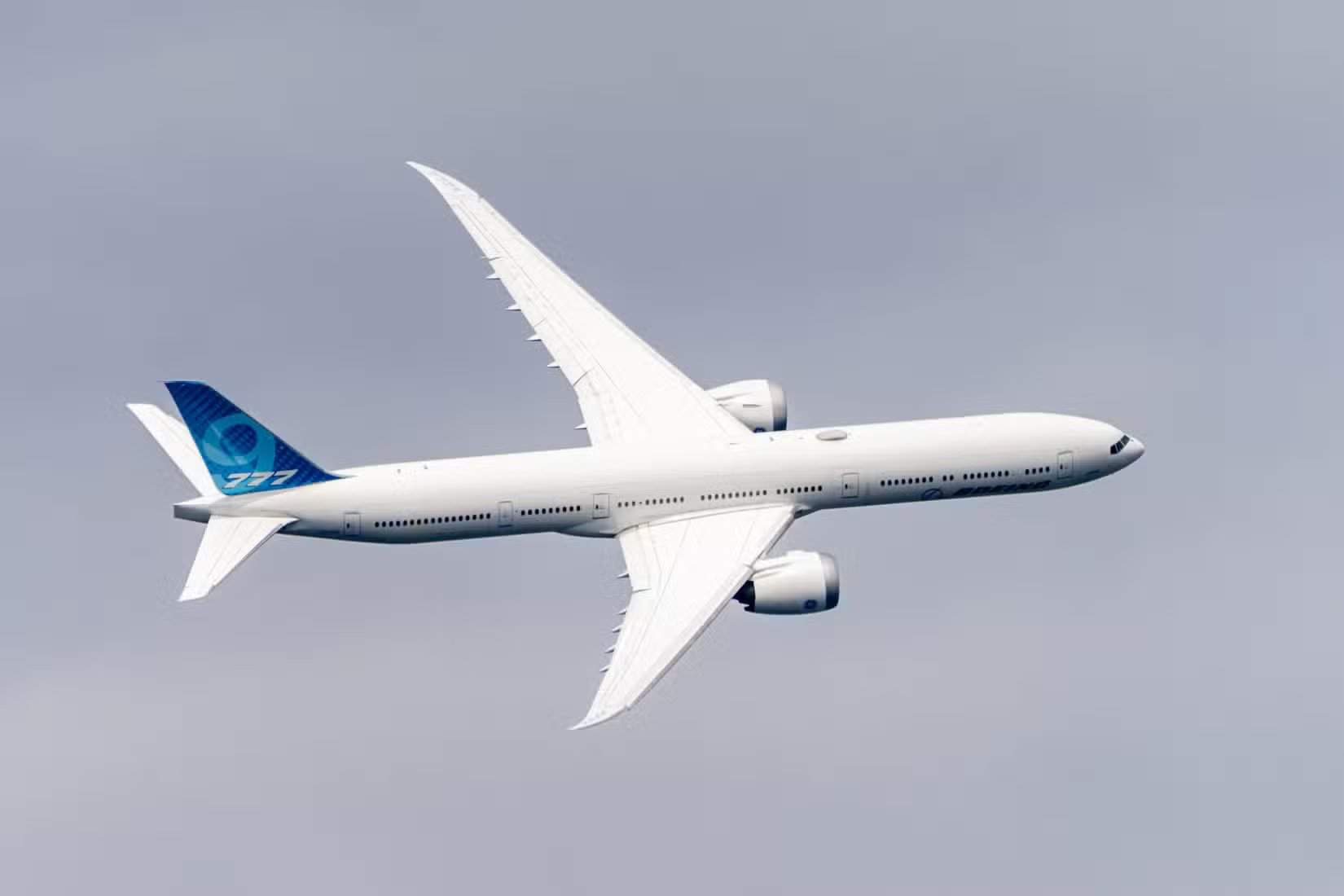
A microcosm of the current market: recent reports indicate that United Airlines is interested in acquiring 20 early-production 777-9s. Although the model does not perfectly match United's existing fleet, acquiring these aircraft would secure capacity faster than placing a new order with Boeing or Airbus and waiting years.
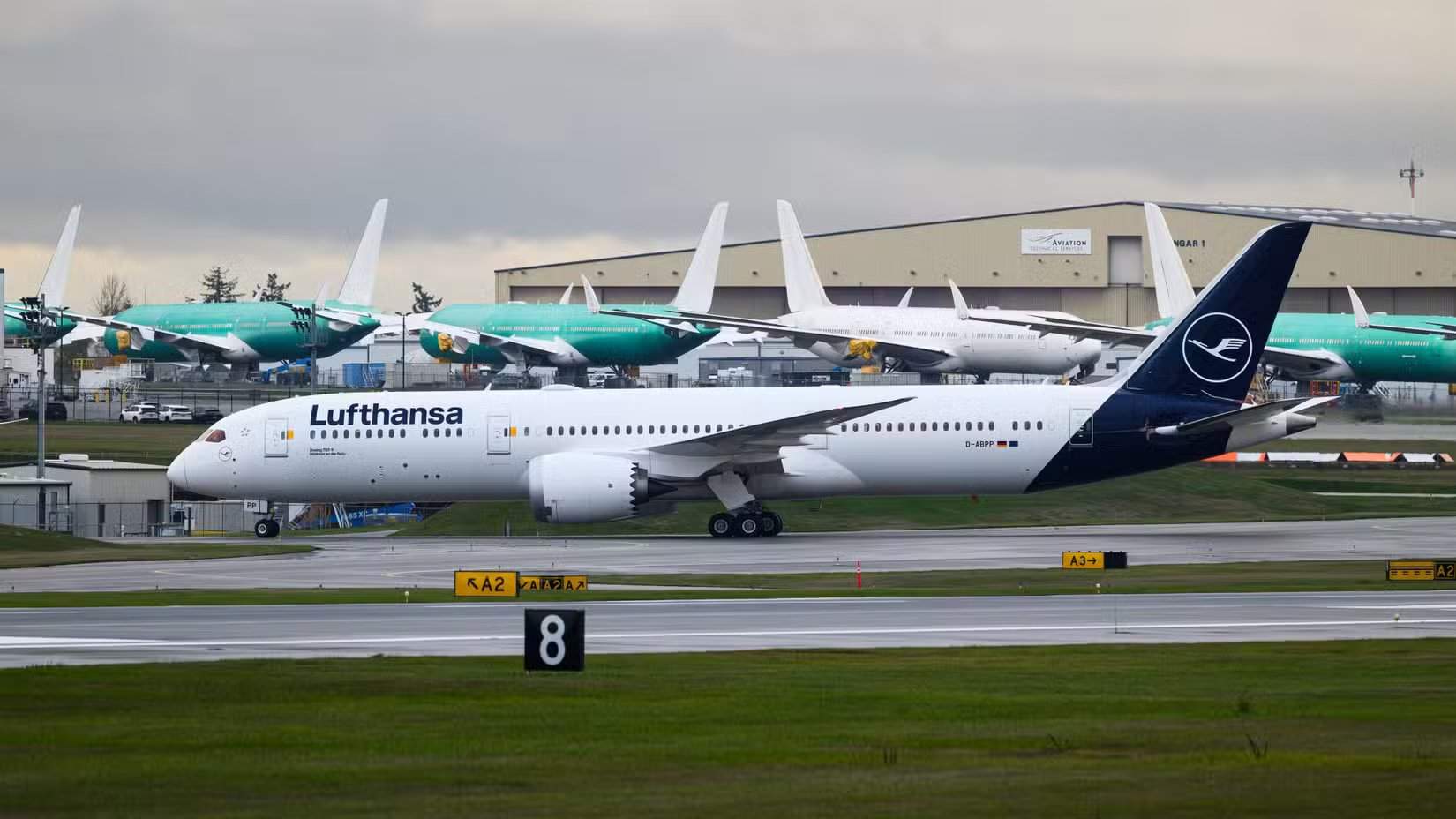
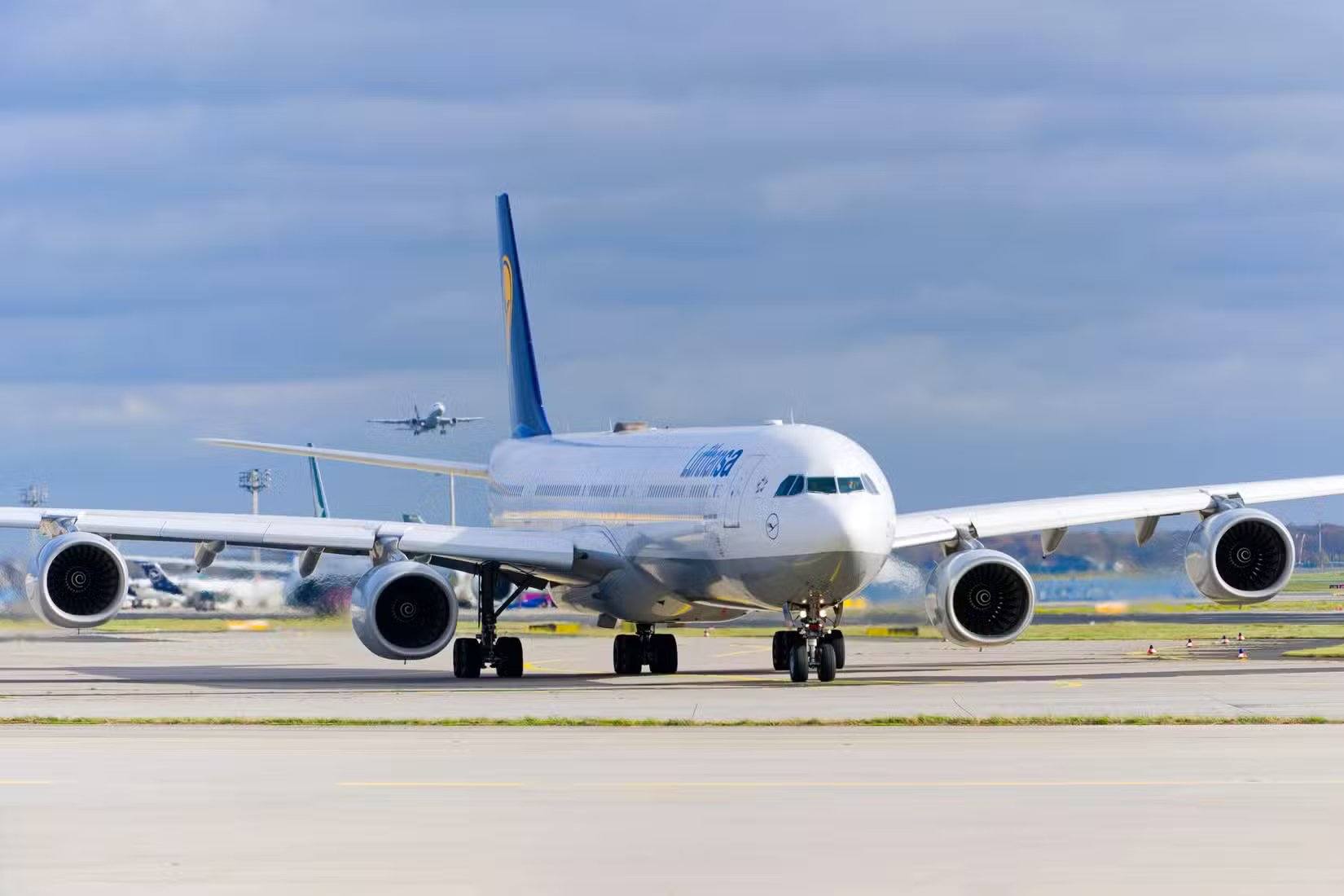
Against this backdrop, airlines are broadly extending fleet service lives. Lufthansa still operates A340s and 747-400s, Delta Air Lines and Qantas have both seen delays in their first A350-1000 deliveries, and 787 customers have suffered from delivery delays for years. The leasing market has consequently heated up—leased commercial aircraft now outnumber those owned outright, partly because leasing secures aircraft faster than ordering directly from manufacturers. As order backlogs continue to grow, prices and wait times for new widebody aircraft are expected to rise further, while the supply chain constraints limiting the entire industry show no signs of easing in the near term.
Related Products


Pantograph-Catenary Comprehensive Detection Device (1C)
CHENGDU TANGYUAN ELECTRIC CO., LTD.


Industrial and Commercial Point-Type Gas Detector
Jinan Benan Technology Development Co., Ltd.

ERW Welded Pipe (Black Pipe and Hot-dip Galvanized Steel Pipe)
Handan Zhengda Steel Pipe Co., Ltd.