German DLR and Siemens Receive €3 Million for Joint Development of Pods4Rail
en.Wedoany.com Reported - The German Aerospace Center (DLR), Siemens Mobility, and European partners have jointly developed the Pods4Rail automated mobility concept, aiming to integrate rail transport with road networks and cable car systems. This modular system pairs standardized pods for passenger and freight transport with mobile carrier units equipped with mode-specific chassis, propulsion, power supply, and technical subsystems.
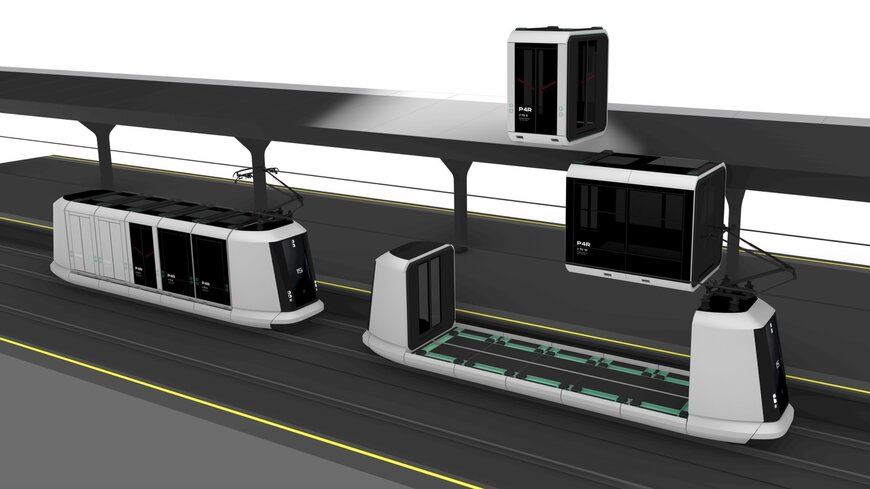
The project is coordinated by Siemens Mobility, with 15 participating institutions from 7 European countries, and receives approximately €3 million in funding through Europe's Rail Joint Undertaking and the Horizon Europe research program. As the lead research partner, DLR contributes technical expertise from five institutes across the rail and road vehicle development chain.
The core architecture is based on "super-intermodality," enabling seamless end-to-end transport across multiple modes of transportation without passengers or freight needing to transfer between pods. In the operational process, pods first depart on road carrier units in rural or capillary areas, are automatically transferred to rail carrier units at intermodal hubs, complete long-distance rail journeys together with other pods, and utilize the main rail infrastructure as the system's high-capacity, energy-efficient backbone. The research also assessed the physical and operational integration of cable car networks within the transfer framework.
Manuel Osebek, project lead at the DLR Institute of Vehicle Concepts, stated that the goal of Pods4Rail is to provide door-to-door mobility services, where passengers and freight remain in the same pod throughout the entire journey and are transferred between different carrier units as needed. In addition to vehicle architecture, the research analyzed the connection mechanisms between pods and carrier units, automation protocols, required ground infrastructure, and digitalized operational concepts.
The initial research phase evaluated existing intermodal systems and potential applications, examining technical performance parameters, user acceptance, accessibility, environmental indicators, and economic feasibility. DLR conducted user surveys and benchmarked existing vehicle concepts to define system requirements. The project identified more than 20 potential applications and established 8 business scenarios, covering on-demand passenger transport on underutilized regional feeder lines, parcel and express logistics networks, and mobile healthcare facilities. These operational profiles established baseline technical specifications for pods, carrier units, automated handling mechanisms, and the overall mobility management system.
DLR is responsible for translating system requirements into technically feasible vehicle concepts, with research focusing on lightweight modular vehicle structures, in-pod thermal climate control, energy consumption profiles, and the physical interfaces between chassis and pods, while also covering vehicle-to-vehicle (V2V) and vehicle-to-infrastructure (V2I) communication and traffic management integration. At the regulatory level, DLR assessed approval procedures, safety standards, and functional requirements in both the road and rail sectors, with these parameters directly guiding the engineering design of passenger transport pods, freight containers, carrier platforms, and automatic locking and transfer mechanisms.
The Pods4Rail framework lays the foundation for flexible infrastructure utilization and the integration of multiple transport modes, particularly suited to demand-responsive services on regional feeder lines. The project's results provide a starting point for further component refinement and larger-scale testing to address regulatory approval, economic viability, and network integration issues. Subsequent development will continue under the follow-up project PREFER (Pods and Regional Flexible Efficient Rolling Stock).
Related Products


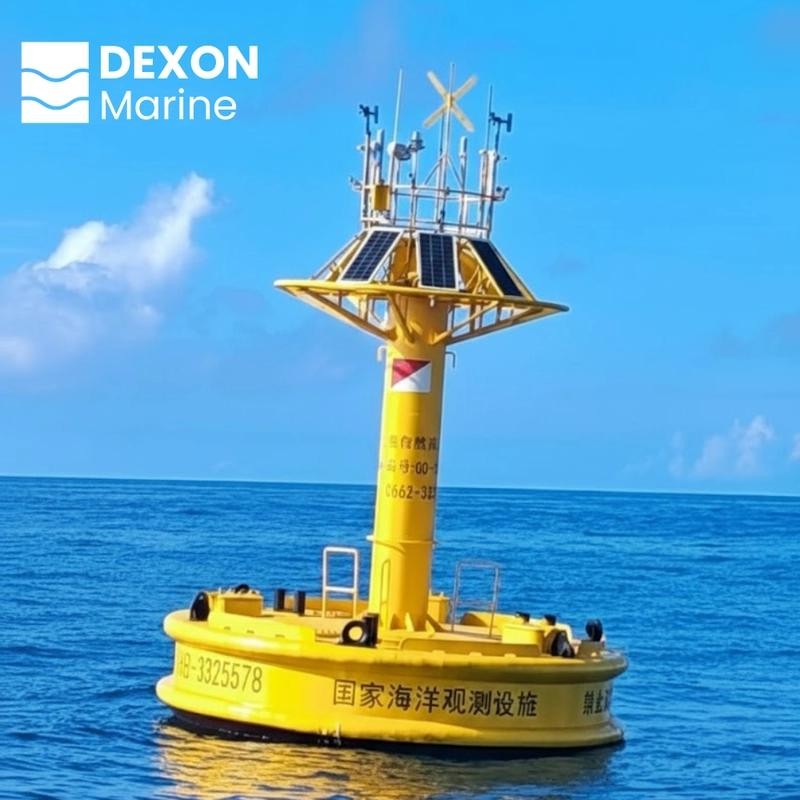
3m intelligent buoy combining navigation safety and real-time marine monitoring integrated navigation and marine monitoring system for real-time maritime data
Chengdu Dixin Technology Co., Ltd.

Pantograph-Catenary Comprehensive Detection Device (1C)
CHENGDU TANGYUAN ELECTRIC CO., LTD.
GSR6-27.5kV SF6 Free Gas-insulated Metal-enclosed Switchgear
Zhejiang Juhonkia Intelligent Electric Co., Ltd.
One-Stop Steward Service for the Entire Logistics System Integration Chain
Zhongding Intelligent (Wuxi) Technology Co., Ltd.