Nippon Paint Q2 Revenue Hits Record, Raises Full-Year Forecast to ¥2 Trillion
en.Wedoany.com Reported - Nippon Paint Holdings Co., Ltd. reported second-quarter results with record-high revenue and operating performance, driven by volume growth, improved product mix, price adjustments, and favorable foreign exchange effects.
Second-quarter revenue reached ¥533.4 billion, up 19.4% year-on-year; adjusted operating profit was ¥94.9 billion, up 30.4% year-on-year; and the adjusted operating margin rose 150 basis points to 17.8%. The company stated that revenue growth reflected increased sales volume, improved product mix, and favorable currency movements. Japan, NIPSEA Except China, and DuluxGroup Pacific all posted growth in both revenue and operating profit, supported by volume growth and price adjustments.
Raw material cost increases related to the Middle East situation varied by region and business segment during the quarter, and the company said these cost increases were offset through price pass-through and cost reduction measures. Nippon Paint expects the impact of rising raw material costs to become more pronounced in the second half of the year and plans to address it through pricing, cost reduction, and other measures.
First-half revenue grew 20.1% to ¥1.024 trillion. On a reported basis, operating profit rose 29.8% to ¥152.3 billion; six-month adjusted operating profit was ¥172.4 billion, up 34.0%, with reported and adjusted figures kept distinct.
The company raised its full-year 2026 revenue forecast by ¥80 billion to ¥2 trillion, primarily reflecting favorable foreign exchange movements. The reported operating profit forecast remains unchanged at ¥283 billion.
In the Japanese market, second-quarter revenue grew 17.9% to ¥61.6 billion, with growth across automotive, decorative, and industrial coatings. Automotive coatings revenue rose 7.9% to ¥10.1 billion, decorative coatings grew 26.3% to ¥15.6 billion, and industrial coatings revenue increased 22.3% to ¥11.9 billion. The company attributed the growth in Japanese automotive coatings to increased sales volume, higher vehicle production, and selling price adjustments, including measures taken in response to rising procurement costs related to the Middle East situation. Decorative coatings revenue benefited from supply-concern-related demand and strong sales of high-durability building and structural products, while industrial coatings benefited from increased volume.
Related Products
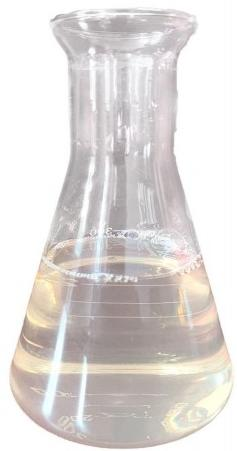

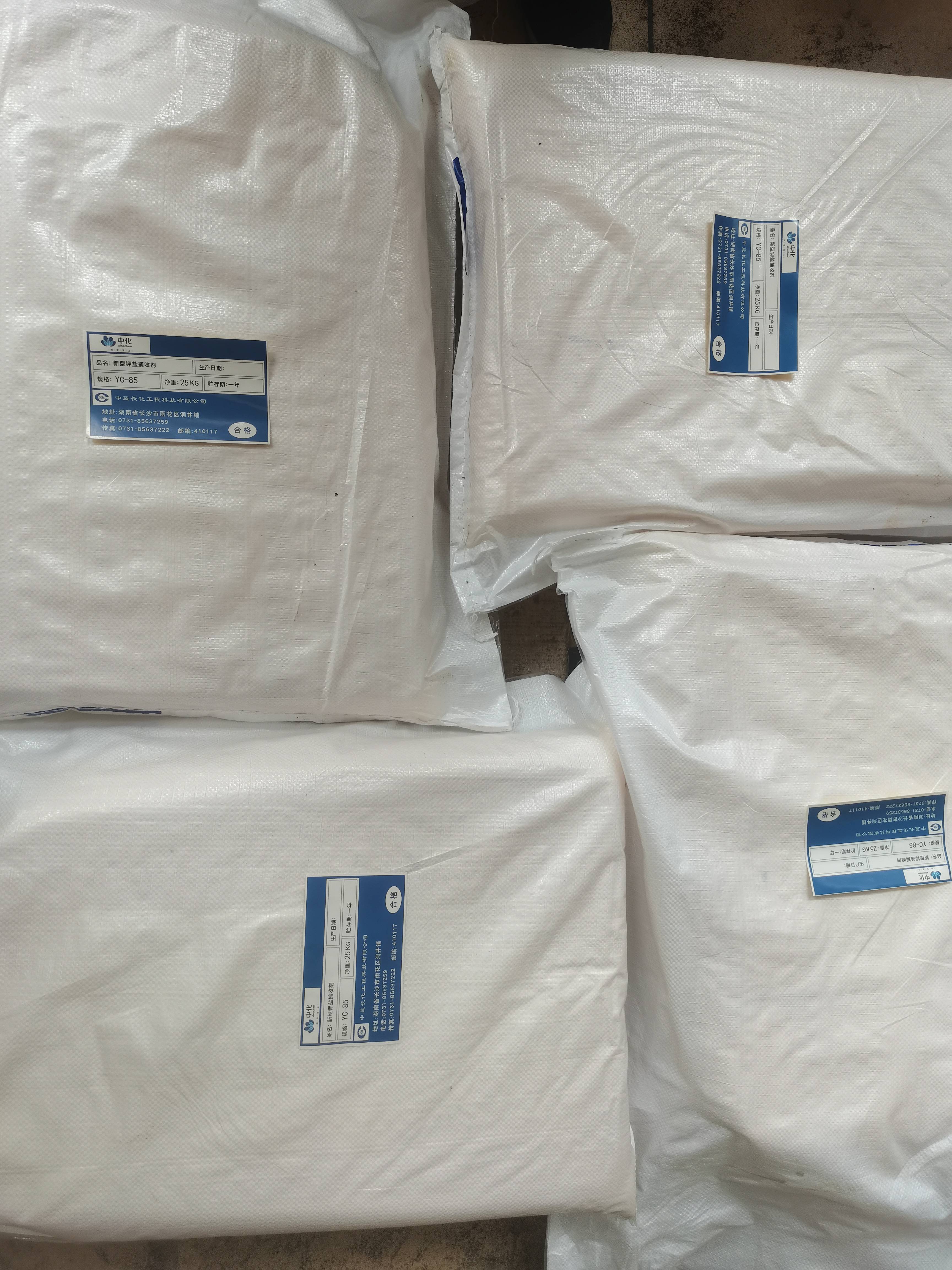
New Environmentally Friendly Green Potassium Salt Collector
Chonfar Engineering and Technology Co., Ltd.
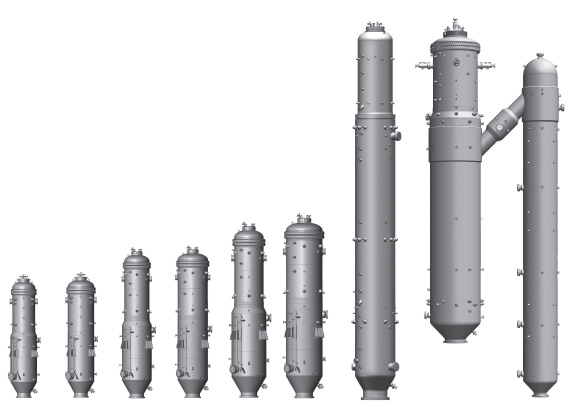
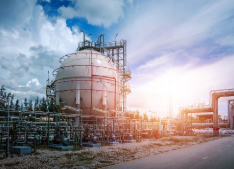
Gasification Furnace Series: Freely Combinable Aerospace Furnace
CHANGZHENG ENGLINEERING CO., LTD.
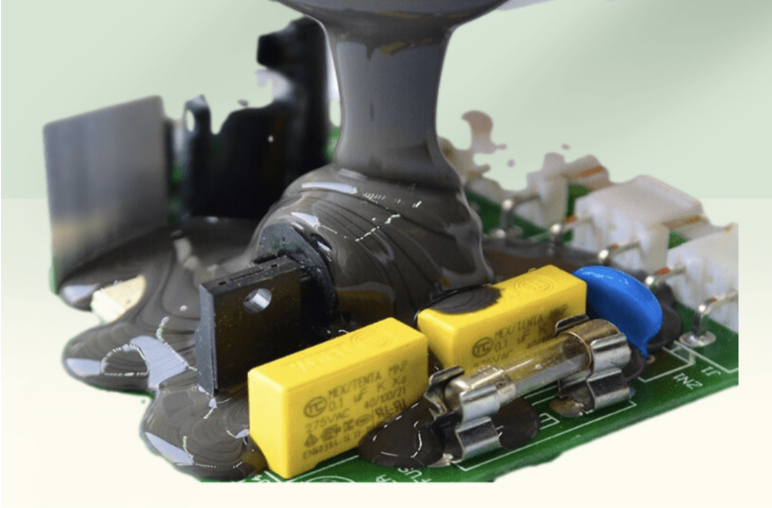
High Thermal Conductivity Encapsulating Resin
Nantong BESALL Sealing Technology Company.,Limited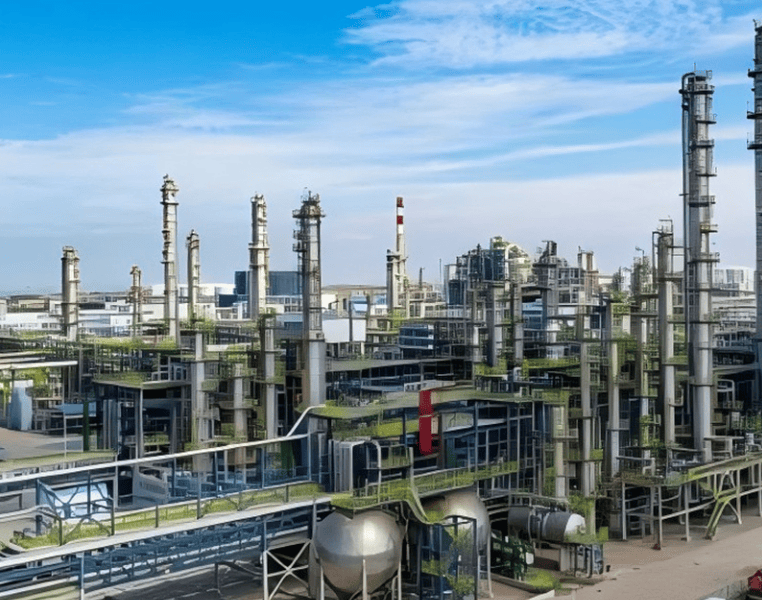
Steel Pipes for Refining and Coal Chemical Industries
YANGZHOU LONTRIN ENERGY EQUIPMENT CO.,LTD.