University of Newcastle Pilot Flotation Achieves Nearly 100% Silver Recovery from Retired Solar Panels
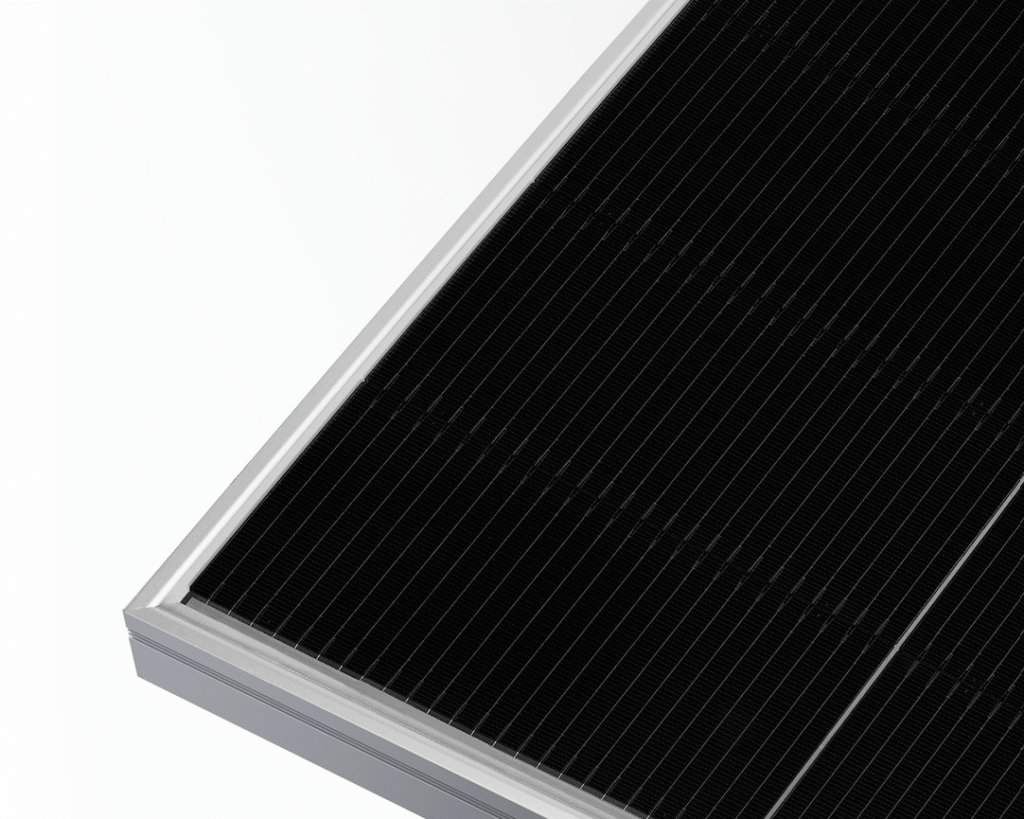
en.Wedoany.com Reported - A research team at the University of Newcastle has successfully scaled up a flotation process for recovering silver from retired solar panels to pilot scale, achieving nearly 100% silver recovery under continuous operating conditions. The pilot trial is reportedly the world's first continuous flotation-based test project for processing solar panel recyclables. The research team had previously demonstrated that froth flotation, a mineral processing technique widely used in the mining industry, can recover silver from solar waste without the use of acids. Building on this, the researchers extracted high-grade silver from nearly half a ton of retired solar panels.
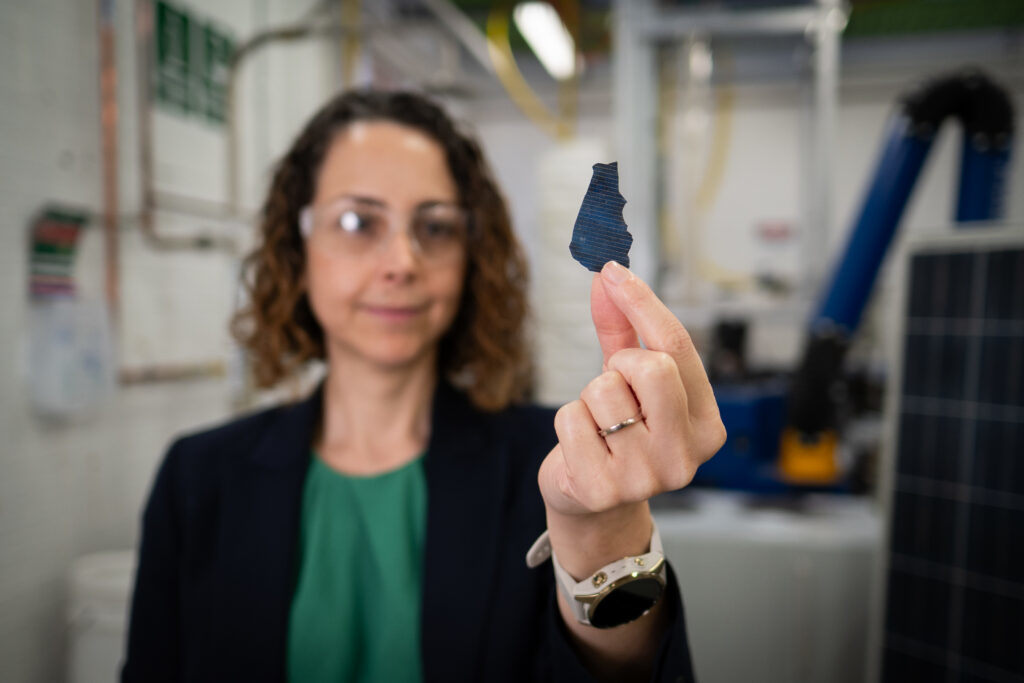
Associate Professor Mahshid Firouzi, lead researcher and Deputy Director of the Centre for Critical Minerals and Urban Mining at the University of Newcastle, stated that earlier small-scale batch studies had confirmed the capability of flotation to recover silver, while the latest work demonstrates that the process can operate continuously at a larger scale with nearly 100% silver recovery, bringing it one step closer to commercial application. During the pilot trial, the researchers processed 22 kilograms of solar cell material recovered from 468 kilograms of solar panels. Over approximately 90 minutes of continuous operation, nearly 100% of the silver was recovered and concentrated into a high-value product that accounted for only 1.25% of the original material mass. The silver concentration in the resulting product was more than 80 times higher than that in the original solar cell material. The research team stated that the results show the flotation separation process is robust, rapid, and scalable.
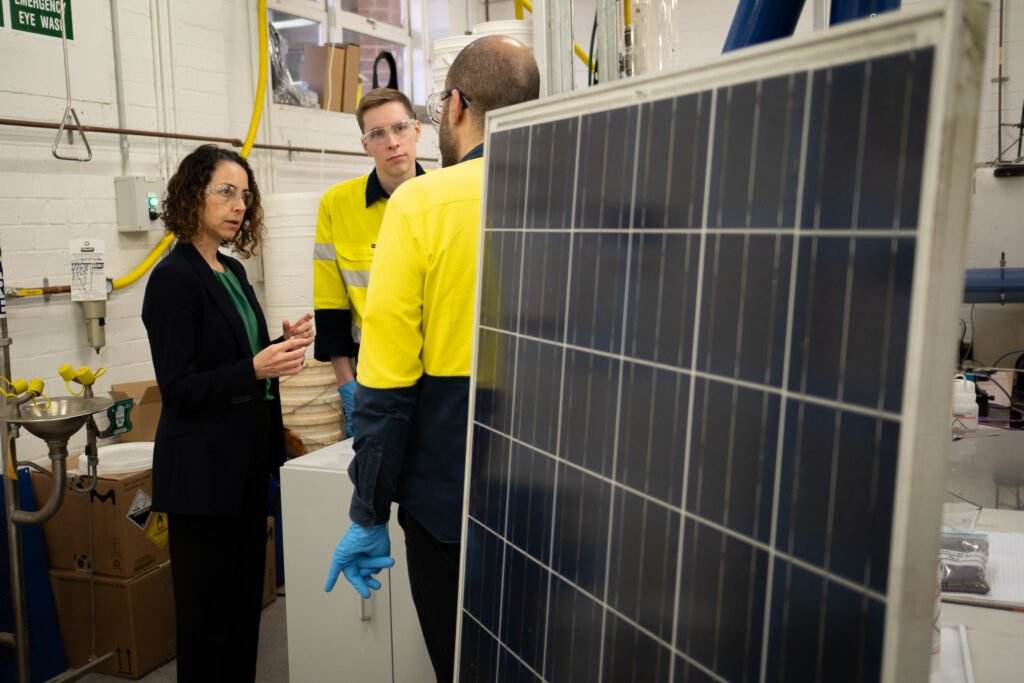
Firouzi noted that the current challenge is no longer whether silver can be recovered from solar panels, but whether it can be recovered at a commercially viable scale and cost. Silver is the most valuable material in solar cells, and its recovery is expected to enhance the overall economic attractiveness of solar panel recycling. By 2035, Australia is projected to generate more than 1 million tons of discarded solar panels, which will contain between 300 and 500 tons of silver. Currently, only a small fraction of retired panels are recycled, with the majority ending up in landfills.
At present, the estimated cost of recycling a single solar panel is $10 to $15, while landfill disposal costs only a few dollars. Firouzi believes that efficiently recovering and selling the silver from panels could shift this cost comparison. The team's preliminary assessment indicates that the flotation process could be three to five times less costly than traditional acid leaching. Acid leaching is limited in large-scale applications due to its heavy reliance on chemicals and hazardous waste management. Firouzi stated that the team is applying a proven mineral processing technology to one of the fastest-growing waste streams in the renewable energy sector; as Australia continues its transition to renewable energy, recovering critical minerals from waste streams will become increasingly important. She added that building a circular economy requires considering not only how to generate clean energy, but also how to recover the materials that make these technologies possible.
The study, titled "Continuous flotation unlocks full recovery of silver from end-of-life solar cells," was published as a preprint on ChemRxiv.
Related Products

VEG-12/24/40.5 Series Vacuum Circuit Breaker
SHANGHAI PINGGAO TIANLING SWITCHGEAR CO., LTD.

Hydraulic Turbine Genset
Dongfang Electric Corporation Dongfang Electric Machinery Co., Ltd.

CAP1400 main feedwater flow nozzle flowmeter.
Jiangsu Hongda Instrument Technology Co., LTD.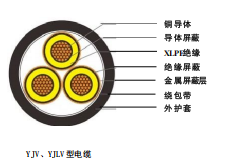
Rated Voltage 6-35kV Cross-linked Polyethylene Insulated Power Cable
TONGDING INTERCONNECTION INFORMATION CO., LTD.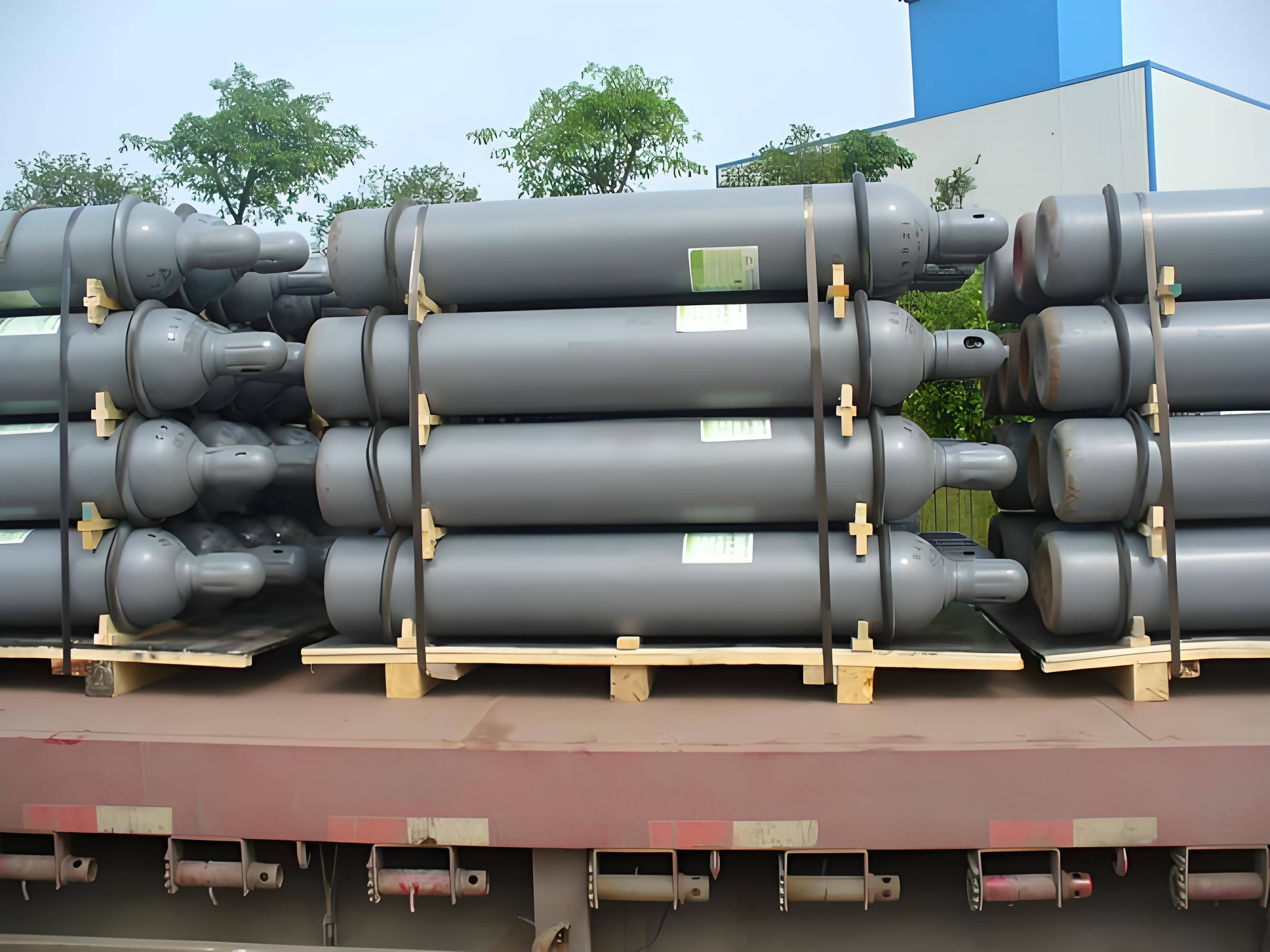
Global Sulfur Hexafluoride Gas Supply and Cylinder Export
Foshan Yuexin Industrial Gas Co., Ltd.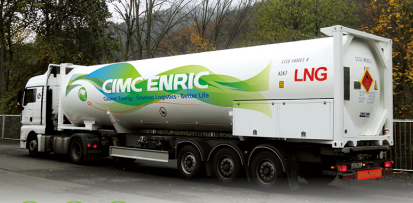
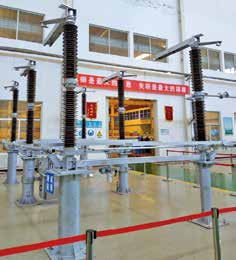
GW4-40.5/72.5/126/145/170/252/363/420 Series Double-column Horizontal Rotary High-voltage AC Disconnect Switch
SHANDONG TAIKAI DISCONNECTORS CO., LTD.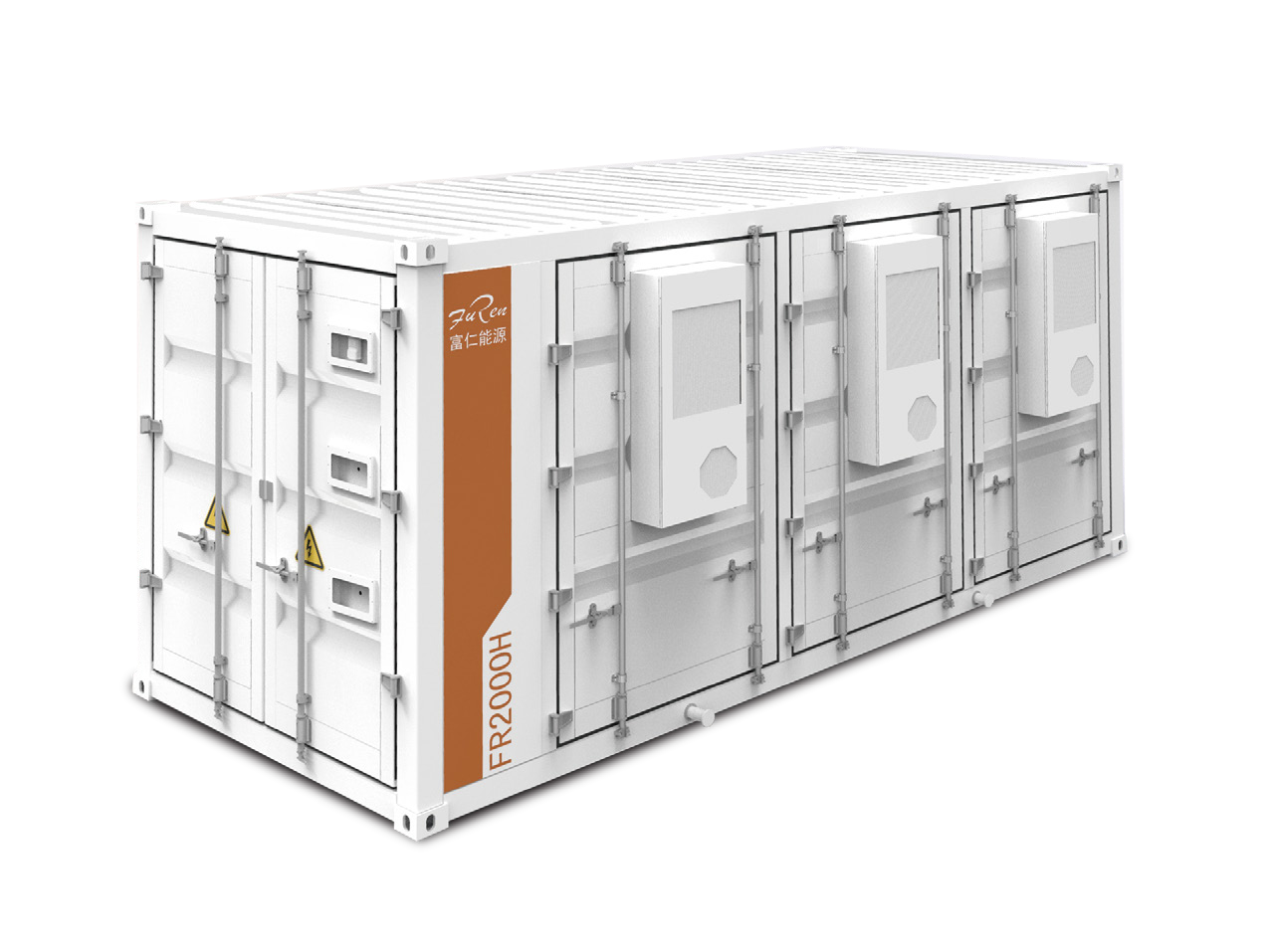
FR2000H 2.15MWh (Air-cooled) 20-foot Containerized Energy Storage System
Jiangyin Furen High-tech Co., Ltd.