U.S. Extends Jones Act Waiver for 90 Days, Foreign Vessels Shift to Voyage-by-Voyage Approval
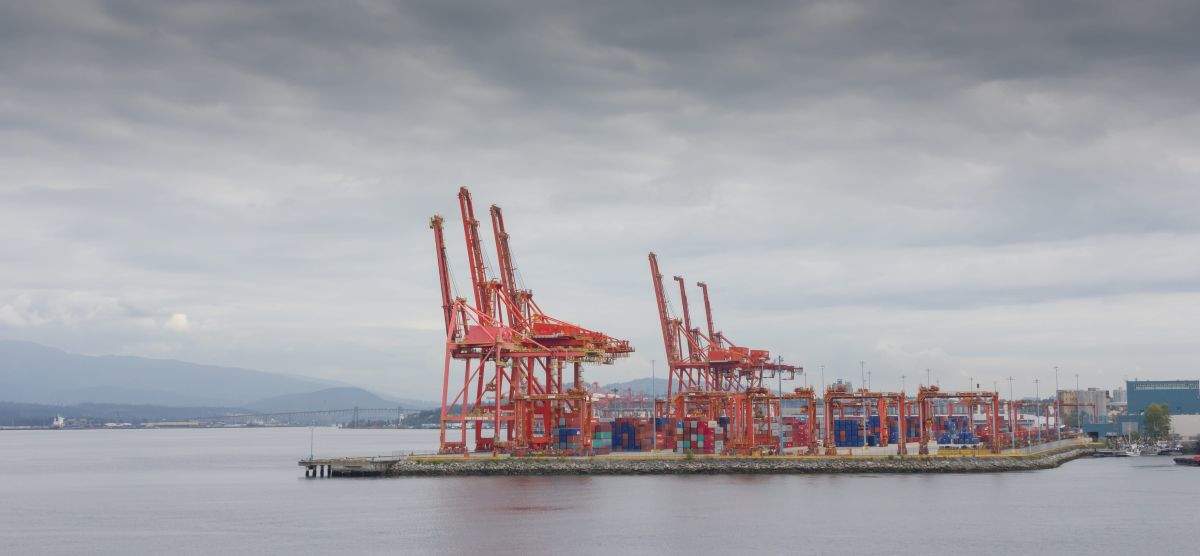
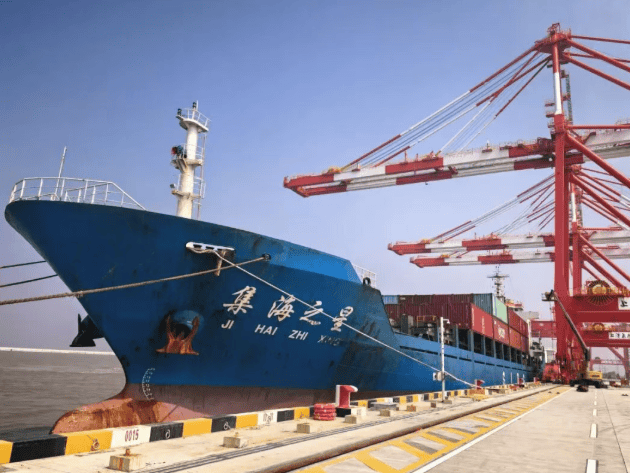
en.Wedoany.com Reported - On August 13, U.S. Customs and Border Protection issued guidance stating that the U.S. Department of Homeland Security has approved a second extension of the temporary Jones Act waiver. The new waiver period will begin at 12:00 a.m. on August 17, 2026, and last for 90 days, during which eligible cargo may be transported between U.S. ports by foreign vessels under the prescribed procedures.
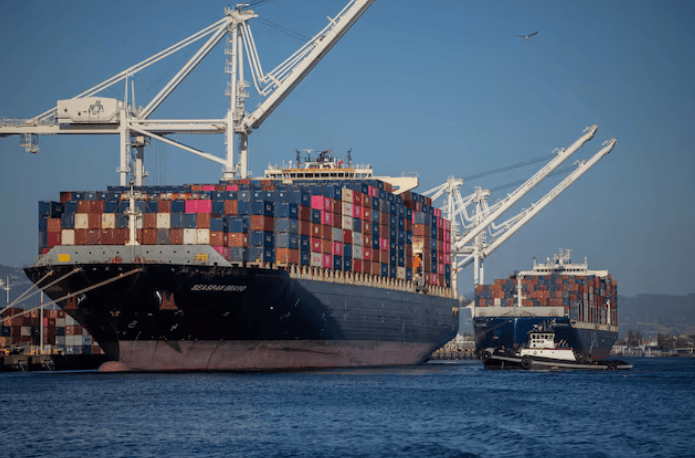
This waiver will expire at 11:59 p.m. on November 15, and eligible cargo must be loaded before the deadline. Compared with previous arrangements, the new rules no longer grant a broad blanket waiver for cargo on the list. Instead, applicants are required to submit a "Vessel Availability Request" before the start of each voyage, under which the U.S. Maritime Administration will investigate whether U.S.-flag vessels meeting Jones Act requirements are available, and the U.S. Department of War will then decide whether foreign vessels may be used for that voyage.
Application materials must specify the vessel name, International Maritime Organization number, flag, owner and operator, carrier, voyage dates, loading and discharge ports, cargo type, customs tariff code, shipment volume and frequency, and explain why the relevant transportation serves national defense interests. After the U.S. Maritime Administration conducts a market survey, U.S.-flag vessels eligible for coastwise trade must, in principle, respond with availability within 24 hours.
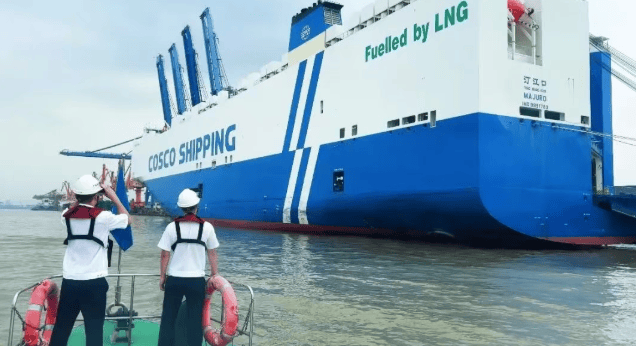
U.S. Customs and Border Protection has also significantly reduced the list of potentially eligible commodities. The relevant customs tariff codes have been cut from more than 600 in April to 237, with the retained scope mainly covering crude oil, gasoline, diesel, jet fuel, naphtha, fuel oil, liquefied natural gas, liquefied petroleum gas, natural gas, fertilizers, ethanol, biodiesel, and certain basic chemical feedstocks. Coal, methanol, benzene, toluene, xylene, styrene, carbon black, and various organic compounds have been removed from the list.
The previous waiver process primarily required carriers to submit vessel, cargo, carrier, and port information to U.S. Customs and Border Protection, along with CBP Form 1302 cargo declaration documents. With the implementation of voyage-by-voyage approval, foreign vessels must first undergo a U.S. vessel availability survey and government authorization, and cargo owners, traders, and vessel operators will need to allow additional time for voyage approval.
Carriers approved to use foreign vessels must still submit voyage and cargo information to U.S. Customs and Border Protection. Within 10 days after the voyage concludes, vessel owners, operators, and waiver applicants must also submit a report to the U.S. Maritime Administration detailing the vessels, ports, cargo, and the national defense rationale covered by the waiver.
The U.S. Department of Homeland Security initially issued a limited 60-day waiver on March 17, which was subsequently extended to August 16. The new 90-day waiver continues the channel for foreign vessels to participate in U.S. domestic energy and certain bulk commodity transportation, but both the scope of eligible commodities and voyage approval conditions have been tightened.
Related Products


GSR6-27.5kV SF6 Free Gas-insulated Metal-enclosed Switchgear
Zhejiang Juhonkia Intelligent Electric Co., Ltd.


Explosion-proof lithium battery dispatching monorail crane locomotive (permanent magnet frequency conversion integrated machine)
Xiangtan Hengxin Industrial Co., Ltd.
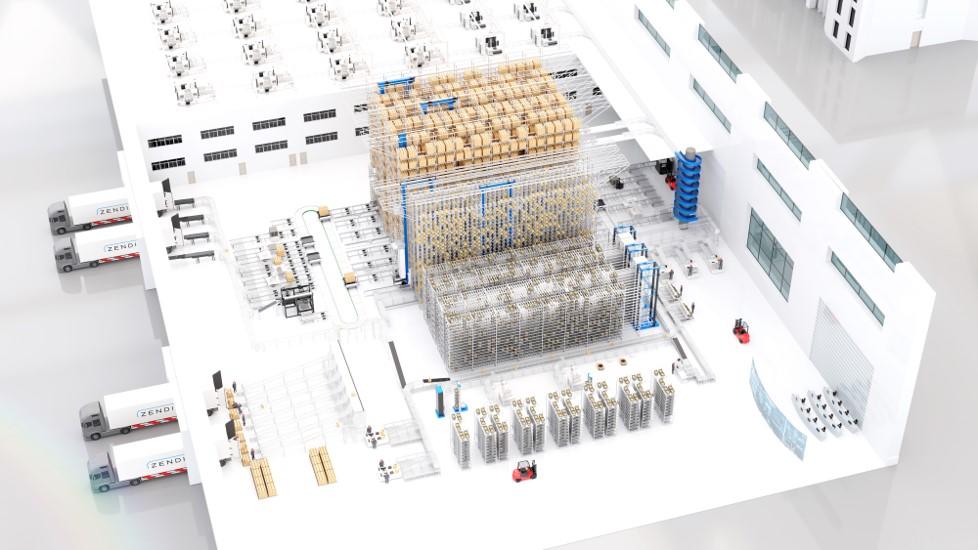
One-Stop Steward Service for the Entire Logistics System Integration Chain
Zhongding Intelligent (Wuxi) Technology Co., Ltd.
Industrial and Commercial Point-Type Gas Detector
Jinan Benan Technology Development Co., Ltd.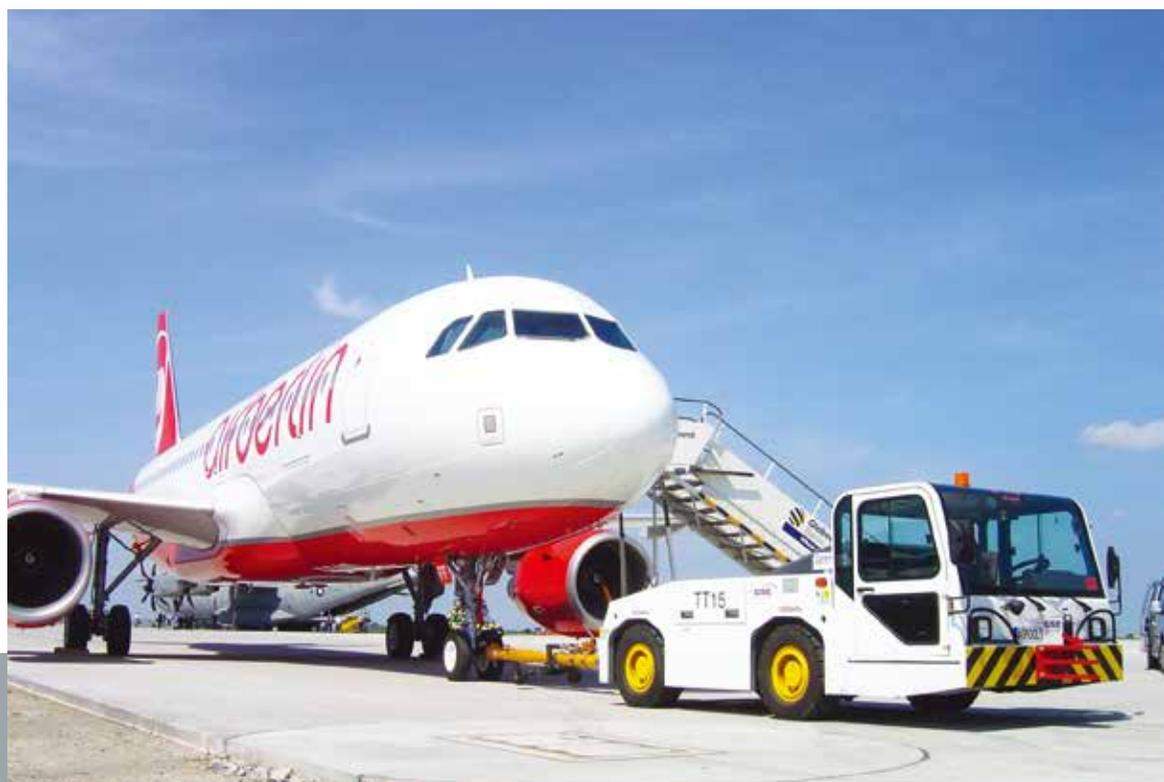
WGQY Series Aircraft Tow Tractor-WGQY15, WGQY27
Weihai Guangtai Airport Equipment Co., Ltd.
"Shunyi 1600" Deep-submerging Bottom-sitting Multi-functional Wind Power Engineering Vessel
Zhengli Offshore Engineering Co., Ltd.