Qcells Expands Partnership with Microsoft to Explore New Energy Capacity for AI Infrastructure
en.Wedoany.com Reported - Qcells recently announced the expansion of its existing partnership with Microsoft to explore pathways for pairing artificial intelligence (AI) infrastructure with new energy capacity. The collaboration aims to enable data centers to increase computing power without shifting electricity costs onto the communities where the facilities are located, while also supporting grid reliability. The partnership is part of Microsoft's "Community-First AI Infrastructure" initiative.
Under the proposed "Bring Your Own Capacity" (BYOC) model, Qcells will develop and build new energy capacity, with the electricity delivered either directly to Microsoft or to local utilities serving surrounding communities. Microsoft will fund the power needed for its operations, matching new data center demand with new energy resources. Qcells will leverage its expertise in energy development, engineering, procurement, construction, and grid coordination to bring these projects to fruition.
The two companies are also discussing a virtual power plant (VPP) solution that aggregates thousands of residential and commercial batteries into a single flexible energy resource. During peak demand periods, these batteries can supply power to the grid when utilities need it most; during off-peak hours, participating customers can use the batteries as usual while enjoying lower electricity bills and receiving compensation for supporting grid operations.
Qcells plans to prioritize income-eligible households for participation in the program, helping ensure that the economic benefits of AI infrastructure flow to the communities where it is built. Microsoft Fabric and Azure will serve as a unified data layer to enable secure, large-scale coordination of these distributed energy resources (DERs).
Andy Park, Global CEO of Qcells, stated that the partnership began with U.S.-manufactured solar manufacturing and construction, and the two companies are now exploring how to build the energy capacity AI requires while creating lasting value for communities sharing the grid.
The two companies' partnership began in 2023 with an agreement involving 2.5 gigawatts of U.S.-manufactured solar modules along with engineering, procurement, and construction (EPC) services. In 2024, they expanded the alliance to 12 gigawatts, making it the largest solar supply and EPC agreement of its kind. This new collaboration is seen as the next phase of the partnership.
Related Products

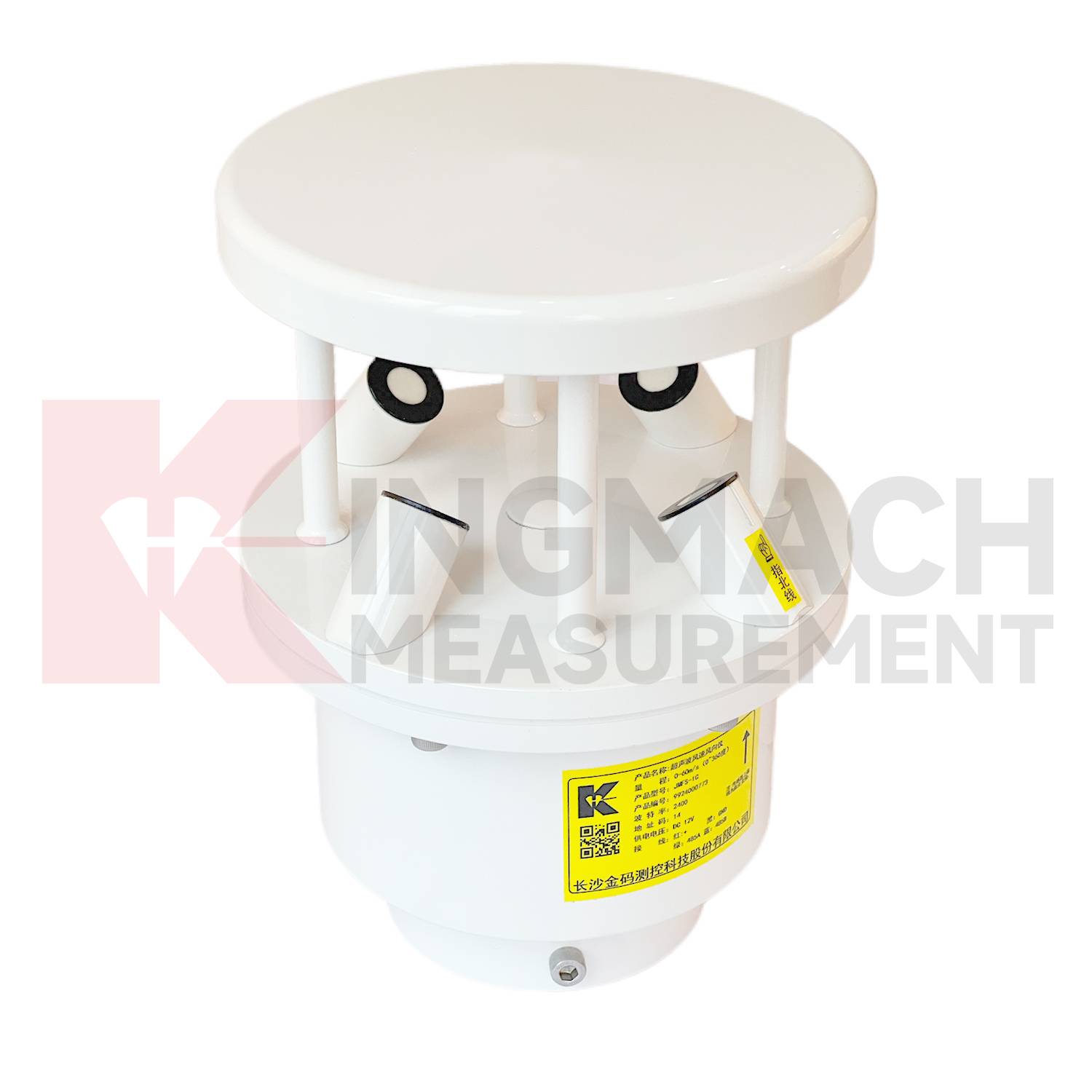
Ultrasonic Wind Speed and Direction Instrument
Kingmach Measurement & Monitoring Technology Co., Ltd.
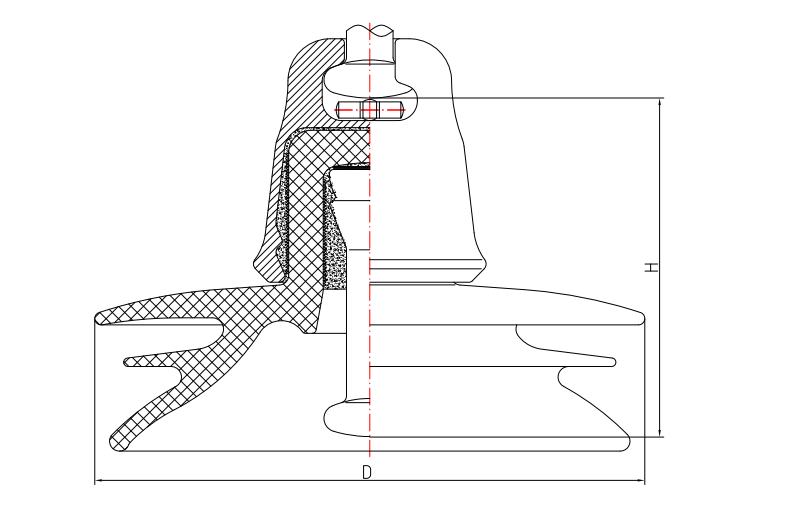
Post-type AC Pollution-resistant Disc Suspension Porcelain Insulator (Triple Umbrella Type)
Shandong High Voltage Insulator Co., Ltd.
IGBT Hydrogen Production Power Supply - High Power Air Cooling
Beijing Zhengzhuo Engineering Technology Co., Ltd.