NWSA Container Throughput Down 4.2% Year-over-Year in July 2026
en.Wedoany.com Reported - According to statistics released by the Northwest Seaport Alliance (NWSA), the alliance's total container throughput in July 2026 reached 239,220 TEU, down 4.2% compared to the same period in 2025. Among this, loaded import containers decreased by 11.6% year-over-year, while loaded export containers remained essentially flat compared to the same month last year.
As of the end of July, NWSA's year-to-date total throughput accumulated to 1,672,744 TEU, a decrease of 11.3% year-over-year. By cargo type, loaded import containers fell 13.7% cumulatively, while loaded export containers declined 1.1% cumulatively. The above year-over-year declines are primarily attributed to the high baseline established in 2025, when shippers front-loaded shipments ahead of anticipated tariff adjustments.
Despite the overall downward trend, loaded export containers have shown a degree of resilience: year-to-date cumulative throughput is 2.6% higher than the five-year average. In terms of domestic container volume, year-to-date figures are down 0.8% compared to the same period in 2025, with the Alaska route declining 0.4% and the Hawaii route falling 2.6%.
Breakbulk cargo emerged as a highlight for the period, with year-to-date cumulative volume reaching 249,622 metric tons, up 19.2% year-over-year, supported primarily by sustained strong industrial demand. Automobile volume totaled 161,743 units year-to-date, down 4.9%, as tariff factors continue to impact this category.
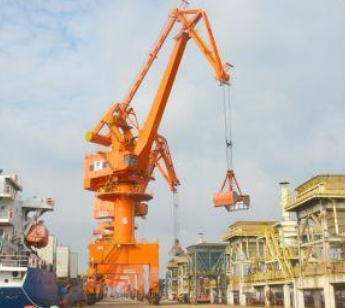
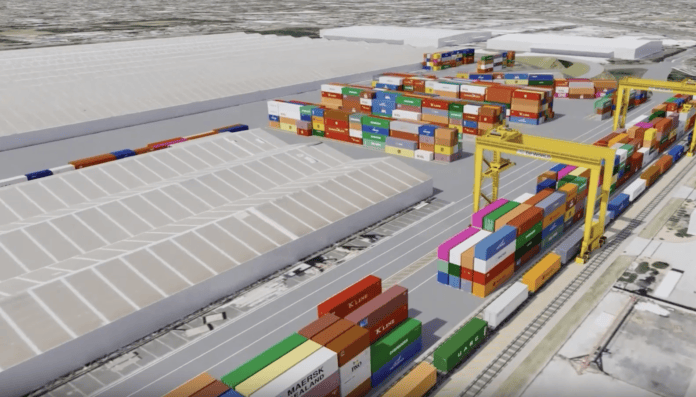
On the port infrastructure front, HMM has announced an investment in Washington United Terminals, increasing the terminal's annual cargo handling capacity from approximately 590,000 TEU to 880,000 TEU, an increase of nearly 50%. The investment involves replacing two aging cranes and adding two new rubber-tired gantry cranes, with equipment delivery and commissioning expected to be completed by 2028.
Upon completion of the upgrade, the terminal will be capable of handling larger container vessels, helping to improve cargo flow efficiency and enhance overall operational productivity. This initiative also strengthens NWSA's service capacity to handle growing trade volumes and reflects the necessity of collaboration among shipping lines, terminal operators, labor, and supply chain stakeholders in advancing the modernization of critical maritime terminal infrastructure.
Related Products
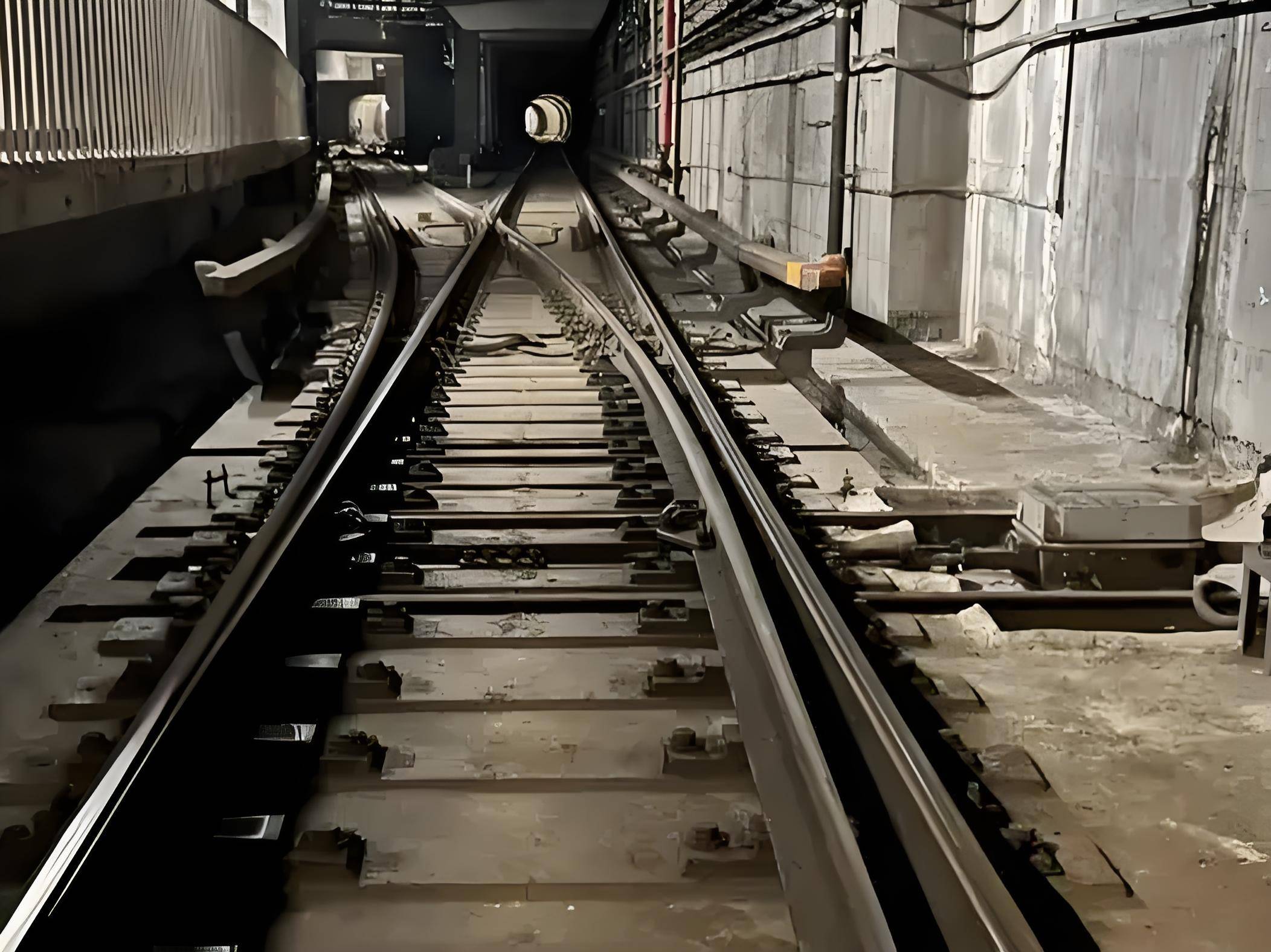


Pantograph-Catenary Comprehensive Detection Device (1C)
CHENGDU TANGYUAN ELECTRIC CO., LTD.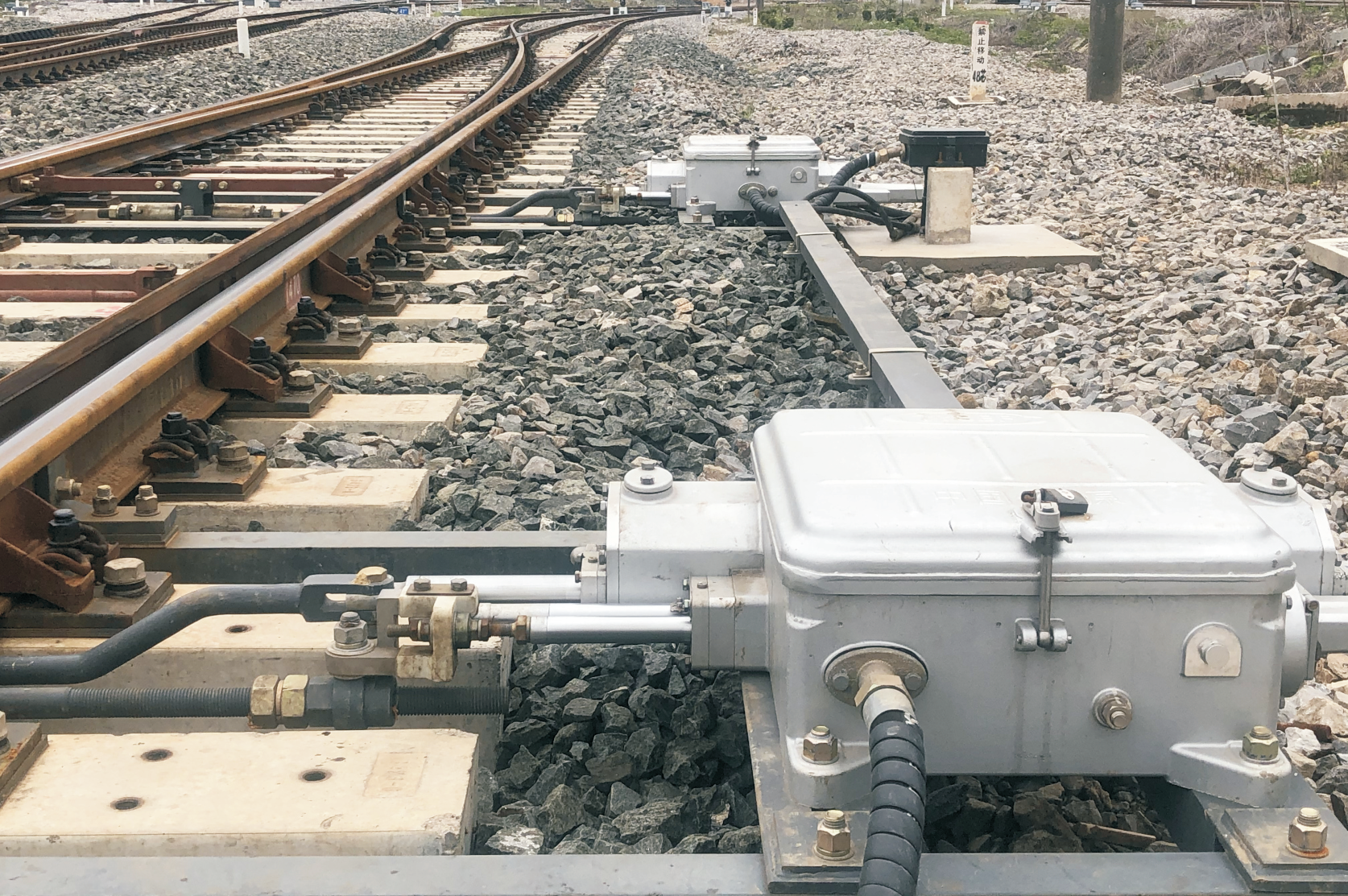
ZY(J)7(M) Sealed Type Electro-Hydraulic Turnout Machine
TAIYUAN CR JINGFENG EQUIPMENT TECHNOLOGY CO., LTD.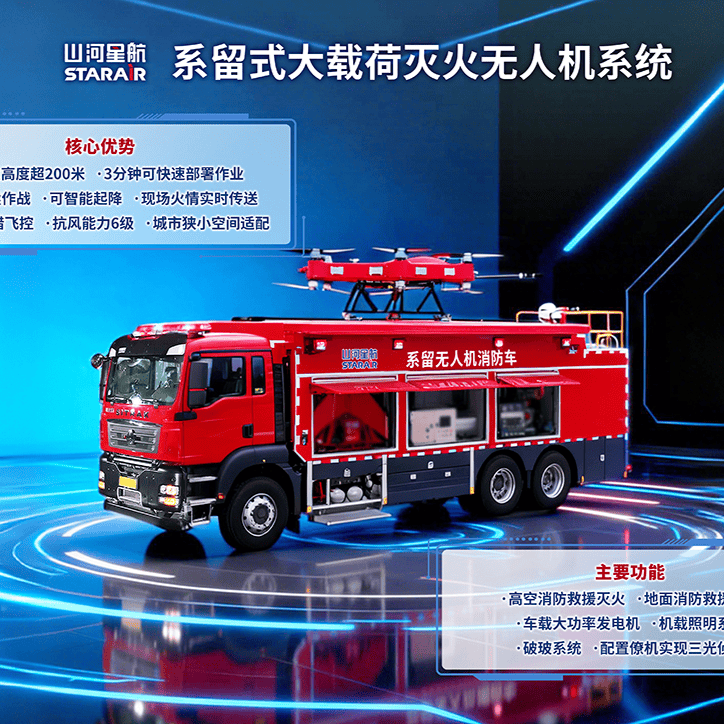

Wheel and Track Technology Business
Beijing Research & Design Institute of Rubber Industry Co., Ltd.

ERW Welded Pipe (Black Pipe and Hot-dip Galvanized Steel Pipe)
Handan Zhengda Steel Pipe Co., Ltd.
D12 Humanoid Robot
Automation Research Institute Co., Ltd. of China South Industries Group Corporation