Panama Canal Restricts Transits in August, US East Coast Route Rates Rise to $9,507
en.Wedoany.com Reported - The Panama Canal is tightening operational restrictions due to low water levels and rising transport demand, with waiting times for vessels without reservations now extended to 8-10 days. Jon Monroe, a maritime, port, and logistics industry analyst, stated that recent droughts have forced the Panama Canal Authority (ACP) to rely more heavily on the available water in Gatun Lake, and the impacts of the El Niño climate pattern have also prompted authorities to implement restrictions.
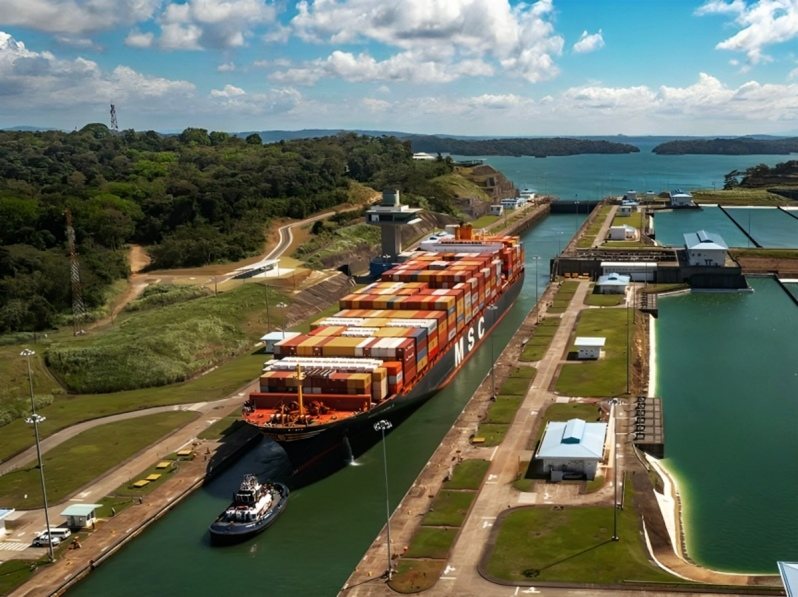
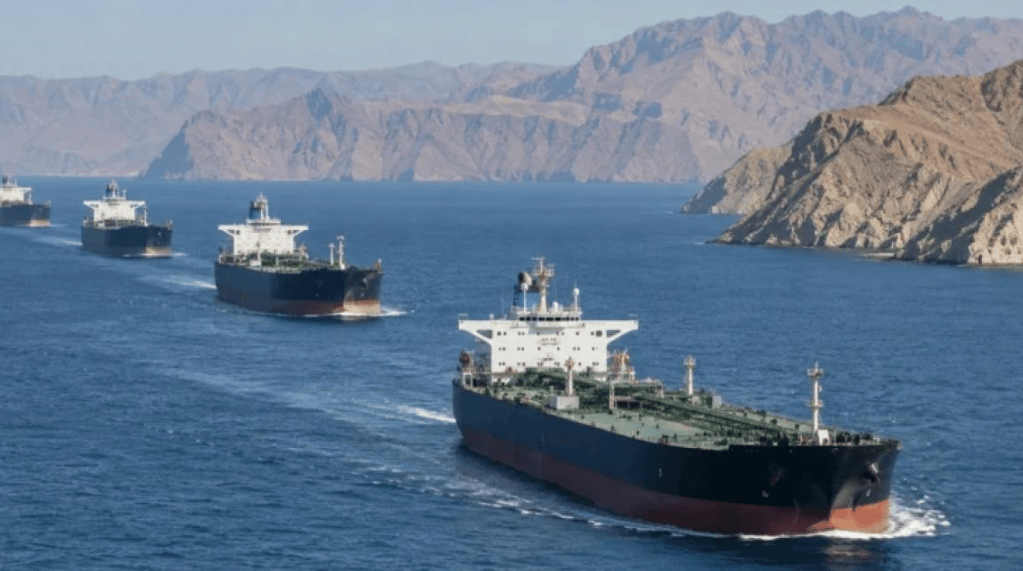
This situation is compounded by transit difficulties on other strategic routes. Transit volumes through the Bab el-Mandeb Strait—a key gateway to the Red Sea and the Suez Canal—have declined, while the Strait of Hormuz is nearly closed, leading some vessels to reroute via the Suez Canal and the Panama Canal. Meanwhile, the relocation of factories to Southeast Asia and the Indian subcontinent is reshaping cargo flow patterns from China's west coast to U.S. East Coast (USEC) ports, further intensifying pressure on the Panama Canal.
Monroe noted that as factories move to Southeast Asia and the Indian subcontinent, the Panama Canal's importance continues to grow, with shipping lines increasing port calls in these two regions and a corresponding rise in the number of vessels queuing for transit. He expects congestion to worsen before it eases, especially given that the ACP has already implemented draft restrictions, and he believes the effects of El Niño are expected to deteriorate further until mid-2027.
Pressure on the US East Coast route is already reflected in freight rates. According to Drewry data, spot rates from Shanghai to New York rose 9% week-on-week to $9,507/FEU. The consultancy expects rates to remain stable over the coming week due to tightening available capacity. Additionally, several shipping lines have announced new surcharges on routes from Asia to the U.S. East Coast and the Gulf of Mexico, linked to Panama Canal transit restrictions, which will take effect in September and could add further upward pressure on freight rates.
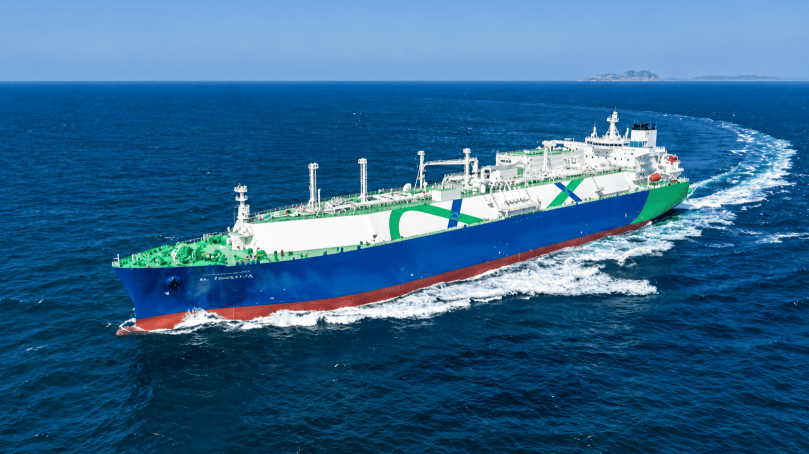
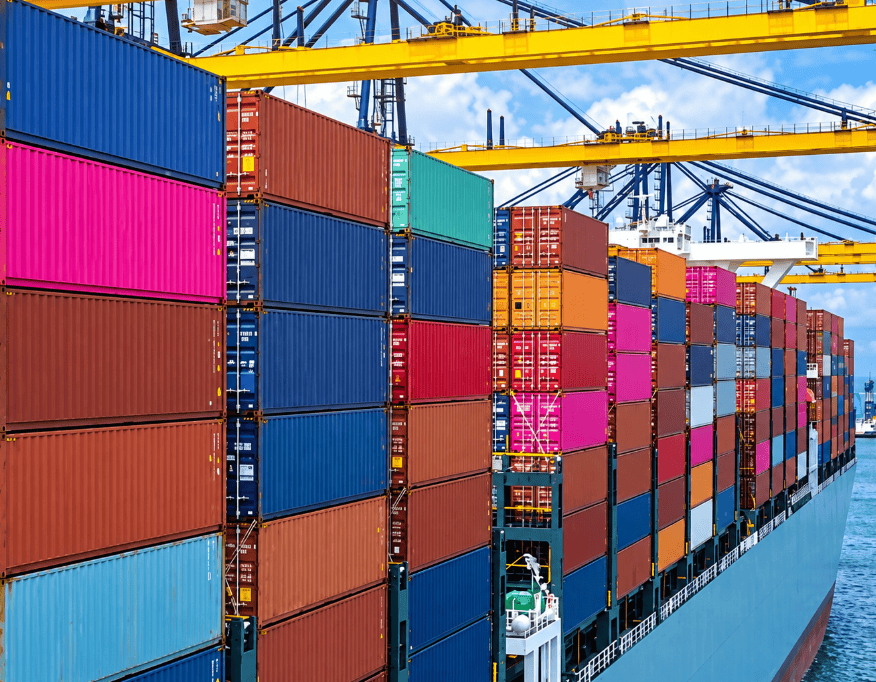
The tight transit situation has also prompted operators to adopt more aggressive strategies to secure passage. Monroe stated that some vessels without reservations have bid $1 million to move up the queue, and Ocean Network Express (ONE) recently paid $4 million for the transit of the "Seaspan Benefactor" (a container ship with a capacity of 10,100 TEU). Transit fees depend on factors such as vessel size and the number of laden containers carried. Monroe cited an example where an 8,000 TEU vessel carrying 6,000 TEU of cargo would incur a transit fee of approximately $596,000, including a fixed charge of $60,000 and $536,000 related to the containers loaded.
The Panama Canal currently operates two sets of locks, serving Panamax and Neo-Panamax vessels, with the latter capable of exceeding 32.61 meters in beam and 294.44 meters in length. Panamax vessels with drafts exceeding the lock-set limits may also be classified into a higher rate category. According to data provided by Monroe, the ACP's scheduling plan on August 12 recorded 78 vessels, 19 of which were Neo-Panamax ships, with the backlog of delays estimated between 121 and 126 vessels.
Monroe believes the Panama Canal has become a critical bottleneck for cargo destined for the U.S. East Coast, a situation that could intensify further as shipments from Southeast Asia and the Indian subcontinent increase and water levels continue to decline. He warned that Panama's restrictions, combined with difficulties at the Suez Canal and the Strait of Hormuz, will keep freight rates elevated, and stated that benchmark rates—whether contract rates or all-inclusive FAK rates—will trend higher over time as 2027 approaches.
Related Products
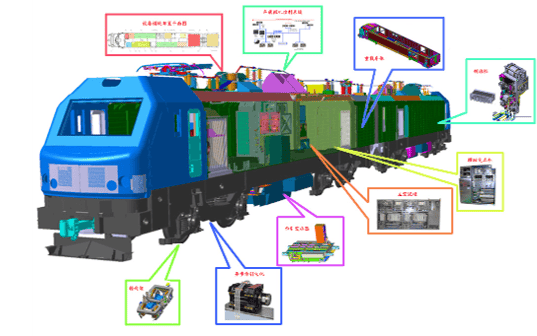


Wheel and Track Technology Business
Beijing Research & Design Institute of Rubber Industry Co., Ltd.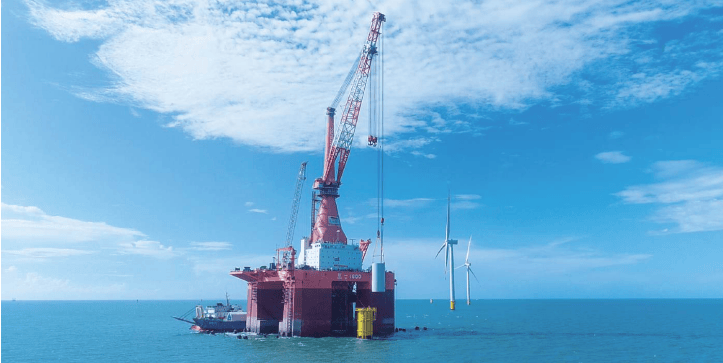
"Shunyi 1600" Deep-submerging Bottom-sitting Multi-functional Wind Power Engineering Vessel
Zhengli Offshore Engineering Co., Ltd.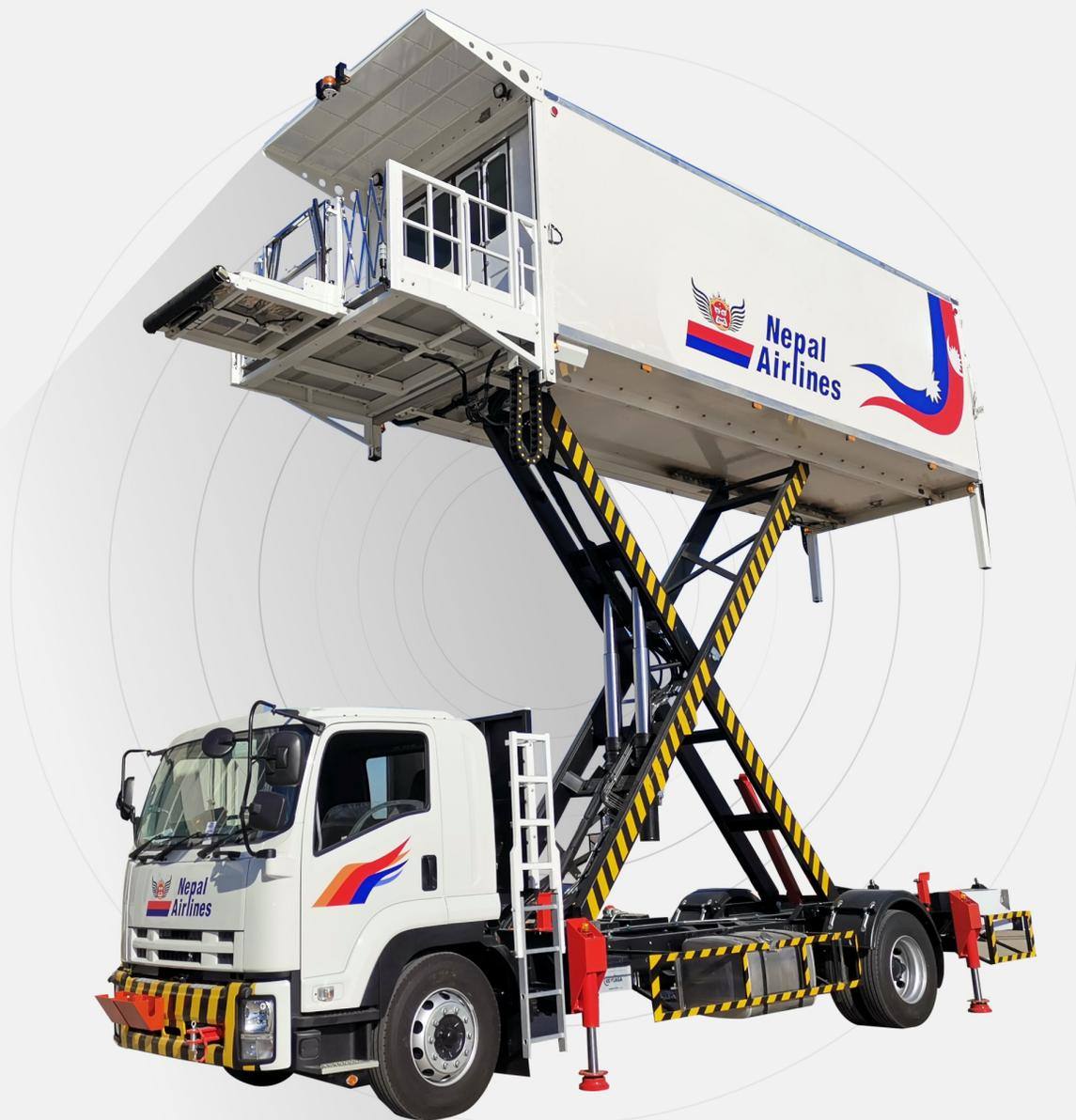
XC-6000e Type Aviation Catering Truck (Fuel Type)
Shenzhen CIMC-TianDa Airport Support Ltd.

![IVECO Cash-in-Transit [DMT5048XYCL3-AM] - Chongqing Dima Industry Co., Ltd](https://img.wedoany.com/2026/0911/20260911030157582.png)

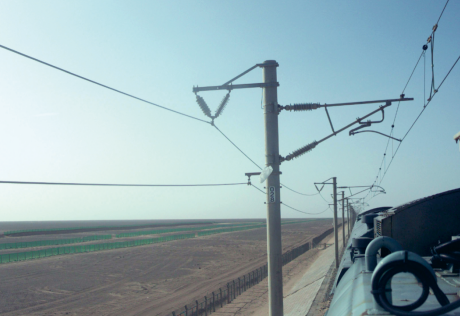
Pantograph-Catenary Comprehensive Detection Device (1C)
CHENGDU TANGYUAN ELECTRIC CO., LTD.

CLW5180TXSD6 Dongfeng Tianjin Washing and Sweeping Truck
ChengLi Special Automobile Co., Ltd.