California High-Speed Rail Train Procurement Rules Adjusted, Initial Trains No Longer Subject to "Buy America" Requirements
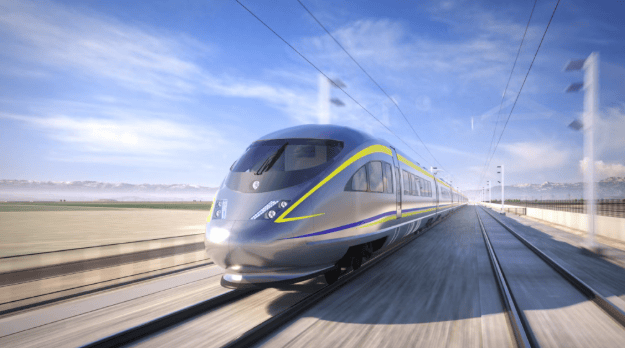
en.Wedoany.com Reported - On August 24, the California High-Speed Rail Authority (CHSRA) issued a revised procurement notice for train sets, stating that the initial trains will no longer be subject to the "Buy America" provisions, with the base procurement quantity reduced from six trains to three, plus an option for 19 additional trains. The notice also requires that the initial trains be delivered to the Central Valley and ready for dynamic testing by February 2030.
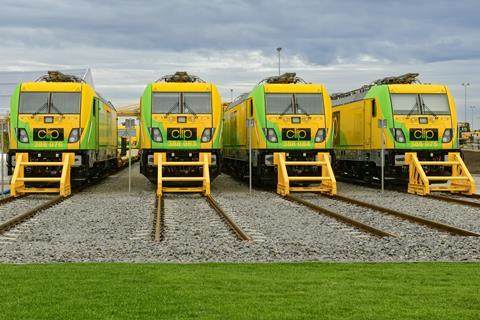
The "Buy America" provisions are tied to federal funding, but the Federal Railroad Administration (FRA) revoked approximately $4 billion in grants in July 2025 citing procurement delays, rendering the provisions inapplicable. Previously, the FRA had determined that components such as car bodies, signaling systems, and switches could not be supplied by U.S. domestic manufacturers, approving the use of non-U.S.-made parts. Alstom and Siemens Mobility remain the shortlisted suppliers, with Alstom operating a manufacturing facility in Hornell, New York, and Siemens Mobility establishing a production site in Masholds, New York, though the notice did not specify the final assembly location.
The train procurement has faced repeated delays since its launch in August 2023. In August 2023, CHSRA initiated the procurement process for six electric multiple-unit trains capable of traveling at 220 miles per hour (approximately 354 kilometers per hour) and issued a request for qualifications. Alstom and Siemens Mobility passed the prequalification, and the contract was expected to be signed by the end of 2024 but was not finalized. In July 2025, the FRA revoked approximately $4 billion in federal funding on these grounds, which California Governor Gavin Newsom called "political retaliation." The state government filed a lawsuit and committed in court documents to signing the contract by December 1, 2025, a deadline that was also missed.
The Office of the Project Inspector General simultaneously warned that without new funding sources, existing project funds could be exhausted as early as December 2027, with a funding shortfall of $9.5 billion projected over the next five years. If the gap were bridged through borrowing, interest costs are expected to add $3.6 billion to $6.6 billion, not included in official cost estimates. CHSRA also proposed shortening the Merced–Bakersfield segment and relocating the Merced station site, but the Inspector General noted that such measures could disrupt transfers with Amtrak and the Altamont Corridor Express, and the initial operating segment's opening window has already been pushed back to September 2034.
In terms of stakeholder responses, the chairs of transportation-related committees in the California State Legislature stated they were unaware of the procurement changes beforehand and demanded explanations from CHSRA, with some lawmakers criticizing the project for wasting billions of dollars. CHSRA's CEO attributed the delays to regulatory requirements such as California's environmental review processes, arguing that stricter oversight has extended construction timelines, and lobbied legislators for exemptions for the project. Some lawmakers acknowledged excessive regulation but opposed making an exception for this project, noting that costs have surged from the initial $33 billion promised to voters to over $200 billion (CHSRA states that after reassessment, the project cost is $126.3 billion).
Related Products

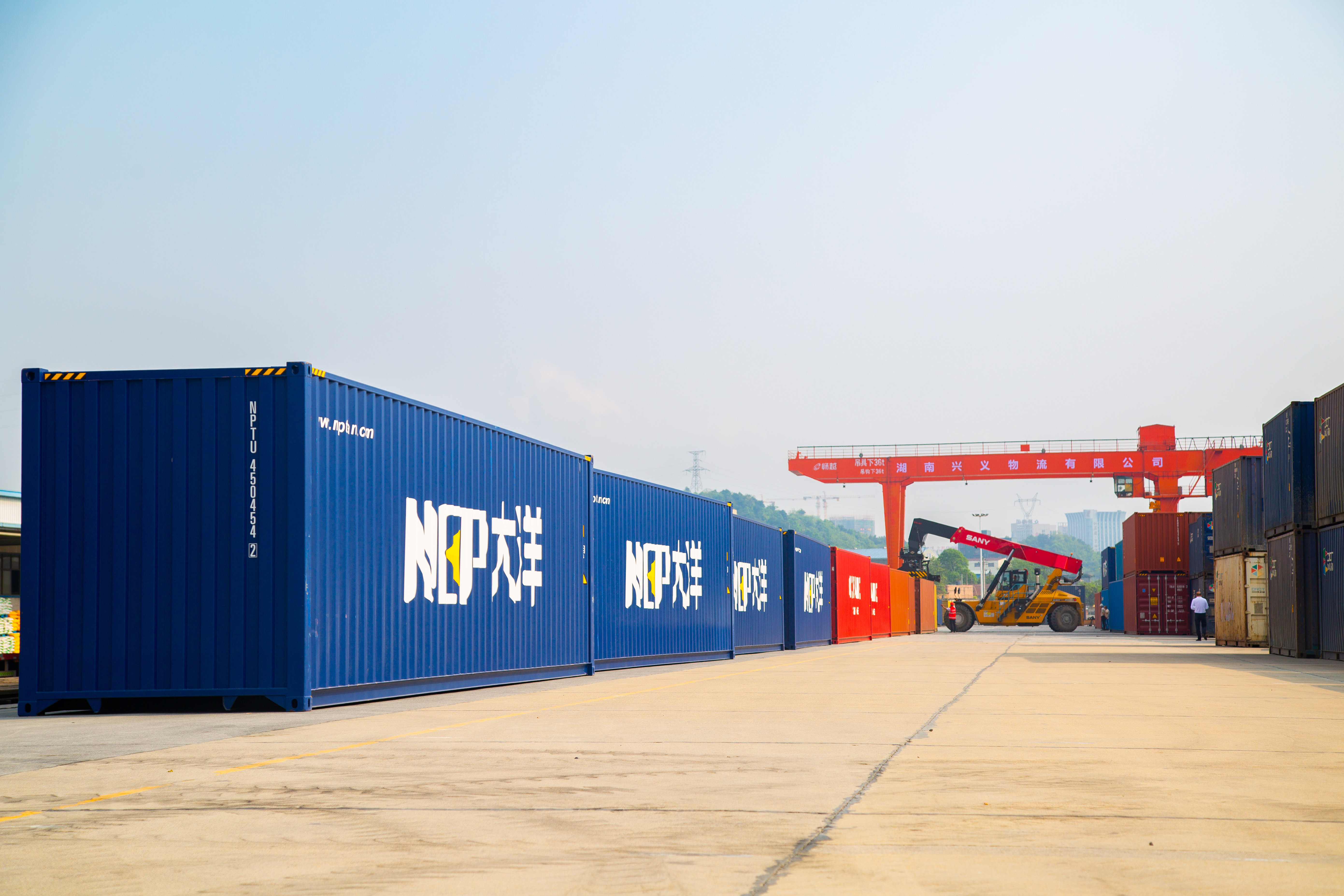
China - Alashankou/Khorgos - Europe Full Range Transportation (Mala/Hamburg/Duisburg/Budapest, etc.)
Shenzhen Neptune Logistics Co., Ltd.
Wheel and Track Technology Business
Beijing Research & Design Institute of Rubber Industry Co., Ltd.
Explosion-proof lithium battery dispatching monorail crane locomotive (permanent magnet frequency conversion integrated machine)
Xiangtan Hengxin Industrial Co., Ltd.
XC-6000e Type Aviation Catering Truck (Fuel Type)
Shenzhen CIMC-TianDa Airport Support Ltd.