TotalEnergies says round-trip Hormuz oil shipping costs reach $20 million
en.Wedoany.com Reported - On August 24, TotalEnergies CEO Patrick Pouyanné said at the ONS 2026 energy conference in Stavanger, Norway, that the company is still shipping crude oil from Iraq and Qatar through the Strait of Hormuz. At current freight rates and risk costs, a very large crude carrier with a capacity of about 2 million barrels costs approximately $20 million for a round trip through the Strait of Hormuz, adding about $10 per barrel to shipping costs.
Pouyanné said some Middle Eastern producers are currently selling crude at $50 to $60 per barrel, while Brent crude futures were above $90 per barrel on August 24. The discount on crude covers the increased vessel charter, insurance, and security costs, but carriers still need to find shipowners willing to enter the waterway. S&P Global added that the $20 million figure represents the combined shipping cost for a tanker to transit the strait and return, excluding transit fees paid to Iran.
Refined product shipping faces higher costs. Since refined products are typically transported on smaller tankers, the additional shipping cost of transiting the Strait of Hormuz is about $50 per barrel, and existing price spreads are insufficient to cover the related expenses. The differences between crude and refined products in vessel type, capacity, and unit shipping costs have led to a divergence in the shipping capacity of the two cargo types through the strait.
TotalEnergies plans to participate in a new oil pipeline connecting Baghdad and Syria, and to invest in expanding the UAE's Habshan-Fujairah pipeline. The latter currently has a maximum capacity of about 1.8 million barrels per day, allowing crude to be delivered directly to the Fujairah export terminal outside the Strait of Hormuz; the UAE plans to double the pipeline's export capacity by 2027.
According to data from the International Energy Agency, an average of about 20 million barrels of crude oil and petroleum products transited the Strait of Hormuz per day in 2025, accounting for approximately 25% of global seaborne oil trade; the Middle East's existing alternative pipeline capacity bypassing the strait is about 3.5 million to 5.5 million barrels per day.
Related Products


GW4-40.5/72.5/126/145/170/252/363/420 Series Double-column Horizontal Rotary High-voltage AC Disconnect Switch
SHANDONG TAIKAI DISCONNECTORS CO., LTD.
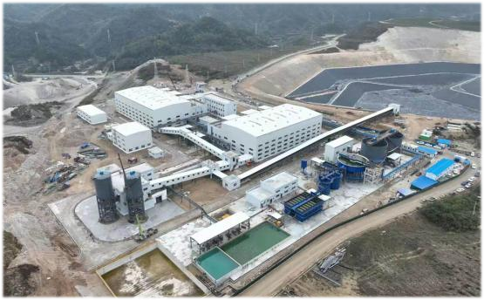
Yingping Mining Section Open-pit Tailings Backfill Treatment of Goaf Ecological Restoration EPC Project
China Bluestar Lehigh Engineering Corporation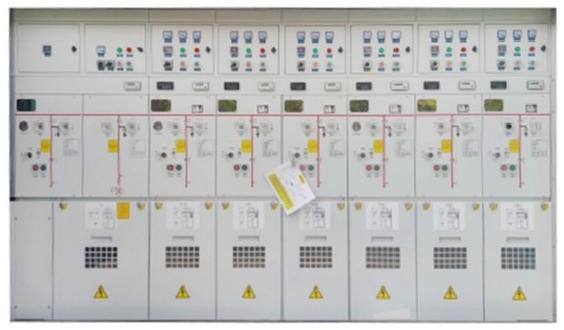
NISELA Series Environmentally Friendly Gas-Insulated Ring Main Unit
XJ DELISHIER ELECTRIC CO., LTD.
1000kV Jin Southeast-Nanyang-Jingmen UHV AC Transmission and Transformation Pilot Demonstration Project
Anhui Hongyuan Steel Tower Co., Ltd.