University of Jaén Study: Amorphous Silicon Semi-Transparent Solar Panels Reduce Greenhouse Water Demand by Over 60%
en.Wedoany.com Reported - A study by the University of Jaén (Universidad de Jaén, UJA) in Spain has confirmed that integrating semi-transparent solar panels into greenhouses can generate electricity while reducing indoor temperatures and crop water demand. The project, funded by the Department of University, Industry, Energy and Innovation of the Regional Government of Andalusia (Consejería de Universidad, Industria, Energía e Innovación de la Junta de Andalucía), verified the regulatory effect of this type of photovoltaic covering on greenhouse microclimate through comparative experiments.
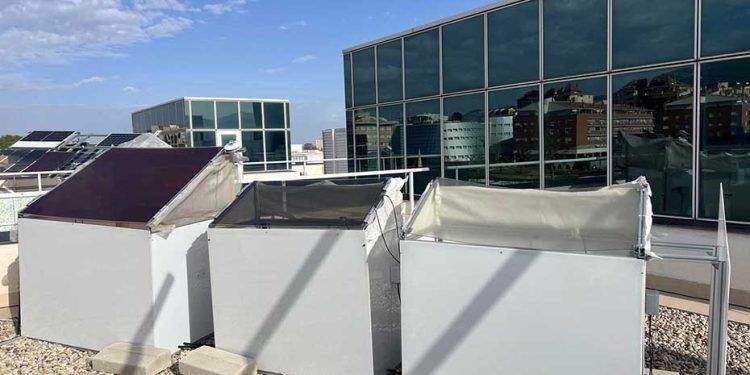
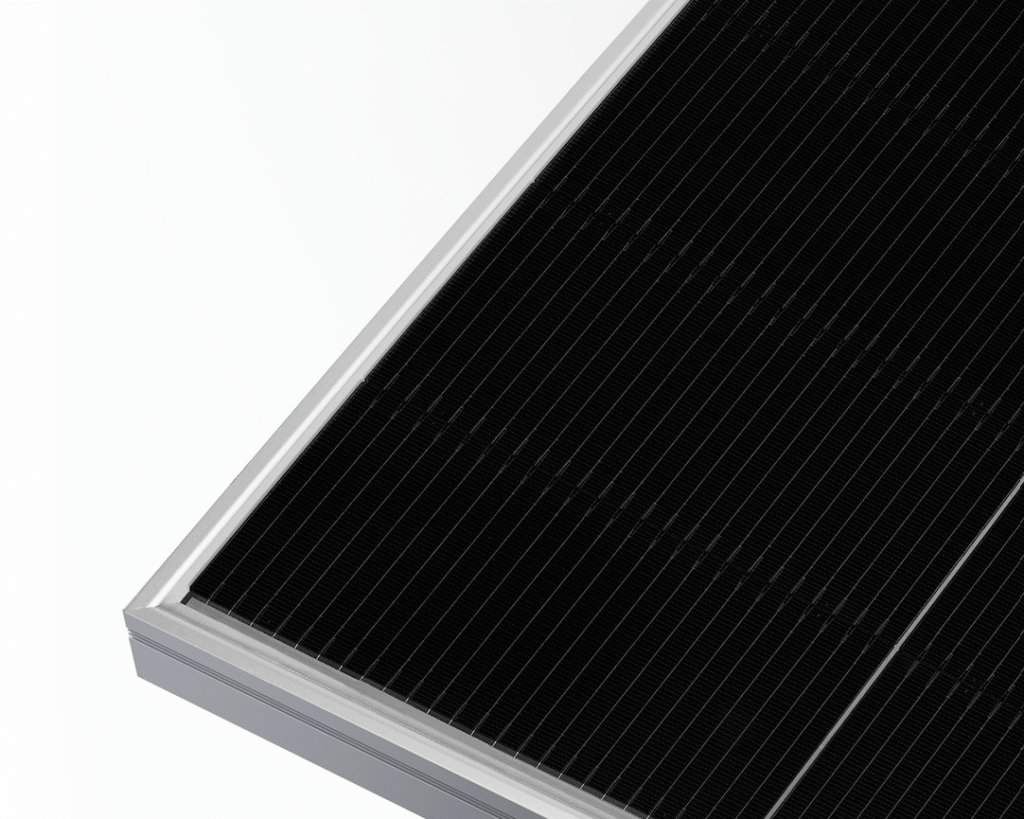
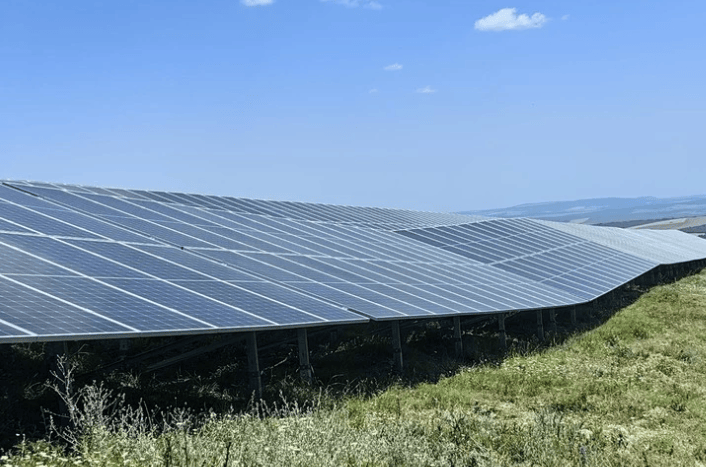
Agrivoltaics uses the same piece of land for both crop cultivation and photovoltaic power generation, applicable to both open-field farmland and greenhouse facilities. However, there is a trade-off between the light radiation required for plant growth and that required for photovoltaic power generation. The researchers compared two types of commercial semi-transparent photovoltaic panels: one based on cadmium telluride material, which transmits 50% of the solar radiation reaching the panel, and another based on amorphous silicon material, with a transmittance of only 20%.
To test real-world performance, the team built two experimental greenhouses, each with an area of two square meters, to accommodate the solar panel dimensions, and also constructed a control greenhouse of the same size with a transparent covering. Over the course of one year, they completed five cycles of tomato and lettuce cultivation, focusing on monitoring the impact of the photovoltaic modules on the plant growing environment.
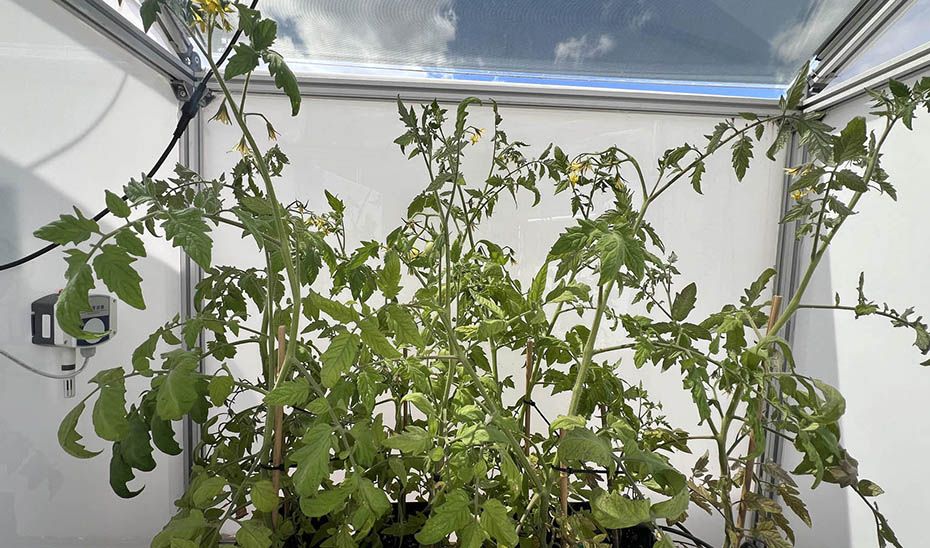
The results showed that peak temperatures inside the prototype greenhouses dropped by up to five degrees Celsius, while relative humidity increased, helping protect crops from extreme heat and consequently reducing crop irrigation needs. Alejandro Cruz, co-author of the study and researcher at the University of Jaén, stated that this translates into reduced water consumption and associated economic costs, while the electricity generated by the photovoltaic modules provides greenhouse owners with a second source of income and simultaneously lowers the greenhouse's own maintenance costs.
The prototype greenhouses were equipped with monitoring systems that recorded every five minutes the quantity and type of light passing through the panels, air and soil temperature and humidity, carbon dioxide concentration, and module power output. The experts found that although both types of panels reduced the radiation reaching the crops, the cadmium telluride modules allowed blue and red light wavelengths to pass through more easily, with red light being the wavelength plants utilize most efficiently for photosynthesis. Jesús Montes, co-author of the study and researcher at the University of Jaén, explained that plants typically use small amounts of blue and green light, but most importantly red light, and it is precisely red light that the cadmium telluride modules transmit the most, which is therefore beneficial to crop growth despite the overall reduction in light reaching the plants.
The photovoltaic modules, by creating a cooler and more humid environment, reduced the tendency of the substrate and plants to lose water through evaporation. The researchers estimated that, compared to the transparent control greenhouse, this reduction was 31% when using cadmium telluride panels and over 60% when using amorphous silicon panels.
The researchers noted that the trials were conducted in Jaén, whose semi-arid climate, low humidity, and extremely high summer temperatures are very similar to those of the Almería region, and therefore the results can be extrapolated to areas worldwide known for plastic greenhouse agriculture.
Related Products
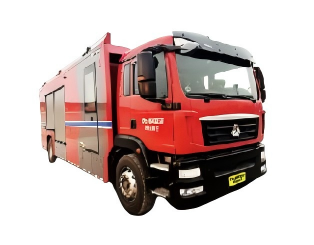

Modular Multifunctional Water Supply and Drainage Vehicle (18T)
Changsha Dewater Machinery Technology Co., Ltd.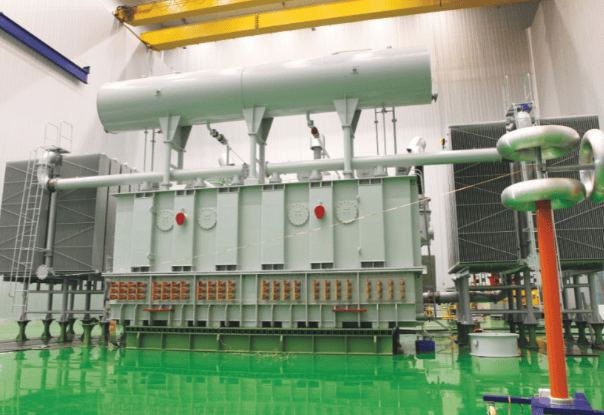
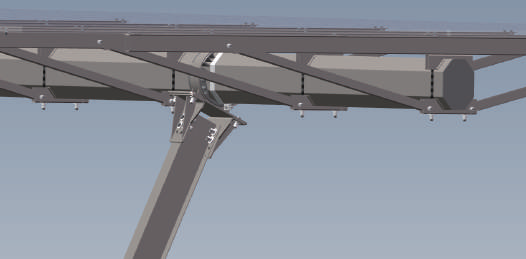
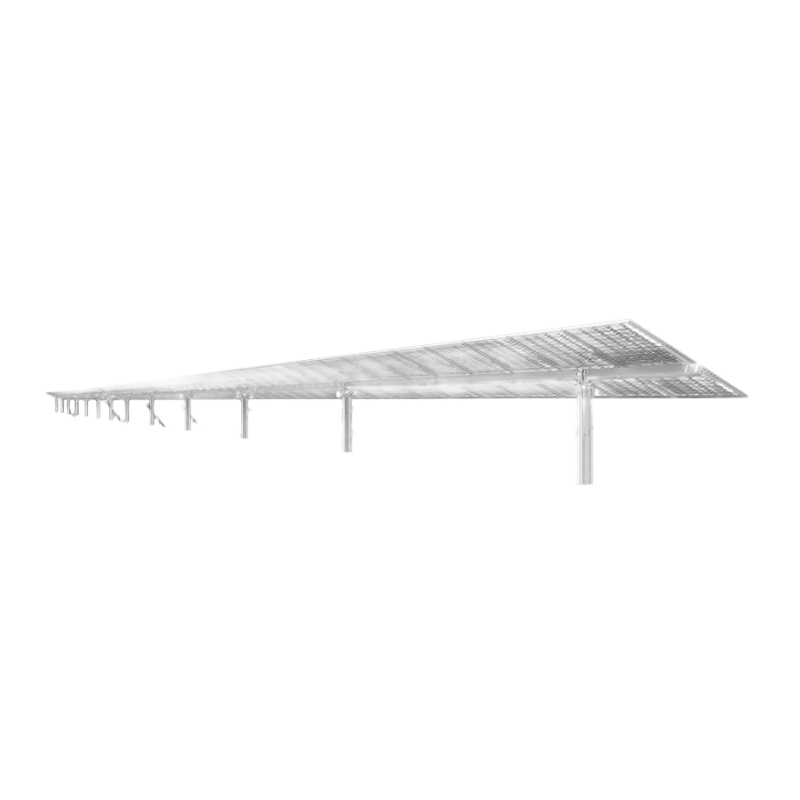
TAI Slew-drive Single-axis Independent 1P Tracking Bracket System
ANTAI TECHNOLOGY CO., LTD.
Forest and Grassland Heat Source Infrared Monitor
China Huayun Meteorological Technology Group Co., Ltd.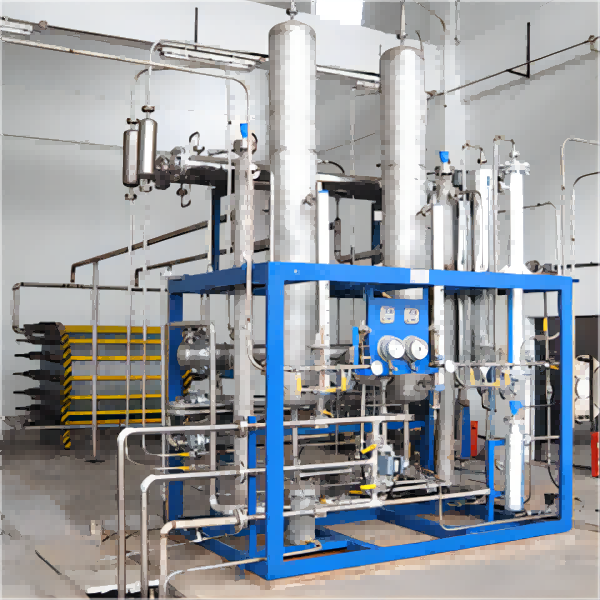
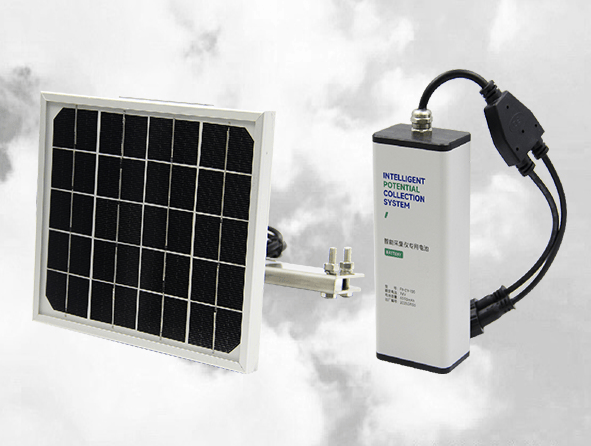
Inductive Power Harvesting Self-Powered Device - Safuneng
SELF ENERGY TECHNOLOGY (SHENZHEN) CO., LTD.

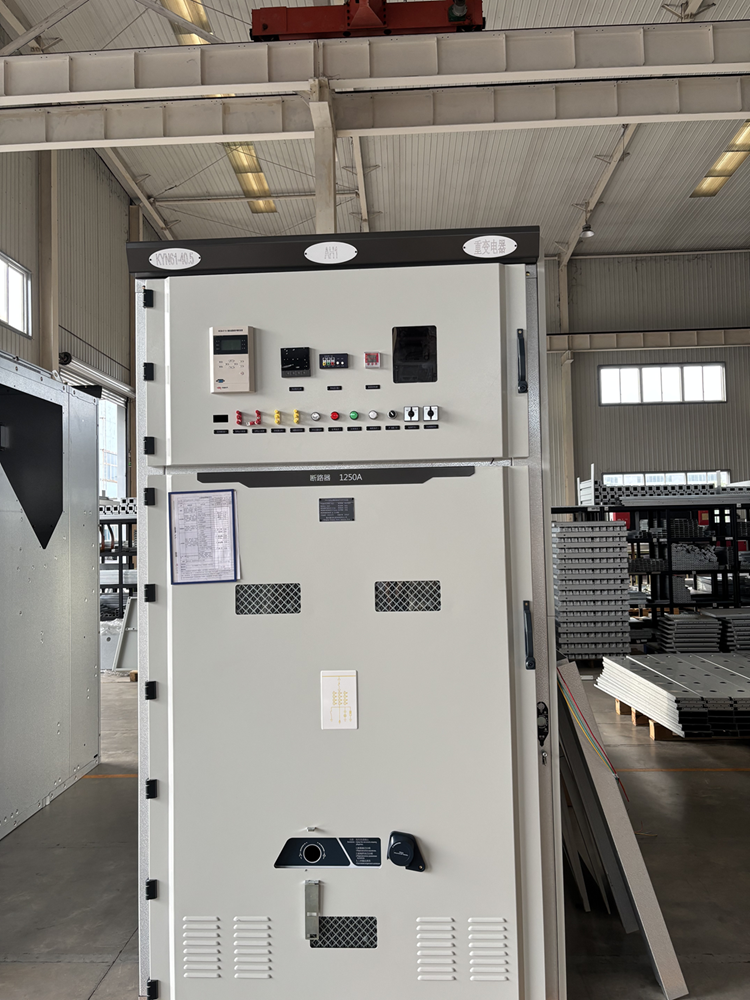
KYN61-40.5 Indoor AC Metal-clad Removable Switchgear
Chongqing Transformer Co., Ltd.