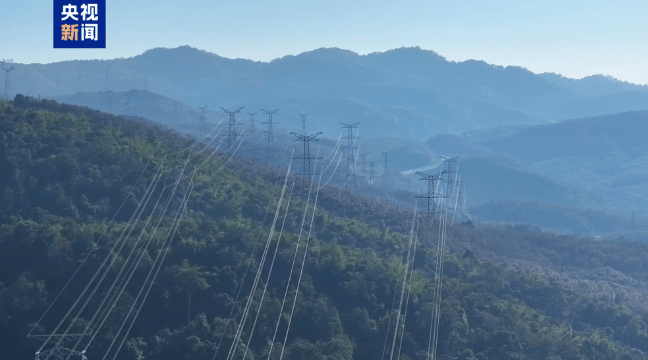
August Heat Forces Nuclear Output Cuts Across Multiple Countries, French Power Price Hits Year High of €177/MWh
en.Wedoany.com Reported - Extreme heat is triggering a chain reaction across European power systems simultaneously: cooling demand is pushing up electricity loads, while rising river water temperatures and low water levels are forcing multiple nuclear reactors to reduce output or shut down, driving up power prices in Spain, France, and Germany.
According to data from Spain's State Meteorological Agency (AEMET), June temperatures were 3.2°C above the historical average, making it the second hottest June on record; July's average temperature of 25.7°C was 2.6°C above normal, tying with July 2022 as Spain's hottest month on record. The MoMo system at the Carlos III Health Institute (Instituto de Salud Carlos III) estimates that approximately 3,450 deaths since June can be attributed to high temperatures, with over 2,000 of these occurring in July. The World Health Organization (WHO) considers the 2026 heatwaves a major risk to public health in Europe and warns that extreme weather events are becoming more frequent, intense, and prolonged.
The impact of high temperatures on generation capacity varies depending on the characteristics of each country's system. In France, rising river water temperatures and low flow rates in some stretches have led reactors at the Bugey, Golfech, Tricastin, Chooz, and Saint-Alban nuclear power plants to reduce output or temporarily shut down to comply with environmental limits on cooling water temperatures.
In southeastern Europe, the Danube River's water level has continued to decline significantly. Romania's Nuclearelectrica initiated a controlled shutdown of Unit 2 at the Cernavodă nuclear power plant on August 13; Hungary's Paks nuclear power plant has substantially cut generation due to abnormally low Danube water levels and has taken extraordinary measures to secure cooling water supply and avoid a complete shutdown.
Italy presents the flip side of the same phenomenon. Data from Italian power system operator TERNA shows that Italy's electricity demand reached 32.5 terawatt-hours (TWh) in July, a record high for that month, up 8.3% from July 2025; a peak annual demand of approximately 58 gigawatts (GW) was recorded on July 15. TERNA attributes a major share of the demand growth to abnormally high temperatures.
When high temperatures simultaneously boost demand and constrain the availability of certain technologies, the impact quickly transmits to power markets. Spain's average day-ahead market price in July was €104.75 per megawatt-hour (€/MWh), up 51% from June and 50% from July 2025; during the peak of the heatwave on July 23, prices exceeded €255/MWh between 21:00 and 22:00. The phenomenon of weakened wind accompanying heatwaves, known as "heatflaute," is especially pronounced in the evening and early night hours when solar output fades and cooling demand remains high, amplifying intraday price volatility.
High temperatures are not the only driver. Against the backdrop of the Strait of Hormuz crisis, rising natural gas prices are also pushing up power prices. On August 17, France's day-ahead power price reached €177.35/MWh, the highest so far this year; Germany's reached €176.73/MWh, the third highest of 2026. This price spike comes in summer, with frequent constraints on French nuclear generation and weak German wind output, both factors having pressured prices in the preceding days of the month.
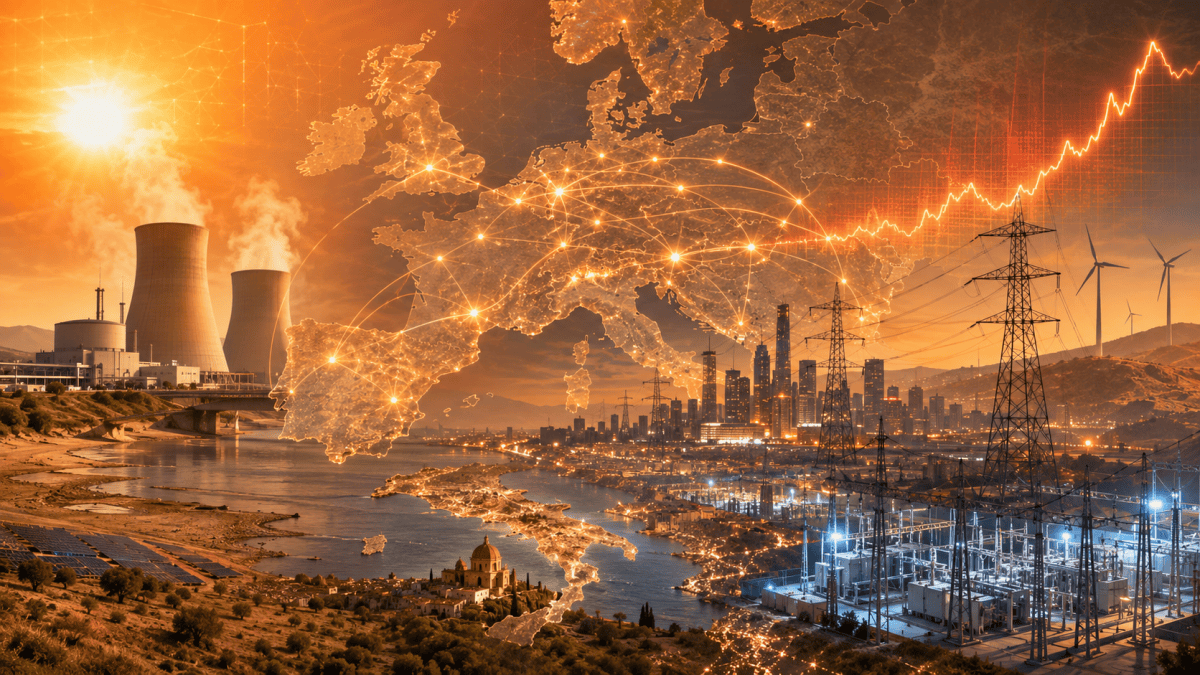
European power markets are interconnected, but their responses to extreme temperature events differ markedly. Generation mix, interconnection availability, demand sensitivity to temperature, renewable generation output, water resource availability, and environmental limits together determine how impacts transmit across national markets. The same heatwave manifests as record demand in Italy, nuclear constraints in France, Romania, and Hungary, and sharp price volatility in Spain, France, and Germany.
The summer "heatflaute" and its winter counterpart "dunkelflaute" are becoming recurring challenges for Europe's power system: as climate patterns become more extreme and harder to predict, the share of weather-dependent renewables in the generation mix becomes critical. For companies operating across multiple markets, analyzing a single country in isolation yields an incomplete picture—changes in one market can alter power exchanges, generation availability, and prices in neighboring countries.
In this context, short- and medium-term forecasting helps anticipate how extreme weather will transmit to demand, renewable generation, and power prices across markets. AleaBlue, a division of AleaSoft Energy Forecasting specializing in short- and medium-term forecasts, provides hourly forecasts of these variables for Europe's major power markets. Using a consistent cross-country analytical framework allows comparison of expected trends across national markets and identification of areas where risks and opportunities may concentrate—particularly valuable for traders, retailers, generators, and large consumers operating or exposed across different countries.
Extreme heat has evolved from a purely meteorological phenomenon into a multi-faceted challenge for health, infrastructure, and energy systems. Strengthening grids, storage, demand-side flexibility, interconnections, and the resilience of generation facilities, while advancing electrification and decarbonization, is the path to adapting to this change. Better forecasting cannot prevent heatwaves, but it can enable power systems, businesses, and critical services to prepare in advance; the more frequent and intense these events become, the greater the value of anticipating their impact on each market and the interactions between Europe's power systems.
Related Products
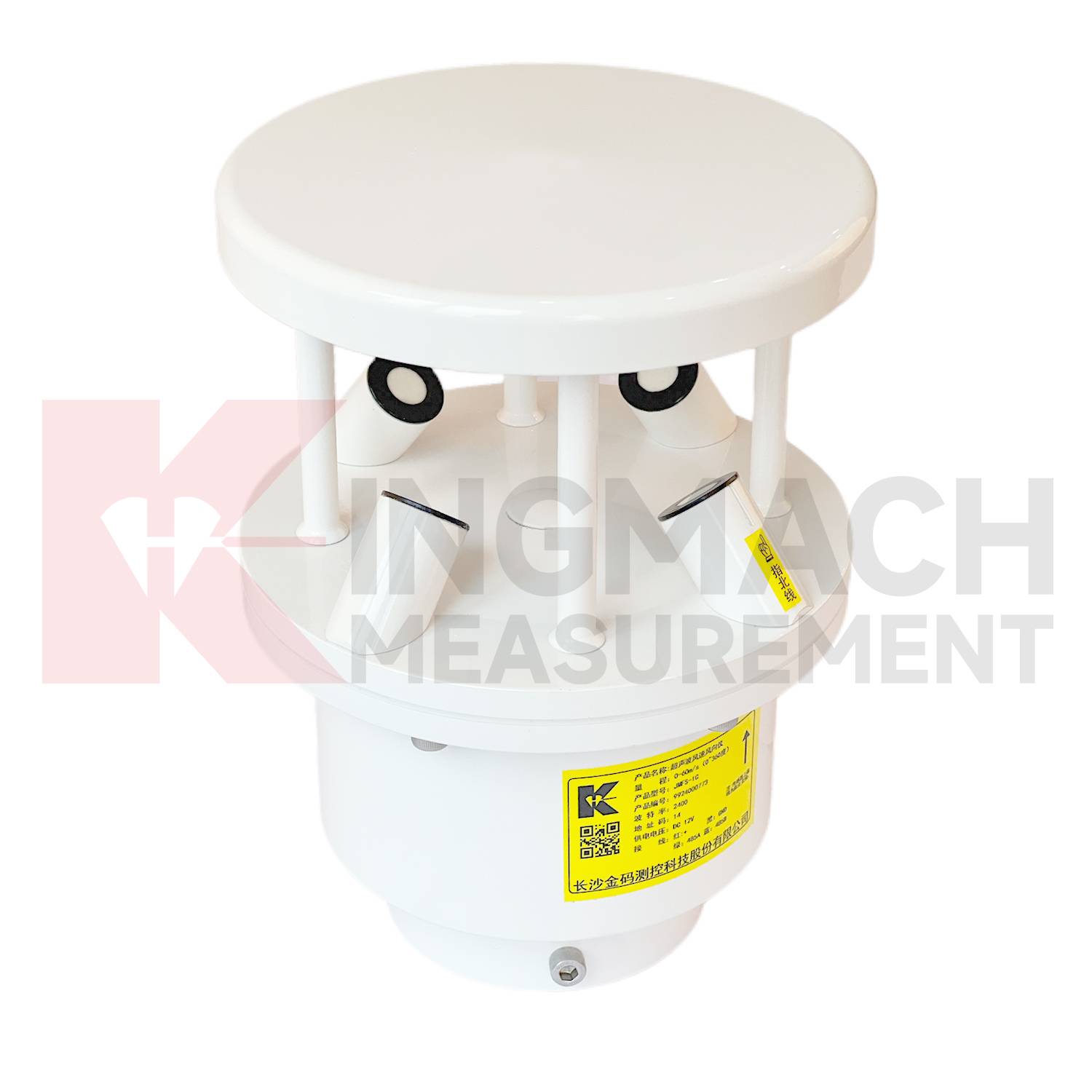

Ultrasonic Wind Speed and Direction Instrument
Kingmach Measurement & Monitoring Technology Co., Ltd.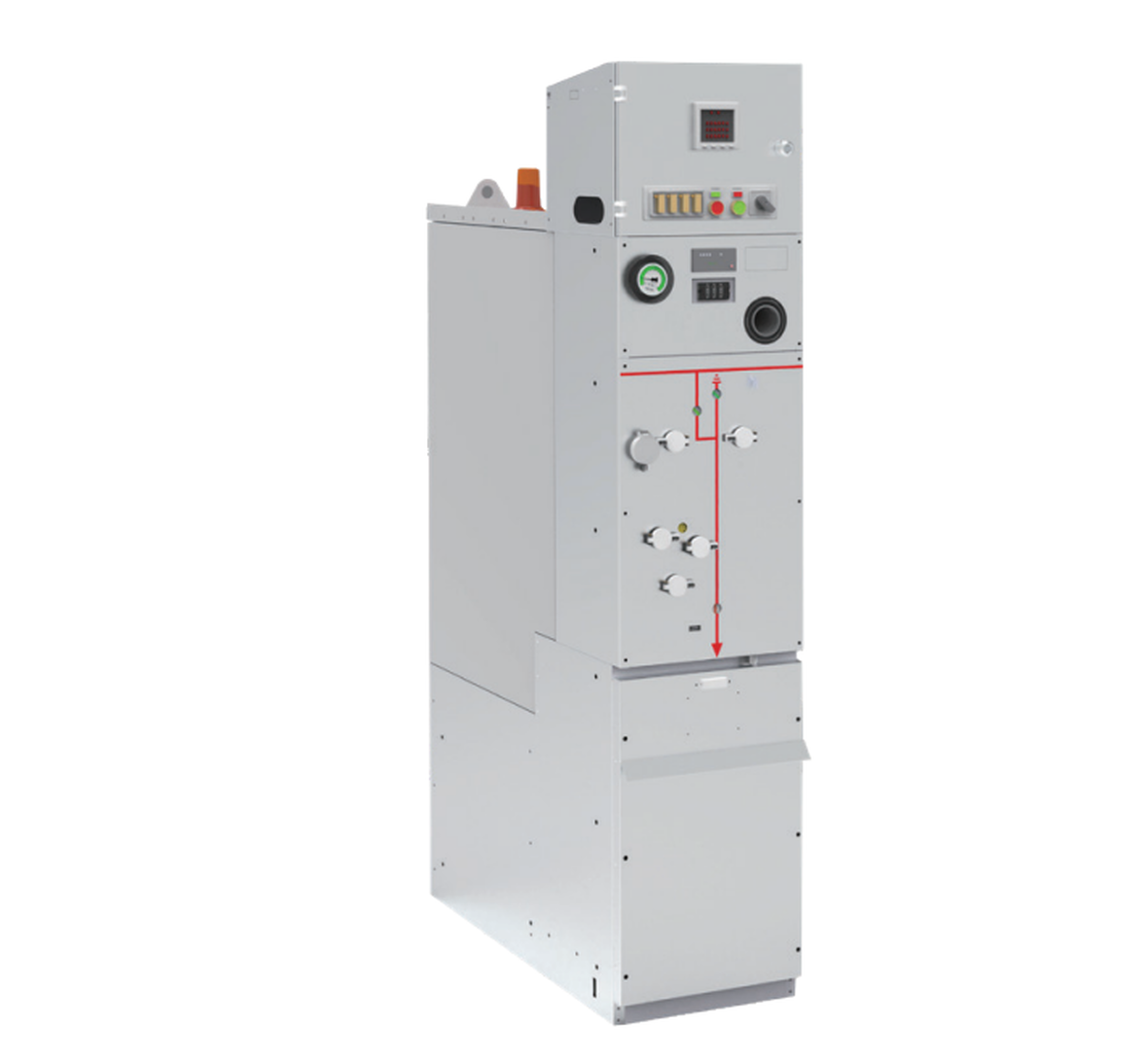

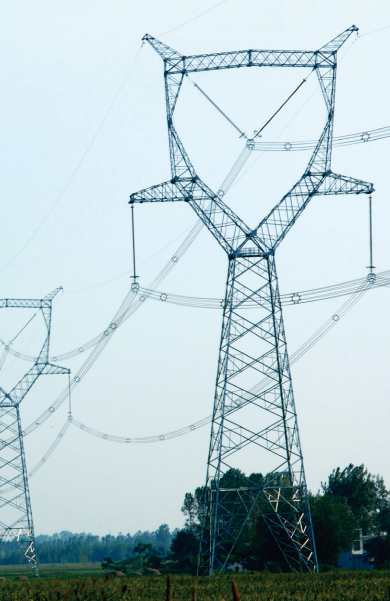
1000kV Jin Southeast-Nanyang-Jingmen UHV AC Transmission and Transformation Pilot Demonstration Project
Anhui Hongyuan Steel Tower Co., Ltd.
Quick-Change Single-Seat Control Valve / Quick-Change High-Pressure Single-Seat Control Valve
Beijing Consen Automation Technology Co., Ltd.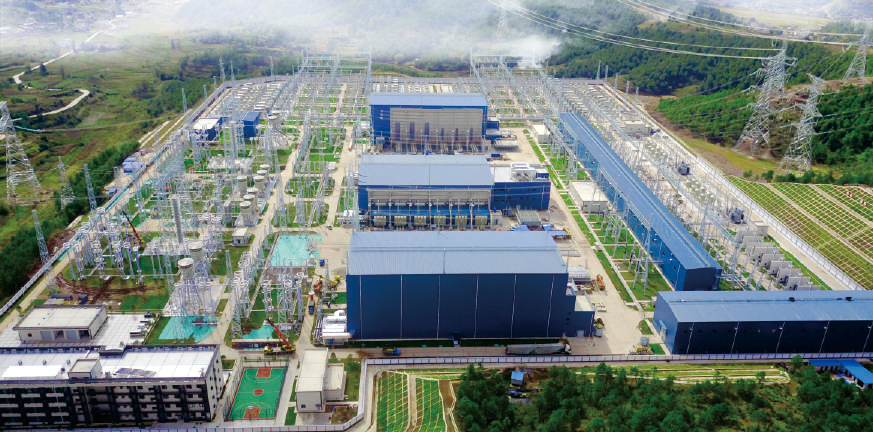
High-voltage Direct Current (HVDC) Transmission System Research and Integrated Design
XI'AN XD POWER SYSTEMS CO., LTD.
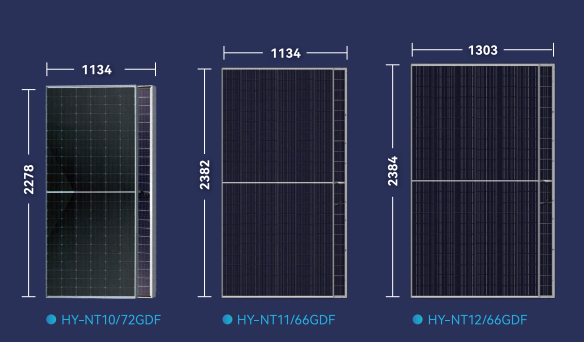

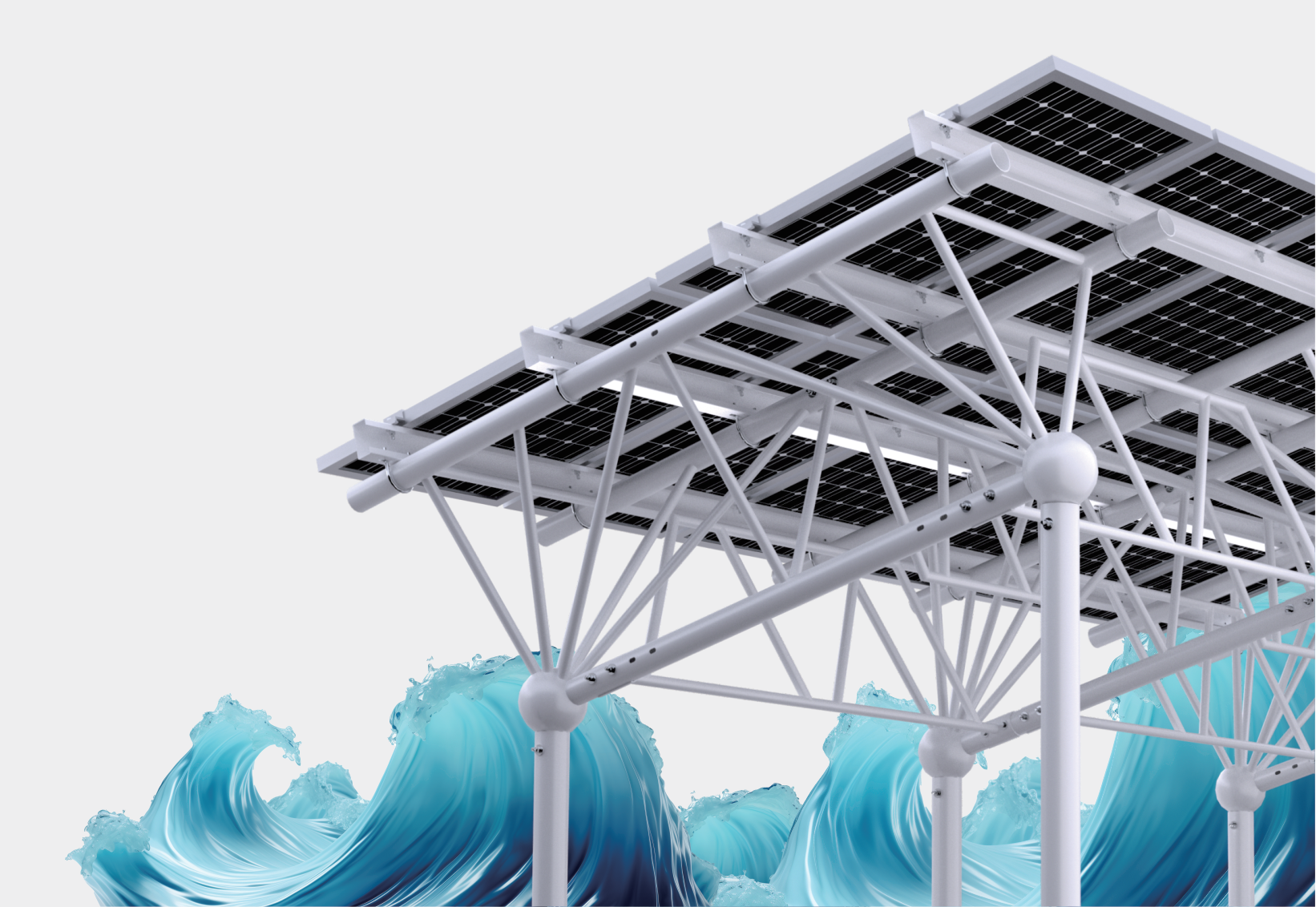
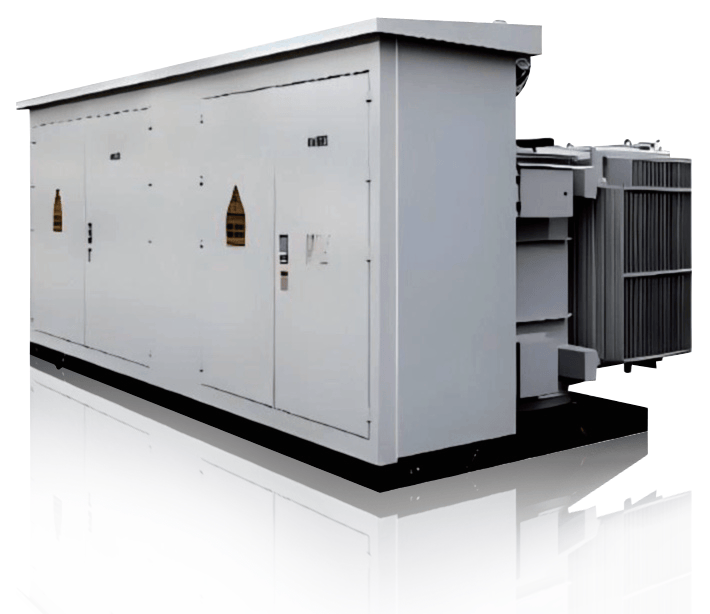
H-40.5/0.4~1.14kV New Energy Power Generation Dedicated High Voltage/Low Voltage Prefabricated Substation
XJ (Xiamen) Intelligent Power Equipment Co., Ltd.