Kazatomprom's H1 revenue up 9% to approximately $1.57 billion
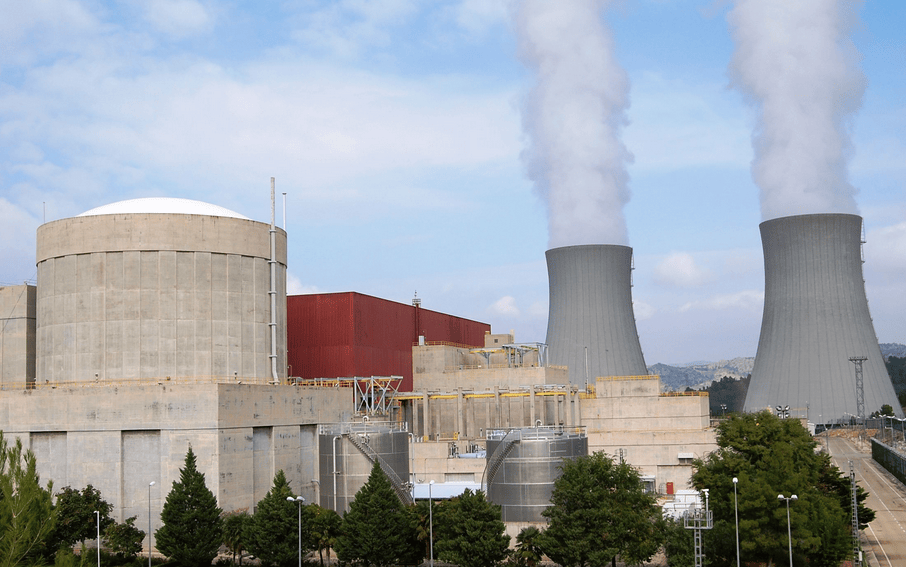
en.Wedoany.com Reported - Meirzhan Yussupov, CEO of Kazatomprom, stated that as 38 countries worldwide—together accounting for over 70% of global GDP—have signed commitments to triple nuclear power capacity by 2050, nuclear energy "has transitioned from a policy debate on paper to actual implementation."
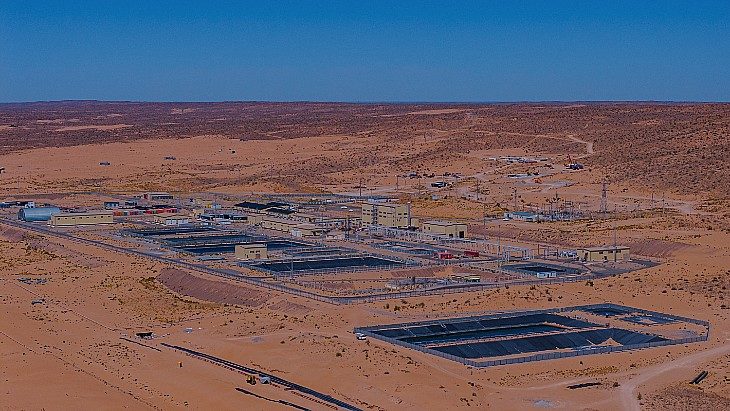
Yussupov noted that this acceleration in demand is coinciding with a highly regulated market environment. Long-term uranium price indicators are "extremely stable" and have reached an 18-year high, providing "a very solid foundation for contracts of any tenor going forward." He added that the market is showing "clear signals of a fundamental shift," with pricing power returning to producers holding proven large-scale uranium reserves, and utility procurement strategies shifting from reliance on short-term spot markets to long-term inventory security.
On the financial front, the company's consolidated revenue for the first half of the year increased by 9% year-on-year to nearly 718 billion tenge (approximately $1.57 billion). Yussupov stated that this reflects financial discipline and favorable uranium market conditions. However, he also noted that challenging factors have impacted industry-wide uranium production costs, and the company faces similar pressures. He emphasized that "the new reality signals that the era of 'cheap' uranium is fading," yet the fundamental demand for safe, baseload, emission-free electricity is stronger than ever. Global utilities fully recognize this shift, and long-term uranium demand will remain sustained and robust—"every pound of uranium we produce will have a clear, committed, and waiting buyer."
Alongside the results announcement, Kazatomprom stated that it has reached an agreement with China's SNURDC (State Nuclear Uranium Resources Development Co., Ltd.) on a spot-term contract for natural uranium concentrate. SNURDC is a subsidiary of State Power Investment Corporation Limited.
The company has also entered into an agreement with Uranium One Group JSC to sell natural uranium concentrate to Russia's Siberian Chemical Plant JSC through physical delivery. Uranium One is an international group company that serves as the core operator of Rosatom's overseas uranium mining assets, responsible for the strategic development of its foreign mineral resource base, and is a shareholder in several Kazatomprom joint ventures (JV South Mining Chemical Company LLC, JV Akbastau Uranium JSC, and Karatau LLC).
Kazatomprom stated that due to confidentiality clauses, it cannot disclose details of these two transactions, including price, volume, and delivery schedules, adding that "the transaction parameters are in line with current market conditions and prevailing market trends." These agreements will be submitted for consideration at an extraordinary general meeting of shareholders scheduled for September 11.
In recent months, Kazakhstan's Subsoil Use Code (the law governing mining) has undergone multiple amendments, with the changes taking effect in early September. Some amendments pertain to the transfer of uranium mining licenses obtained by the national operator (currently Kazatomprom), stipulating the minimum equity stake Kazatomprom must hold in any entity to which the license is transferred.
Another amendment shifts the legal framework for uranium exploration from a licensing system to a contractual system (subsoil use agreements). Newly issued exploration subsoil use agreements are eligible for a single extension of up to five years. This amendment allows the total maximum term of uranium exploration subsoil use agreements to reach 11 years.
On the project front, a new processing plant at the Zhalpak deposit with an annual capacity of 500 tonnes, operated by subsidiary Ortalyk LLP, was commissioned in July. The facility is planned to be expanded to a total annual capacity of 900 tonnes by 2027.
However, another major project, the TQZ sulfuric acid plant, is facing delays. The project contractor informed the company that "potential paleontological specimens were discovered" during earthworks at the construction site. In accordance with the law on the protection of national historical and cultural heritage, construction in the affected area has been suspended pending formal permission from the relevant state authorities. Professional excavation will be carried out in the area to safely and completely recover the specimens for comprehensive laboratory analysis.
Sulfuric acid is used in Kazatomprom's in-situ leaching uranium mining operations, and supply uncertainty for this critical reagent has significantly impacted production schedules in recent years. The plant is being built by TQZ—a joint venture between Ballestra, an Italian company (Kazakhstan partner, technology and equipment licensor and supplier, holding 60%), and Kazatomprom-SaUran LLP (holding 40%), established by Kazatomprom in 2023 to implement the construction of the new plant. The total project investment cost is estimated at approximately 113 billion tenge (about $2.6 million).
The final assessment of TQZ construction progress will depend on the outcomes of mandatory regulatory procedures and formal conclusions from local authorities. The construction timeline is also pending the completion of laboratory sample analysis and surveys of the surrounding area. The company added that if more specimens are discovered or the excavation area expands, revisions to the plant's project design documents may be required to relocate infrastructure facilities outside the affected area.
Due to the regulatory suspension of construction in the affected area, TQZ's originally scheduled commissioning date (previously set for Q1 2027) is now expected to fall between Q3 2027 and Q1 2028, with project progress anticipated to be delayed by 6 to 12 months.
The company stated that at this stage, it does not expect this delay to have a material impact on its uranium mining operations. Kazatomprom will assess the potential impact of this situation in conjunction with existing sulfuric acid sources, and this assessment will be incorporated into the company's 2027 production guidance.
Related Products

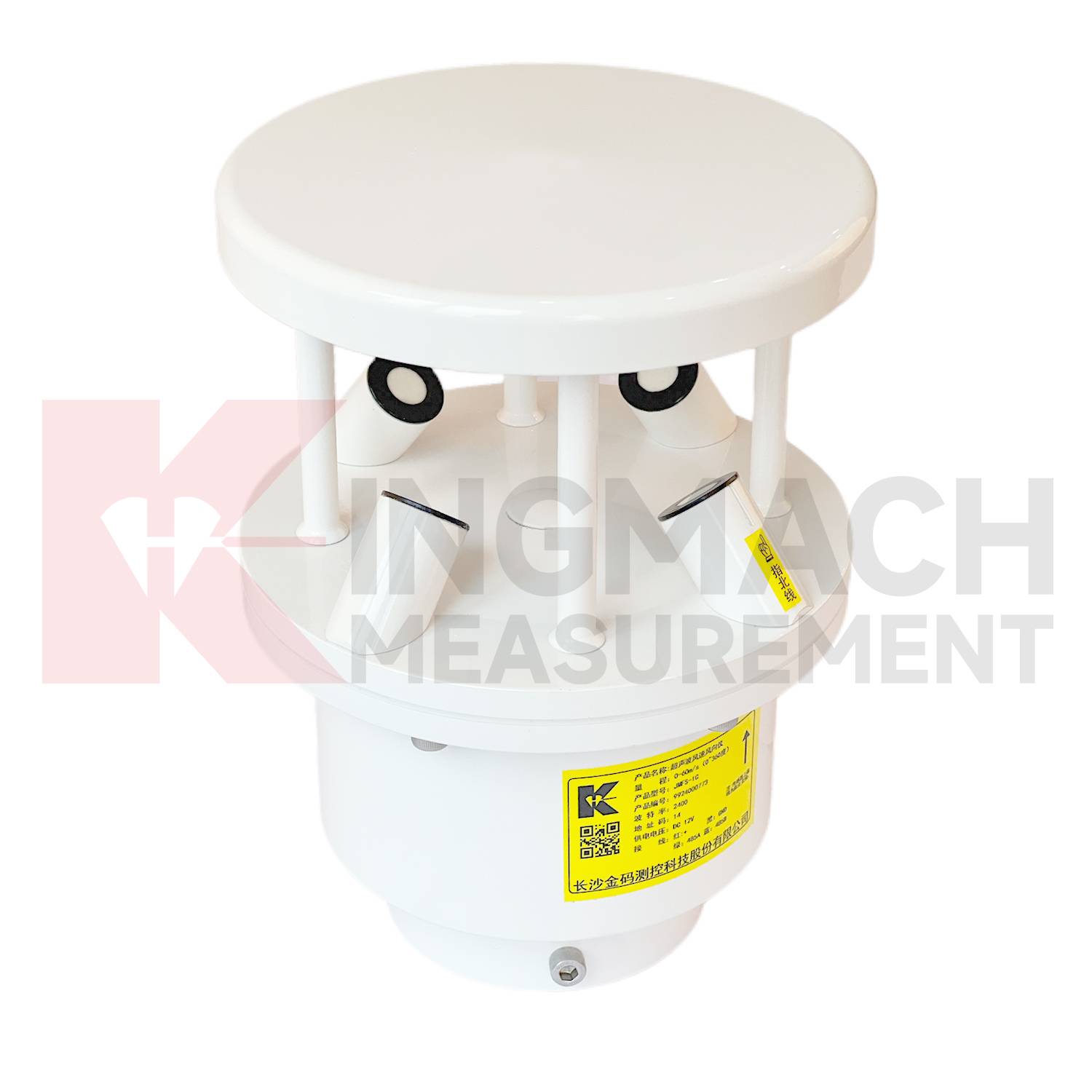
Ultrasonic Wind Speed and Direction Instrument
Kingmach Measurement & Monitoring Technology Co., Ltd.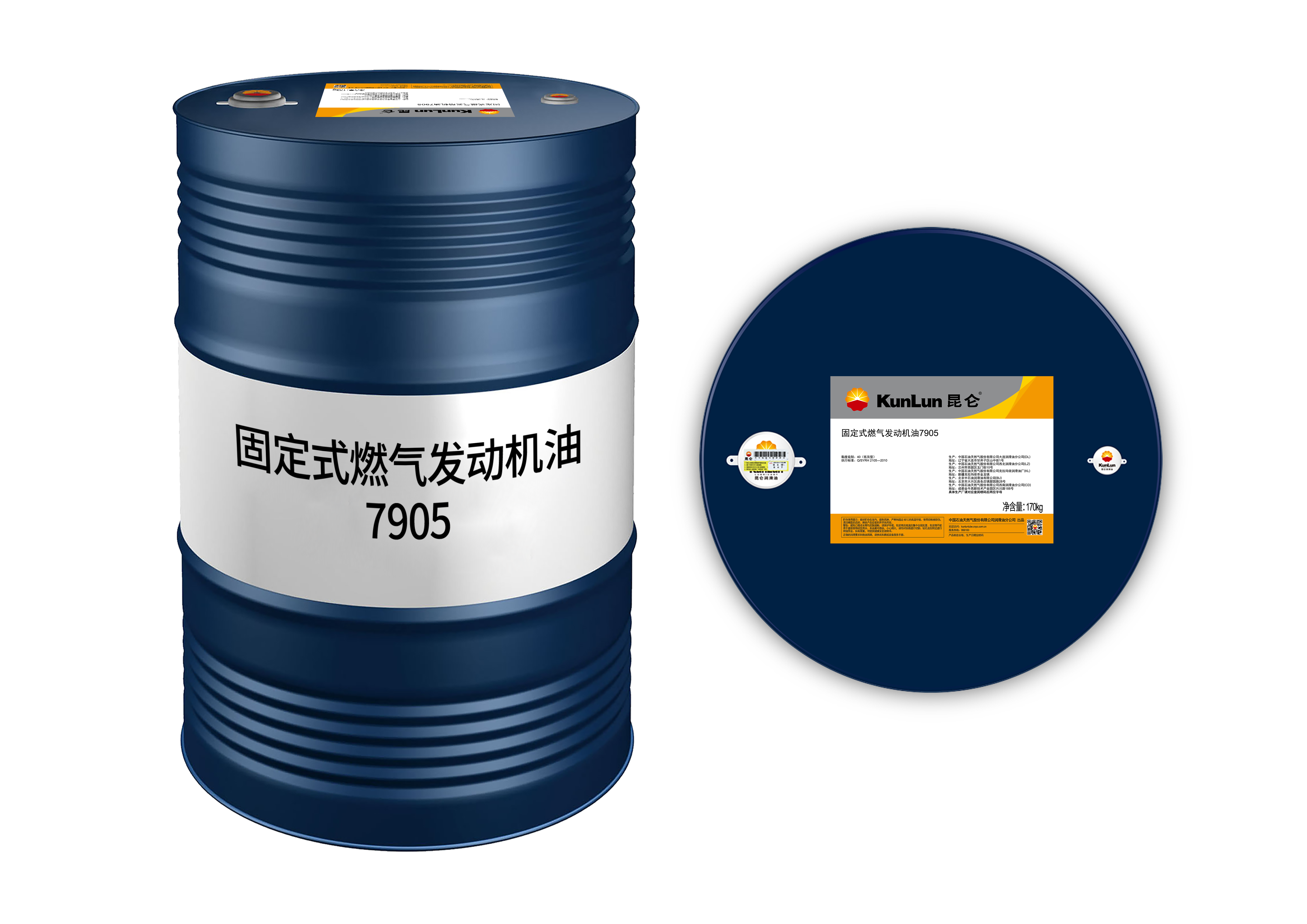
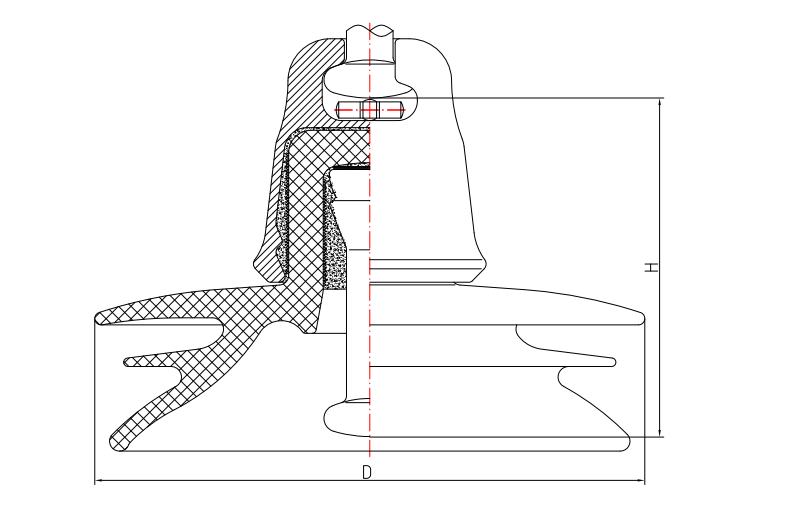
Post-type AC Pollution-resistant Disc Suspension Porcelain Insulator (Triple Umbrella Type)
Shandong High Voltage Insulator Co., Ltd.
Electromagnetic Fluid Seawater Floating Oil Separation and Recover Equipment
Huate Magnet Group Co., Ltd.