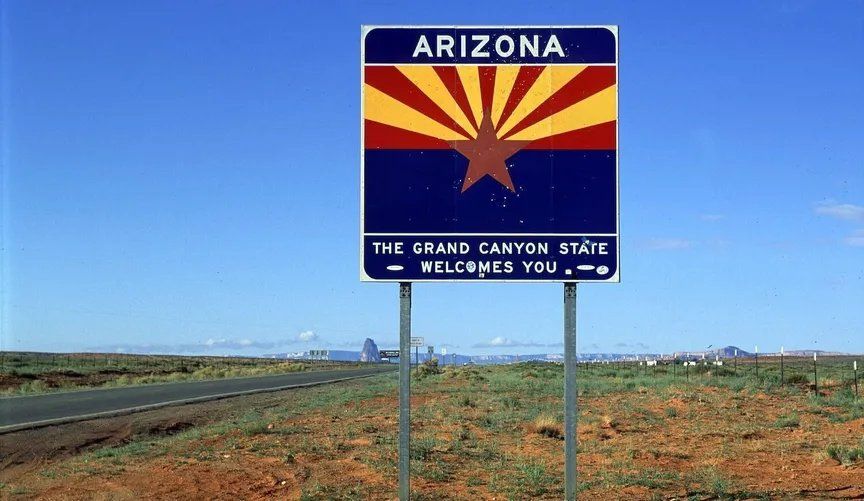
Arizona ranked second in U.S. battery storage capacity in the first half of 2026
en.Wedoany.com Reported - An analysis of data released by the U.S. Energy Information Administration (EIA) by Canary Media shows that in the first half of 2026, Arizona's battery storage capacity trailed only Texas, surpassing all other states, including California, which had long held a leading position.
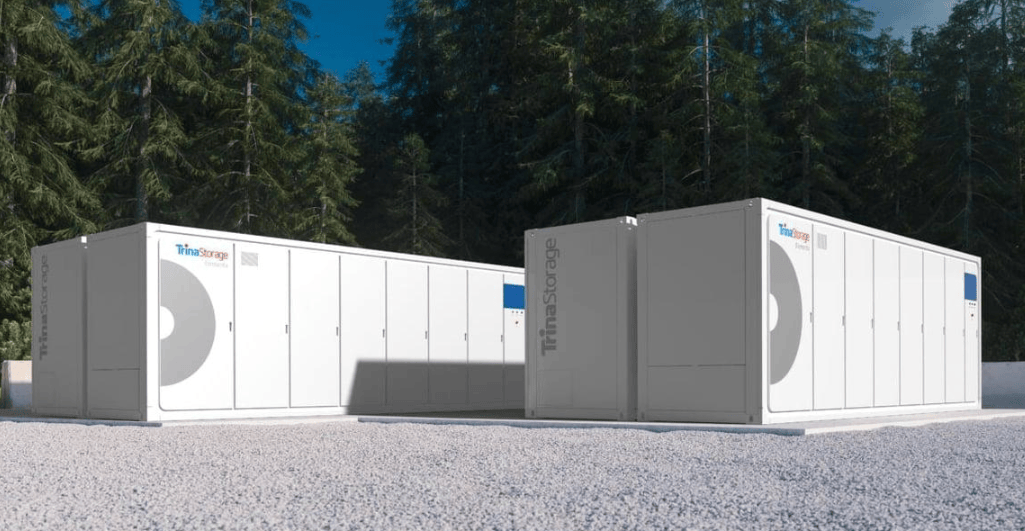
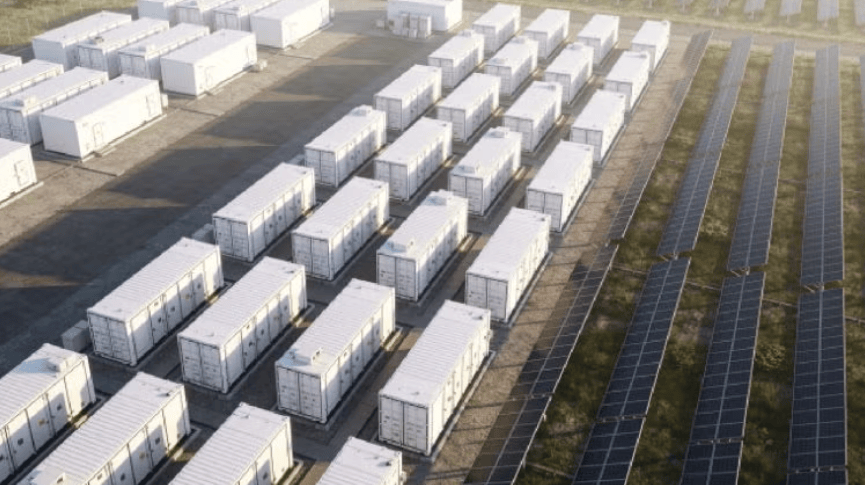
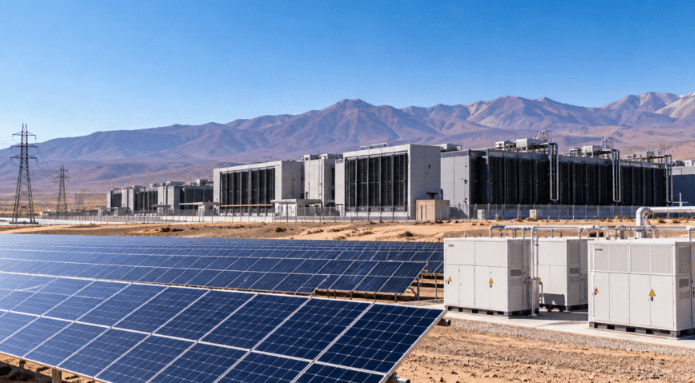
This ranking continues the trend from 2025, when Arizona already surpassed California in new energy storage and utility-scale solar installations. In recent months, the state added three battery projects—Beehive, Catclaw, and Pediment—each with 250 MW/1 GWh of storage capacity, along with several smaller projects.
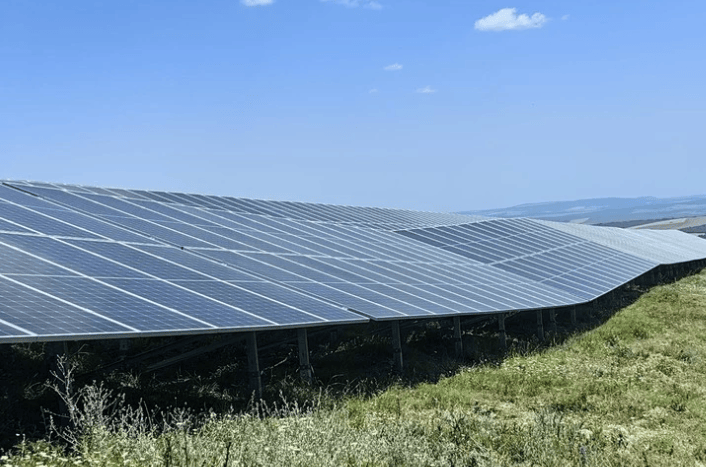
In the first half of this year, Arizona tied with Florida for second place nationally in solar installations, again trailing only Texas. During the same period, 300 MW of gas-fired power and 500 MW of wind power came online, rounding out its energy mix.
It should be noted that Texas and California still have far more solar and storage capacity connected to the grid than Arizona. Battery storage has helped both states avoid grid shortages during heat waves and cold snaps, and has lowered wholesale electricity prices by replacing more expensive gas-fired generation with cheap solar power stored during peak sunlight hours. For a long time, these were the only two states capable of building multiple gigawatts of batteries year-round.
Arizona's situation differs from both states. Texas allows batteries to compete in an open, deregulated energy market, attracting a flood of investors drawn by profitability. California, through years of carefully designed storage policies aligned with grid decarbonization goals, has mandated that utilities invest in batteries while making it nearly impossible for new gas plants to receive approval.
Arizona has neither a Texas-style free energy market—its electricity customers are served by several vertically integrated monopoly utilities such as Arizona Public Service (APS), Tucson Electric Power, and Salt River Project—nor California-style mandates or policy mechanisms. The state's elected utility regulatory commission recently also eliminated a modest renewable energy target that had been in place for two decades.
However, Arizona enjoys abundant sunshine and clear, dry weather, making solar power the lowest-cost electricity source per kilowatt-hour. In such regions, rapid solar project development leads to diminishing returns unless batteries are deployed to store surplus power during the sunniest hours.
Autumn Johnson, executive director of the Arizona chapter of the Solar Energy Industries Association, said understanding the current battery construction boom requires looking back at market conditions about five years ago, when utilities were contracting for these plants. In 2018, the Arizona Corporation Commission criticized APS for over-relying on gas plants in its long-term planning, prompting the company to view batteries as a cost-effective peaking resource. In 2022, the Biden administration passed the Inflation Reduction Act, providing ten-year tax credits for installing solar and batteries. In the years that followed, the state's major utilities all committed to decarbonizing their generation portfolios by mid-century.
Johnson said the recent wave of storage projects is the result of utilities signing contracts in concentrated fashion against that backdrop. But the political landscape in Arizona and nationwide has since shifted, adding uncertainty to the state's solar and storage outlook: the Trump administration weakened Biden's climate legislation last year but preserved the tax credit specifically for batteries; APS abandoned its own climate goals; utility regulators have engaged in performative confrontations with clean energy; and the state legislature this year introduced a "record number of bad energy bills," including proposals to require 85% of electric capacity to come from dispatchable or baseload sources and to classify wind and solar farms within 4 miles of residential properties as "public nuisances."
Johnson noted that utilities cannot change the fundamental economics of solar and batteries, but they can adjust how contracts are allocated. APS, the state's largest battery developer, said at a planning meeting in July that it would exclude 4-hour-duration batteries from its long-term energy planning model, retaining only 6- to 8-hour options. In recent years, 4-hour batteries have become the standard peaker plant configuration built in California and Arizona; extending discharge duration provides more comprehensive grid coverage but also raises construction costs.
"Given all these changes, can we still maintain our lead five years from now?" Johnson said of Arizona's storage ranking. "I'm not sure this lead will last." EIA data shows construction will continue at a rapid pace at least through 2026, primarily supported by the upcoming Maricopa Energy Center, which includes a 550 MW/2.2 GWh battery. Seven battery projects are currently under construction, scheduled for completion in 2027, ranging from 100 MW to 300 MW. Utilities need to sign new contracts now to sustain this momentum into the 2030s.
Related Products


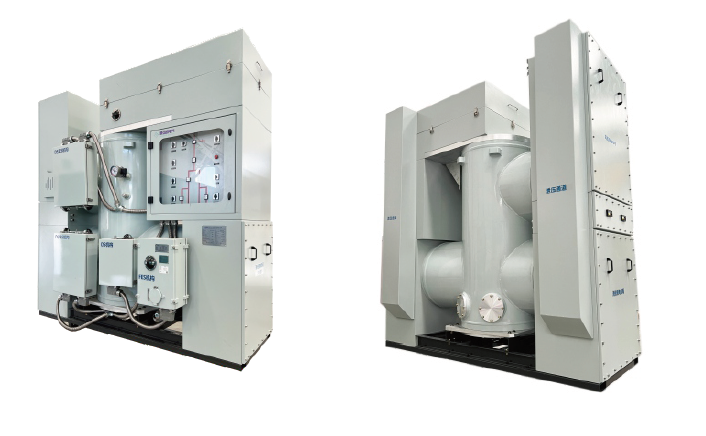
72.5kV 1250A 31.5kA SF6 free Gas-insulated Metal-enclosed Switchgear
Zhejiang Juhonkia Intelligent Electric Co., Ltd.

Hydraulic Turbine Genset
Dongfang Electric Corporation Dongfang Electric Machinery Co., Ltd.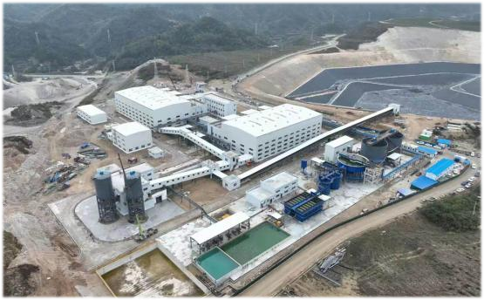
Yingping Mining Section Open-pit Tailings Backfill Treatment of Goaf Ecological Restoration EPC Project
China Bluestar Lehigh Engineering Corporation
HI-Pro Green Hydrogen High-efficiency Production System-HI-PRO-AEM
Hydrizon Technology (Beijing) Co., Ltd.

Perfluorinated Ionic Membrane-CM-10N Series Membrane
Guizhou Juneng Century Technology Co., Ltd