Global Commercial Engine Makers Ride Upgrade Wave with ~29,000 Units on Order
en.Wedoany.com Reported - After heavy investment to resolve supply chain, productivity, and durability issues, commercial engine manufacturers are accelerating into their busiest period since the dawn of the jet age. Approximately 29,000 large and medium civil engines are currently on order, with more than 56,000 already delivered from ongoing or recently concluded large-scale production programs. The following project progress and dynamics overview is based on Aviation Week Network's Fleet Discovery data. Due to space constraints, older, smaller, and out-of-production regional fleets—such as the Engine Alliance GP7200, Pratt & Whitney PW2000, PW4000, and Rolls-Royce RB211-535, Trent 700, 800, and 900—are not included.
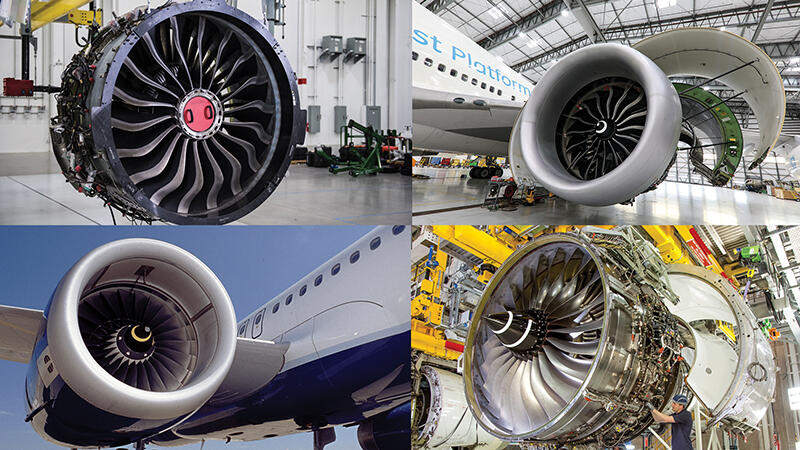
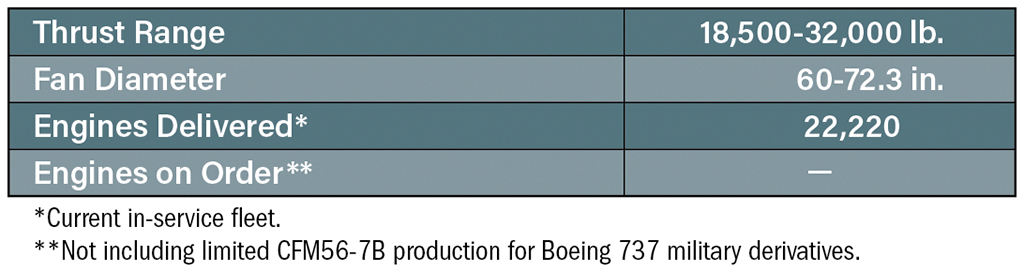
CFM International, a joint venture between GE Aerospace and Safran, has more than 14,000 aircraft in operation powered by its CFM56 engine. To address the upcoming wave of overhauls, the joint venture is investing in maintenance facilities, including plants in Singapore and Greenville, South Carolina. At the Greenville plant, half of GE's recent $33 million investment in new capacity is dedicated specifically to high-pressure (HP) turbine blades for CFM56 Performance Improvement Program (PIP) configuration variants.
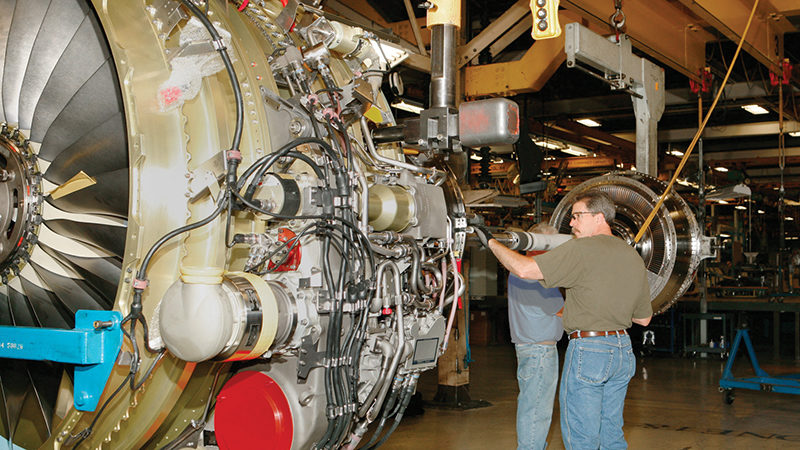
CFM expects to deliver more than 2,000 Leap engines of all variants in 2026 and is currently producing parts and building inventory to introduce upgrade kits into both original equipment production and the maintenance, repair, and overhaul (MRO) network. In the Airbus A320neo fleet powered by Leap-1A engines, approximately 40% have completed the high-pressure turbine durability kit upgrade, and more than 70% have been fitted with the reverse bleed system (RBS) fuel nozzle decoking upgrade.
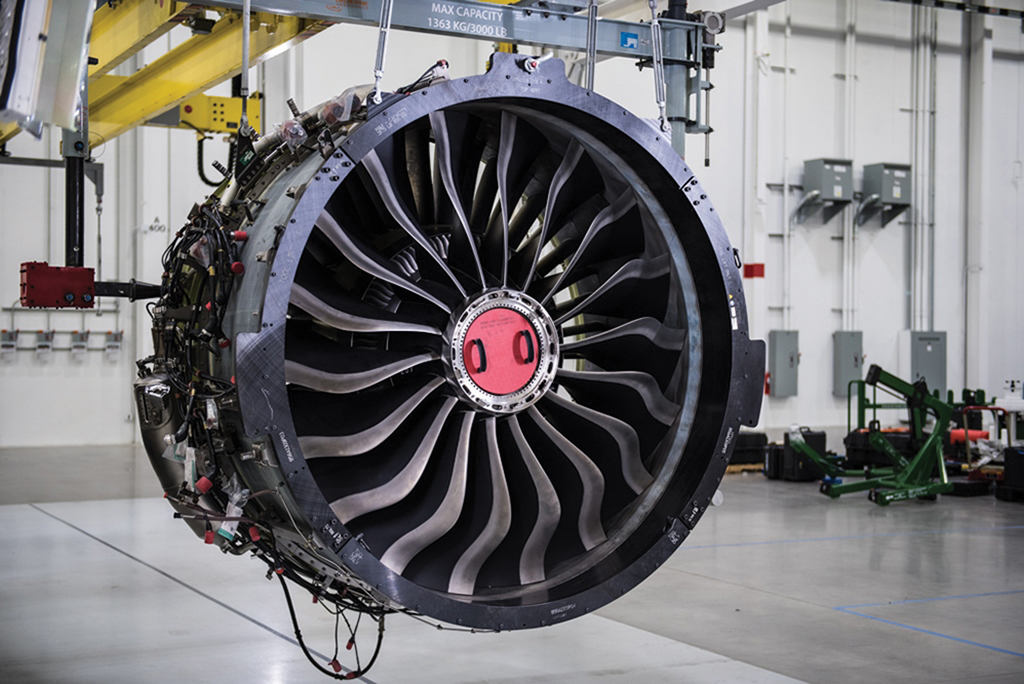

CFM received U.S. Federal Aviation Administration (FAA) Part 33 engine-level and Part 25 aircraft-level certification in July for the Leap-1B high-pressure turbine durability kit on the Boeing 737 MAX, and is on track for a full industrial transition to this configuration in the first quarter of 2027. The RBS has received engine-level certification, with aircraft-level certification planned for the second half of this year.
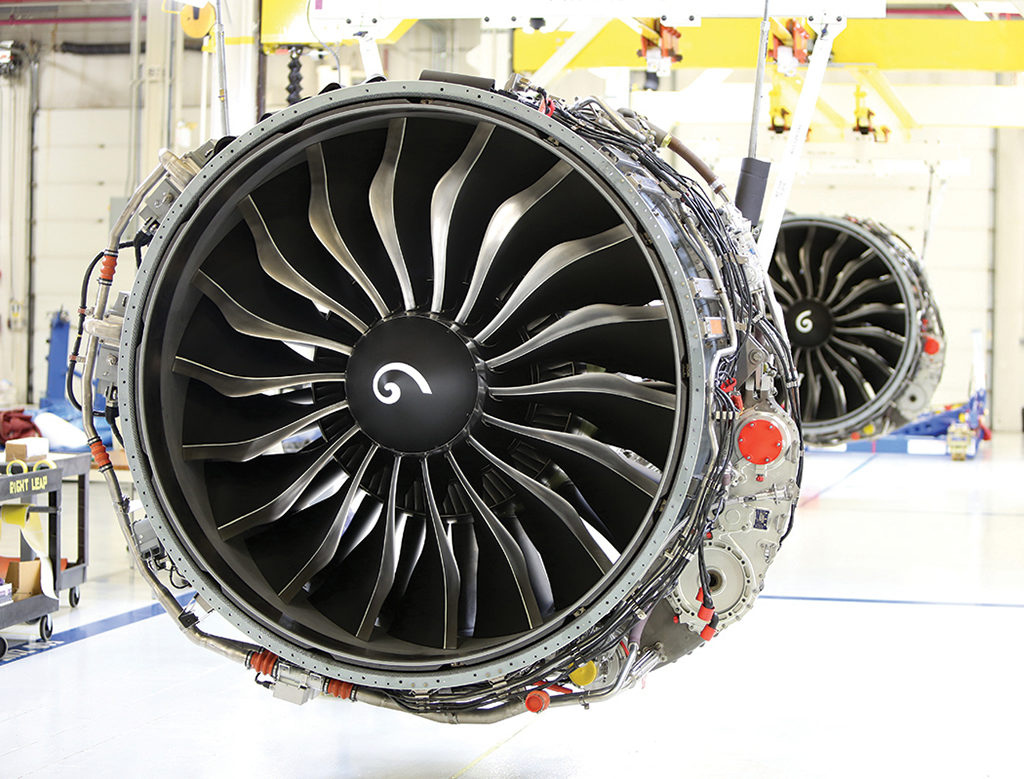
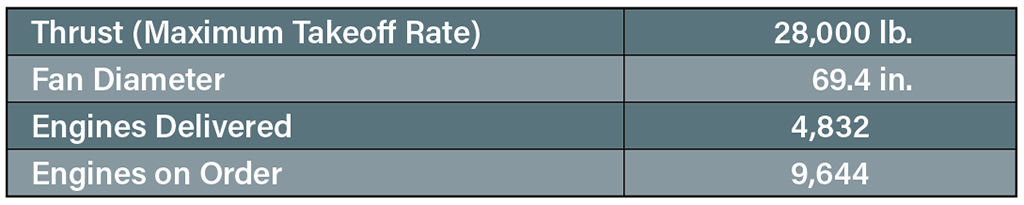
The Leap-1C continues to be delivered for the Comac C919, with approximately 41 aircraft currently in service. Although the CJ-1000 turbofan from Aero Engine Corp. of China continues testing on the C919, given the engine's lengthy development cycle, the Leap is expected to continue deliveries for the foreseeable future. Comac recently completed the maiden flight of the shortened C919-600, marking progress on the first derivative variant of the family.
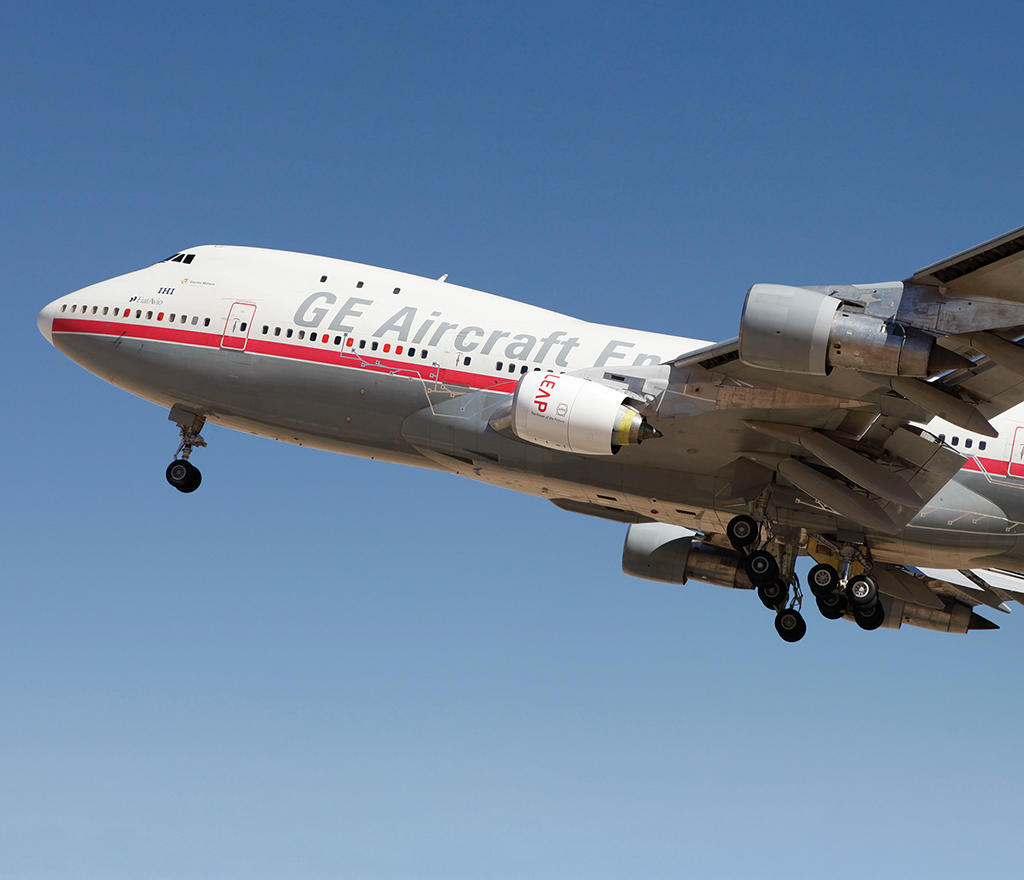

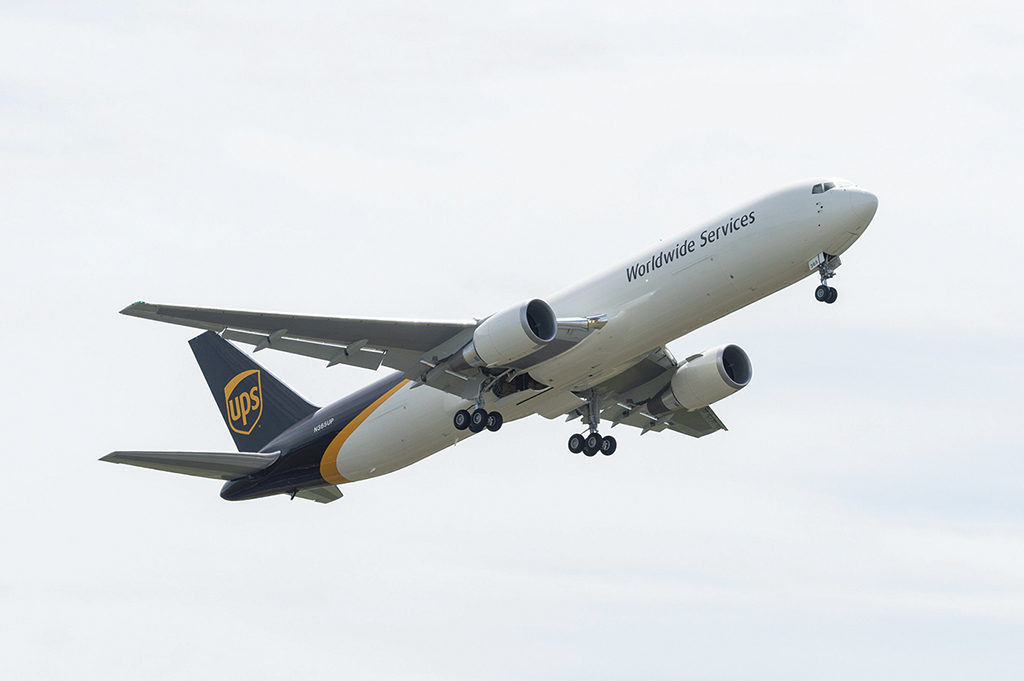
GE Aerospace expects to deliver the final CF6-80C2 engines for the last Boeing 767-300F freighters, with production of that aircraft model ending in 2027. As part of the longest-running jet engine program in commercial aviation, more than 5,600 CF6-80C2 engines have been produced since the engine first entered service in 1985. The CF6-6, derived from the TF39 military engine, first entered service on the McDonnell Douglas DC-10 in 1971.

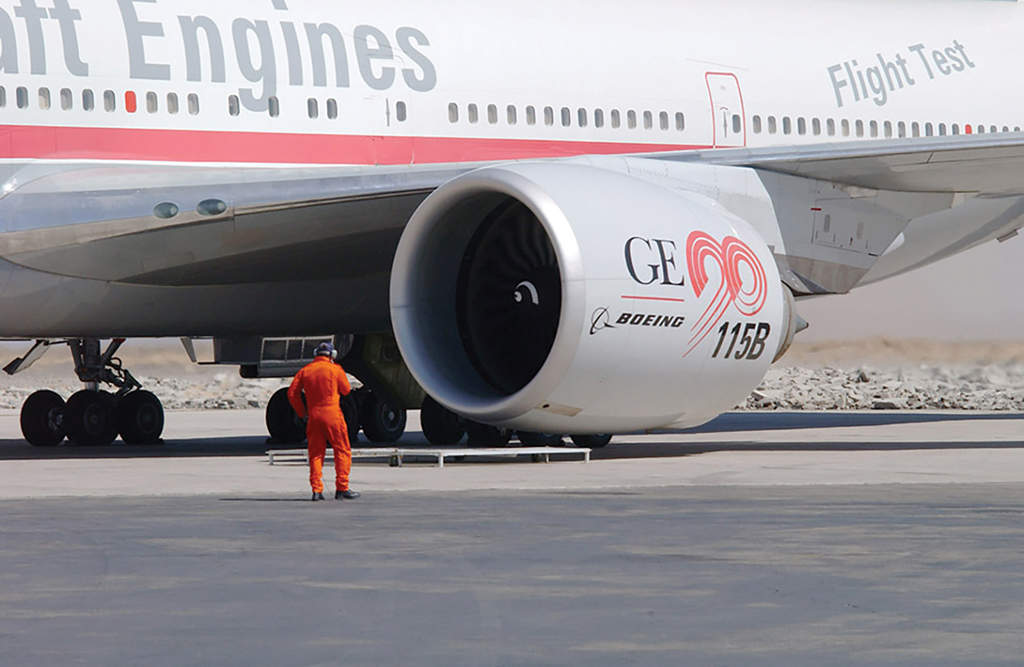
Nearly 31 years after the original GE90 version entered service, GE Aerospace is nearing the end of production of the more powerful GE90-115B version for the last "metal-wing" Boeing 777 freighters. With an increasing focus on sustainment, GE signed an agreement with Emirates in May to develop parts repair capabilities for GE90 and Engine Alliance GP7200 engines.

The GEnx-1B continues to dominate the Boeing 787 market. Just over 14 years after entering service, the engine surpassed 50 million flight hours in July, setting a record for the fastest GE Aerospace civil widebody engine to reach that milestone. High-pressure turbine blade and combustor coating upgrades are expected to extend time-on-wing in harsh environments to 4,000 cycles by 2028, matching the averages of the GE90 and CF6-80C2.
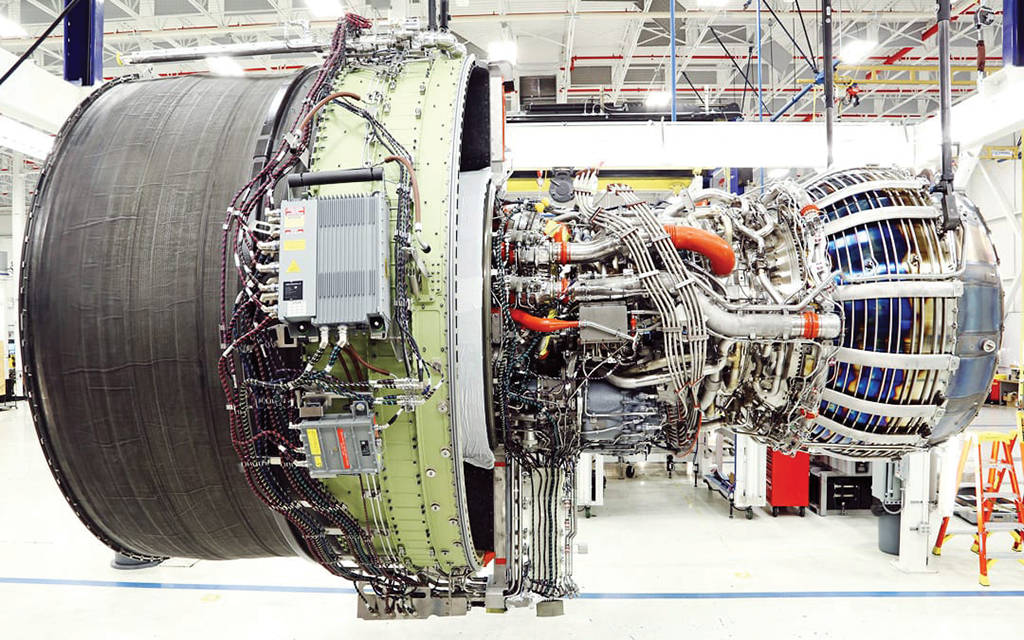

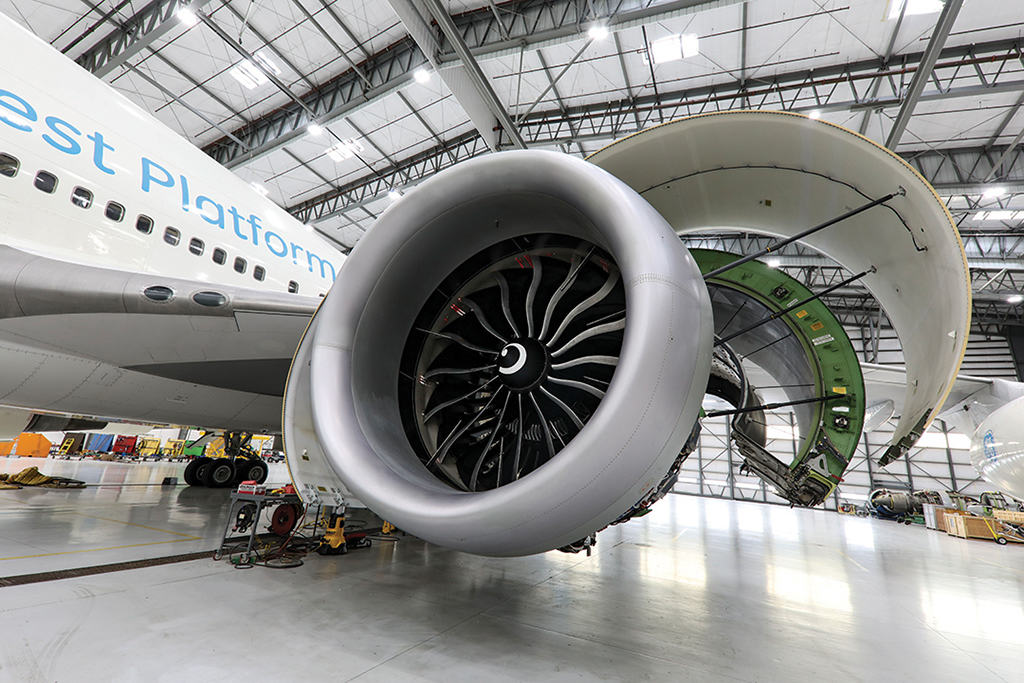
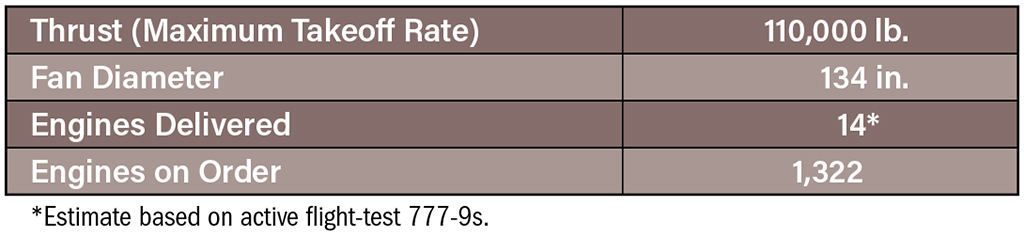
A decade after the GE9X began ground testing, GE is ramping up engine production for the long-delayed Boeing 777-9, with deliveries expected to begin in 2027. The engine manufacturer is developing a fix for intermediate seal cracks discovered during testing and continues to evaluate long-term durability through a series of sand ingestion tests.
Pratt & Whitney, together with MTU Aero Engines and Japanese Aero Engines Corp., forms the International Aero Engines joint venture, which develops and supports the V2500. Pratt & Whitney expects approximately 800 shop visits for the engine this year. As of February, of the more than 5,000 V2500 engines in the active commercial fleet, about 15% had not yet undergone their first overhaul.
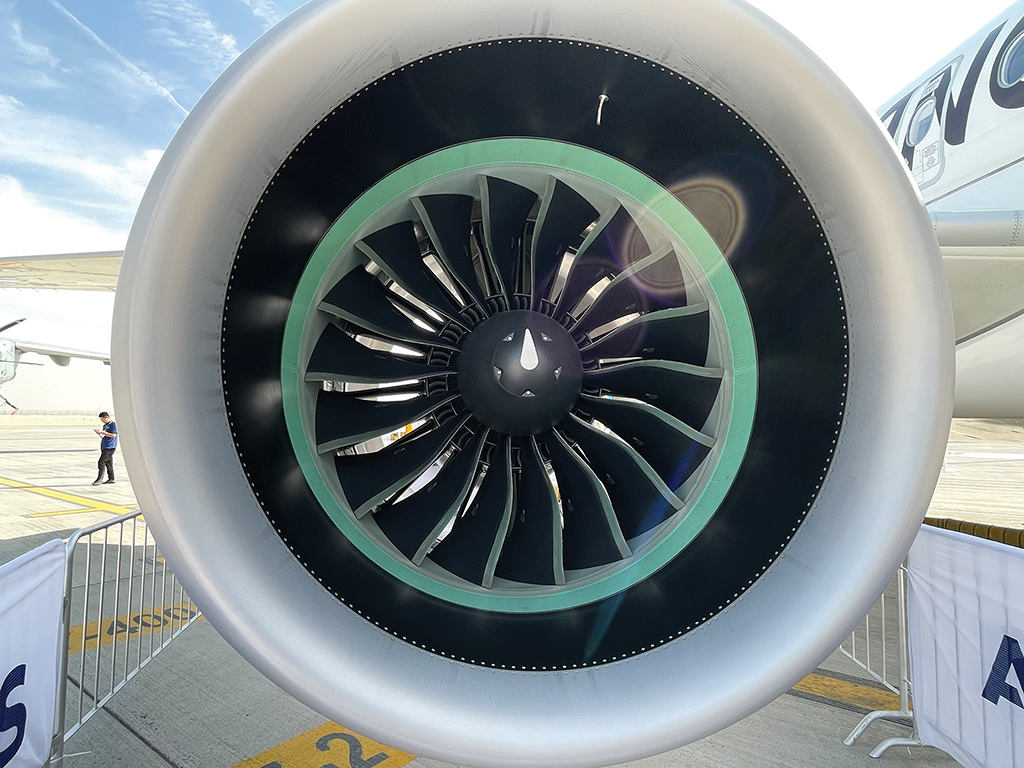
After Pratt & Whitney delivered the first PW1100G Advantage versions to Airbus in May, the improved Geared Turbofan (GTF) version is expected to enter service on the A320neo soon. Pratt & Whitney plans to fully transition to the upgraded production standard by the first quarter of 2028. The GTF hot-section upgrade kit, incorporating 35 parts from the Advantage, is expected to complete certification around the end of this year.
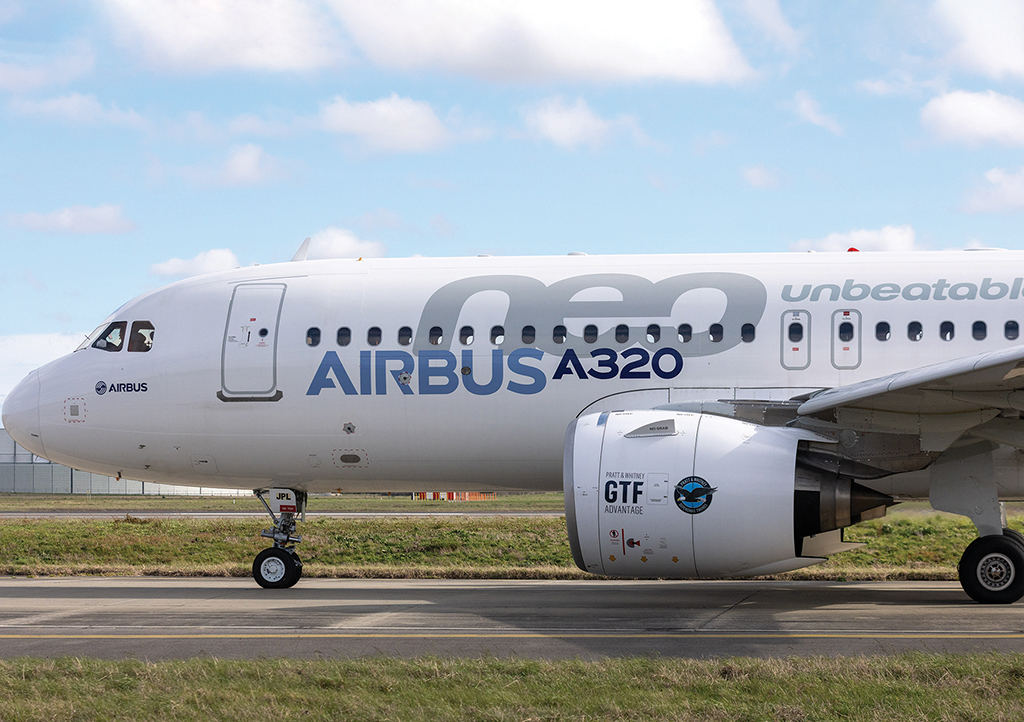

Pratt & Whitney expects the backlog of Airbus A220 groundings related to the PW1500G to be cleared by the end of the year. The engine has also recently introduced improvements to the combustor and No. 4 bearing cavity. Pratt & Whitney expects to deliver more than 180 PW1500G engines this year, with the majority destined for the A220-300.

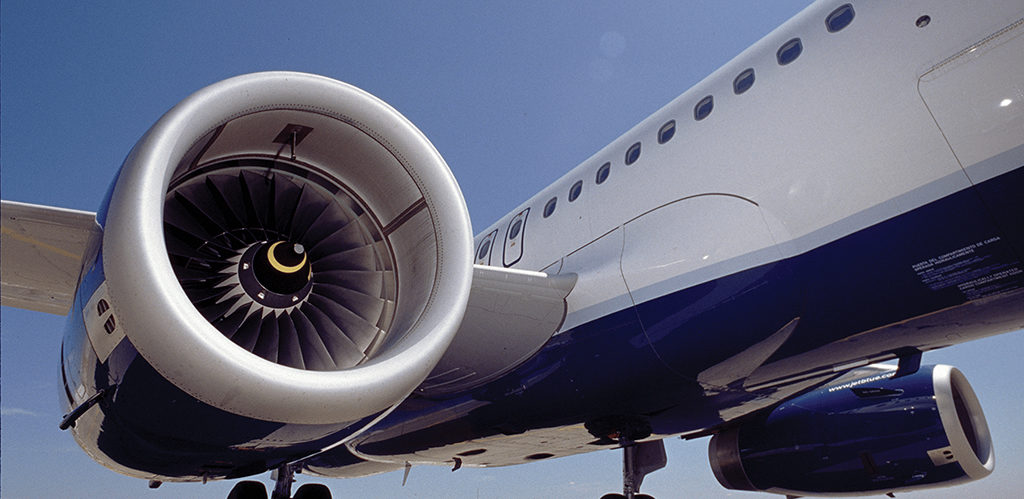
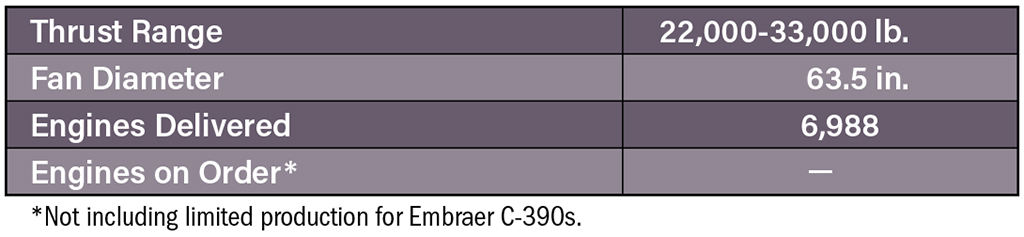
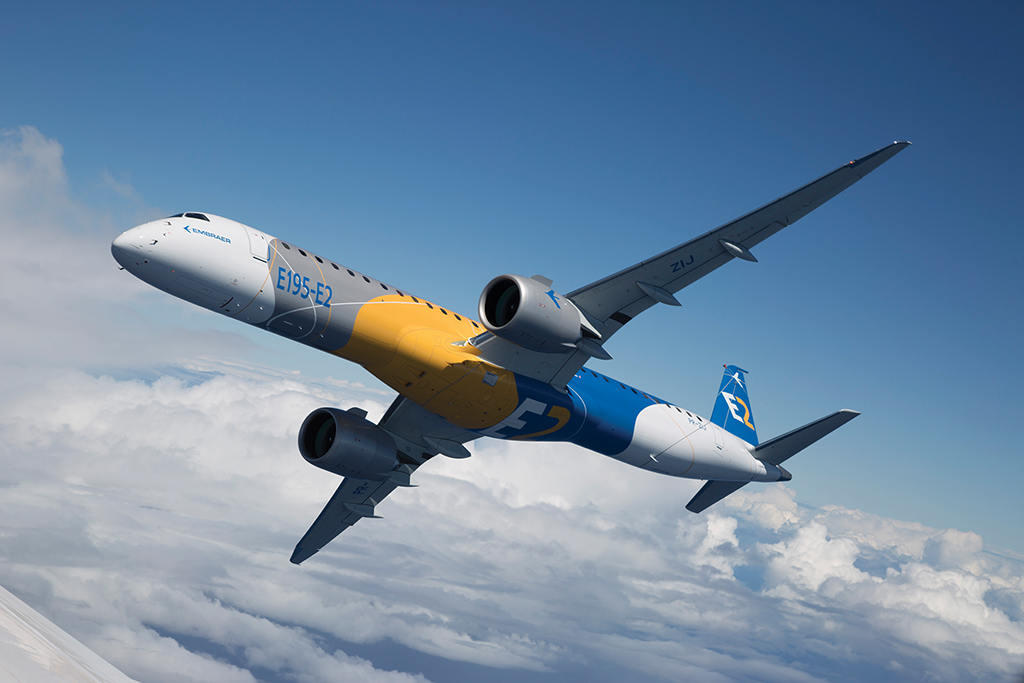
Production of the PW1900 for Embraer's E2 jets continues to increase, with Pratt & Whitney expected to deliver approximately 76 units to the company this year. Sharing the same combustor and bearing upgrades as the PW1500G, the PW1900G's time-on-wing is also expected to maintain its upward momentum.

Rolls-Royce continues to work through Trent 1000 durability issues, with nearly half of the TEN fleet now upgraded to the Trent 1000XE standard, which includes improved high-pressure turbines and other hot-section changes. Subsequent phases will introduce lighter turbine blades and improved combustor coatings. The entire Trent 1000 TEN fleet is expected to complete Phase 1 or Phase 2 upgrades by the end of 2027.
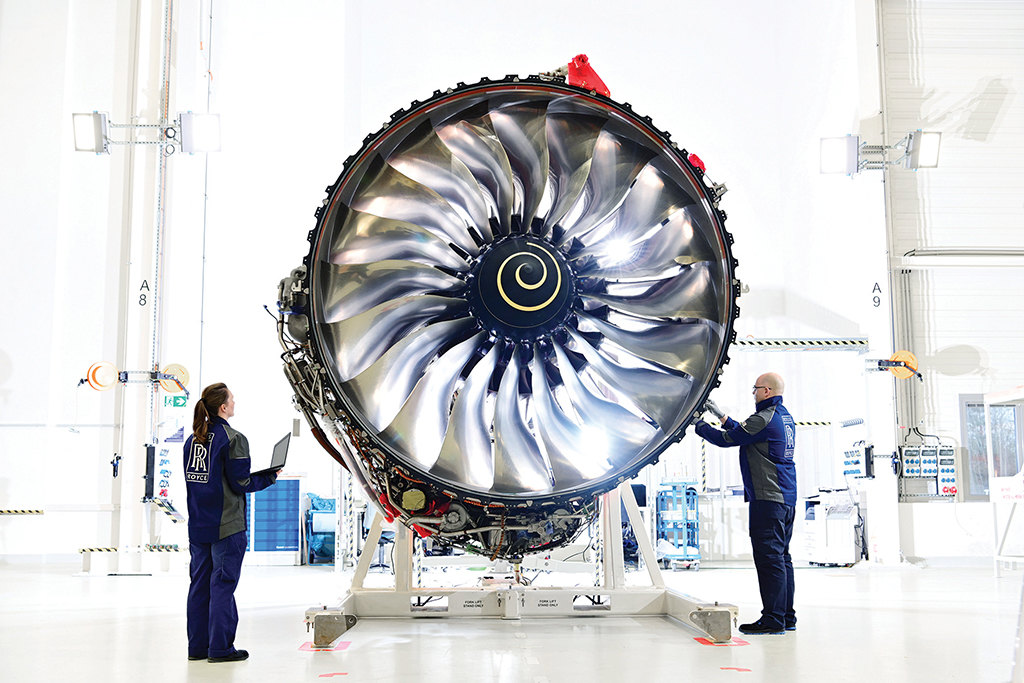

The Trent 7000, a sister engine to the Trent 1000, is the pioneer for durability enhancements on both engines. This engine, powering the Airbus A330neo, is undergoing Phase 2 improvements, including cooling and coating changes for high-pressure nozzle guide vanes and turbine blades, as well as adopting a redesigned combustor-turbine interface derived from the latest Trent XWB-84 EP (powering the A350-900).
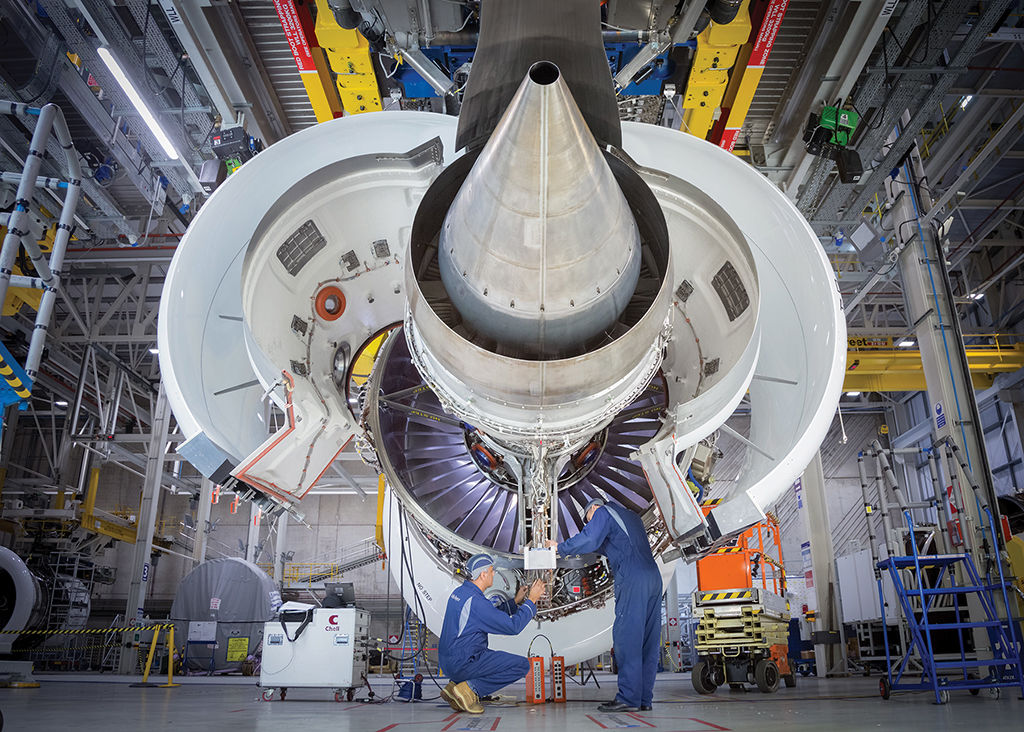

The Trent XWB-84EP Enhanced Performance program, which adopts cooling and aerodynamic features developed for the higher-thrust XWB-97, has achieved a 1.8% fuel consumption reduction on the A350-900 since its introduction in May 2025. Rolls-Royce is increasing production of the XWB-84/97 to meet Airbus's target of 12 A350-900/1000 aircraft per month by 2028.

Related Products

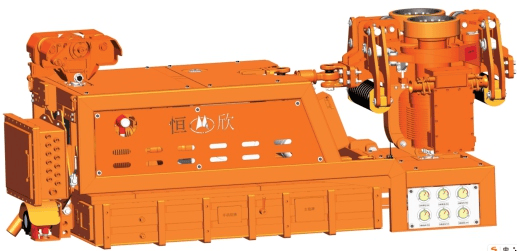
Explosion-proof lithium battery dispatching monorail crane locomotive (permanent magnet frequency conversion integrated machine)
Xiangtan Hengxin Industrial Co., Ltd.

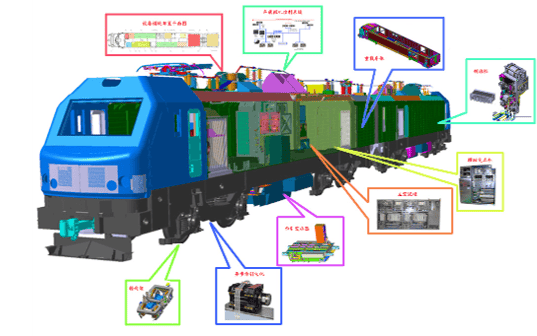
GSR6-27.5kV SF6 Free Gas-insulated Metal-enclosed Switchgear
Zhejiang Juhonkia Intelligent Electric Co., Ltd.
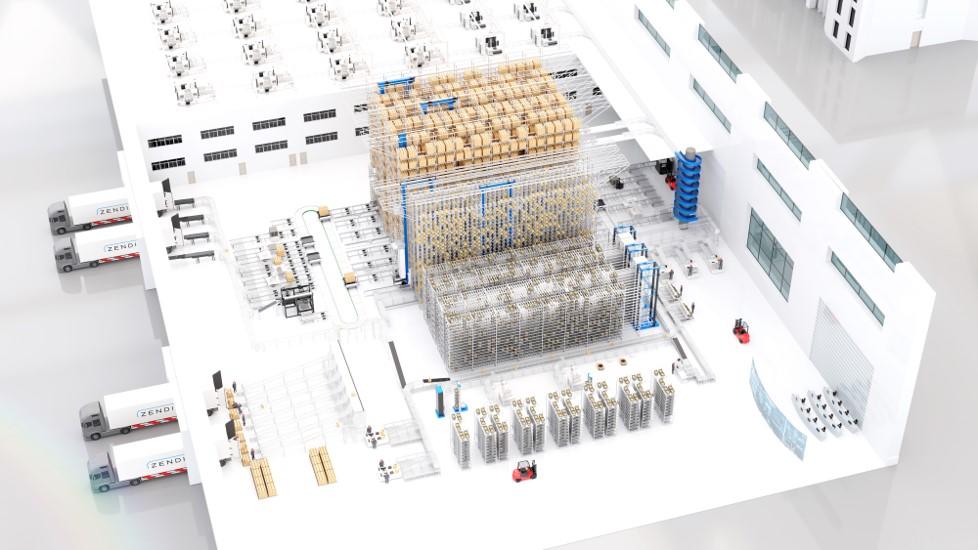
One-Stop Steward Service for the Entire Logistics System Integration Chain
Zhongding Intelligent (Wuxi) Technology Co., Ltd.