Czech Zuri Launches First Hybrid Cargo VTOL Aircraft, Raises €6 Million
en.Wedoany.com Reported - Czech aircraft developer Zuri has unveiled its first commercial product—an unmanned hybrid-electric cargo vertical takeoff and landing (VTOL) aircraft. The product is positioned to generate revenue more quickly as a primary goal, while continuing the company's previously announced passenger aircraft development direction.
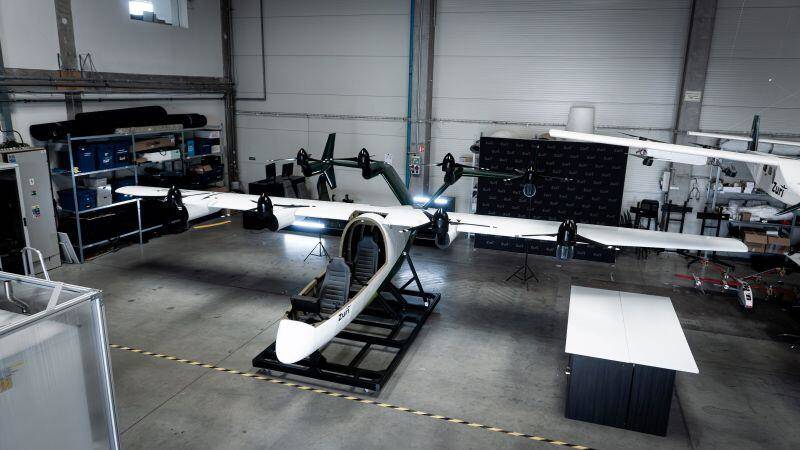
To support flight testing of the full-scale technology demonstrator 2.0 (TD 2.0), the Prague-based startup is raising the first €6 million ($7 million) of its Series A round. The demonstrator is currently in the system integration and ground testing phase, with its first flight scheduled for early 2027, followed by approximately nine months of flight test activities.
In the vision of founder and CEO Michal Illich, the cargo variant serves as a stepping stone to the planned passenger aircraft, allowing the company to generate revenue early without waiting for passenger model certification. He has invested nine years in this project and stated that he hopes to begin selling and delivering products to customers within the next few years.
To obtain initial operational approval under Europe's "Specific category," Zuri plans to use the Specific Operations Risk Assessment (SORA) framework and has already begun collaborating with the Czech civil aviation authority on this matter.
Initial missions are expected to focus on maritime and offshore logistics, such as delivering supplies to oil and gas platforms, ships, islands, and offshore wind facilities. Such operations offer emergency resupply opportunities while also helping to streamline the SORA risk assessment process due to limited contact with ground personnel.
The aircraft is designed with a cruise speed of 220 km/h (137 mph). Zuri states that with a 115 kg (254 lb) payload, it can fly 679 km (422 miles); with 30 minutes of reserve fuel retained, the range is 569 km. On shorter missions, the payload can be increased to 145 kg, while in a light-load reconnaissance configuration, the range can approach 1,900 km.
The aforementioned range relies on a hybrid propulsion system centered around an approximately 80 kW four-stroke piston engine that drives a generator. The engine is designed for flexible fuel operation, capable of running on aviation gasoline, automotive gasoline, or bioethanol, with the electronic control unit automatically adjusting operating parameters based on the fuel type.
According to Illich, the entire hybrid system achieves a specific energy of approximately 1,500 Wh/kg on a system-level basis, including the engine, generator, power electronics, fuel system, and fuel consumed during the mission; by comparison, most aviation batteries have a specific energy below 300 Wh/kg. He estimates that if the same aircraft architecture were converted to pure battery-electric propulsion, the mission range would likely be limited to 50 to 100 km.
TD 2.0 is designed to demonstrate flight performance largely consistent with the cargo product, with some functions adjusted before production. The demonstrator is undergoing component testing, with propulsion tests having reached approximately 90% of rated motor speed, and full-thrust testing is planned as the next step.
The production model will run extensive onboard automation. Multiple redundant flight computers handle tasks such as aircraft stabilization, waypoint navigation, and landing, while ground operators only supervise mission progress and issue higher-level commands, without the need for continuous manual piloting of the aircraft.
Zuri states that since 2018, the company has test-flown more than 15 test aircraft and has raised a total of €7.6 million to date, of which €1.1 million has been committed to the new Series A round. Existing funds are sufficient to support TD 2.0's first flight, and the new capital will be used to complete the flight test process and develop the demonstrator into a commercial product.
Civilian logistics remains Zuri's primary focus, though the unmanned aircraft has also attracted interest in defense applications. According to Illich, the same aircraft can undertake corresponding missions when fitted with different sensors.
Related Products
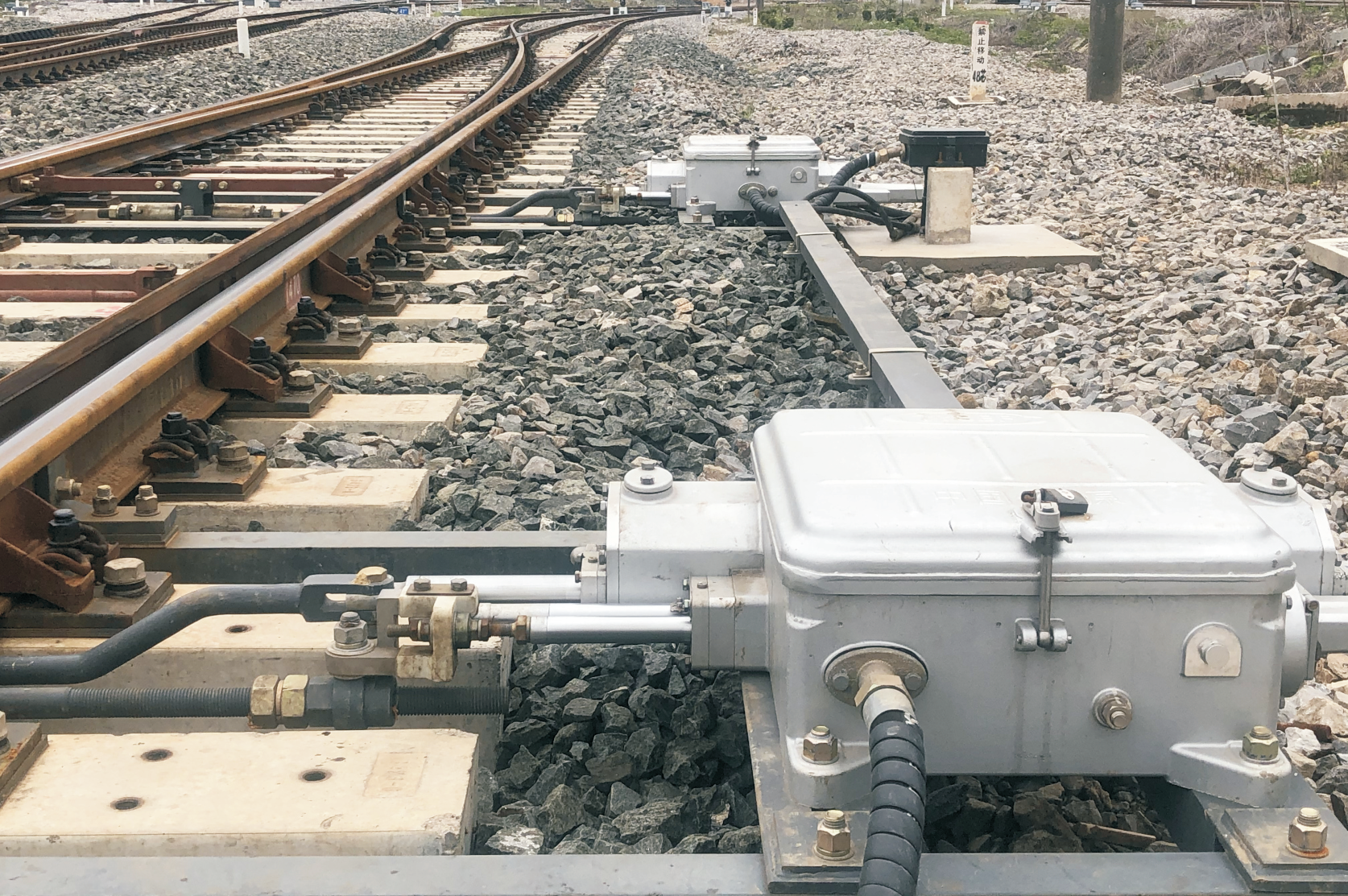

ZY(J)7(M) Sealed Type Electro-Hydraulic Turnout Machine
TAIYUAN CR JINGFENG EQUIPMENT TECHNOLOGY CO., LTD.
CLW5180TXSD6 Dongfeng Tianjin Washing and Sweeping Truck
ChengLi Special Automobile Co., Ltd.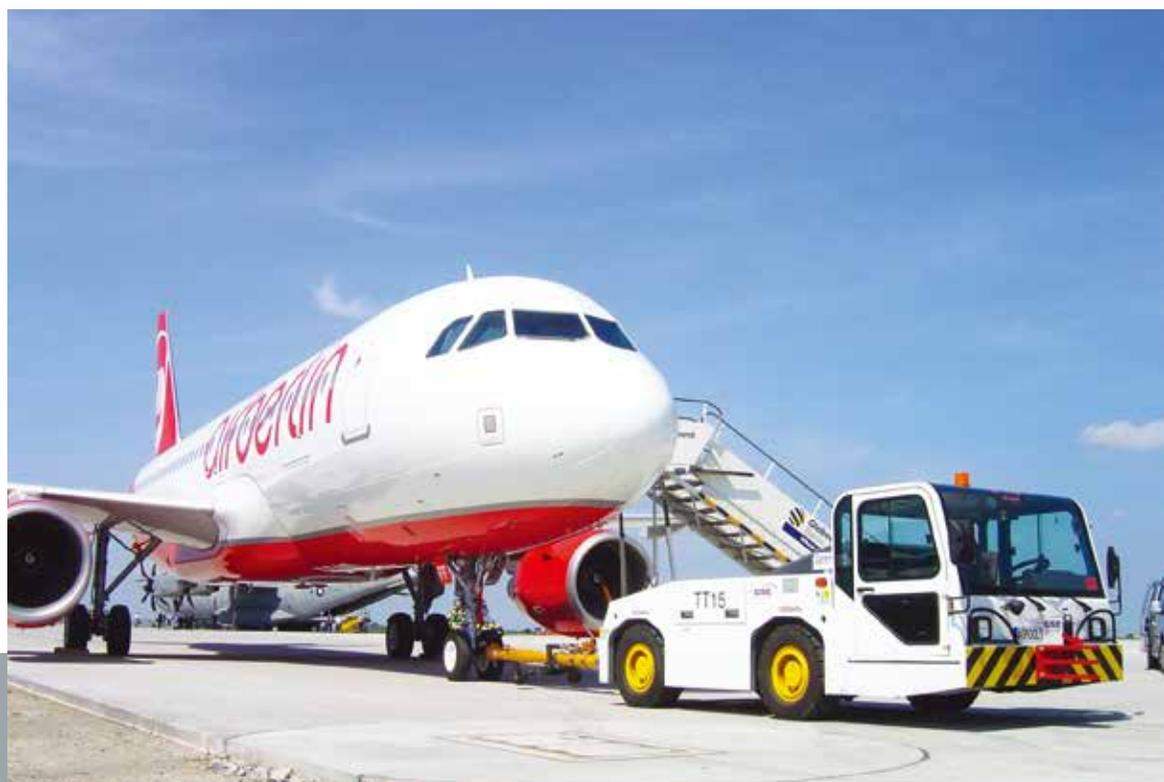
WGQY Series Aircraft Tow Tractor-WGQY15, WGQY27
Weihai Guangtai Airport Equipment Co., Ltd.
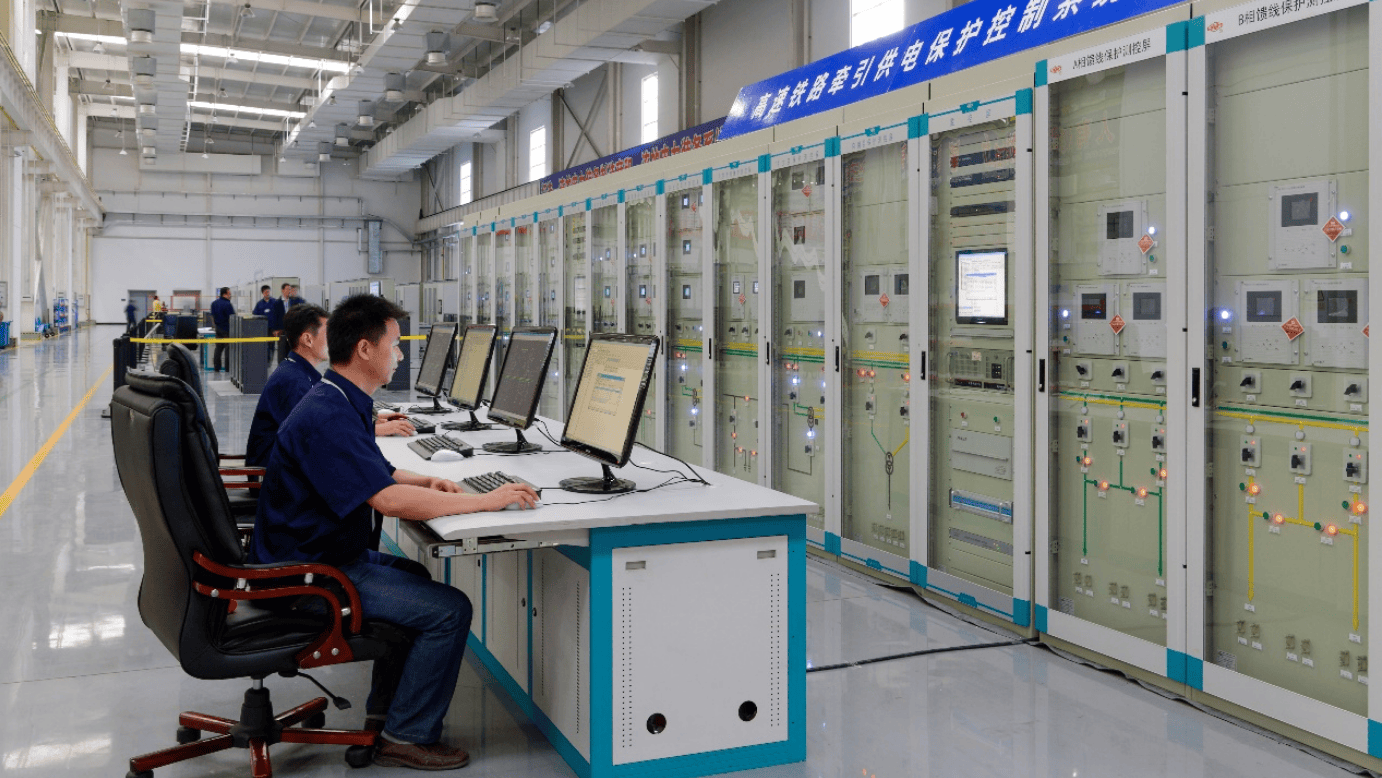
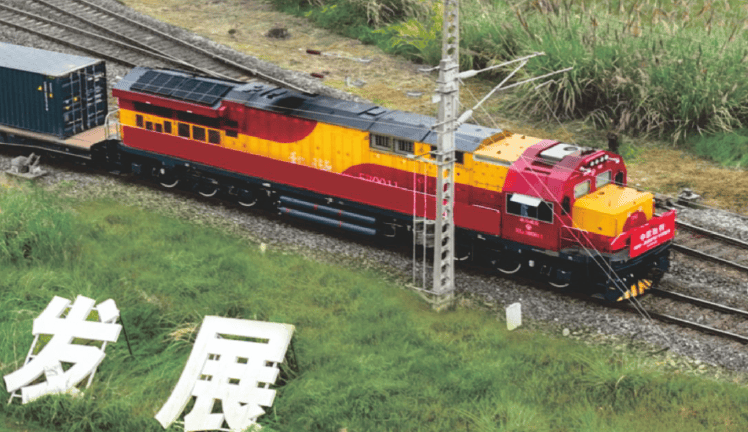

Pantograph-Catenary Comprehensive Detection Device (1C)
CHENGDU TANGYUAN ELECTRIC CO., LTD.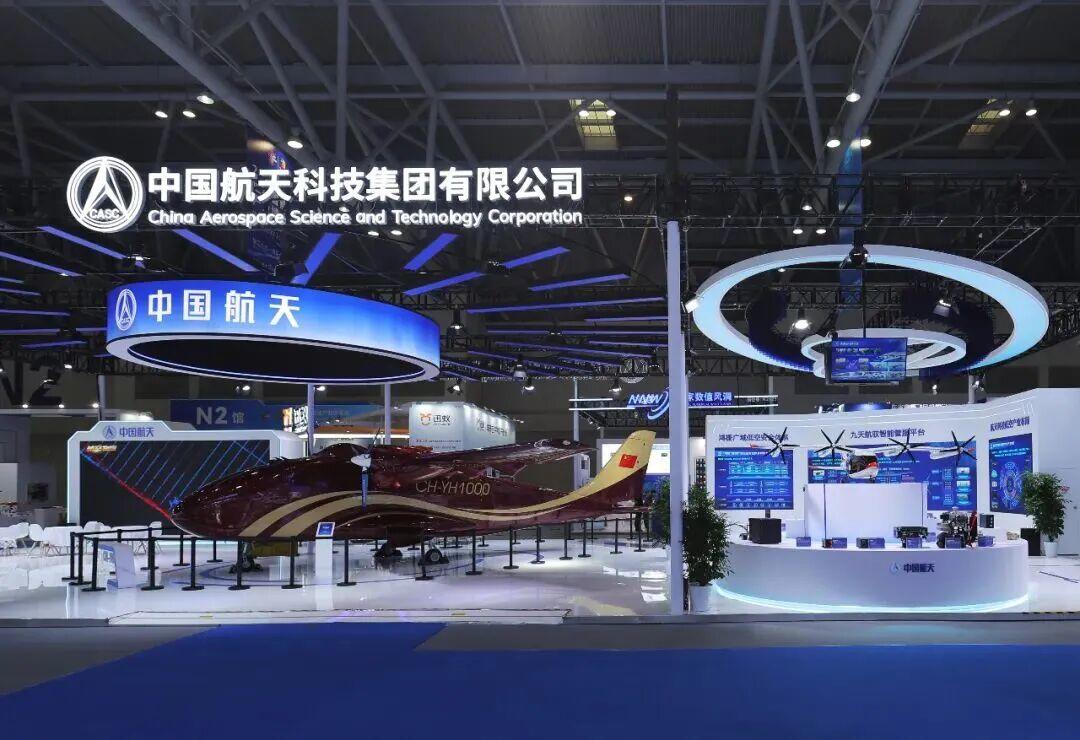
JiuTian OneSky Pilot—Intelligent Management And Service Platform
China Times Prospect Science & Technology Co., Ltd.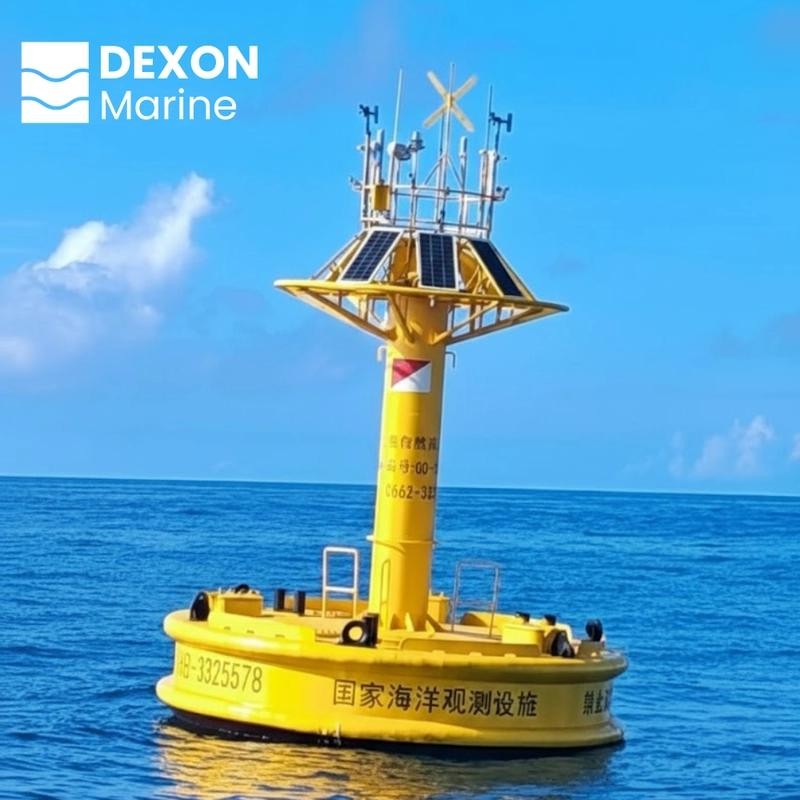
3m intelligent buoy combining navigation safety and real-time marine monitoring integrated navigation and marine monitoring system for real-time maritime data
Chengdu Dixin Technology Co., Ltd.