Brazilian Photovoltaic Association Submits 2027-2030 Agenda: 8 GW of Energy Storage, Among Others
en.Wedoany.com Reported - The Brazilian Photovoltaic Solar Energy Association (Absolar) recently submitted an agenda proposal for the 2027-2030 period to the next federal government, aiming to reduce renewable energy waste, enhance power system flexibility and reliability, expand access to clean energy, and transform Brazil's abundant renewable resources into a lever for attracting investment and driving national economic development.
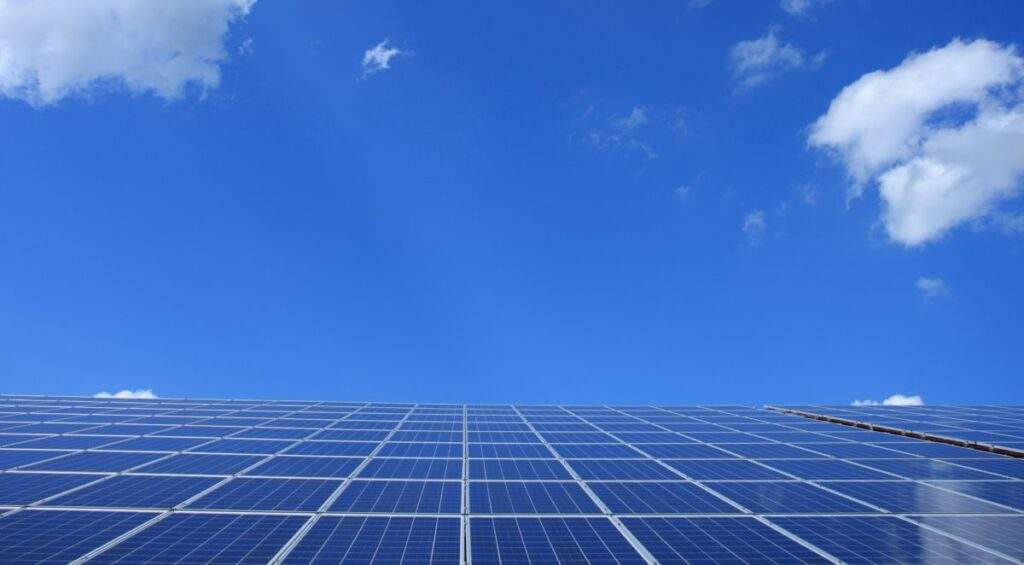
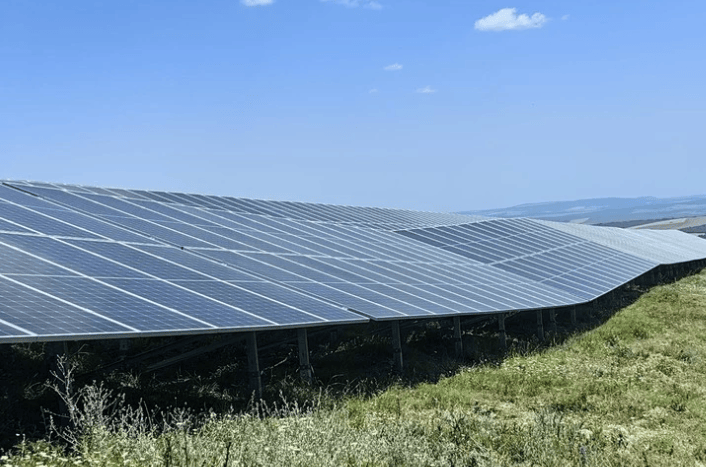
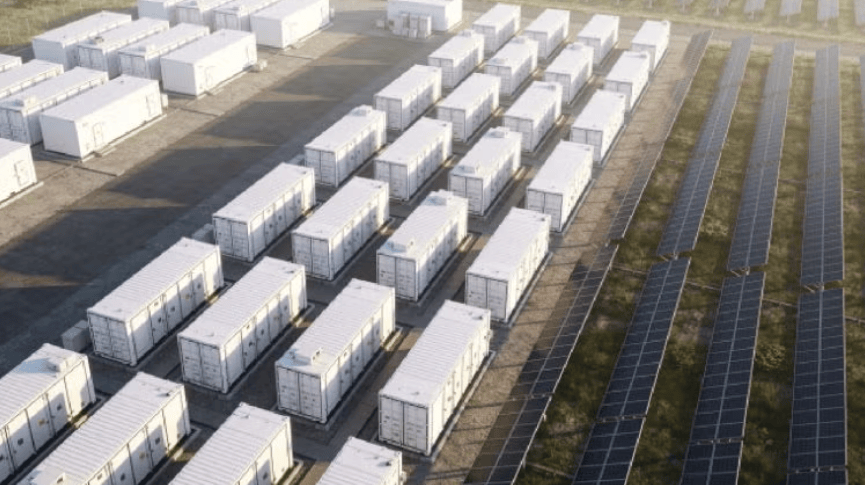
The agenda is structured around three main pillars: "Brazil Battery" (Bateria Brasil), "Energy that Employs" (Energia que Emprega), and "Solar for All" (Sol para Todos). Under the targets set in the proposal, by 2030 Brazil will contract at least 8 GW of energy storage systems, expand large-scale photovoltaic plants by 18 GW, and expand clean energy access to 3 million consumer units. The agenda was unveiled on August 25 during Intersolar South America, held from August 25 to 27 in São Paulo.
Under the "Brazil Battery" pillar, Absolar advocates for holding annual capacity auctions with technology neutrality, thereby establishing a solid market for energy storage systems and providing greater predictability for investments in this sector. The association also proposes expanding the combined application of batteries and photovoltaic generation, covering both new and existing self-consumption systems as well as large-scale photovoltaic plants. This initiative aims to address the main challenges currently facing the power sector—increased curtailment of renewable energy and insufficient operational flexibility. In 2025 alone, economic losses from renewable energy curtailment exceeded R$6 billion, while the industry still relies on thermal power during peak demand hours. Absolar believes that introducing energy storage systems is strategically significant, as it can store part of the currently curtailed electricity for later use, thereby enhancing system flexibility and efficiency. The proposal also addresses aligning battery tax burdens with those of renewable energy, as storage systems currently face tax rates of up to 84.8%, more than double those applied to renewable energy.
Barbara Rubim, Chairwoman of Absolar's Board of Directors, stated: "We need to move from a model where part of the renewable energy is wasted to a system that can store it and use it when it is most needed. Batteries are the technological key to providing flexibility to the system, reducing waste, and enhancing energy security, while also creating room for new industrial chains and billions of reais in new investments."
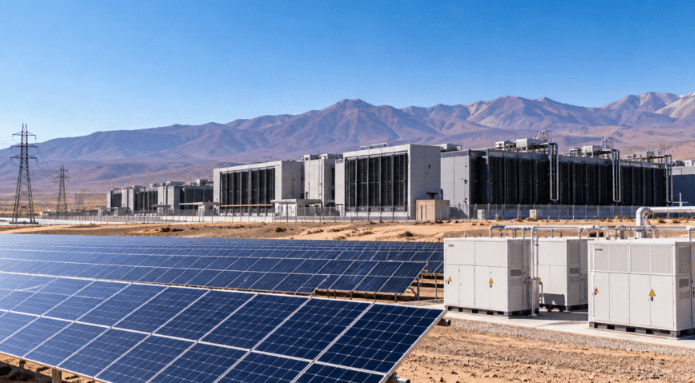
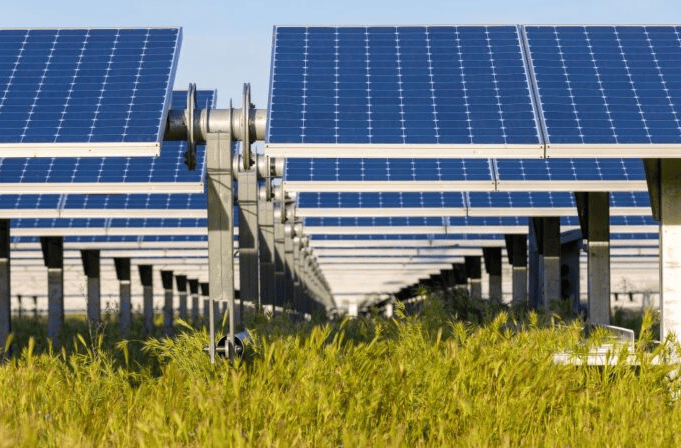
Under the "Energy that Employs" pillar, the agenda proposes leveraging Brazil's abundant renewable resources as a competitive advantage to attract new investments and strengthen the national economy. Absolar advocates for a national policy to encourage the installation of low-carbon electricity-intensive industries, data centers, green hydrogen projects, and other clean energy-intensive activities, highlighting opportunities related to the electrification of production sectors, electric mobility, and the export of clean electricity to neighboring countries. To realize this potential, the proposal includes transmission planning that directs infrastructure toward regions with higher energy availability and potential for new investments. Absolar believes that the coordinated expansion of renewable generation and the grid is key to converting Brazil's energy competitiveness into effective capital attraction. According to the agenda's plans, the addition of 18 GW of large-scale photovoltaic plants could attract R$59.4 billion in new investments by 2030 to meet the growth in demand associated with new electricity-intensive loads, without requiring new subsidies. Photovoltaic expansion also helps reduce costs related to supplying isolated areas and power sector charges such as the Fuel Consumption Account (CCC) and the Energy Development Account (CDE).
Rodrigo Sauaia, CEO of Absolar, added: "Brazil has a strategic advantage that few countries possess: the ability to generate competitive renewable electricity at scale. The next step is to turn this abundance into an economic advantage, attracting industries, data centers, green hydrogen, and new clean electricity-intensive businesses, while providing clean, affordable power to Latin American trading partners. To achieve this, we need long-term planning and infrastructure that matches this opportunity."
The "Solar for All" pillar focuses on achieving universal electricity service through the combination of photovoltaics and storage. Absolar proposes installing photovoltaic-plus-battery systems for 3 million consumer units, 500,000 of which are located in isolated systems. This initiative aims to expand access to clean, reliable energy while reducing dependence on more expensive and more polluting alternatives. Specific measures include holding annual auctions for isolated systems with a minimum renewable energy share of 50%, and replacing 100,000 diesel generators with photovoltaic-plus-battery systems, reducing fossil fuel use and associated supply costs while lowering pollution and noise for local residents.
Sauaia added: "Bringing photovoltaics and batteries to millions of consumers, even in remote areas, is an opportunity to combine energy inclusion, cost reduction, and sustainability. By expanding distributed generation and giving local residents more freedom and autonomy, we can replace more expensive and more polluting diesel generators with renewable systems with storage, generating enormous economic and environmental benefits."
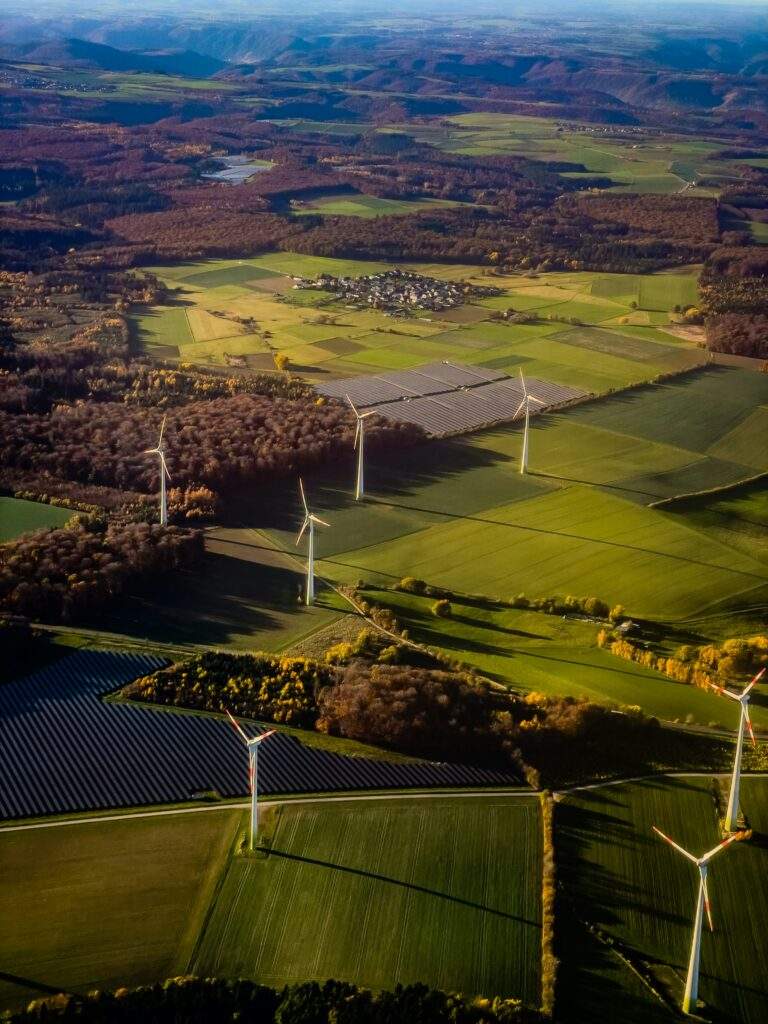
Absolar states that the common thread across these three pillars is reducing the structural costs of the power system and making better use of the country's existing renewable resources without adding new burdens to electricity bills. Rubim concluded: "We are not adding new costs for consumers, but rather taking measures to reduce inefficiencies and make better use of what Brazil already has. The country can turn its renewable energy into more investment, jobs, competitiveness, energy security, and sustainability. This is a national agenda that should span the coming years and guide the planning of Brazil's power sector."
Related Products

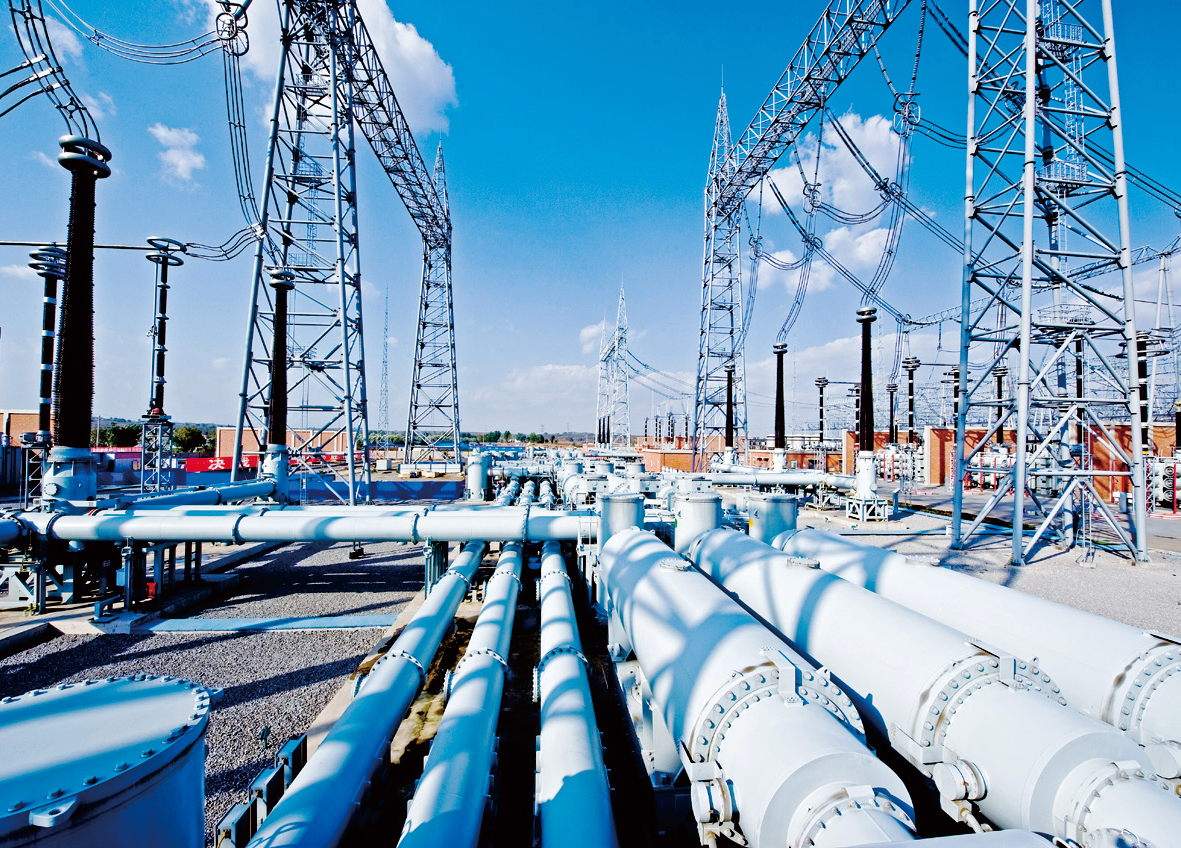
40.5kV-1100kV Gas Insulated Metal-Enclosed Switchgear (GIS)
Henan Pinggao Electric Co., Ltd.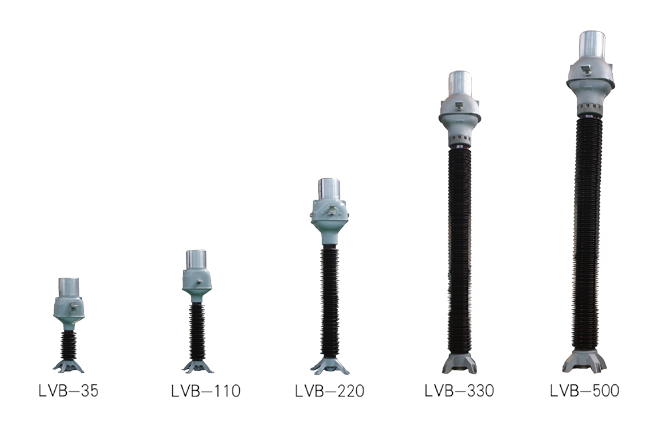
LVB Series 35-500kV Oil-immersed Inverted Current Transformer
Shandong Taikai Instrument Transformer Co., Ltd.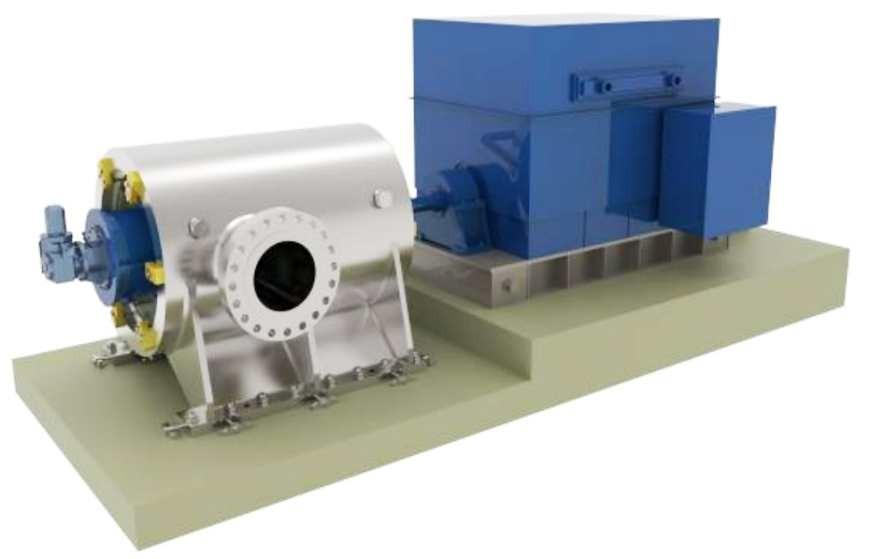
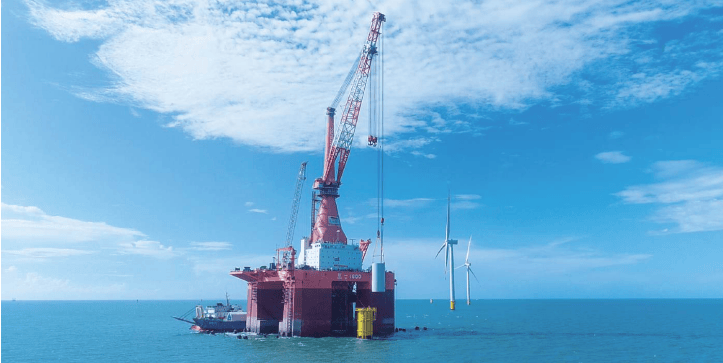
"Shunyi 1600" Deep-submerging Bottom-sitting Multi-functional Wind Power Engineering Vessel
Zhengli Offshore Engineering Co., Ltd.
Off-Grid Fuel Cell Supercharging Station (180kW Configuration)
Shanghai REFIRE Group Limited