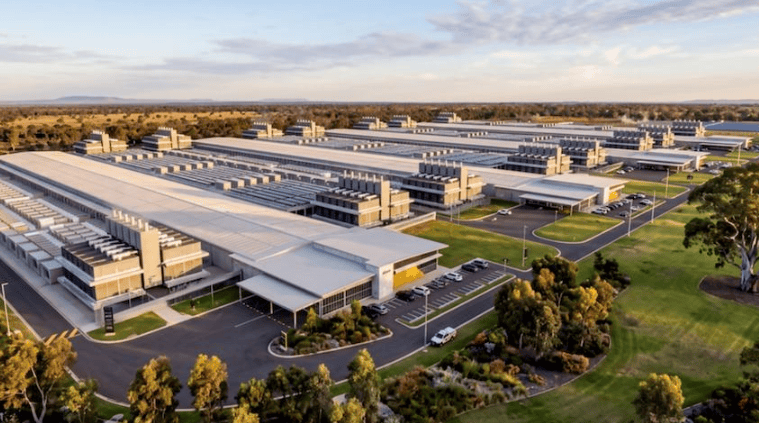
China's First Immersion Liquid-Cooled Computing Pod Put into Operation: Giving Servers a "Cold Bath"
en.Wedoany.com Reported - On August 30, CCTV-2's financial program "World Business" aired a news segment titled "Computing Power Industry Watch: China's First Immersion Liquid-Cooled Computing Pod Put into Operation, Giving Servers a 'Cold Bath'," reporting that the country's first immersion liquid-cooled computing pod has been put into operation in Guiyang, Guizhou.
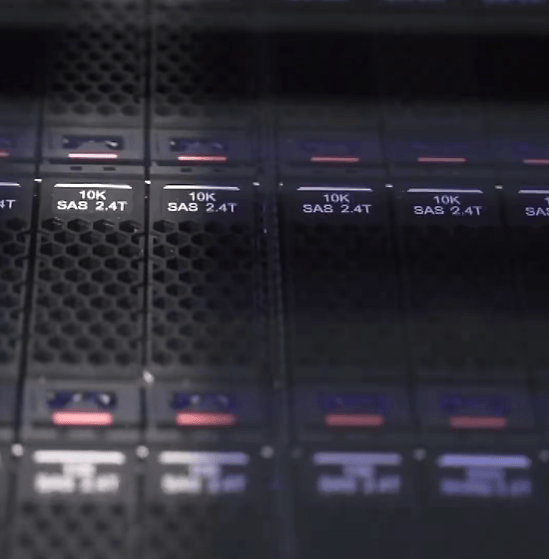
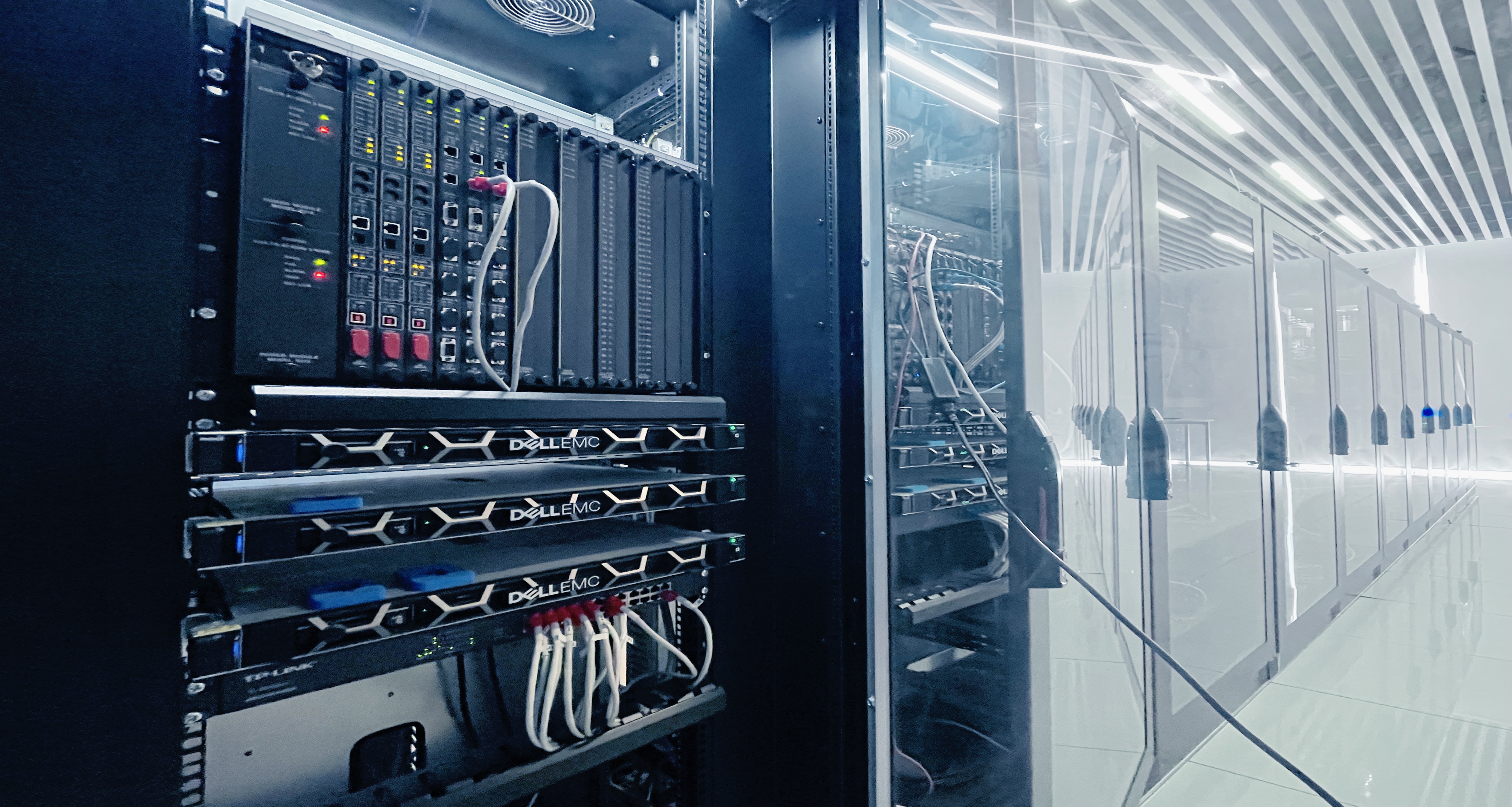
Currently, with the explosive growth in AI demand, the power of single-rack computing units is also surging, which has created challenges for heat dissipation. Liquid cooling technology is replacing traditional air cooling. Recently, China's first immersion liquid-cooled computing pod was put into operation in Guiyang, Guizhou, conducting rigorous compatibility tests on four different types of coolants.
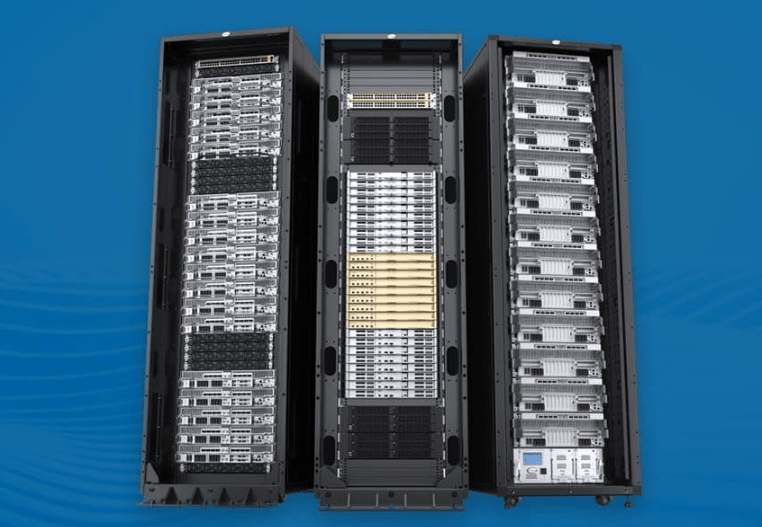
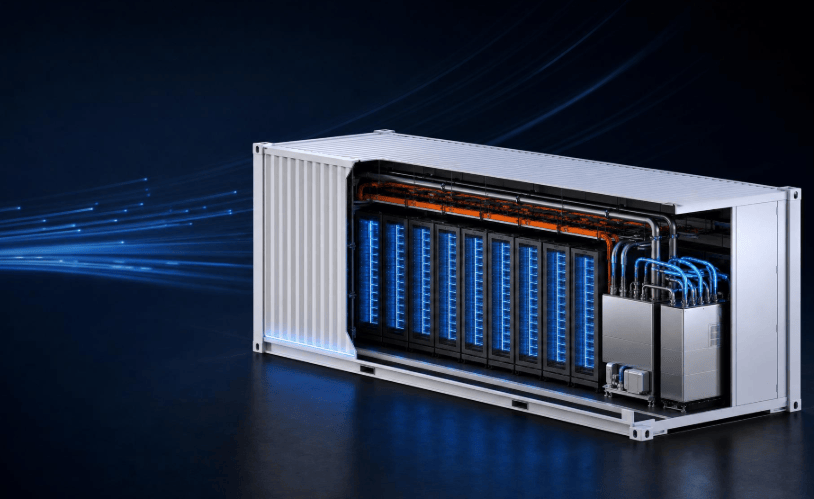
The core device of the immersion liquid-cooled computing pod resembles an upright freezer in appearance, with servers immersed in coolant. The coolants include silicone oil, fluorinated fluid, synthetic oil, and reclaimed transformer oil. Among them, silicone oil is non-toxic, harmless, safe to touch by hand, and insulating. After extended testing, the commercial viability of these coolants will be verified for future use, providing cooling services for higher-performance servers.
As the power consumption of intelligent computing servers continues to rise, traditional air cooling technology can no longer effectively address the heat dissipation challenges of high-power computing chips. Full immersion liquid cooling has emerged as a solution, much like giving an overheated server a "cold bath."
Li Xun, Technical Lead of the Computing Pod Project at China Southern Power Grid Guizhou Power Grid Company: With traditional air cooling, computing one kilowatt-hour of tasks requires an additional 0.3 to 0.5 kilowatt-hours for heat dissipation; with full immersion liquid cooling, computing one kilowatt-hour of tasks requires only an additional 0.15 kilowatt-hours for heat dissipation.
This project focuses on research into coolants for liquid-cooled computing pods, developing low-cost coolants that balance both economy and heat dissipation performance. At the same time, it conducts compatibility research based on four coolants—silicone oil, synthetic oil, reclaimed transformer oil, and fluorinated fluid—to address the challenge of high energy consumption in data centers.
Guo Junfeng, Deputy General Manager of the Electric Computing Engineering Company under the Digital Research Institute of China Southern Power Grid: Fluorinated fluid offers the best performance, with good compatibility with all server materials and no need for major server modifications, but it is expensive, has some volatility, suffers losses, and requires regular replenishment. Silicone oil is closest to commercialization because it is the most stable and relatively inexpensive, but its performance still needs improvement.
Industry insiders say that with technological iteration and declining costs, immersion liquid cooling is expected to gradually replace traditional cold plate liquid cooling systems.
Guo Junfeng, Deputy General Manager of the Electric Computing Engineering Company under the Digital Research Institute of China Southern Power Grid: Currently, cold plate technology is the most commercially mature and widely adopted, and it is relatively simple to retrofit traditional servers. However, when single-unit power exceeds 100 kilowatts, cold plate technology can no longer solve the problem, and other technical approaches are needed. We believe immersion cooling is an excellent solution.
Related Products


Conveyor Belt Intelligent Monitoring System
LUO YANG WIRE ROPE INSPECTION TECHNOLOGY CO., LTD.

Multi-function Marine Monitoring Low-altitude Detection Radar Sea-air Boundary Ocean Dynamic Environment Measurement
Chengdu Dixin Technology Co., Ltd.
KJD127(A) Mining Explosion-Proof and Intrinsically Safe Computer
Taiyuan Xiangming Intelligent Control Technology Co., Ltd.
20 Inch 1600*900 Full HD 60Hz TFT LED Monitor with VGA and DP Interfaces for Desktop Computers-Business Use
Guangzhou Zanying Optoelectronics Technology Co., Ltd.