Portugal Opens Public Consultation on National Energy Storage Strategy Targeting 6.9 GW by 2030
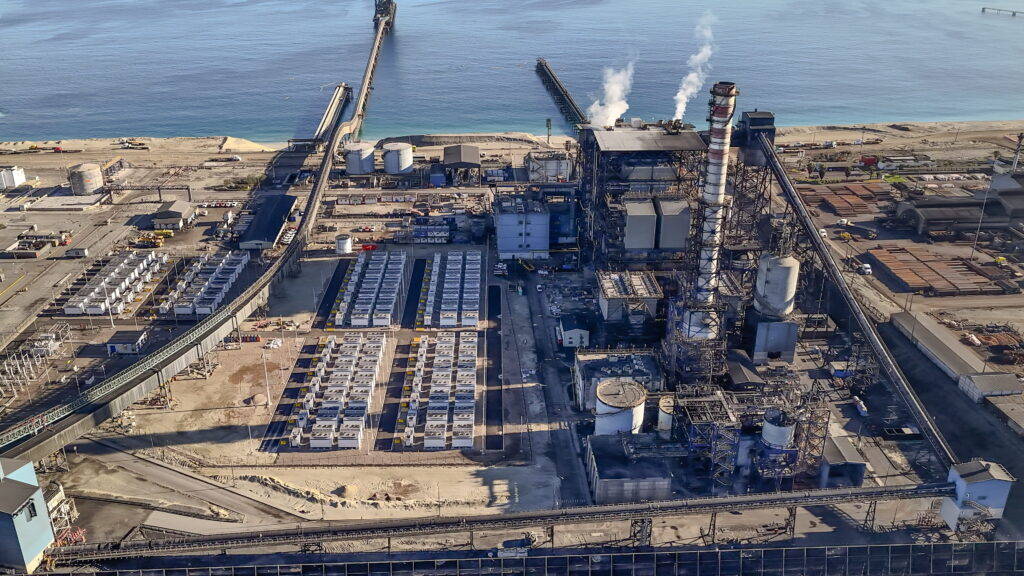
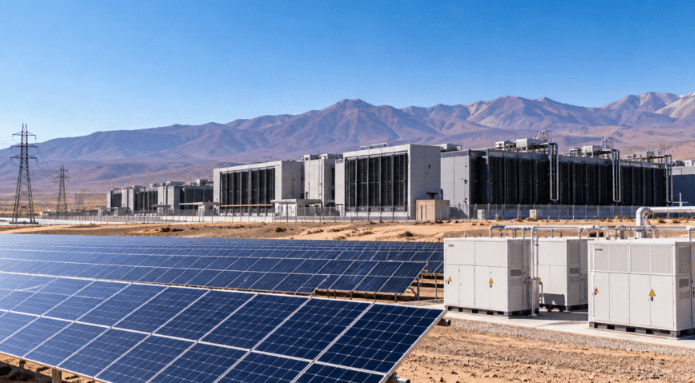
en.Wedoany.com Reported - The Portuguese government has opened a public consultation on the National Energy Storage Strategy (ENAE), planning to accelerate the integration of energy storage systems into the national power system, with a target of increasing installed energy storage capacity to 6.9 GW by 2030 and 9.76 GW by 2040. The consultation period ends on September 16, 2026.

The strategy is based on technical research conducted by three institutions—INESC TEC, INESC-ID, and IN+—which are part of Portugal's INESC Research and Development Institute network. The strategy outlines measures across four pillars: economic value creation and participation in system services, regulatory framework, streamlined grid connection processes, and technological innovation.
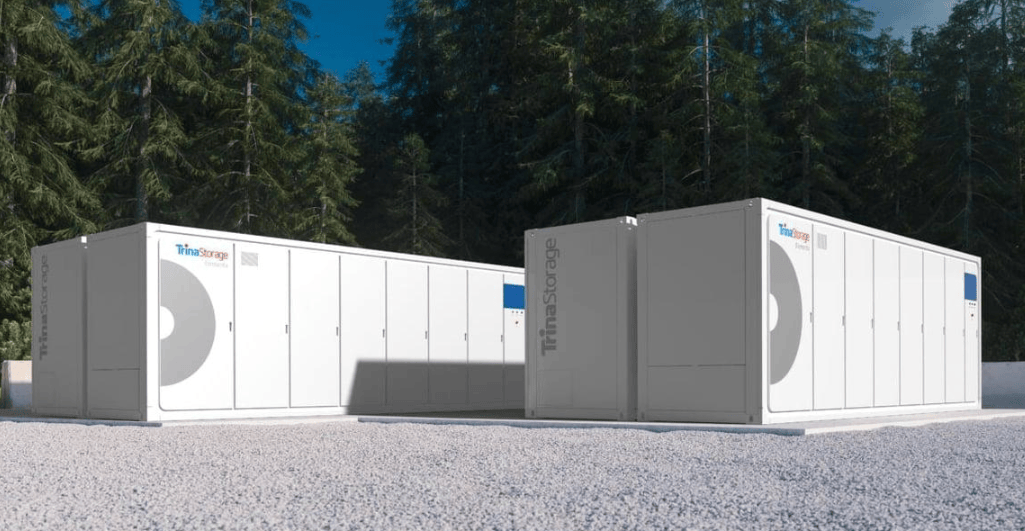
The strategic targets encompass pumped hydro storage, batteries, and other large-scale energy storage technologies, while also proposing supporting measures for distributed storage and demand-side flexibility, including hydrogen production, electric vehicle charging, and heat pumps.
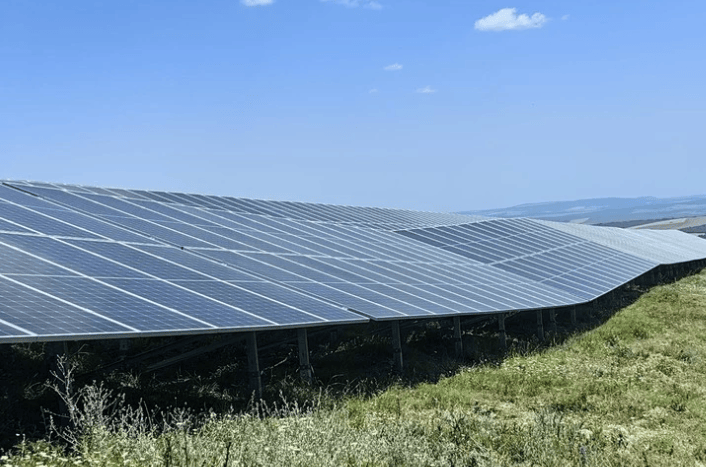
The technical analysis underpinning the strategy shows that energy storage must help renewable energy sources account for 82% to 85% of electricity generation by 2030, with penetration continuing to rise to between 89% and 91.4% by 2040. The document highlights that storage can enhance the profitability of solar power by increasing the electricity prices captured by solar generation and reducing losses during periods of high renewable output. The study also cautions that if storage capacity significantly exceeds the projected targets, it could lead to diminishing marginal returns and even trigger economic "self-cannibalization" among storage assets.
One of the core elements of the strategy is creating an economic environment that enables project financing. Portugal proposes establishing a complementary remuneration structure (a "value stacking" approach) that combines electricity markets, system services, and capacity mechanisms. Storage should participate in future capacity mechanisms under non-discriminatory conditions, on par with other technologies, with these mechanisms recognizing both fast-deploying, shorter-duration solutions (such as batteries) and large-scale, long-duration storage assets (such as pumped hydro).
The ENAE plans to develop new markets for services such as fast frequency response, virtual inertia, and voltage regulation, with particular emphasis on the grid-forming capabilities of storage system inverters. The document argues that combining synchronous compensation with storage operating in grid-forming mode can provide a technically robust and economically balanced solution for the dynamic stability of the Iberian power system.
On the grid side, the strategy proposes releasing grid capacity occupied by projects with no implementation feasibility, accelerating approval processes, and facilitating grid connections for standalone or co-located storage facilities, while also aiming to eliminate potential double-charging penalties on electricity tariffs. In terms of innovation, Portugal plans to strengthen research in sodium batteries, flow batteries, long-duration storage, recycling, and digitalization, and is considering studying seasonal storage solutions such as salt cavern hydrogen storage and compressed air energy storage in geological formations.
Related Products

Perfluorinated Ionic Membrane-CM-10N Series Membrane
Guizhou Juneng Century Technology Co., Ltd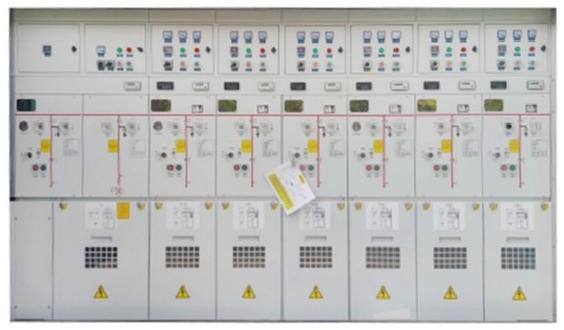
NISELA Series Environmentally Friendly Gas-Insulated Ring Main Unit
XJ DELISHIER ELECTRIC CO., LTD.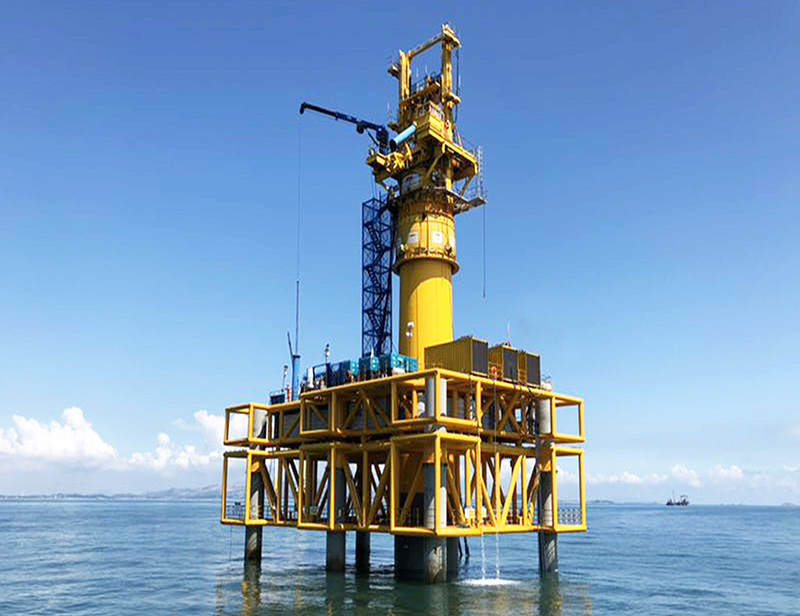
CITIC Heavy Industries Offshore Wind Power Equipment Hydraulic Pile Hammer
CITIC Heavy Industries Co., Ltd.

40.5kV-1100kV Gas Insulated Metal-Enclosed Switchgear (GIS)
Henan Pinggao Electric Co., Ltd.
Forest and Grassland Heat Source Infrared Monitor
China Huayun Meteorological Technology Group Co., Ltd.
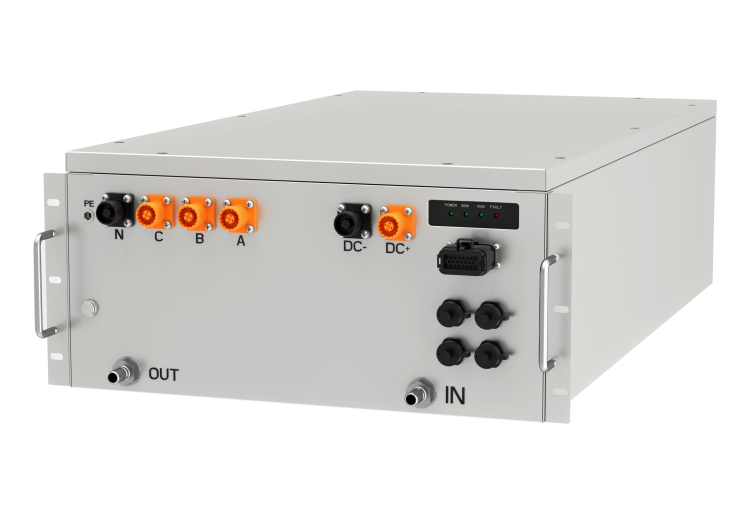
Mars (Liquid Cooling) Series Industrial and Commercial Energy Storage Converter High Protection Module
Shenzhen Winline Technology Co., Ltd.