Global Injection Pen Market Expected to Reach USD 113.58 Billion by 2034
en.Wedoany.com Reported - The global injection pen industry is undergoing deep technological iteration and capacity expansion. In recent years, the number of patients with chronic diseases such as diabetes, obesity, and autoimmune diseases has continued to grow, driving the expansion of the global biologics and long-term chronic disease management market. Insulin, growth hormone, and next-generation glucose-lowering and weight-loss drugs represented by GLP-1 receptor agonists are continuously iterating, placing higher demands on dosing accuracy, operational convenience, and patient compliance. Compared with traditional syringes, injection pens integrate dose setting, drug delivery, and safety protection into a compact structure, and have become the mainstream device for subcutaneous injection of such chronic diseases, upgrading under trends such as intelligent connectivity, innovation in high-dose delivery forms, and green sustainable development.
Market data confirms this trend. According to Fortune Business Insights, the global injection pen market was valued at approximately USD 44.68 billion in 2025, is expected to reach USD 49.36 billion in 2026, and grow to USD 113.58 billion by 2034, with a compound annual growth rate of approximately 10.98% during the forecast period. The expansion of the chronic disease management market and the ramp-up of GLP-1 drugs are the main driving factors.
The strong drug demand has already transmitted to the manufacturing end. In 2024, Novo Nordisk completed the acquisition of three filling and finished product manufacturing sites from Catalent, and advanced the expansion of its facilities in Denmark, France, Brazil, China, and the United States, with capital expenditures for production expansion and related acquisitions exceeding DKK 129 billion that year. Eli Lilly announced in 2023 an investment of USD 2.5 billion to build an injectable drug and delivery device site in Alzey, Germany, with operations planned to begin in 2027.
Specialized device companies are expanding capacity in parallel. In 2024, Ypsomed added 30 injection molding machines and 3 assembly lines in Schwerin, Germany, increasing annual output by approximately 100 million injection pens and autoinjectors, with subsequent expansion projects expected to add another 400 to 500 million units of annual capacity. Its Changzhou facility commenced production in 2025, providing up to 100 million injection devices annually for the Chinese market. SHL Medical has activated a new manufacturing plant in South Carolina, USA, equipped with medical device injection molding and fully automated assembly capabilities. The competitive focus of the industry chain has shifted from simply expanding drug production volume to medical-grade material supply, precision molds, large-scale injection molding, automated assembly, and quality verification.
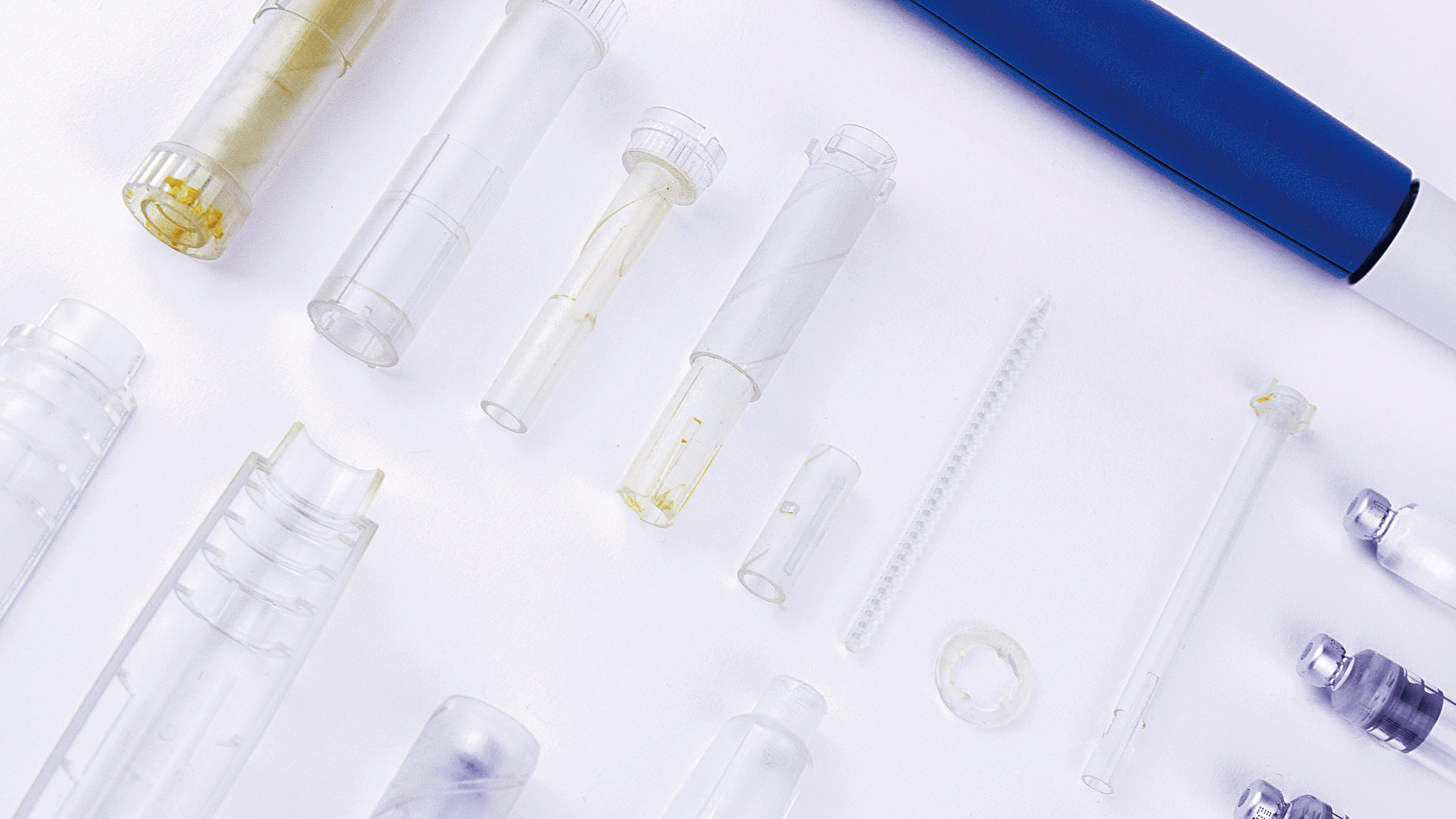
For the plastics industry, the injection pen is not a simple medical consumable but a concentrated embodiment of materials science, precision mechanics, industrial design, and large-scale manufacturing capability. From the cap, housing, and cartridge shield to internal gears, ratchets, lead screws, and guide mechanisms, a large number of components in an injection pen are made of plastics. Whether the product can deliver stable, accurate, and repeatable dosing depends largely on the synergy between materials, structure, and process. The injection pen resembles an ordinary writing pen in appearance, but inside it is a precision mechanical system: a typical product consists of a housing, cap, cartridge shield, dose dial, injection button, and internal drive mechanism. Except for the cartridge and some metal parts such as springs, most components can be manufactured from plastics. Different drugs and dosing regimens impose different requirements on the mechanical structure. Insulin products emphasize operational convenience and long-term reliability under frequent use, while low-frequency dosing products such as weekly formulations focus more on ease of operation and patient psychological burden, and need to accommodate high-dose and high-viscosity drug solutions. Dr. Stephen Knowles, Managing Director of IDC UK, stated that the injection pen structure can be adjusted according to dose requirements, but such adjustments are usually made within a broadly similar mechanical architecture, by replacing one or two components in the drive mechanism. Since injection pens must simultaneously meet requirements for safety, stability, biocompatibility, and scalable manufacturing cost, there is no "universal material" that can cover all components. The common practice is to match different material systems to different components based on stress, friction, dimensional stability, transparency, and processing conditions.
Polypropylene (PP) is a widely used base material in disposable injection pens, commonly used for components such as caps, housings, and cartridge shields. PP has low density, good processing flow, and a mature medical application base, making it suitable for high-speed injection molding and large-scale production at low cost. As appearance quality and sustainability requirements increase, low-odor, high-transparency, and low-carbon-footprint are becoming key development priorities for medical-grade PP.
What truly affects internal motion precision are engineering plastics such as POM, PA, and PBT. Inside the injection pen, there are rotating, sliding, and meshing mechanisms. Gears, sliders, ratchets, drive lead screws, and locking mechanisms must maintain stable engagement under repeated operation. POM, with its low friction coefficient, good fatigue resistance, and dimensional stability, is commonly used for transmission and friction components. Glass-fiber-reinforced PA provides higher rigidity and fatigue resistance for parts subjected to greater loads. PBT combines dimensional stability, heat resistance, and processability, and can be used for internal structural parts requiring high assembly precision. For particularly demanding functional requirements, polyetheretherketone (PEEK) may also be used, but its high cost and processing difficulty limit its use to cases of absolute necessity. Overall, the core of material selection is not simply upgrading, but achieving a balance among function, manufacturing, and cost.
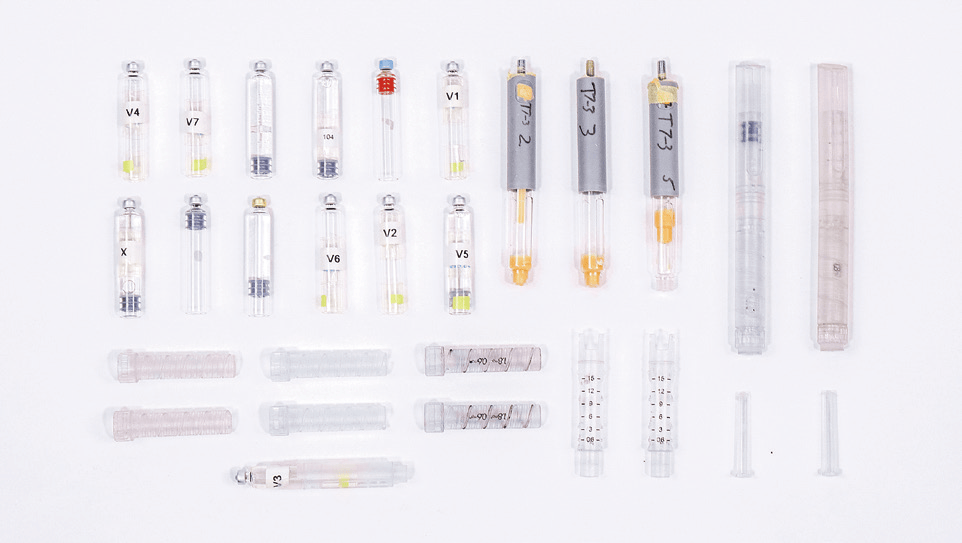
Beyond materials, precision manufacturing determines product reliability. Injection pens contain numerous small precision parts. Dimensional fluctuations, warpage, flash, or assembly deviations can affect dose setting, transmission efficiency, and user safety. Product consistency depends not only on materials but also on molds, injection molding, assembly, and full-process quality control. Components such as ratchets, lead screws, and gear rings in the dose-setting mechanism are small in size but perform complex motion functions, requiring stable meshing under batch production and long-term use. The industry typically employs all-electric injection molding equipment, medical-grade hot runners, cavity pressure monitoring, and strict temperature and holding pressure control to reduce shrinkage variation and warpage, improving dimensional accuracy and batch consistency. For medical plastics processors, the greatest challenge is often not whether complex structures can be produced, but whether qualified parts can be repeatedly produced over long-term production runs. Relevant products must undergo design verification, process validation, and ongoing process confirmation to keep equipment, molds, materials, and process parameters in a controlled state. Compared with general consumer products, medical devices have higher requirements for change management, documentation integrity, and batch traceability.
Minor deviations in mold and assembly processes can be amplified at each level. Inside the injection pen, there are numerous sliding, rotating, and locking structures. Mold design must coordinate dimensional tolerances, demolding direction, gate location, cooling efficiency, and assembly fit. Minor flash on toothed structures can increase dial resistance, and loss of dimensional control in guide structures can cause sticking or wear. High-precision mold machining and CAE flow analysis are important tools for optimizing gates, cooling, and shrinkage compensation. Multi-material combinations further increase the difficulty of dimensional management. PP, POM, PA, and PBT have different shrinkage characteristics, and mold engineers must compensate during the design phase and coordinate part tolerances with overall assembly tolerances. If the tolerance chain and kinematic relationships are ignored, even if individual parts are each qualified, the assembled product may still exhibit abnormal operating force or dose deviation.
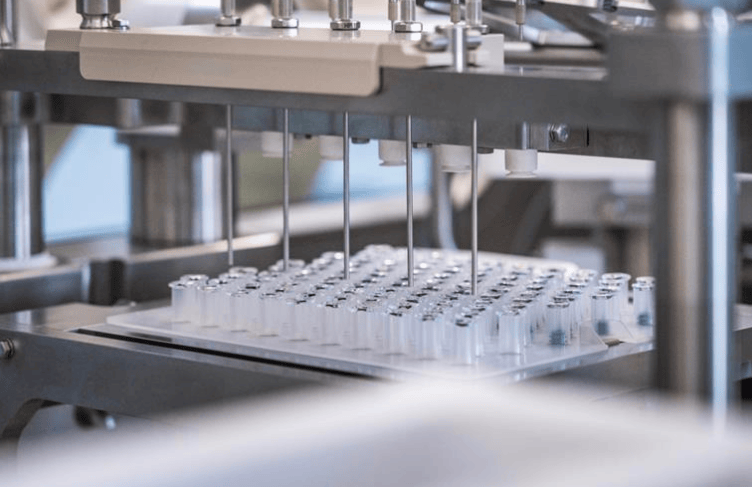
Clean production and automated inspection are becoming basic thresholds. Companies must configure clean environments according to product use and risk. ISO 14644 provides the foundational framework for cleanrooms and controlled environments, with some components and assembly processes adopting ISO Class 8 or higher environments. Robotic assembly, torque and force monitoring, dimensional measurement, vision inspection, and functional testing can reduce human variability and shift quality control from final sampling to in-process monitoring.
Regarding the pace of development of materials and processing technologies, Dr. Stephen Knowles expects that plastic materials and processing technologies will not undergo fundamental changes in the next 5 to 10 years, with performance and processes improving incrementally. Given that the cost of delivery devices is critical, expensive high-tech materials will only be used in extremely specific areas. He also anticipates increased material sustainability, with future materials offering performance comparable to existing materials while being more environmentally friendly in production and having a smaller environmental impact at end of life.
High-concentration biologics and long-acting formulations are reshaping the design boundaries of delivery devices. To reduce injection frequency and extend dosing intervals, some drugs adopt higher-concentration or higher-viscosity formulations, increasing the injection force required to push the drug through the needle, placing a greater operational burden on traditional manual devices. Under similar needle gauge and injection speed conditions, higher drug viscosity generally results in greater injection resistance. Simply reducing injection speed prolongs administration time, while increasing needle inner diameter may increase pain and patient psychological stress. The industry is therefore focusing more on mechanical structure, friction control, and drive methods, improving the user experience by reducing internal energy loss, improving force transmission efficiency, and optimizing the injection process. This places higher demands on plastic components. Internal transmission mechanisms must use stable low-friction material combinations, and lead screw, guide, and locking components must control creep, wear, and dimensional change under higher loads. Material evaluation must shift from single physical property indicators to system-level performance, assessing material behavior under actual structures, real loads, and expected service life conditions.
For high-viscosity drugs, the industry is also exploring multiple technical pathways, including improving drug diffusion in subcutaneous tissue, reducing flow path resistance, adopting new coating or lubrication solutions, and developing motor-driven pump and wearable delivery devices. Different pathways correspond to different drug characteristics, dose ranges, and use scenarios, and there is currently no single solution applicable to all products. The autoinjector is one of the more notable directions. When the dose reaches approximately 1 to 3 mL, the drug viscosity is relatively high, or the product places greater emphasis on simplifying patient operation, autoinjectors often offer advantages over traditional manual injection pens. Spring-driven mechanisms can provide relatively stable injection force, reducing the need for sustained patient effort.
Competition in the global injection pen market is reflected not only in product performance but also in intellectual property, regulatory certification, and global development capabilities. Leading international pharmaceutical and device companies have long built patent portfolios around dose setting, drive structures, safety protection, and user interfaces, creating high entry barriers. Dr. Stephen Knowles emphasized that most of these patents focus on the structural design and functional implementation of injection pens and typically do not explicitly limit specific materials. Simply changing materials or adjusting manufacturing processes generally cannot avoid patent infringement risks. For companies targeting international markets, the breakthrough lies in independent design, platform-based development, and systematic patent portfolio building. A comprehensive patent landscape search of target markets should be conducted at the product concept stage. If material suppliers and processors can enter the development process earlier, the synergy among material selection, structural manufacturability, and patent avoidance will also be more effective.
Regulatory compliance also requires advance planning. ISO 11608 is an important international standard for the design and verification of needle-based injection systems, covering dose accuracy, mechanical reliability, environmental adaptability, and user safety. Dr. Stephen Knowles stated that from a regulatory perspective, the United States and the European Union are the two most challenging markets. In addition to meeting ISO 11608, these two markets also require compliance with FDA, EU MDR, and product-applicable regulations. Standard conformity does not equal market access approval. Risk management, usability engineering, material and process validation, and technical documentation must form a complete chain of evidence. He also noted that the most important factor for successful product internationalization is planning and understanding. Some Chinese manufacturers lack adequate planning in patent or regulatory approval, resulting in products that cannot be sold in the most important markets, which in most cases means restarting product development.
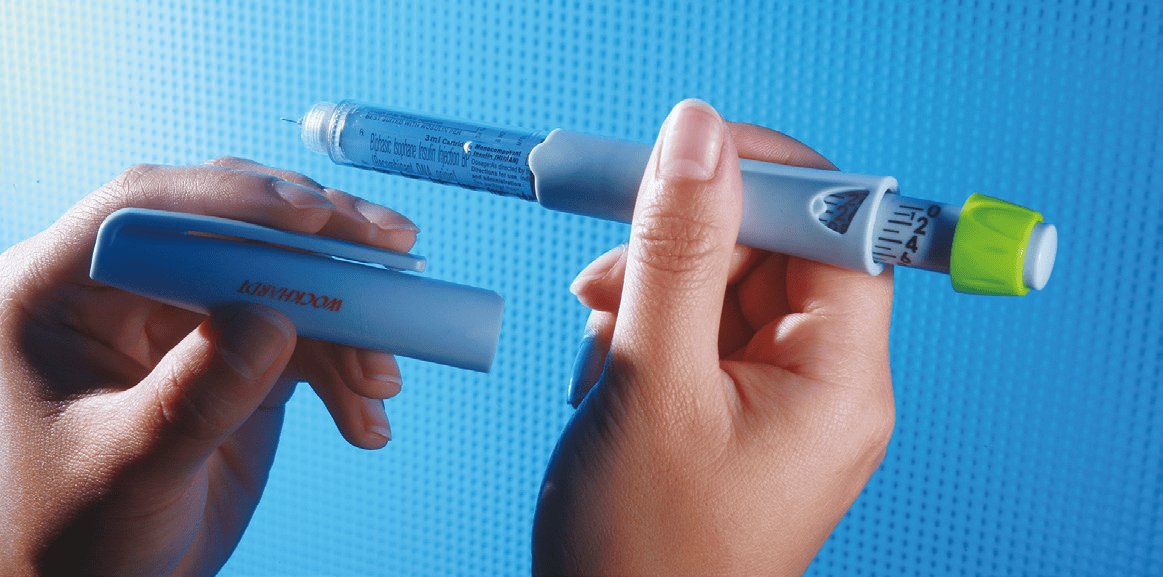
IDC UK can help companies develop structured development plans to meet overseas market sales requirements. The development process includes not only design and engineering but also extensive testing, analysis, risk assessment, and full-process documentation. Its collaboration cases include Shanghai Benemae Pharmaceutical Corporation, Indian pharmaceutical company Wockhardt, and Indian precision plastics manufacturer Shaily Plastics.

Domestic company Hanerxi (Suzhou), founded in 2014, is the earliest and currently the only pen injector R&D enterprise in China with independent intellectual property rights. It has evolved from a single technology route to a multi-series, multi-product commercial layout, having developed 25 products to date, covering the application needs of all GLP-1, insulin, and other cartridge or pre-filled syringe (PFS) packaged drugs on the market. Its products feature six core technologies: blind injection capability, high injection accuracy, dynamic zero-position control, front residual volume protection, smooth injection force, and high-lubricity materials. Injection accuracy complies with ISO 11608, with absolute accuracy of less than one metering unit and relative accuracy not exceeding 5%.
In the coming years, the mainstream plastics systems for injection pens may not undergo disruptive changes, but material purity, dimensional stability, friction and wear performance, processing consistency, and sustainability will continue to improve. The competitive focus will also extend from single material grades to material development, mold design, precision injection molding, automated assembly, regulatory validation, and full lifecycle management. For plastics companies, the opportunity lies not just in supplying more materials for injection pens, but in understanding drugs, devices, and patient needs, and embedding material capabilities into product design and manufacturing systems. Companies that can participate earlier in development, achieve stable mass production, and support customers with complete quality and regulatory capabilities will have a better chance of entering the global high-end medical device industry chain.