Ghana Upgrades Minimum Rural Telecommunication Sites Nationwide to 4G
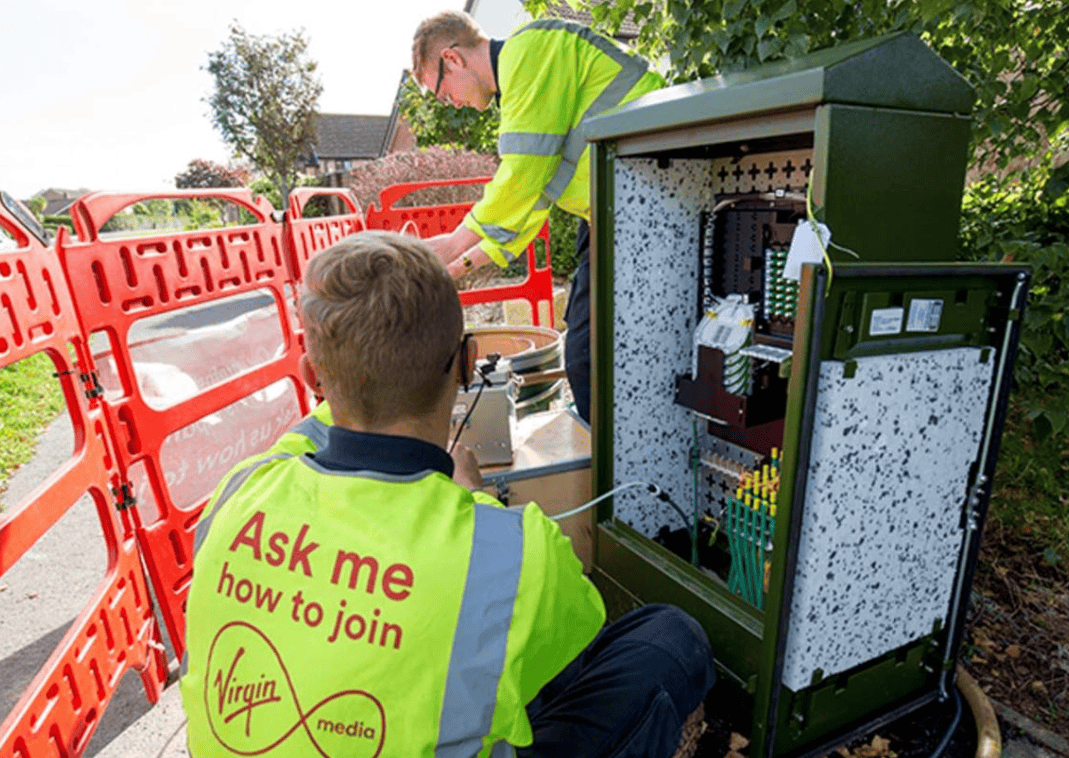
en.Wedoany.com Reported - On September 5, Ghana's Minister of Communications, Digital Technology, and Innovation, Samuel Nartey George, stated during an inspection of rural telecommunication sites in the Eastern Region—including Dumpong, Nkumkrom, Nsakye, Obosono, as well as the under-construction base station at Koforidua bus terminal—that the government will uniformly upgrade all sites under the national Rural Telephony Project to a minimum 4G capability. Currently, some rural sites still primarily operate on 2G and 3G services. Existing donor sites and mast infrastructure can already support 4G, but receiving equipment and radio equipment at local sites require upgrades. This upgrade plan will be incorporated into the overall review of the rural telecommunication project before being submitted to the Cabinet.

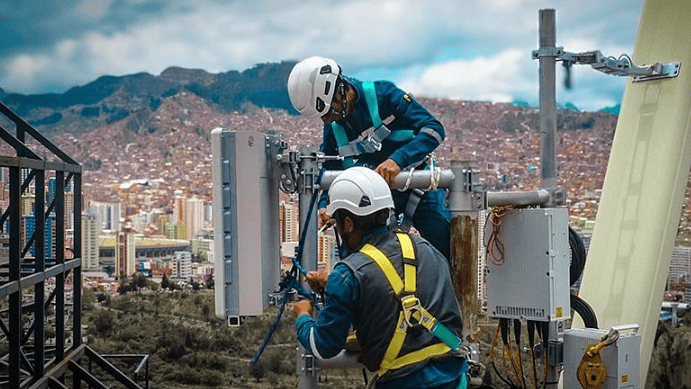
Ghana's Rural Telecommunication and Digital Inclusion Project was originally planned to cover 2,016 unconnected communities. It is implemented by the Ghana Investment Fund for Electronic Communications (GIFEC) and supported by a €155 million loan from the Export-Import Bank of China. Huawei participates in the technical implementation of the project, deploying rural mobile communication sites using the RuralStar solution. This solution adopts non-line-of-sight wireless backhaul, low-tower structures, and low-power-consumption base station designs, supporting the deployment of 2G, 3G, and 4G networks.
As of September 5, according to the latest figures from the Ghanaian government, approximately 1,400 RTP sites are already carrying live telecommunications traffic, around 300 sites have been completed and are awaiting connection to donor sites, and approximately 300 sites remain under construction, with the ultimate target still standing at 2,016 sites. This year, the government has allocated approximately GHS 30 million through the GIFEC budget for the rural telecommunication project, of which GHS 4 million is designated for emergency repairs at 20 sites. Some sites require replacement of radio equipment damaged by lightning strikes or power surges, as well as cable repair work.
Interim data released by the Ghanaian government in February 2026 showed that of the 2,016 planned sites, 1,561 had been completed, of which 1,144 had been activated and 417 were awaiting activation, with 455 still to be built. The latest figures from the on-site inspection on September 5 have been updated to approximately 1,400 sites carrying traffic, around 300 completed and awaiting connection, and approximately 300 still under construction.
In addition to the 4G upgrade, Ghana's National Communications Authority is working with mobile operators to advance technical integration of the RTP network. Some users accessing rural telecommunication sites are unable to directly use their existing voice or data plans, and the government has requested adjustments to the billing mechanism, with the goal of completing the relevant technical integration by the end of the first quarter of 2027.
Ghanaian mobile operators are also concurrently expanding their national base station networks. MTN plans to add 800 new sites in 2026, with nearly 180 already completed and approximately 400 scheduled to become operational by the end of the year. All 800 sites are expected to be completed by the first or second quarter of 2027. Telecel additionally plans to deploy approximately 350 sites.
Related Products


Automatic Aiming Laser Remote Obstacle Removal Robot
Pinggao Group Weihai High-Voltage Apparatus Co., Ltd.
GYTA Type Non-Self-Supporting Aerial/Duct Optical Cable
TONGDING INTERCONNECTION INFORMATION CO., LTD.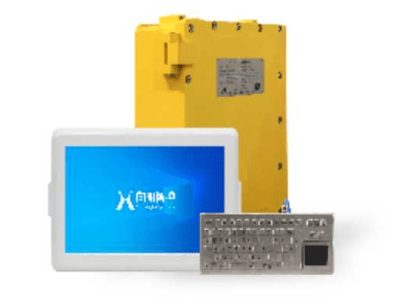
KJD127(A) Mining Explosion-Proof and Intrinsically Safe Computer
Taiyuan Xiangming Intelligent Control Technology Co., Ltd.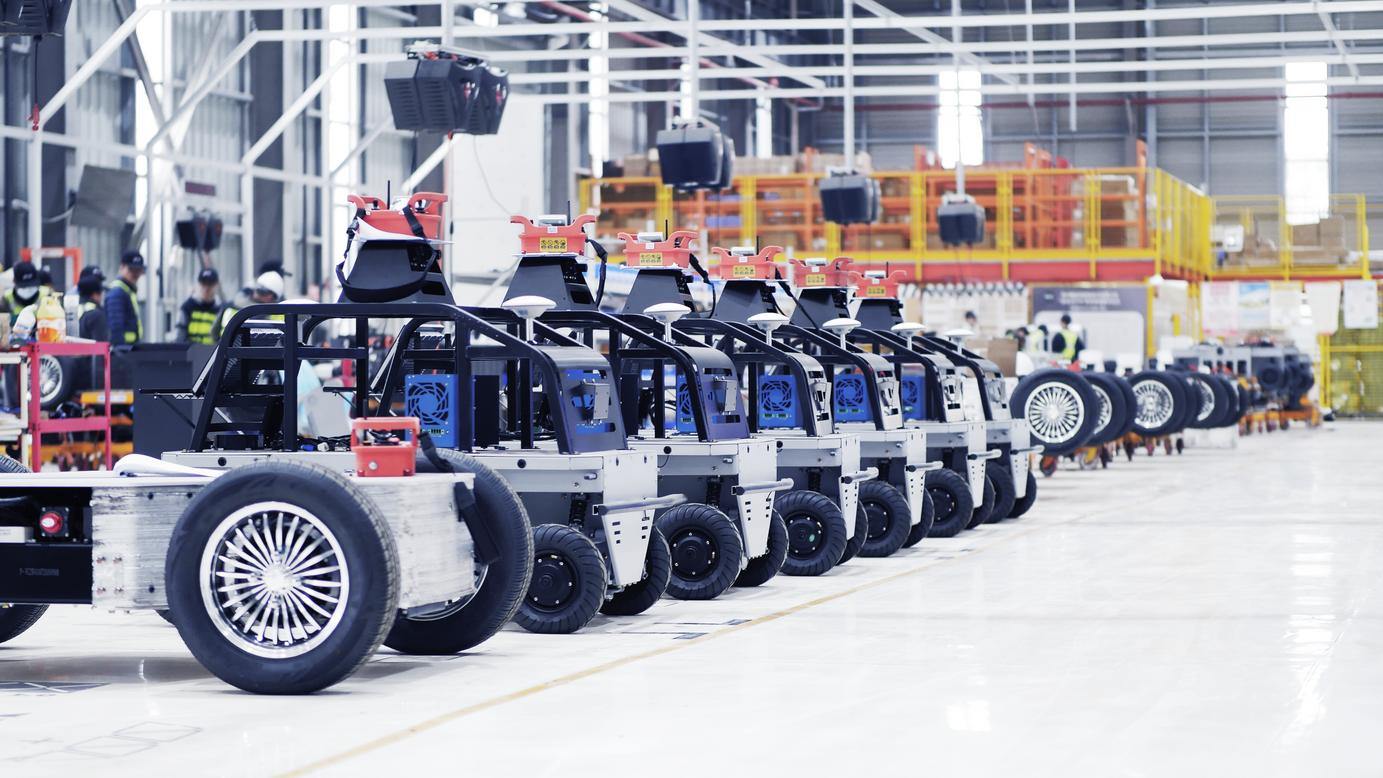
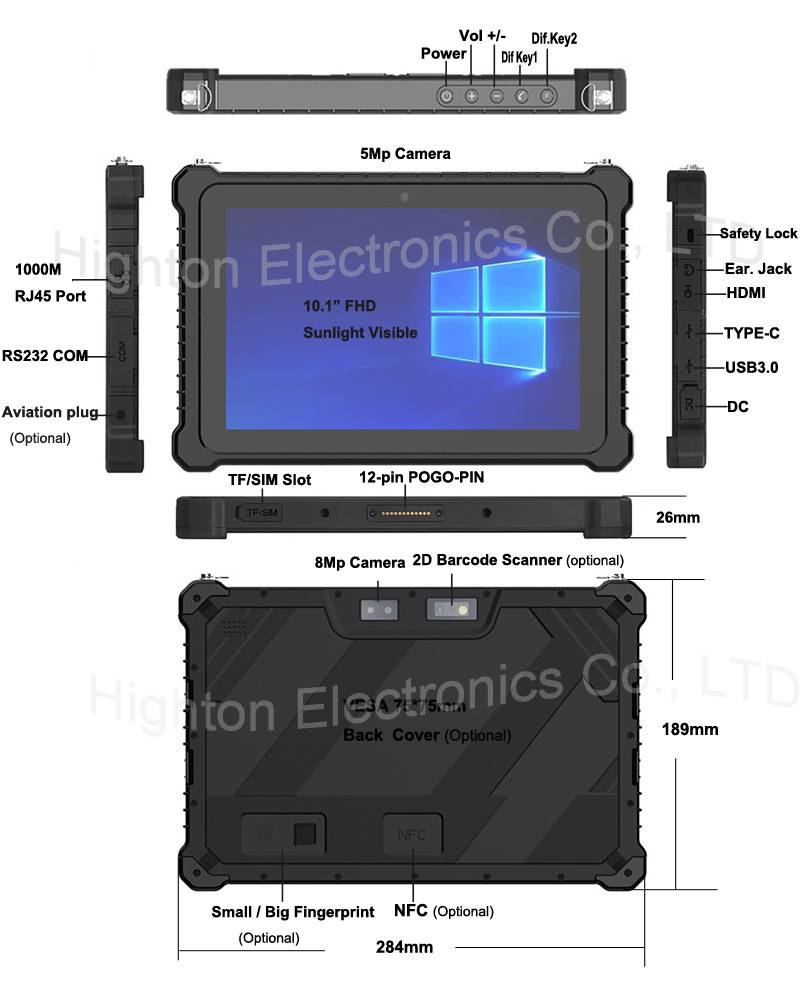
Hot Selling 10 Inch Intel N5100 I5 I7 FHD 8 +128GB 16+256GB Win10 Pro Win11 Pro 4G 5G Rugged Tablet PC Pad with NFC Barcode
Highton Electronics Co., Ltd.
JiuTian OneSky Pilot—Intelligent Management And Service Platform
China Times Prospect Science & Technology Co., Ltd.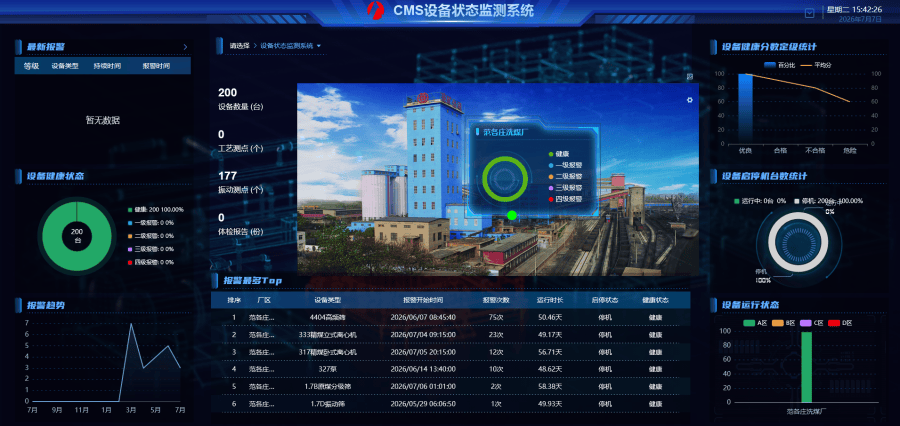
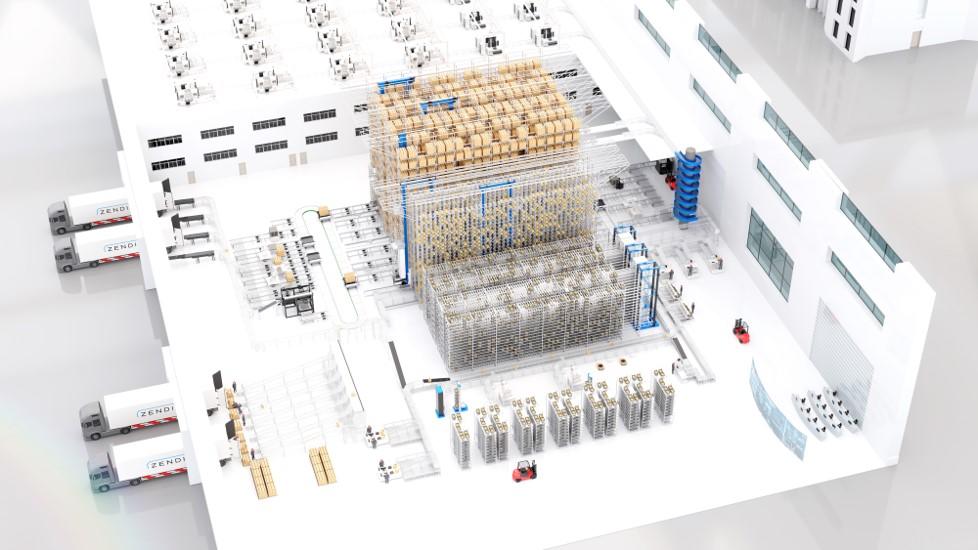
One-Stop Steward Service for the Entire Logistics System Integration Chain
Zhongding Intelligent (Wuxi) Technology Co., Ltd.
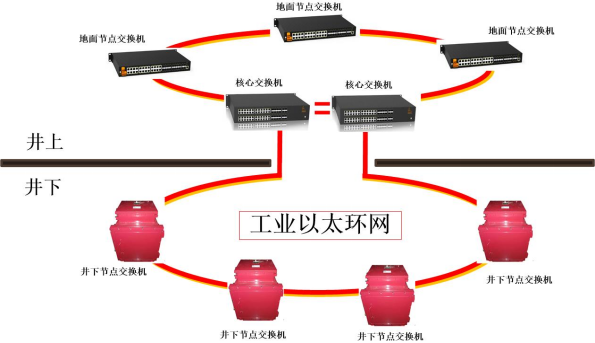
Mine Explosion-proof and Intrinsically Safe Industrial Ethernet Ring Network (10 Gigabit/Gigabit)
Chongqing Mas Sci&Tech Co., Ltd.