GSMA Report: 5G Connections Account for 63% in Canada, Mobile Economy Contributes $120 Billion
en.Wedoany.com Reported - On October 21, 2026, the Global System for Mobile Communications Association (GSMA) released the "2026 Canada Mobile Economy Report" in Toronto, Canada. The report shows that in 2025, Canada's mobile communication technologies and services created $120 billion in economic value, accounting for 5.4% of GDP, of which approximately $70 billion came from productivity gains. GSMA predicts that by 2030, the industry's economic contribution will increase to $170 billion, with major growth areas involving 5G, artificial intelligence, and digital infrastructure.

By the end of 2025, 5G connections in Canada accounted for nearly 63% of total mobile connections, significantly higher than the global average of 31%. By mid-2026, 5G networks had covered more than 94% of Canada's population. GSMA predicts that by the end of 2026, the country's 5G connection share will exceed 70%, reaching 95% by 2030, corresponding to approximately 45 million 5G connections.
In terms of network technology development indicators, Canada ranks 21st in the GSMA Intelligence 5G Connectivity Index covering 46 markets, with a composite score of 60.2, above the index median of 54.8. According to Ookla data cited in the report, by the end of 2025, 5G standalone (5G SA) traffic in Canada accounted for less than 9% of mobile network traffic, compared with 32% in the United States during the same period. All three major national mobile operators in Canada have launched 5G standalone services.
Capital expenditure in the mobile communications industry is expected to continue focusing on network capacity, spectrum, artificial intelligence infrastructure, and network resilience. GSMA predicts that from 2025 to 2030, Canadian mobile operators' cumulative capital expenditure will be approximately $19.5 billion, while operator revenue during the same period is expected to grow from $24.6 billion to $27.2 billion. The report notes that operators have lowered their capital expenditure guidance by 10%–30%, and spectrum costs as a share of operator revenue have risen from 4% in 2019 to over 7%.
Regarding artificial intelligence infrastructure, the report cites Bell Canada's planned 300-megawatt AI facility near Regina and Telus's sovereign AI infrastructure under construction in Rimouski. The former is scheduled to begin operations in 2027, while the latter involves subsequent expansion plans. As of September 2025, Canada's operational data center capacity was approximately 1.4 gigawatts.
The report also estimates that in 2025, Canada's mobile communications ecosystem supported approximately 200,000 jobs, including about 150,000 direct jobs and 50,000 indirect jobs, contributing approximately $14 billion in tax revenue. GSMA proposes adjusting spectrum pricing and renewal conditions, developing a long-term spectrum supply roadmap, increasing mid- and low-band resources, and continuing to support network coverage in rural and Indigenous communities.
Related Products
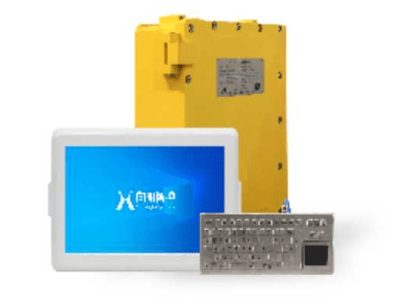

KJD127(A) Mining Explosion-Proof and Intrinsically Safe Computer
Taiyuan Xiangming Intelligent Control Technology Co., Ltd.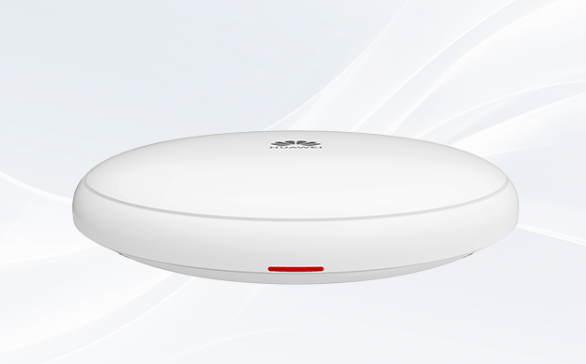

GYTA Type Non-Self-Supporting Aerial/Duct Optical Cable
TONGDING INTERCONNECTION INFORMATION CO., LTD.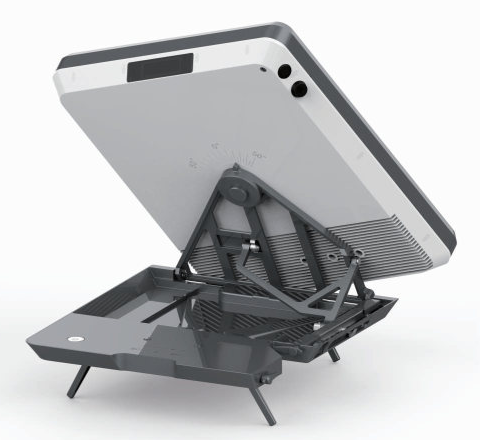
Flat Portable Satellite Terminal 0.35m Aperture Manual Portable Terminal
China Starwin Science & Technology Co., Ltd.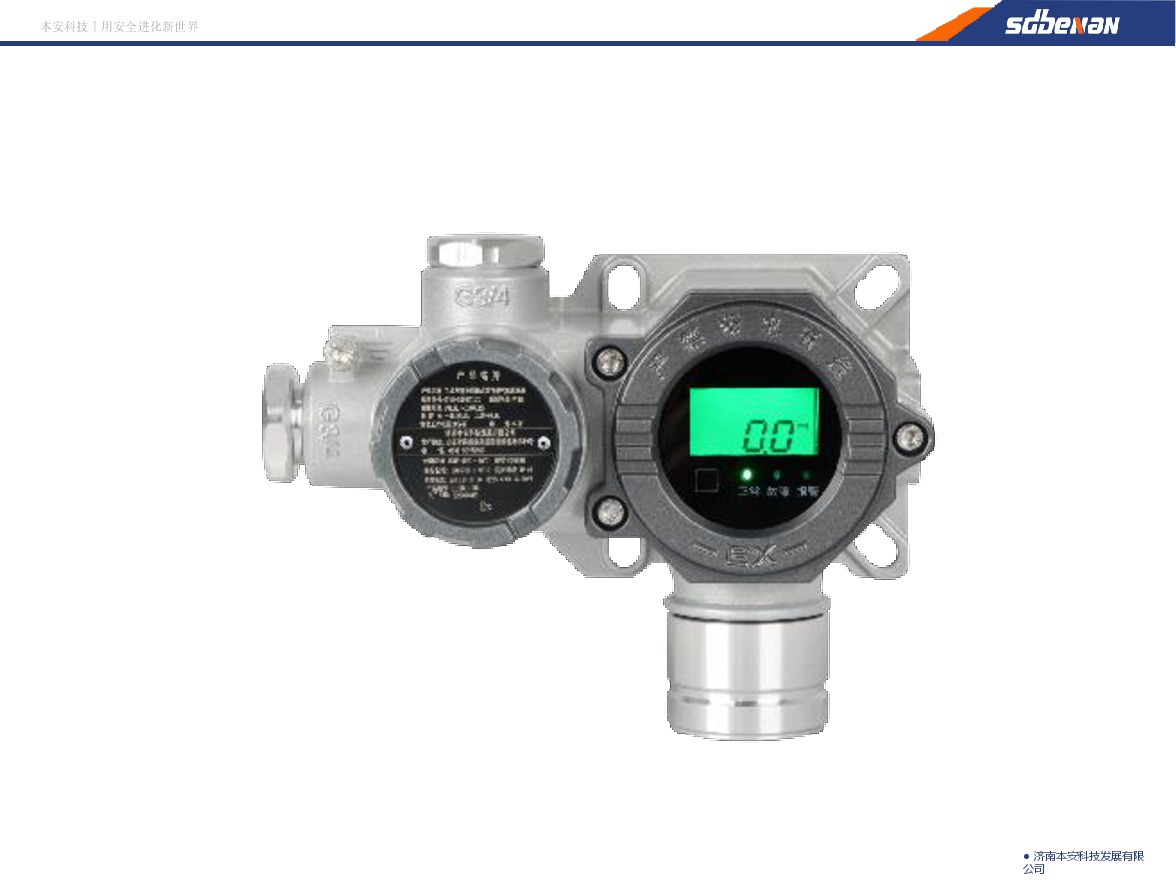
Industrial and Commercial Point-Type Gas Detector
Jinan Benan Technology Development Co., Ltd.
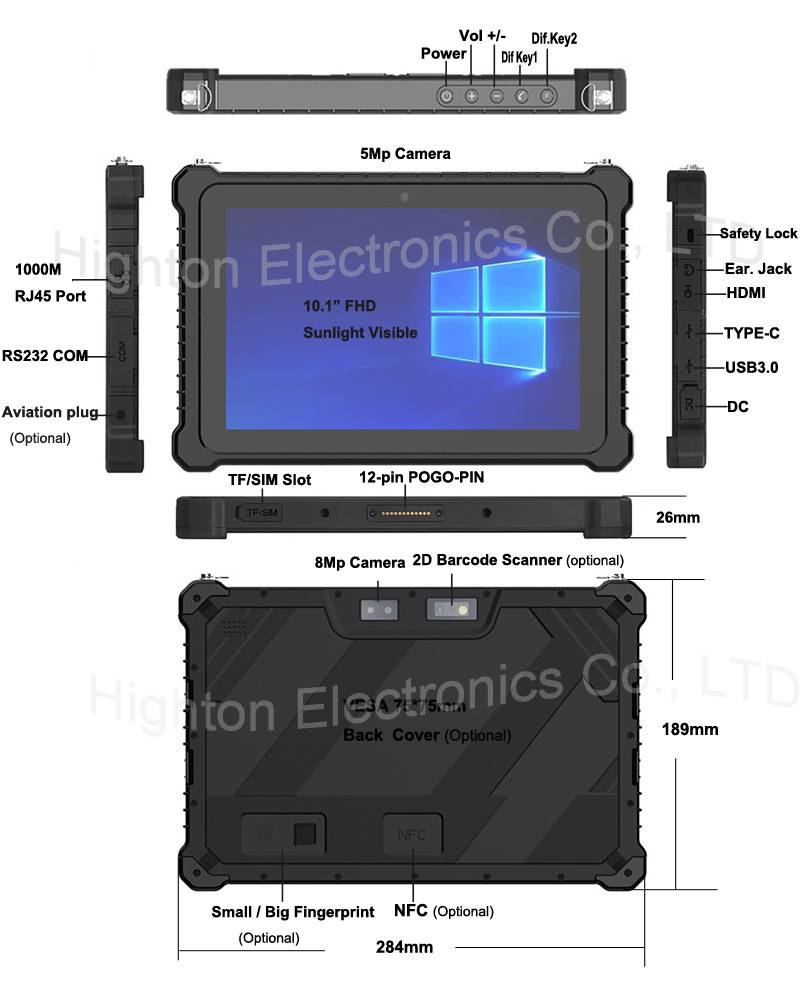
Hot Selling 10 Inch Intel N5100 I5 I7 FHD 8 +128GB 16+256GB Win10 Pro Win11 Pro 4G 5G Rugged Tablet PC Pad with NFC Barcode
Highton Electronics Co., Ltd.

Conveyor Belt Intelligent Monitoring System
LUO YANG WIRE ROPE INSPECTION TECHNOLOGY CO., LTD.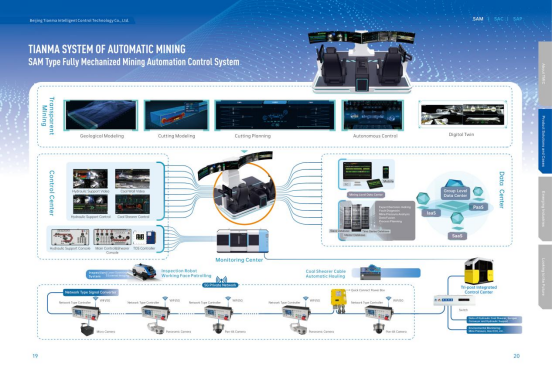
Comprehensive Mining Automation Control System
Beijing Tianma Intelligent Control Technology Co., Ltd.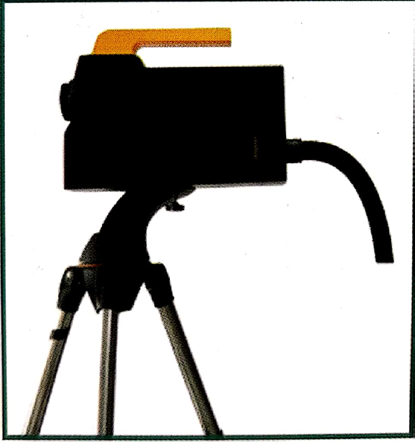
Automatic Aiming Laser Remote Obstacle Removal Robot
Pinggao Group Weihai High-Voltage Apparatus Co., Ltd.