Energy Storage Canada Recommends Ontario Procure 100–500 MW of Distributed Energy Storage
en.Wedoany.com Reported - Energy Storage Canada (ESC) released the report "Unlocking Distributed Energy Storage Resources: Integrating Distributed Energy Resources into Ontario's Procurement Strategy," recommending that Ontario establish a "Distributed Reliability Track" dedicated to capacity procurement from behind-the-meter and distribution-connected battery energy storage, with an initial recommended procurement scale of 100–500 MW and contract terms of 8–10 years. This mechanism is currently a policy recommendation put forward by an industry association and has not yet become a formally implemented procurement plan in Ontario.
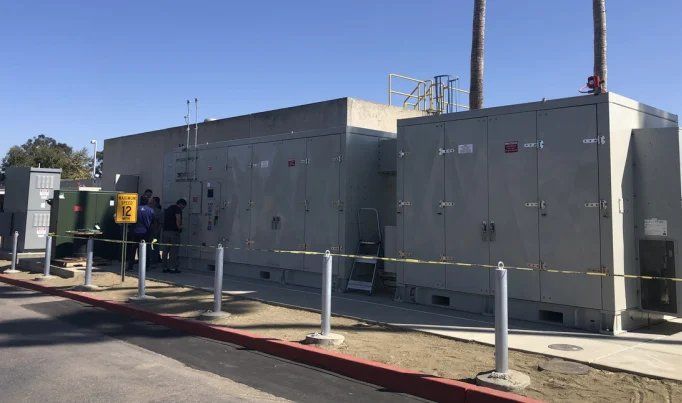
The report was prepared by ESC, with Peak Power providing research and operational data support. ESC estimates that, under a 0.5% curtailment tolerance, Ontario's existing distributed energy storage and related resources can provide approximately 1,602 MW of peak reduction potential, corresponding to about 44 of the highest load hours in a year. The proposed mechanism primarily targets battery storage assets already connected behind the meter or to the distribution network that can be dispatched quickly, and would allow new projects to become available within 12–24 months.
ESC points out that Ontario's current market framework largely treats behind-the-meter batteries as demand response resources. Existing projects generate annual revenue of approximately CAD 210,000–250,000 per MW, of which 80%–90% comes mainly from Global Adjustment peak management; the report argues that this revenue structure makes it difficult to form long-term stable cash flows that meet infrastructure financing requirements, and therefore recommends increasing capacity and grid service revenue through standardized long-term contracts.
In addition to capacity procurement, the proposed Distributed Reliability Track includes several accompanying regulatory adjustments. ESC recommends allowing multiple battery sites to be metered and aggregated, establishing a standardized compensation mechanism for non-wires alternative services, lowering the minimum capacity threshold for energy storage to enter the wholesale market, accelerating distribution network interconnection, and coordinating dispatch signals between the IESO and distribution companies so that distributed batteries can be called upon under a unified mechanism during system peaks and tight periods.
This recommendation runs in parallel with Ontario's existing centralized energy storage procurements. The IESO previously procured more than 850 MW of energy storage capacity through LT1, and LT2 continued to procure 600 MW of new capacity; in 2026, it also launched a long-term delivery resource procurement with a target including up to 800 MW of long-duration energy storage. The 100–500 MW mechanism proposed by ESC targets behind-the-meter and distribution-side resources and does not replace existing large-scale energy storage project procurements.
Ontario's electricity demand is expected to grow 65% by 2050. ESC identifies 2026–2032 as a period requiring additional short-duration dispatchable resources and proposes filling the capacity gap before large generation and transmission projects come online through distributed batteries. The report also recommends prioritizing the dispatch of commercial and industrial behind-the-meter energy storage resources that are already interconnected or can be deployed quickly.
Related Products


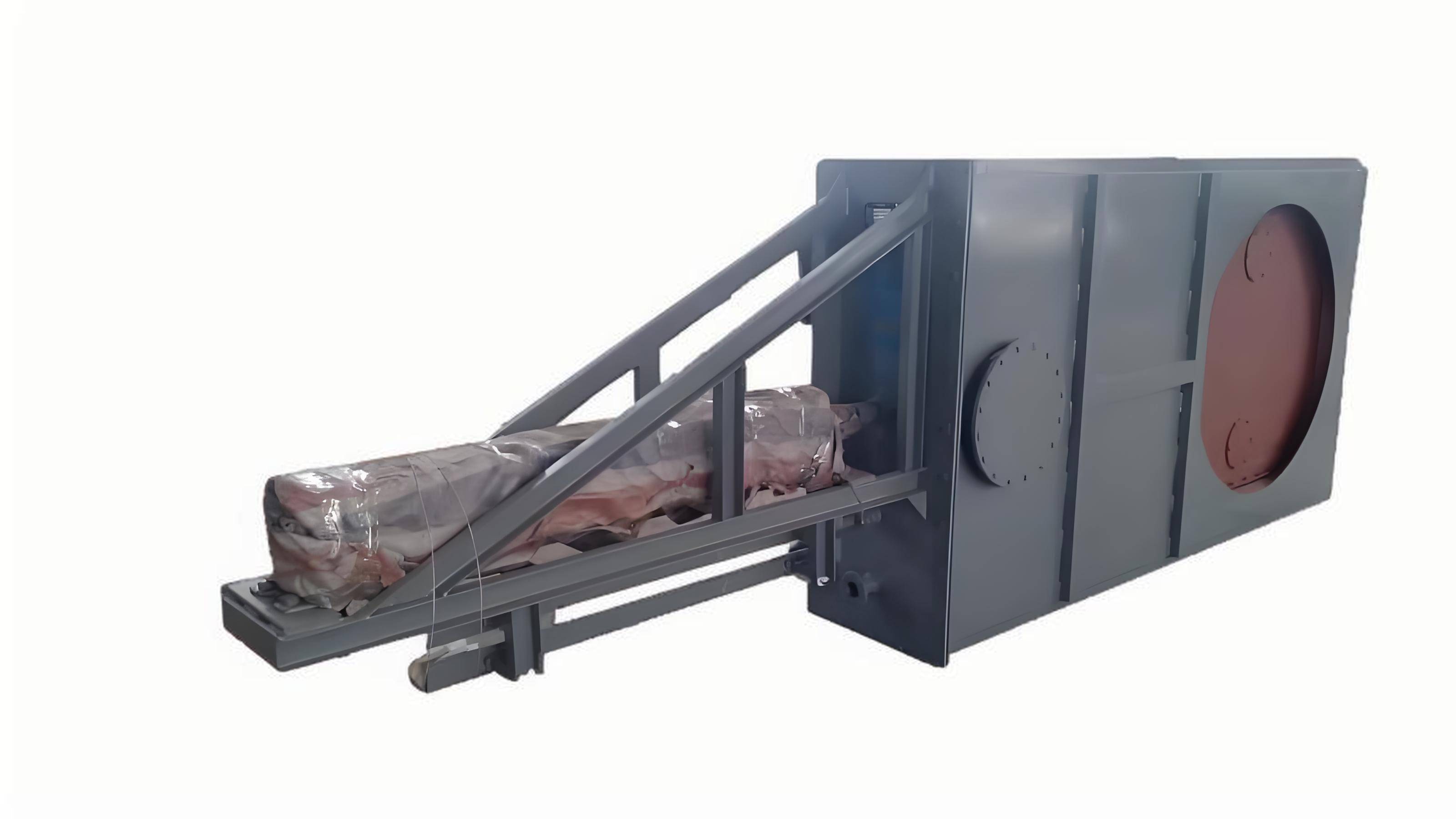
Double-slide Triple-sealed Hot Air Isolation Door
Xi'an Yingchuan Electric Power Equipment Co., Ltd.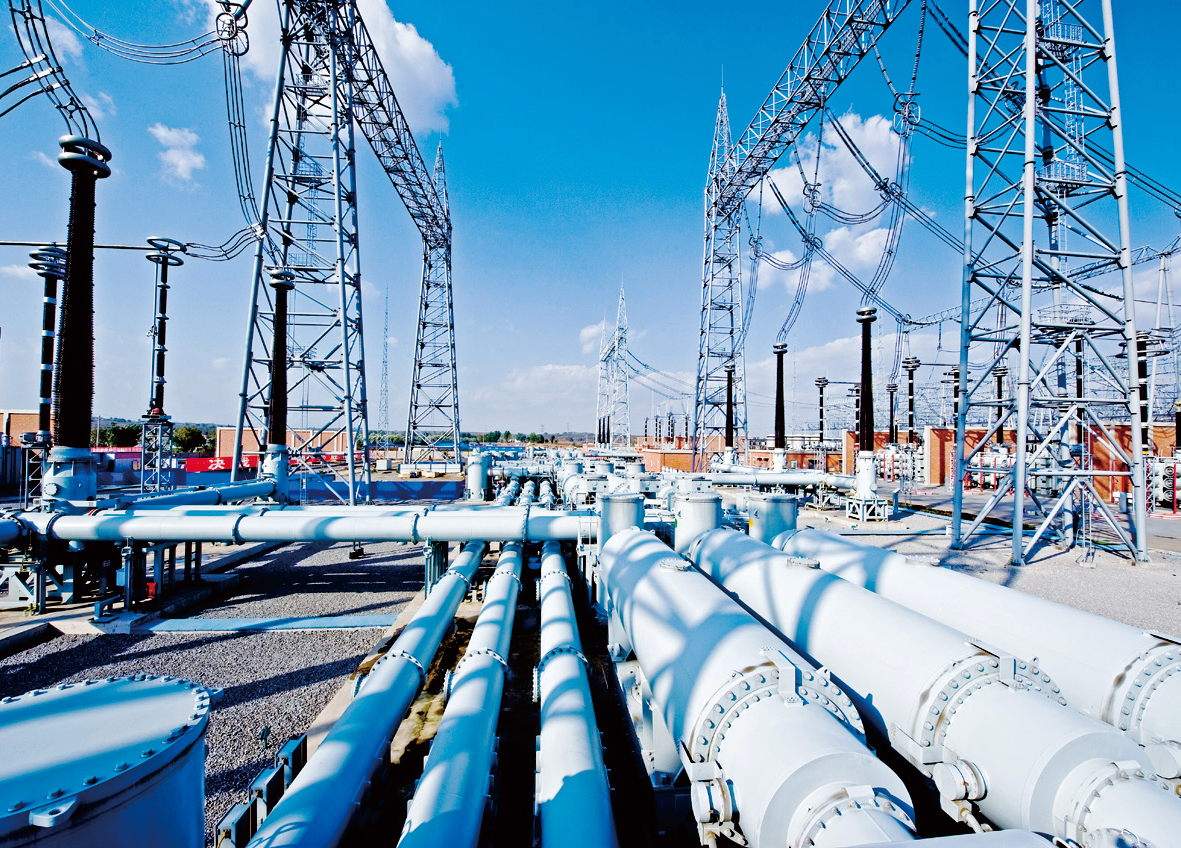
40.5kV-1100kV Gas Insulated Metal-Enclosed Switchgear (GIS)
Henan Pinggao Electric Co., Ltd.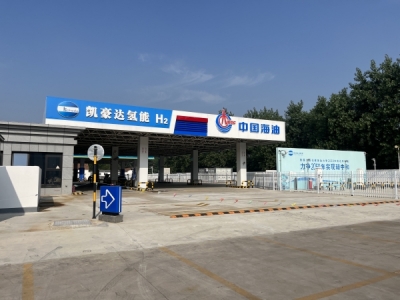
Hydrogen production and hydrogenation charging refueling gas integrated energy station
Shenzhen Kohodo Hydrogen Energy Co., Ltd.
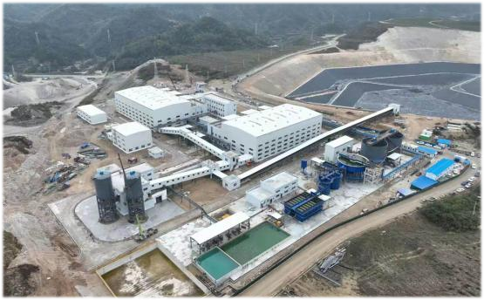
Yingping Mining Section Open-pit Tailings Backfill Treatment of Goaf Ecological Restoration EPC Project
China Bluestar Lehigh Engineering Corporation
Prefabricated Houses and Electrical Energy Boxes
Chengdu Ruilong Machinery Manufacturing Co., Ltd.