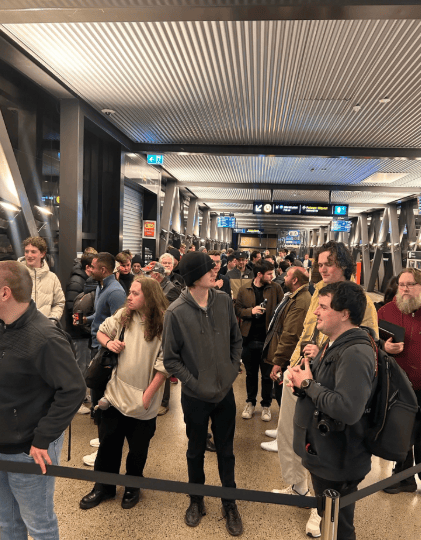
First Driverless Train for Chile Metro Line 7 Begins Dynamic Testing
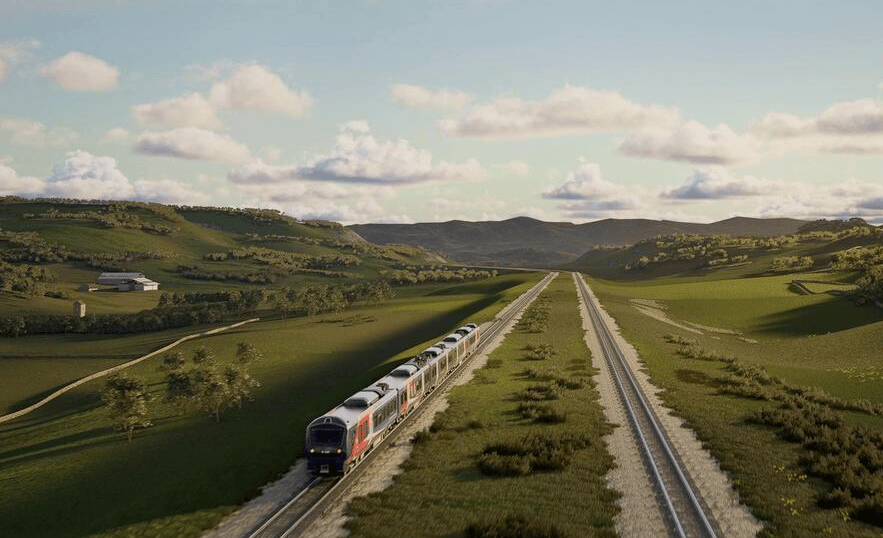
en.Wedoany.com Reported - Alstom and Metro de Santiago have begun dynamic testing of the first Metropolis AS-22-UTO driverless train for Line 7. The testing is taking place on a dedicated test track at Alstom's Taubaté plant in Brazil. The first train previously completed static testing and has now entered the phase of dynamic performance verification covering traction, braking, signaling, and unattended train operation systems.
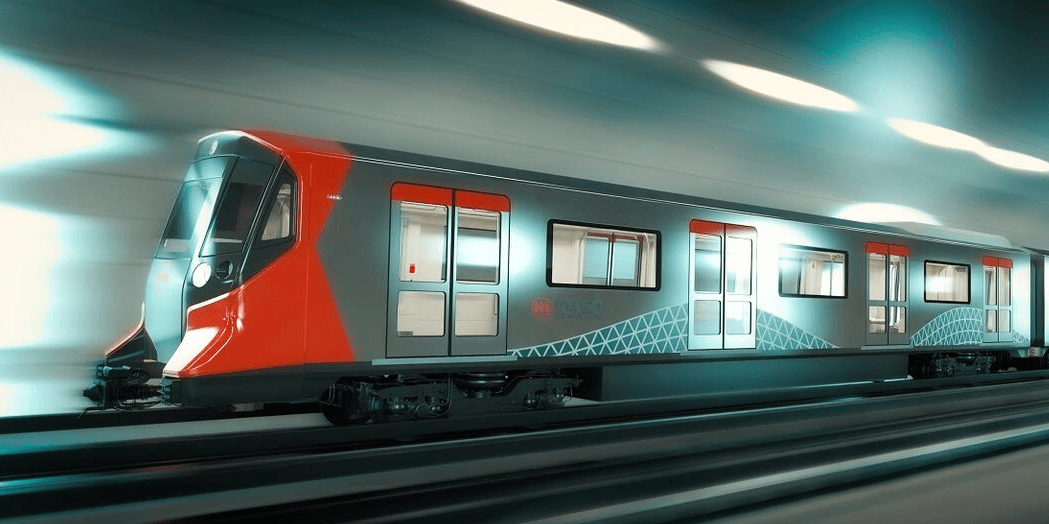
Static testing covered vehicle dimensions, weight, air conditioning, motors, doors, lighting, and passenger information systems. After completing static verification, the train entered dynamic testing, focusing on verifying the integration performance of traction, braking, signaling, and the UTO system under operating conditions. Line 7 adopts an unattended operation mode, and the vehicles and signaling system need to complete the corresponding system verification before subsequent delivery.
Metro de Santiago has procured a total of 37 Metropolis trains for Line 7. As of September 10, seven of them have been assembled and are at various stages of manufacturing or testing. After the first train completes dynamic testing, it is scheduled to arrive in Santiago in early 2027. Vehicle manufacturing is being carried out by Alstom's Taubaté plant.
These vehicles are part of a contract worth approximately 355 million euros that Alstom secured in 2022. The contract includes not only 37 Metropolis trains but also the Urbalis CBTC communication-based train control system and 20 years of maintenance services. The trains, signaling, and long-term maintenance thus form a single system contract delivery chain, and this dynamic testing corresponds to the milestone at which the first vehicle moves from manufacturing into operational verification.
The Santiago Metro Line 7 currently under construction is approximately 26 kilometers long with 19 stations and is planned to serve a population of about 1.6 million. The overall project investment was previously announced at approximately 2.528 billion US dollars. The trains and CBTC system will be used for automated operation of the line.
According to the current vehicle delivery schedule, after the first AS-22-UTO completes dynamic testing at the Brazilian plant, it will enter the stage of shipment to Chile and subsequent line testing. The remaining trains will continue to be produced and verified in Taubaté, and the 37 vehicles will ultimately be put into operation on Line 7 together with the Urbalis CBTC signaling system.
Related Products


Wheel and Track Technology Business
Beijing Research & Design Institute of Rubber Industry Co., Ltd.
One-Stop Steward Service for the Entire Logistics System Integration Chain
Zhongding Intelligent (Wuxi) Technology Co., Ltd.
3m intelligent buoy combining navigation safety and real-time marine monitoring integrated navigation and marine monitoring system for real-time maritime data
Chengdu Dixin Technology Co., Ltd.

Industrial and Commercial Point-Type Gas Detector
Jinan Benan Technology Development Co., Ltd.![IVECO Cash-in-Transit [DMT5048XYCL3-AM] - Chongqing Dima Industry Co., Ltd](https://img.wedoany.com/2026/0911/20260911030157582.png)
Explosion-proof lithium battery dispatching monorail crane locomotive (permanent magnet frequency conversion integrated machine)
Xiangtan Hengxin Industrial Co., Ltd.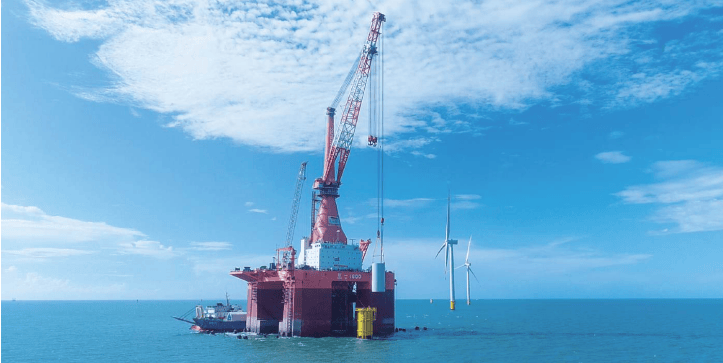
"Shunyi 1600" Deep-submerging Bottom-sitting Multi-functional Wind Power Engineering Vessel
Zhengli Offshore Engineering Co., Ltd.