Argentina Establishes XDEM Mechanism for 2026: High-Power-Consumption Projects from 80 MW Must Self-Supply Electricity
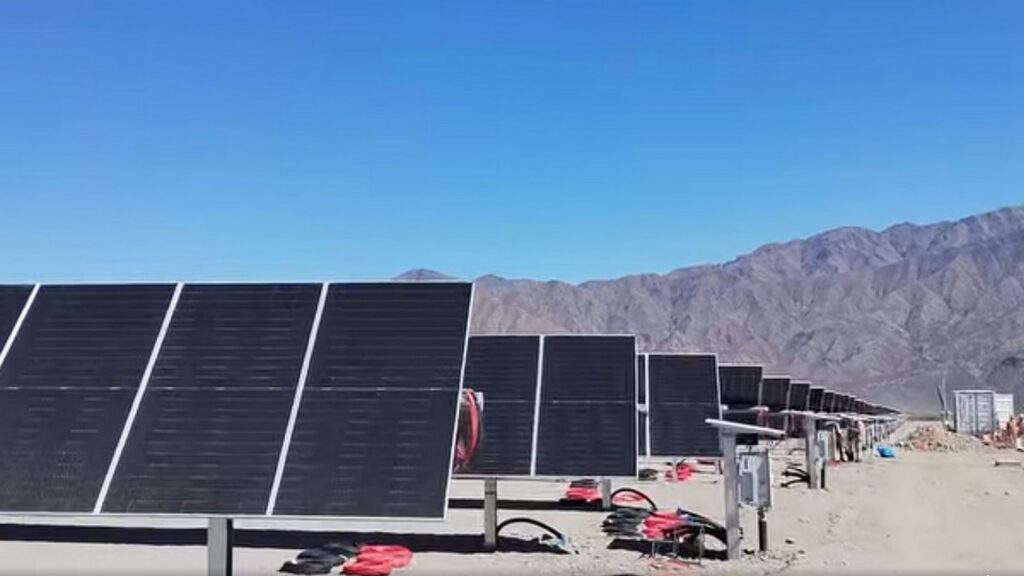
en.Wedoany.com Reported - Argentina's Secretaría de Energía del Ministerio de Economía (Energy Secretariat of the Ministry of Economy), through Resolution No. 264/2026, established the Régimen de Demandas Extratendenciales (XDEM) within the Mercado Eléctrico Mayorista (MEM), requiring large electricity consumers such as mining projects and data centers to generate their own electricity to meet their own power needs.
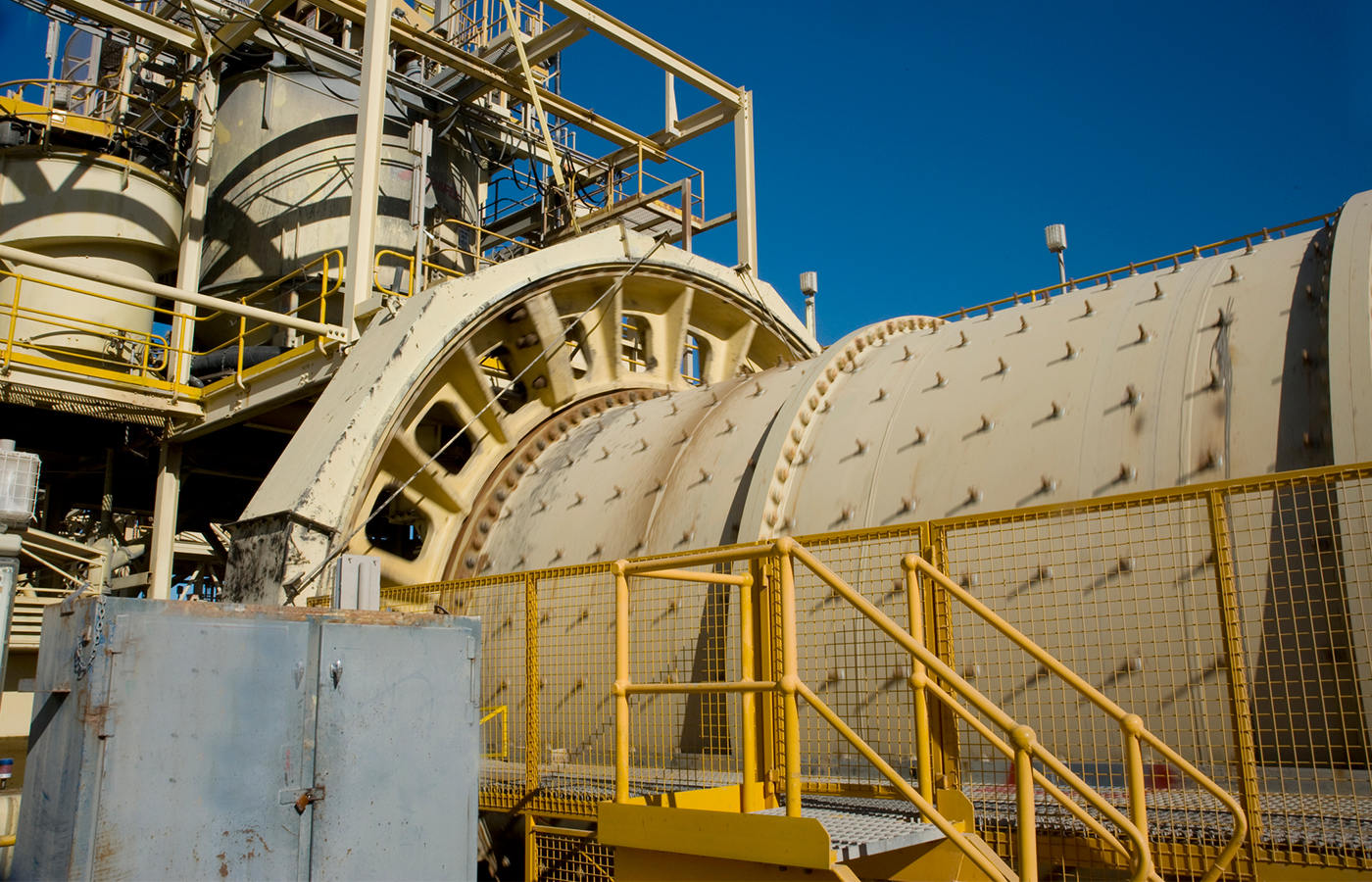
A report from the Organización Latinoamericana y Caribeña de Energía (OLADE) in April 2026 shows that Argentina's mining electricity demand will increase from 1,256 GWh in 2024 to 6,630 GWh in 2034, a 428% increase over the decade, driven mainly by the commissioning of world-class lithium and copper projects, almost all of which are concentrated in the northwestern provinces of San Juan, Salta, and Catamarca.
Late-stage copper projects include Glencore's MARA and El Pachón, Lundin Mining's Josemaría, and McEwen Copper's Los Azules; lithium projects include Eramet's Centenario-Ratones, Posco's Sal de Oro, and Ganfeng Lithium's Mariana. These projects form high-energy-consumption clusters in areas where grid infrastructure has historically been limited.
The core objective of the measure is to integrate new large-scale electricity demand into the power system in an orderly manner, with its own electricity and capacity supply, without jeopardizing the security of supply for other users. The regime prioritizes residential, commercial, small and medium-sized enterprises, and industrial users already incorporated into the system; large projects must bring their own electricity and capacity so that their grid connection does not consume the reserve capacity currently guaranteeing supply, and the related costs are not borne by other users through electricity tariffs. In the event of a supply shortage, priority will be given to ensuring supply for ordinary users rather than those high-demand users with insufficient backup power.
This measure deepens the MEM normalization process initiated by Resolution No. 400/2025. That resolution previously established that new large demand must have its own physical backup; the new regime extends this standard to projects connected through distribution companies and to expansions of existing demand, and makes it applicable to the scale of projects seeking grid connection.
New or expanded demand that reaches at least 0.5% of average MEM demand, currently about 80 MW, is subject to this regime. Each project may freely choose its supply technology and supplier, including own generation installed at the same connection point, but must cover at least 80% of its monthly electricity consumption through new generation contracts and provide firm capacity for 100% of its maximum demand; because data centers consume electricity continuously and are highly sensitive, this requirement is raised to 115%.
The Argentine national government states that through this measure, the transformation of the electricity sector can continue to advance, and clear rules are consolidated so that each large project meets its own electricity needs at its own risk.
Related Products

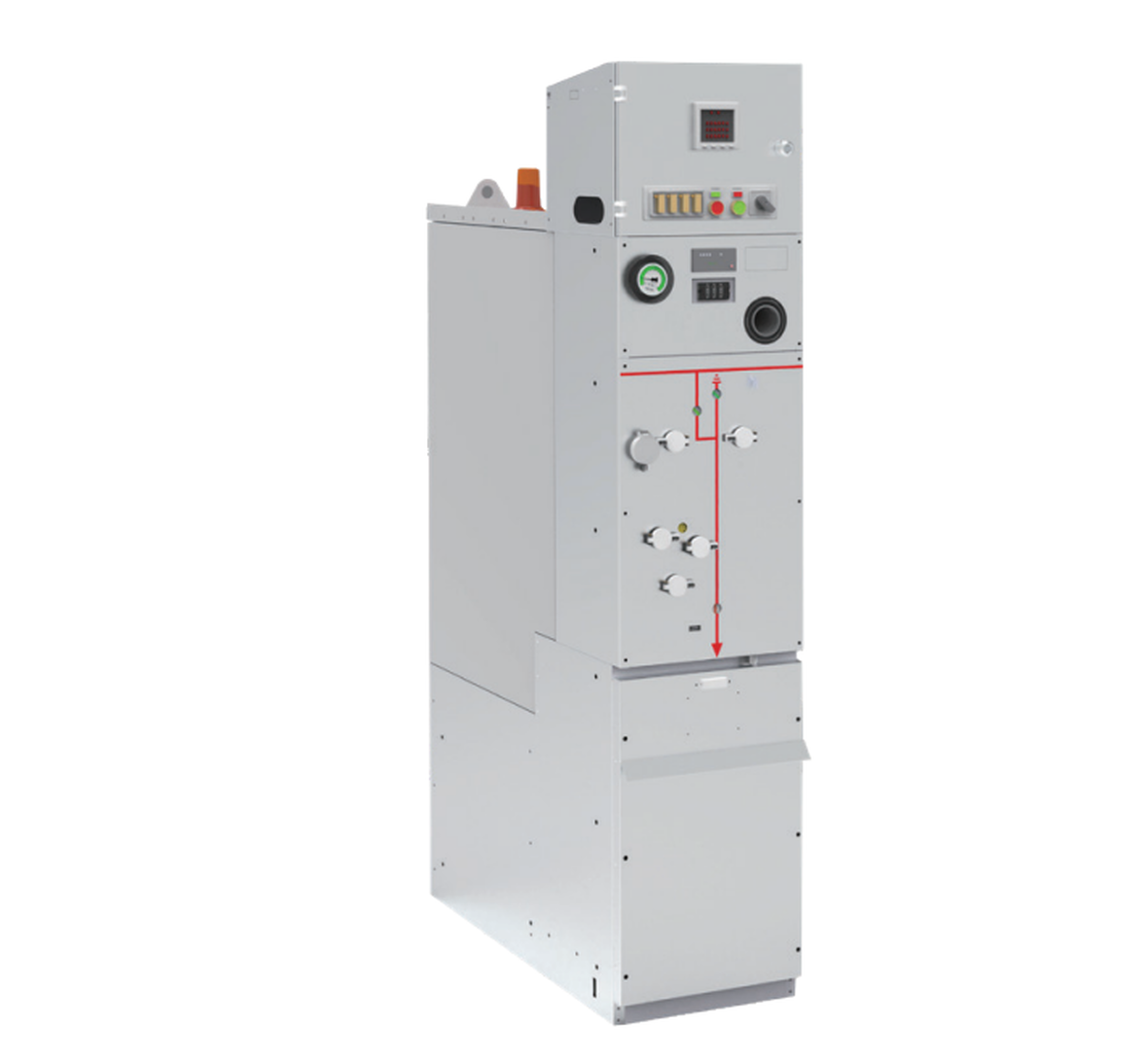
NISELA Series Environmentally Friendly Gas-Insulated Ring Main Unit
XJ DELISHIER ELECTRIC CO., LTD.
Industrial and Commercial Point-Type Gas Detector
Jinan Benan Technology Development Co., Ltd.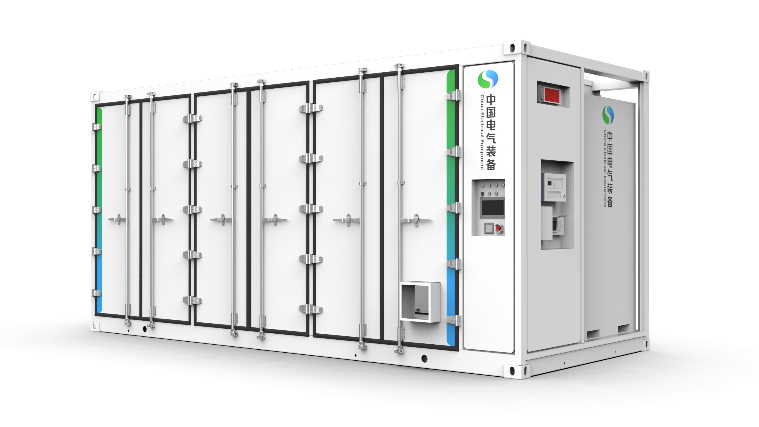
MESS8201-2507/5015-BN Prefabricated Liquid-cooled Energy Storage Battery Container
Xuchang Xuji Electric Science Energy Storage Technology Co., Ltd.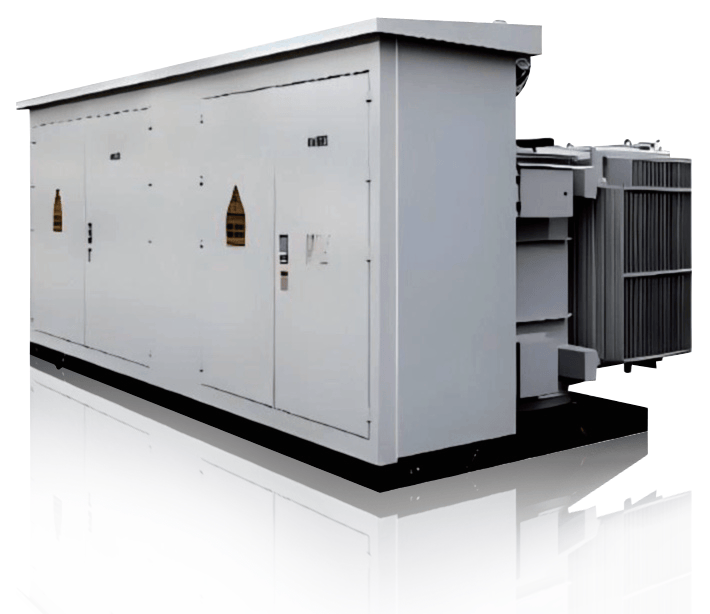
H-40.5/0.4~1.14kV New Energy Power Generation Dedicated High Voltage/Low Voltage Prefabricated Substation
XJ (Xiamen) Intelligent Power Equipment Co., Ltd.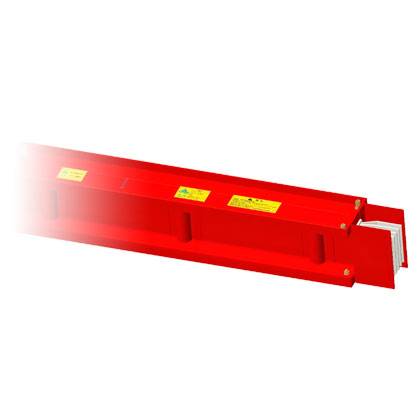
Mineral-insulated Compact Busway (Fire-resistant Busduct)
Zhuhai Guangle Electric Busway Co., Ltd.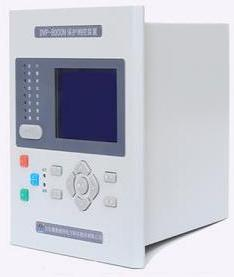
Microcomputer Protection and Substation Automation
Beijing Agent Devote Power Technology Development Co., Ltd.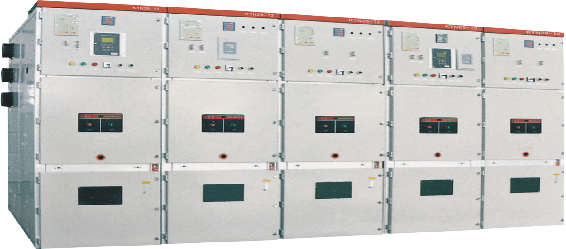
KYN28-12/24 Indoor High-Voltage Metal-Clad Removable Switchgear
Shenzhen Zhaoyang Hui Technology Co., Ltd.