Nearly 72% of U.S. Gulf of Mexico Offshore Oil Production Shut In Due to Hurricane
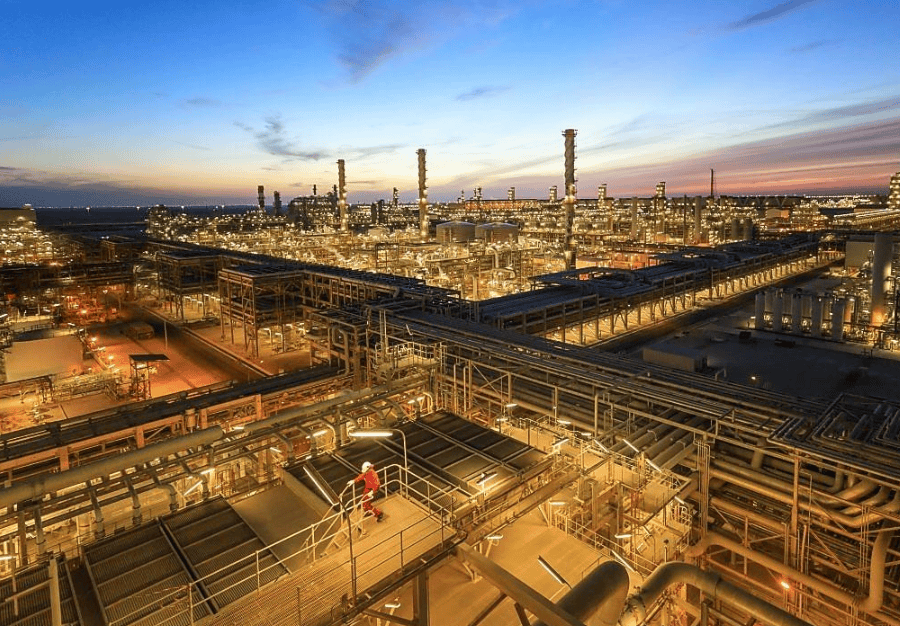
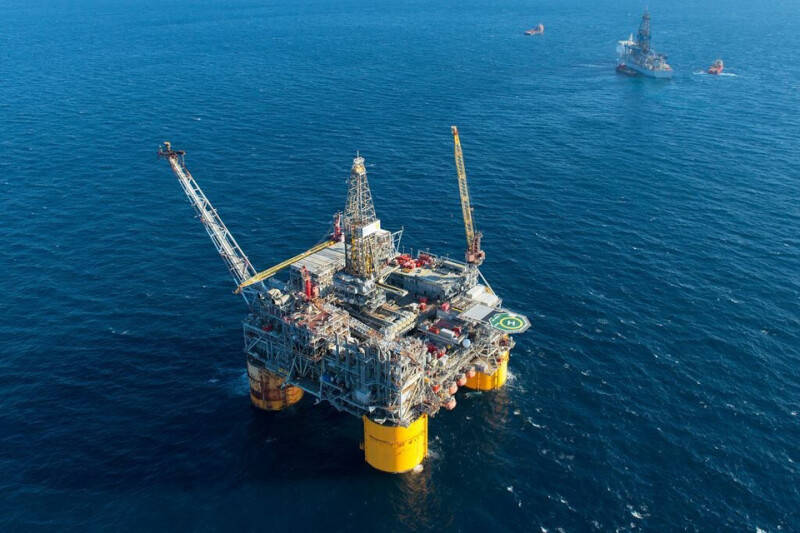
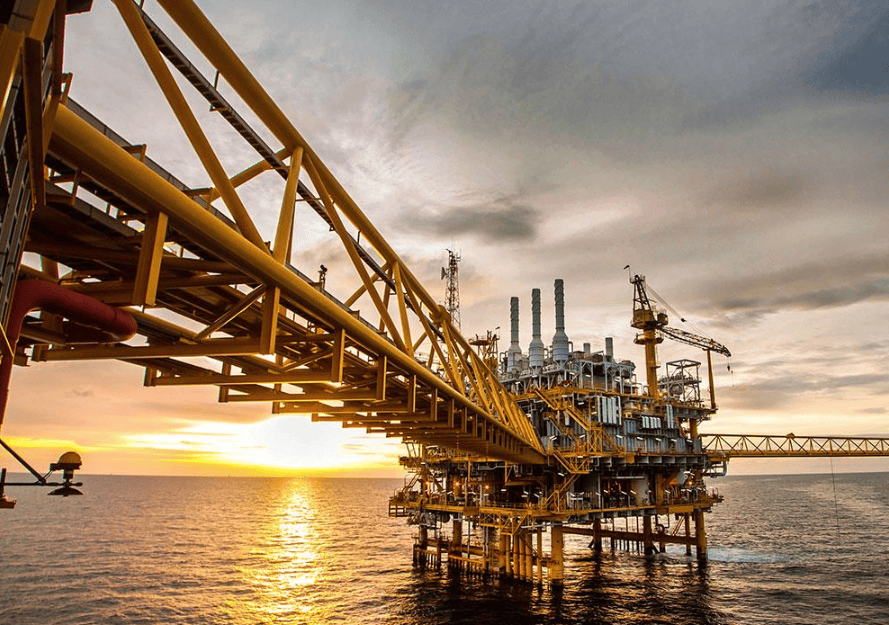
en.Wedoany.com Reported - On October 9, as Hurricane Isaias approached, offshore oil and gas producers in the U.S. Gulf of Mexico further expanded precautionary shut-ins, suspending approximately 1.5 million barrels per day of crude oil production and approximately 1.3 billion cubic feet per day of natural gas production, accounting for nearly 72% and 59% of the region's offshore daily crude oil and natural gas production, respectively. According to statistics from the U.S. Bureau of Ocean Energy Management, workers have been evacuated from 129 offshore production platforms.
This round of evacuations involved approximately 35% of the 371 manned production platforms in the Gulf of Mexico, and workers were also evacuated from 8 non-dynamically positioned drilling rigs. On October 8, the U.S. Bureau of Ocean Energy Management recorded crude oil shut-ins of 1,282,900 barrels per day, accounting for 62.89% of offshore daily production at that time; natural gas shut-ins were 1.127 billion cubic feet per day, accounting for 57.35%. As the hurricane continued to approach the coast, the shut-in proportions for both types of energy rose further the next day.
Shell has completed evacuations from five offshore facilities: Appomattox, Mars, Ursa, Olympus, and Vito, with production suspended at Mars, Ursa, Olympus, and Vito. Chevron evacuated most workers from its Gulf of Mexico facilities, keeping 4 of the 9 platforms it operates in production while suspending production at the remaining 5. BP also suspended production and evacuated workers from the Na Kika and Thunder Horse platforms ahead of the hurricane, while withdrawing non-essential personnel from the Argos, Atlantis, and Mad Dog platforms.
According to U.S. Energy Information Administration data, the federal waters of the Gulf of Mexico normally produce approximately 2 million barrels of crude oil per day, accounting for about 15% of total U.S. crude oil production, and average natural gas production of approximately 2.1 billion cubic feet per day. Consulting firm Earth Science Associates estimates, based on the hurricane's forecast track, that this weather event could cause a reduction of approximately 7.2 million barrels of crude oil, down from its October 8 forecast of 9 million barrels, with the main change coming from an eastward adjustment in the hurricane's forecast track. BP, Chevron, Eni, Murphy Oil, and Shell were all listed as producers significantly affected by the storm.
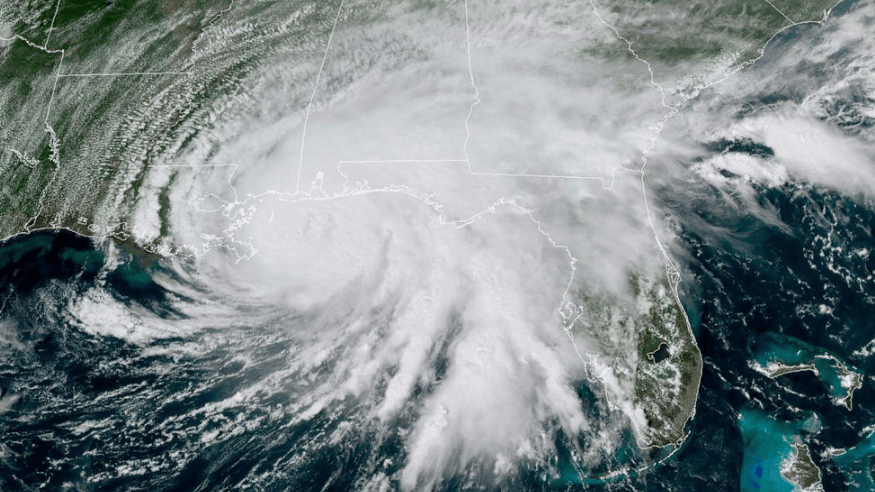
The hurricane also poses a threat to coastal refining facilities. Energy consulting firm Energy Aspects estimates that approximately 500,000 barrels per day of refining capacity is located in areas potentially affected by the storm, involving facilities such as the Pascagoula refinery in Mississippi. As of October 9, Isaias had strengthened into a Category 3 hurricane and was moving north-northeast, expected to make landfall along the northwestern coast of Florida. The Bureau of Ocean Energy Management plans to organize facility inspections after the storm; undamaged facilities will resume production after completing standard safety inspections, while damaged facilities will require further repairs.