ADNOC Refining Restores Base Oil Catalyst Performance Using Hot Liquid Flush Technology

en.Wedoany.com Reported - On October 28, the technical team of ADNOC Refining of the UAE announced the results of industrial unit operation validation, in which a controlled hot liquid flush process was used to successfully restore the performance of base oil catalyst that had degraded due to abnormal reactor temperature rise. The technology uses light base oil for liquid-phase flushing to remove polycyclic aromatic hydrocarbons (PNA) adsorbed on the catalyst surface, restoring the Saybolt color of Group III lube base oil products to above 30, without the need to replace the catalyst throughout the process. ExxonMobil Catalysts and Licensing participated in the technical review and process parameter validation.
This process validation involved a hydroisomerization and hydrotreating unit employing a fixed-bed reactor. Previously, an unexpected shutdown of the recycle gas compressor triggered rapid system depressurization and an emergency shutdown. Due to limited recycle gas supply, cooling of the catalyst bed was delayed, and the reactor temperature exceeded the normal operating range. After the unit was restarted, other base oil quality indicators returned to normal, but product color remained persistently below commercial specification requirements.
The technical team selected the lightest base oil available in the unit as the flushing medium, raised the reactor temperature above the normal operating temperature, and increased the hydrogen circulation rate within the equipment's allowable range. The flushing process was conducted in once-through flow mode, with the heating rate typically controlled within 20 degrees Celsius per hour, and the catalyst bed treatment was controlled through the hold time at the target temperature.
During flushing, operators continuously monitored the axial and radial temperature differences of the catalyst bed, while tracking hydrogen purity and reactor pressure drop. The material generated during flushing was collected separately and subsequently sent to the fuel blending system for reuse, with no additional waste oil generated during the entire operation. After normal feed was restored, the Saybolt color of Group III base oil products reached above 30, and viscosity, volatility, and saturation indicators were not adversely affected.
Related Products

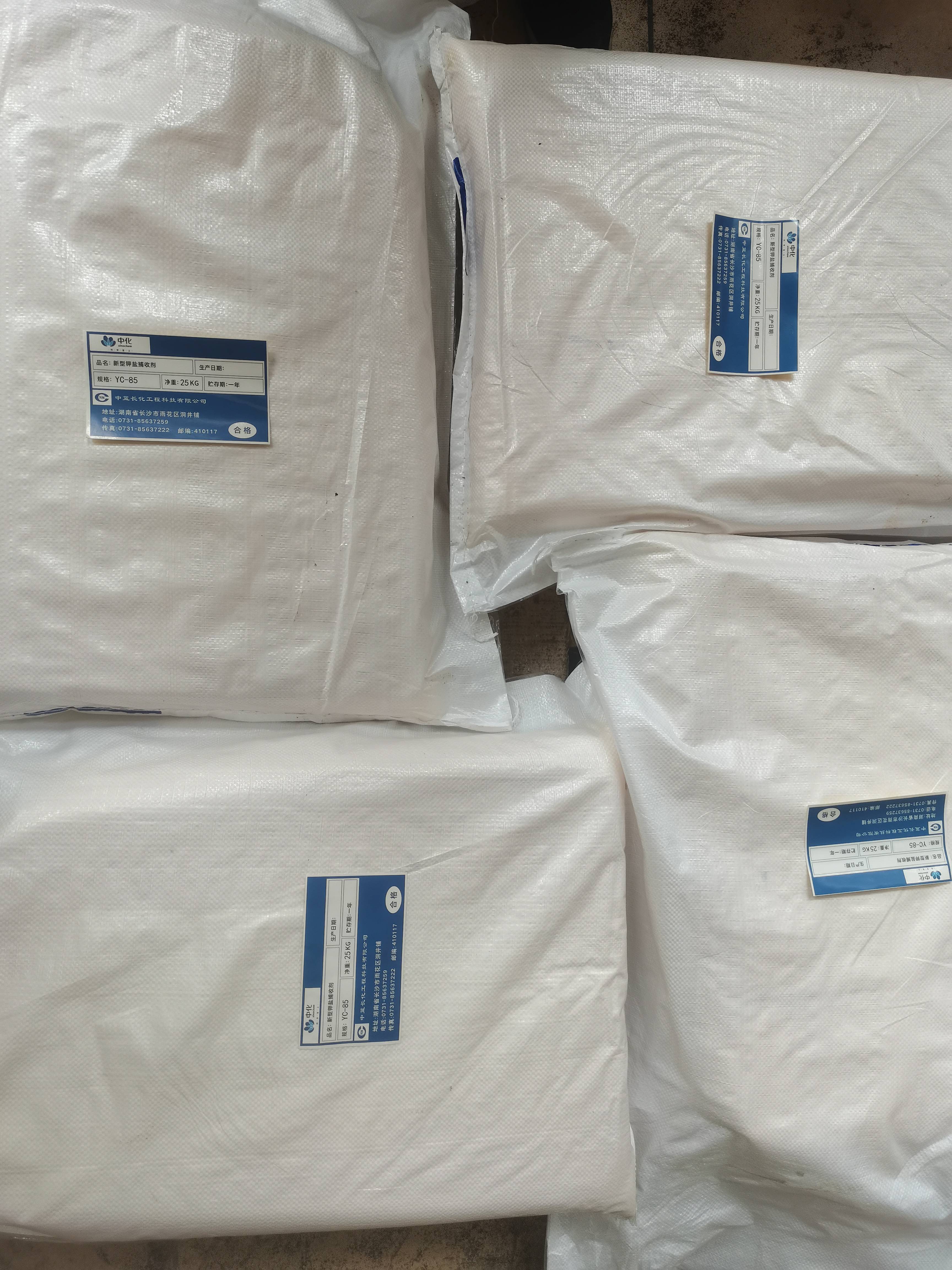
New Environmentally Friendly Green Potassium Salt Collector
Chonfar Engineering and Technology Co., Ltd.

CAP1400 main feedwater flow nozzle flowmeter.
Jiangsu Hongda Instrument Technology Co., Ltd.
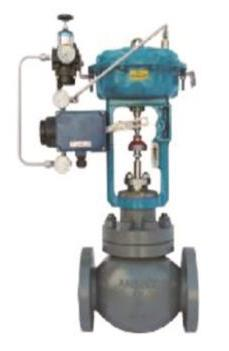
Quick-Change Single-Seat Control Valve / Quick-Change High-Pressure Single-Seat Control Valve
Beijing Consen Automation Technology Co., Ltd.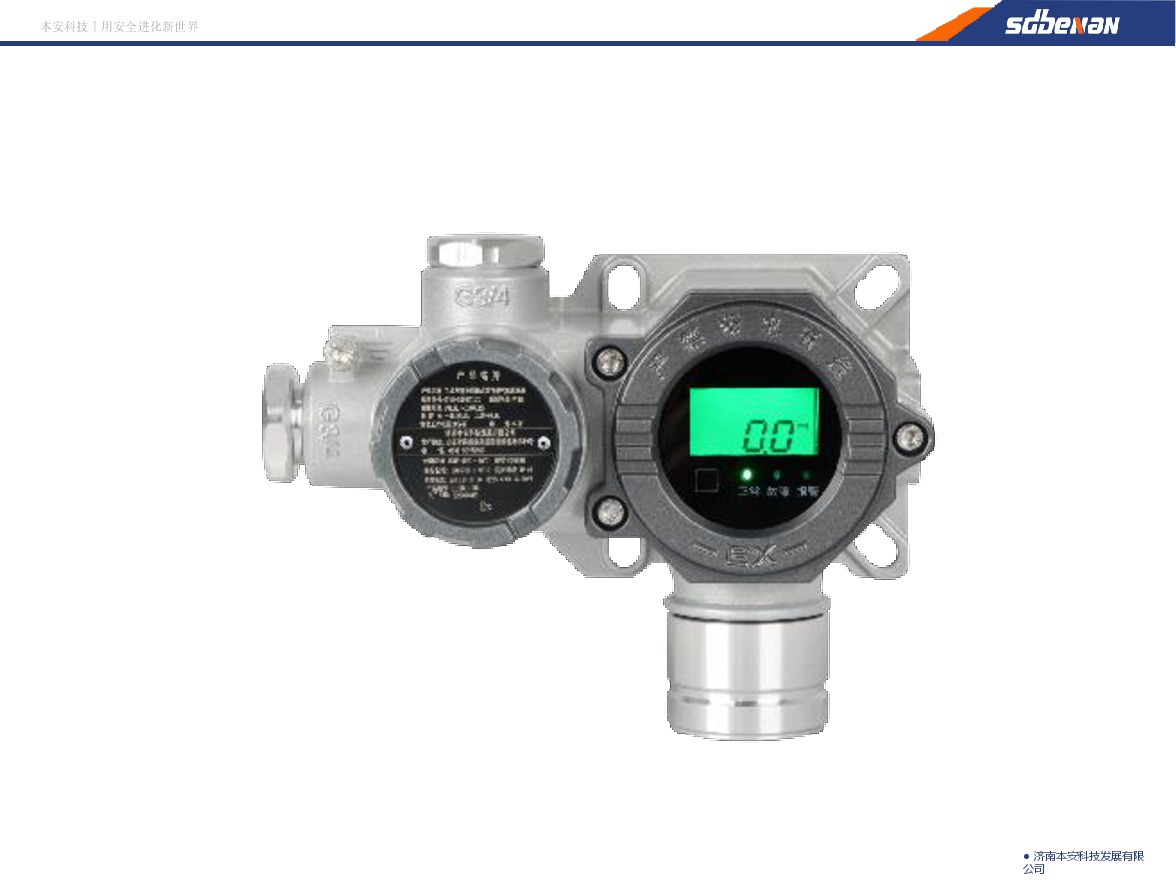
Industrial and Commercial Point-Type Gas Detector
Jinan Benan Technology Development Co., Ltd.

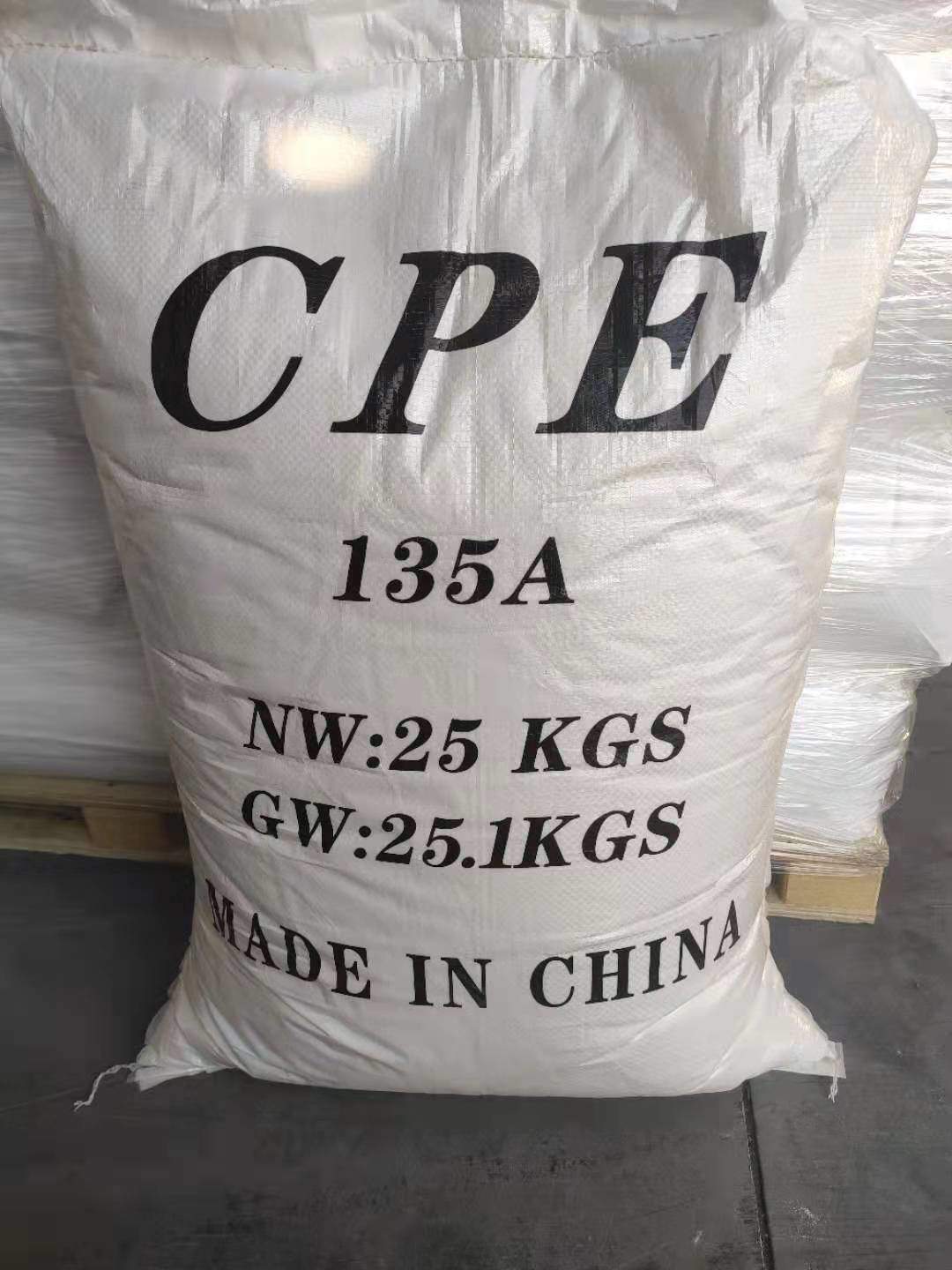
PVC Impact-Modified Chlorinated Polyethylene
Gansu Jinchuan Hengxin Polymer Technology Co., Ltd.