New Ferry for Sapelo Island, Georgia, USA to Enter Service in 2027
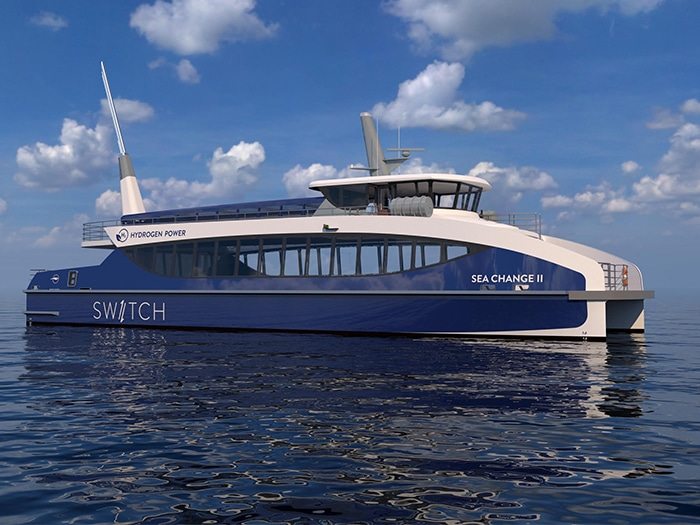
en.Wedoany.com Reported - On October 29, the Georgia Department of Natural Resources (DNR) awarded Derecktor Shipyards a contract to design and build a 70-foot (approximately 20-meter), 150-passenger catamaran ferry, to be constructed at the company's shipyard in Dania Beach, Florida, with construction planned to begin before the end of 2026. Designed by UK-based Chartwell Marine, the vessel features a hybrid propulsion system with full-electric operating capability and is scheduled to enter service in 2027.
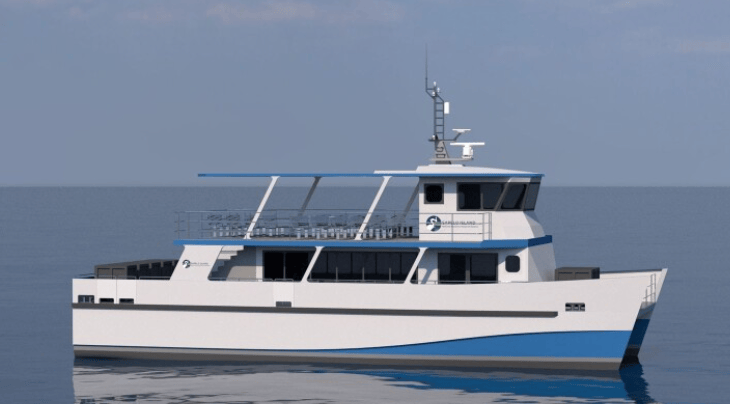
Chartwell Marine disclosed that the vessel features a customized catamaran hull and hybrid propulsion system, complies with IMO Tier 3 emission standards, and can switch to full-electric mode to reduce emissions and noise during docking, undocking, and navigation. The system has been adapted to the shallow-water conditions and limited port infrastructure around Sapelo Island. This is the first commercial ferry project undertaken by Derecktor's Dania Beach shipyard and Chartwell Marine's first commercial ferry design in the United States.
The new ferry will replace the existing state-operated ferry as the primary vessel serving Sapelo Island, with the current vessel relegated to backup duty. The route connects Meridian Dock on the mainland to Marsh Landing Dock on Sapelo Island, covering approximately 7 miles, and carries residents, researchers, and visitors on their daily commutes while also transporting cargo, construction materials, daily supplies, and scientific equipment. The island is home to the University of Georgia Marine Institute and the Sapelo Island National Estuarine Research Reserve, whose transport of scientific equipment and samples depends on the ferry.
Sapelo Island is located in McIntosh County, Georgia, and is accessible only by boat. Approximately 97% of the island's area is owned by the state and managed by DNR. In its design, Chartwell Marine drew on some of the hull-form experience from its offshore wind vessel designs, maintaining an appearance consistent with the existing ferry, while adapting boarding and mooring arrangements to the existing docks and accessibility requirements.
Related Products


Wheel and Track Technology Business
Beijing Research & Design Institute of Rubber Industry Co., Ltd.
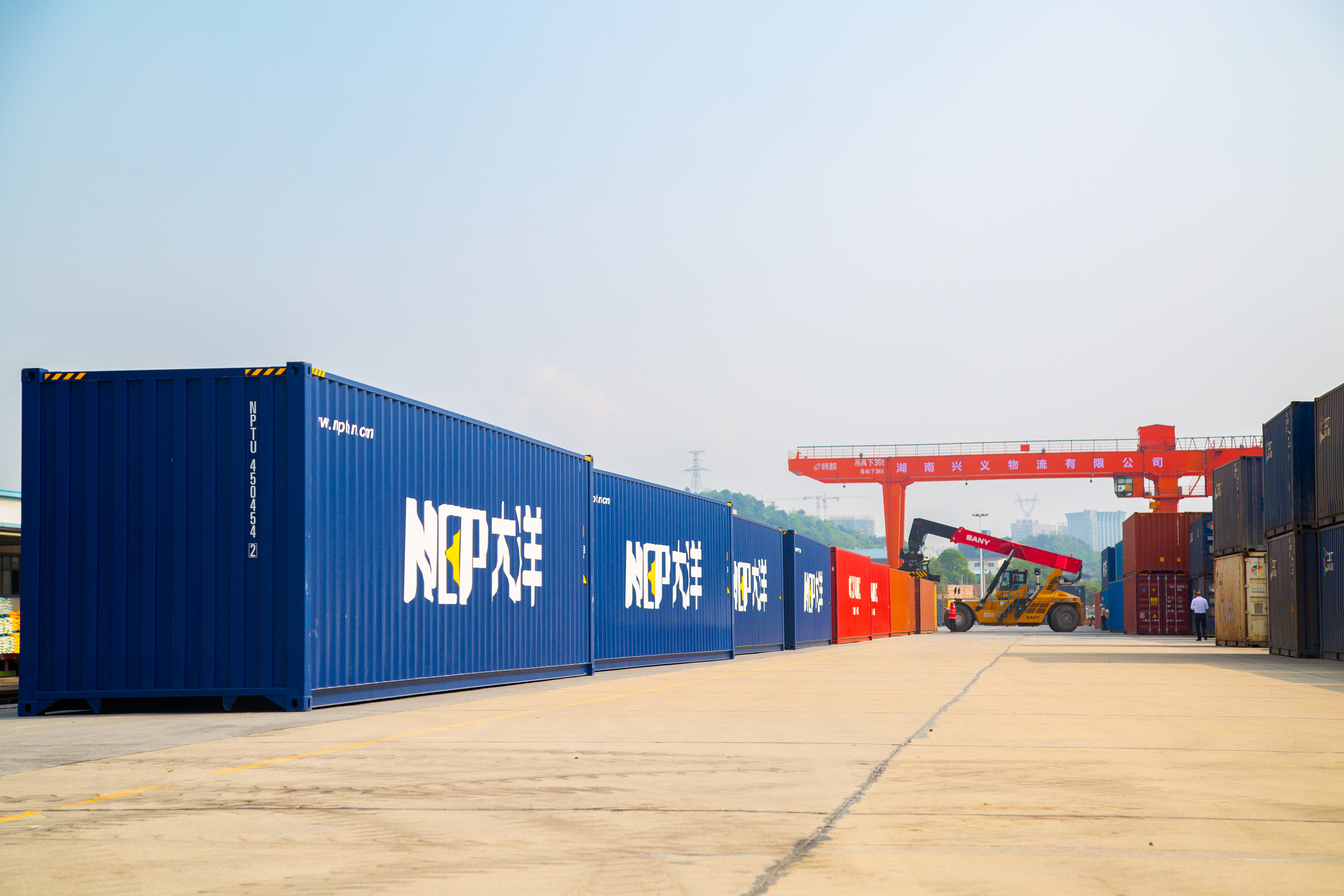
China - Alashankou/Khorgos - Europe Full Range Transportation (Mala/Hamburg/Duisburg/Budapest, etc.)
Shenzhen Neptune Logistics Co., Ltd.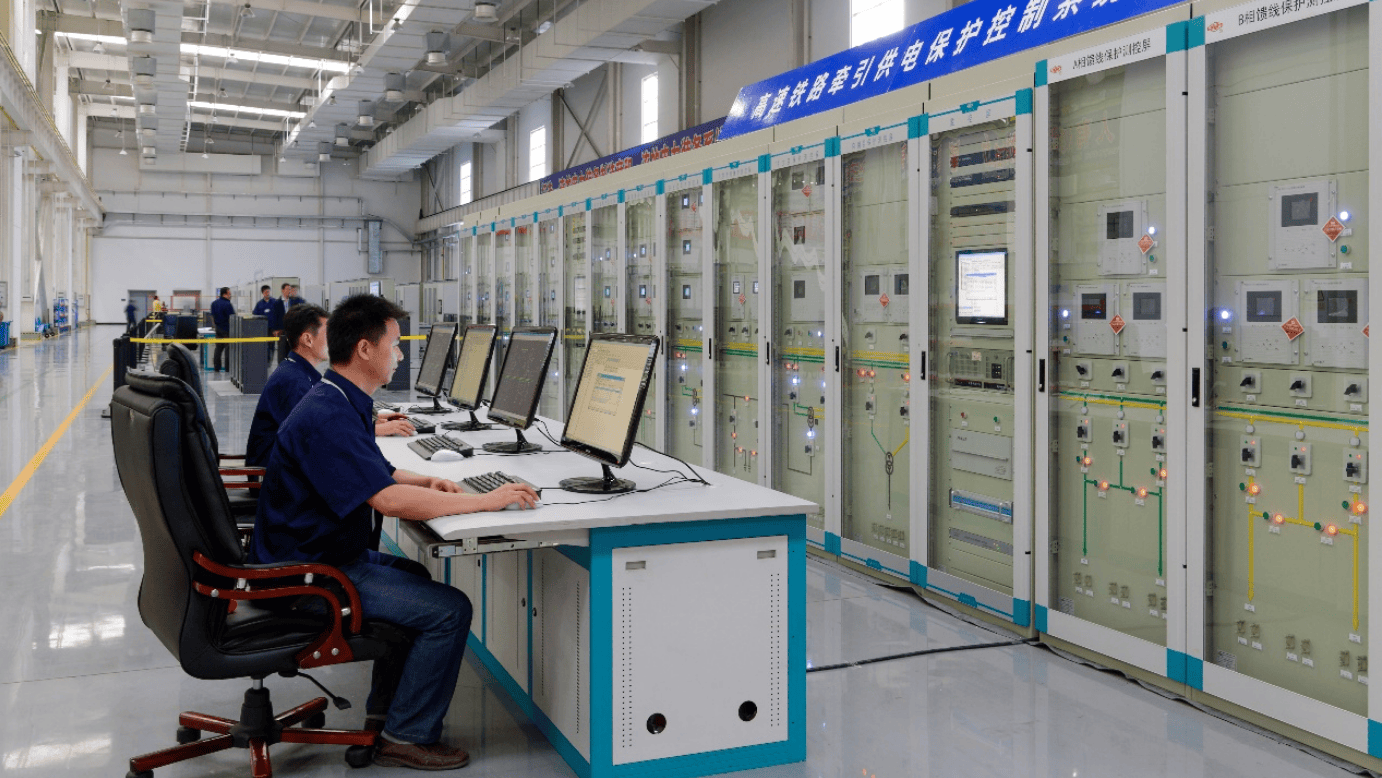

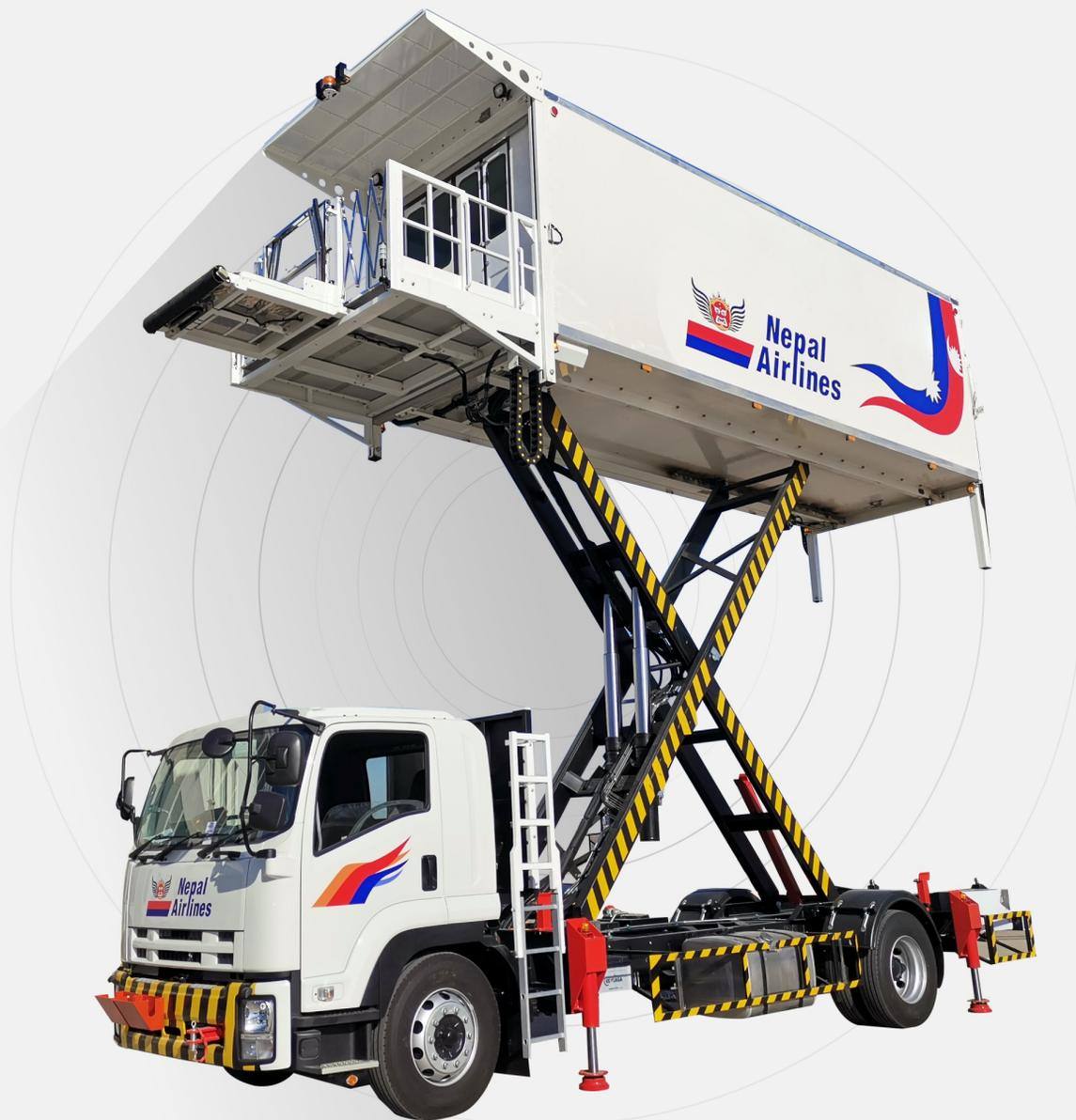
XC-6000e Type Aviation Catering Truck (Fuel Type)
Shenzhen CIMC-TianDa Airport Support Ltd.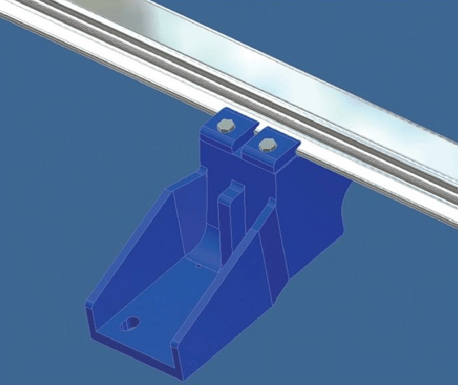
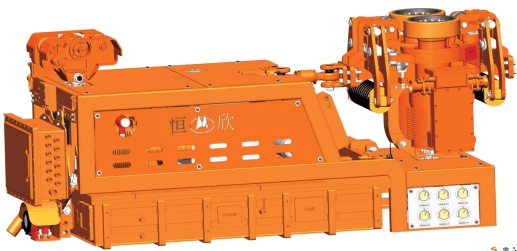
Explosion-proof lithium battery dispatching monorail crane locomotive (permanent magnet frequency conversion integrated machine)
Xiangtan Hengxin Industrial Co., Ltd.