Hindustan Shipyard Plans to Convert Kakinada Port Slipway into Second Shipbuilding Base
en.Wedoany.com Reported - On October 29, Hindustan Shipyard Limited (HSL) and Kakinada Seaports Limited (KSPL) signed a Memorandum of Understanding (MoU) during the INMARCO 2026 conference in Mumbai to evaluate the use of KSPL's existing slipway and wharf facilities in Kakinada, Andhra Pradesh, for HSL's shipbuilding operations. Following the signing, the two parties will first conduct a capability assessment of the facilities, and then decide based on the assessment results whether to upgrade them and how to execute specific shipbuilding projects.
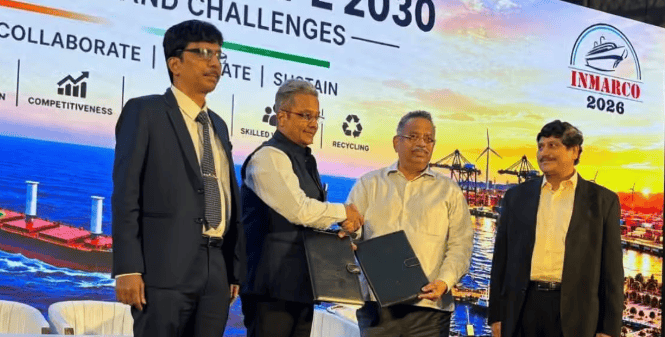
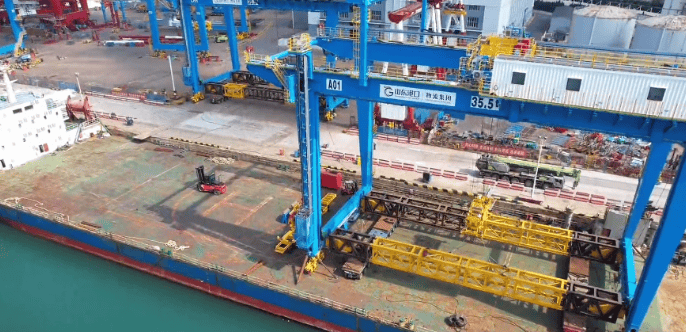
The core engineering logic of the MoU is to use existing facilities to form a second shipbuilding base rather than building a greenfield shipyard from scratch. A slipway is an inclined platform on which a hull is assembled before launching; a wharf provides berths for subsequent outfitting and completion. Building these two types of facilities from scratch requires substantial time, land, and capital. HSL's approach is to reconfigure the existing operational maritime assets at Kakinada Port into shipbuilding capacity, thereby obtaining additional construction space beyond its main shipyard in Visakhapatnam with relatively low upfront investment. The lead time and capital investment structure of this approach belong to a different model from the greenfield shipyard plan HSL had previously pursued in Andhra Pradesh.
The cooperation proceeds in the sequence of "assessment—gap—upgrade—execution," with each step based on the results of the previous one. The two parties will first conduct a detailed assessment of KSPL's slipway, wharf, and supporting facilities to determine what scale of ship construction these facilities can currently undertake; after the assessment identifies capability gaps, the MoU allows for infrastructure upgrades—either reinforcing existing structures or adding new structures—so that the site's dimensions and load-bearing capacity match HSL's shipbuilding requirements; on this basis, the two parties will then identify and execute specific shipbuilding projects in a collaborative model. The report makes clear that the MoU sets out a sequence of steps rather than a fixed order book—which ships will be built, when, and what roles each party will assume must be agreed upon after the first two steps are completed.
Related Products

JiuTian OneSky Pilot—Intelligent Management And Service Platform
China Times Prospect Science & Technology Co., Ltd.
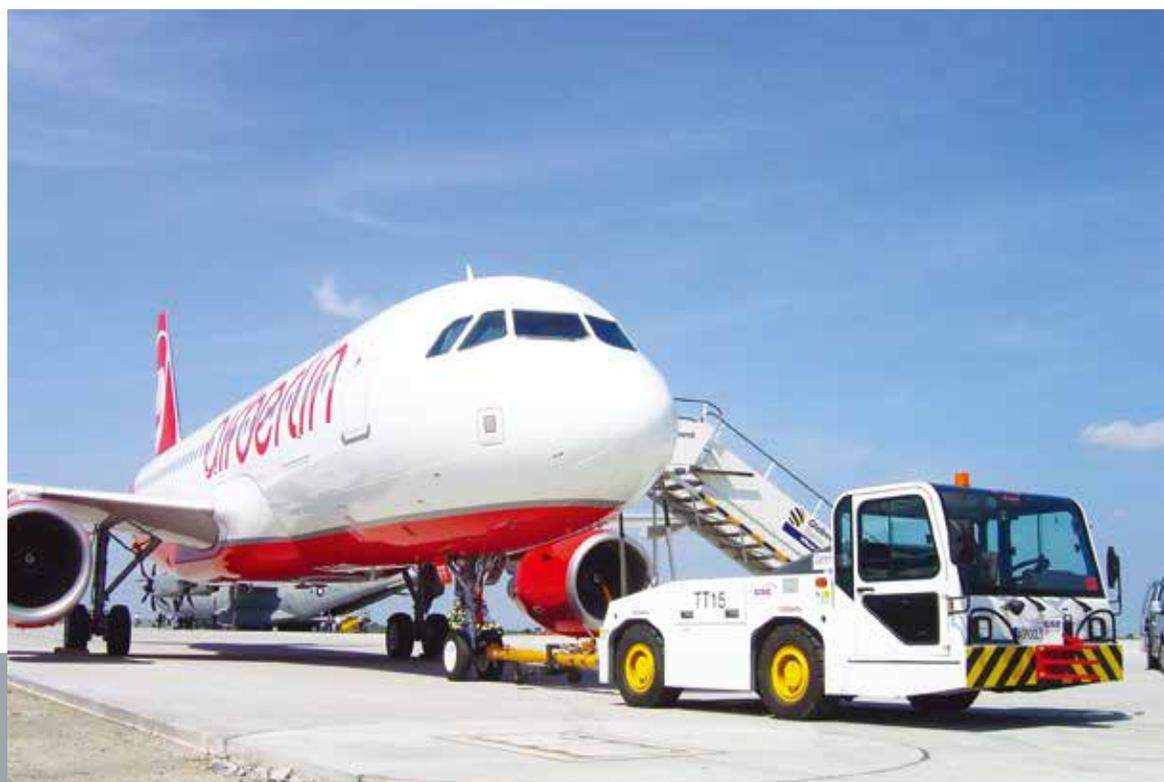
WGQY Series Aircraft Tow Tractor-WGQY15, WGQY27
Weihai Guangtai Airport Equipment Co., Ltd.
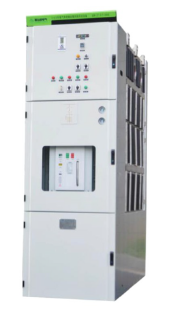
GSR6-27.5kV SF6 Free Gas-insulated Metal-enclosed Switchgear
Zhejiang Juhonkia Intelligent Electric Co., Ltd.