This Country Quietly Became an Electric Haven With EVs Now Having 76% Market Shares
Wedoany.com Report-Jul. 29, Nepal has emerged as a global leader in electric vehicle (EV) adoption, with 76% of new passenger vehicles and 50% of light commercial vehicles sold in 2024 being electric, far surpassing the global average of 20%. A recent New York Times report highlights Nepal’s rapid transition, driven by abundant hydropower, supportive import policies, expanding infrastructure, and affordable EVs from Chinese manufacturers.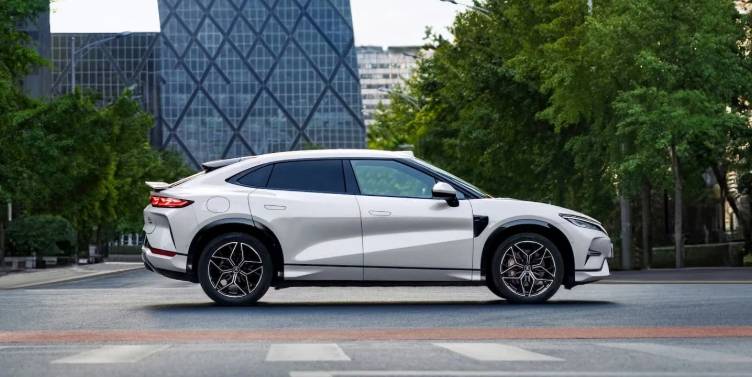
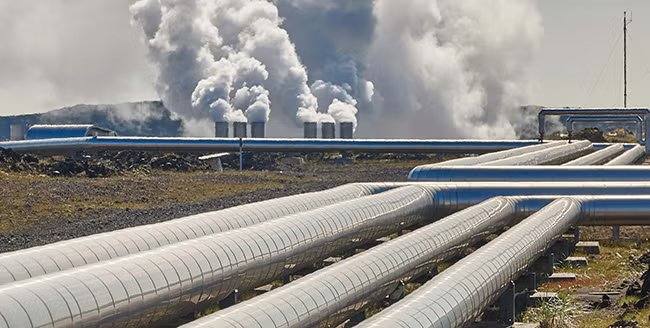
The country’s power grid, powered by Himalayan rivers, provides clean, locally sourced electricity. A 2015 fuel supply disruption prompted Nepal to prioritize hydropower, eliminating chronic blackouts and making EVs a cost-effective alternative to imported petroleum. The government reduced EV import taxes to as low as 40%, compared to 180% for traditional vehicles, making electric models like Hyundai’s SUVs more affordable than their gas-powered counterparts.
Charging infrastructure has grown significantly, with 62 public stations installed by the government and hundreds more at businesses and homes. At current electricity rates, charging an EV costs approximately 15 times less than fueling a gas vehicle, enhancing affordability for users.
Chinese automakers, particularly BYD, dominate Nepal’s EV market. Yamuna Shrestha, a former solar equipment distributor and now Nepal’s exclusive BYD dealer, operates 18 dealerships and projects sales of 4,000 vehicles in 2025. A local Suzuki dealer noted: “Consumers are getting Tesla-tier vehicles at half the price,” highlighting the competitive edge of Chinese brands over Indian manufacturers.
For everyday Nepalese, EVs are proving economically viable. Jit Bahadur Shahi, a retired police officer, purchased an electric minibus for $33,000. With just 10 monthly round trips between Kathmandu and his hometown, he covers loan payments and expects to own the vehicle outright in four years.
Challenges remain, including limited charging infrastructure in some areas, though the government is investing in expansion. Rising tariffs and the absence of a national battery recycling or vehicle safety plan could pose risks. Rajan Babu Shrestha, Nepal’s Tata Motors distributor, warned: “If incentives disappear, the market could shift back to gas.”
Public transit is the next focus, with state-backed Sajha Yatayat operating 41 electric buses and planning expansion, supported by an offer from China to donate 100 more. However, experts estimate 800 electric buses are needed to transform mobility in the Kathmandu Valley. Electric scooters and motorbikes, critical for many residents, lag behind adoption rates in neighboring India.
Lalitpur mayor Chiri Babu Maharjan stated: “We are trying to reduce fossil fuel vehicles in my town. This is very difficult, but we must do something.” Nepal’s EV success, driven by clean energy, affordable imports, and strategic policies, offers a model for other markets aiming to accelerate their transition to sustainable transport.
Related Products

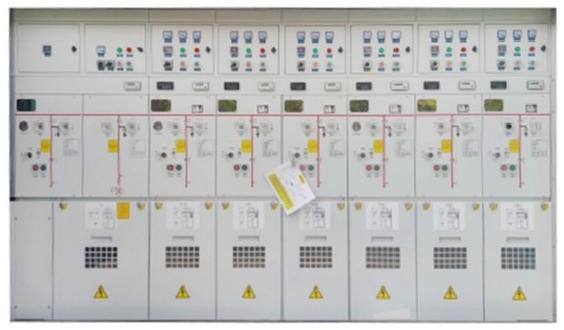
NISELA Series Environmentally Friendly Gas-Insulated Ring Main Unit
XJ DELISHIER ELECTRIC CO., LTD.
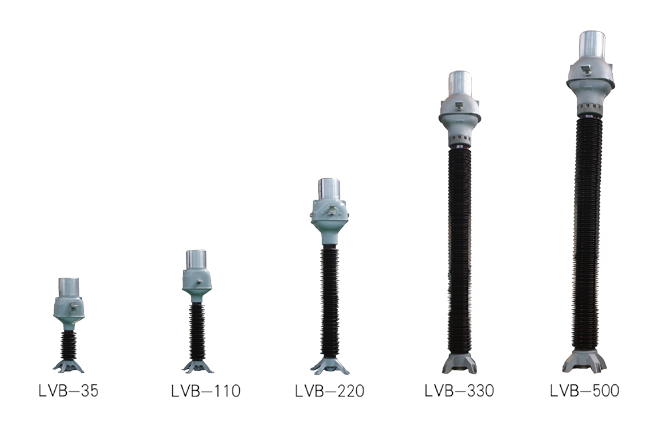
LVB Series 35-500kV Oil-immersed Inverted Current Transformer
Shandong Taikai Instrument Transformer Co., Ltd.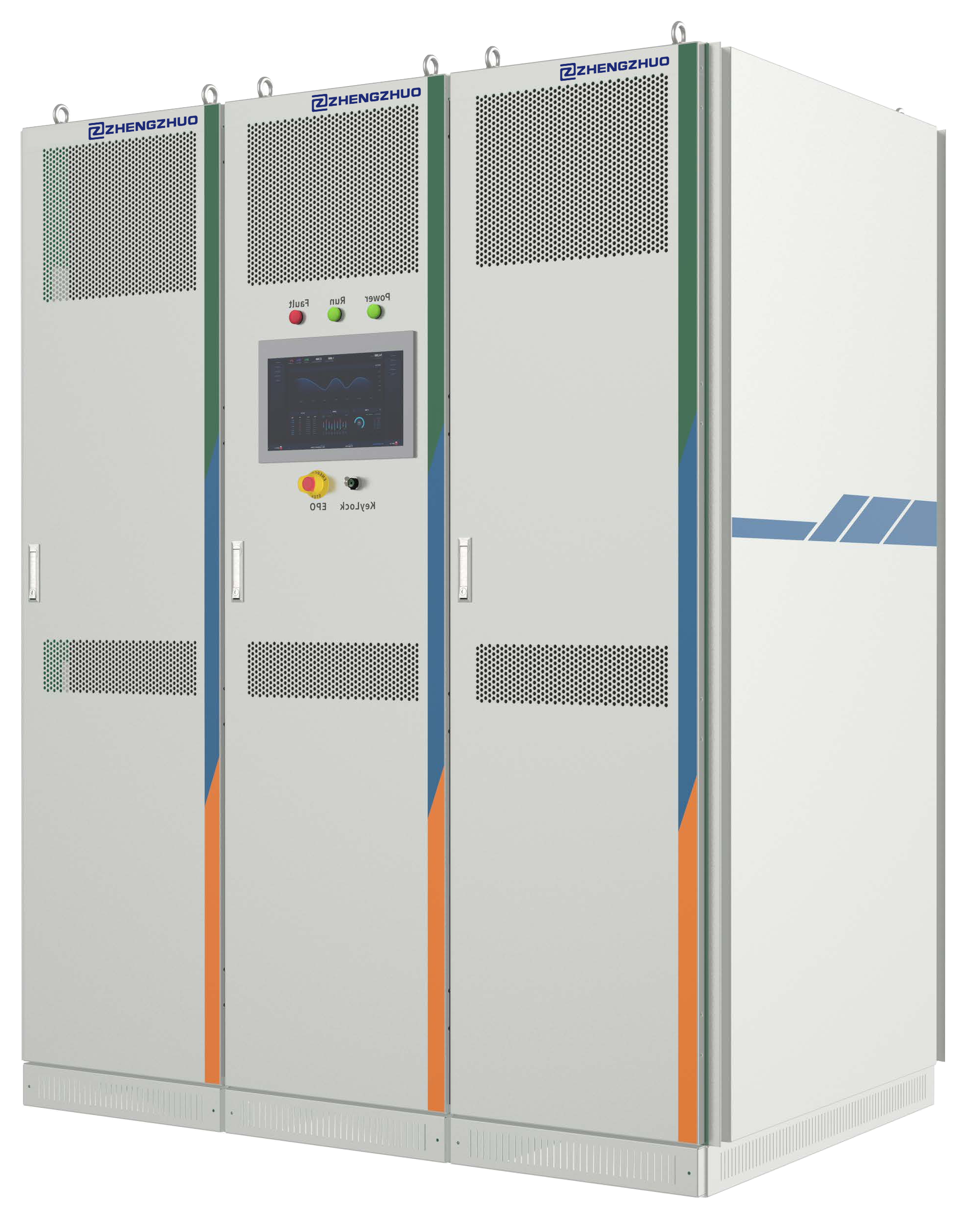
IGBT Hydrogen Production Power Supply - High Power Air Cooling
Beijing Zhengzhuo Engineering Technology Co., Ltd.


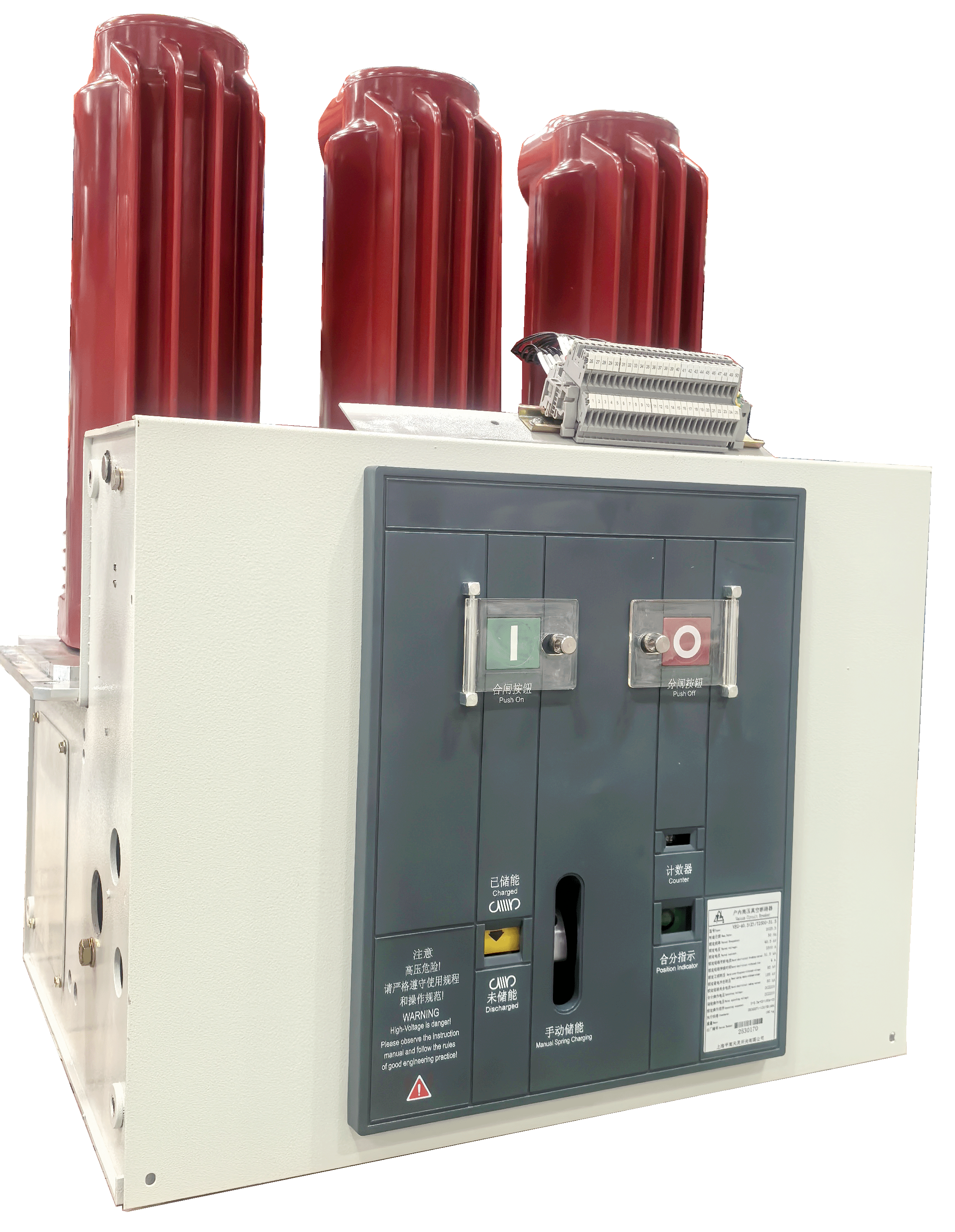
VEG-12/24/40.5 Series Vacuum Circuit Breaker
SHANGHAI PINGGAO TIANLING SWITCHGEAR CO., LTD.