India Plans to End State Monopoly on Uranium Mining
Wedoany.com Report-Aug. 15, The Indian government is set to reform its nuclear sector by allowing private companies to mine, import, and process uranium, according to Reuters, citing government sources. This change aims to support India’s goal of increasing nuclear power capacity twelvefold by 2047, contributing to 5% of the nation’s total energy needs.
India’s estimated uranium reserves of 76,000t could fuel 10,000MW of nuclear power for 30 years.
Historically, the state has controlled uranium-related activities to ensure safety and security. The government will continue to oversee the reprocessing of spent uranium fuel and plutonium waste management, consistent with international standards. To meet rising nuclear fuel demand, a regulatory framework is being developed to enable private Indian firms to participate in the uranium sector.
This policy, expected to be announced within the current fiscal year, will also permit private companies to supply essential control system equipment for nuclear power plants. India’s uranium reserves, estimated at 76,000 tonnes, could sustain 10,000 megawatts of nuclear power for 30 years, per government estimates. However, domestic supplies are projected to meet only 25% of the increased demand, necessitating expanded imports and processing capabilities.
A government official stated: “To facilitate private participation, New Delhi is required to amend five laws, including those governing mining, electricity sectors and foreign direct investment policies.” These amendments will create a structured environment for private involvement in the nuclear industry.
Earlier this year, during the budget announcement, the government signaled its intent to open the nuclear sector, prompting major Indian conglomerates to prepare investment strategies. The policy shift is part of a broader effort to enhance energy production and reduce reliance on imports for critical resources.
In a related development, last month, India introduced a plan to encourage foreign companies to establish smelters and refineries to boost domestic copper production by 2047. This includes incentives for state-owned Indian firms to invest in foreign mining operations, aligning with efforts to secure critical resources.
These reforms reflect India’s commitment to expanding its energy infrastructure through strategic partnerships and regulatory changes, fostering sustainable growth in the nuclear and mining sectors while addressing future energy demands.
Related Products


DDW22/08SE-HORIZONTAL DIRECTIONAL DRILL
DW/TXS Construction Equipment (Beijing) Co., Ltd.
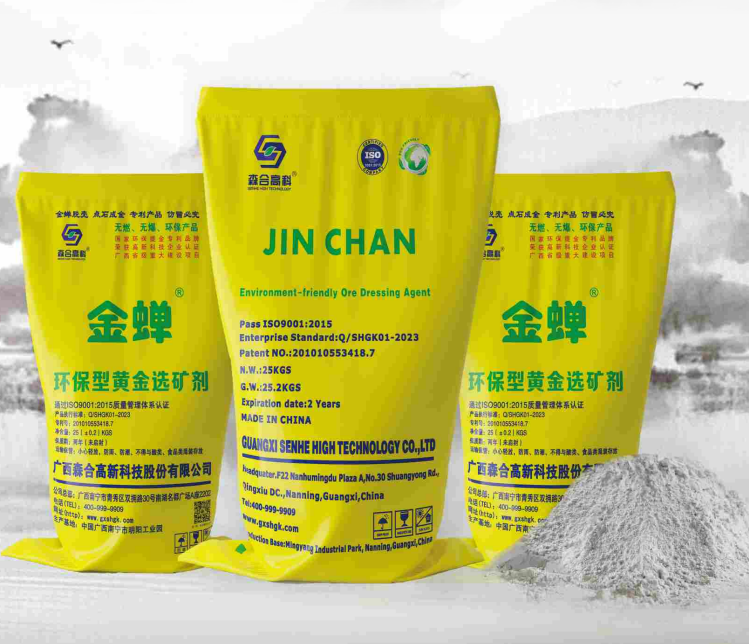


CKD135E Pure Electric Wide-body Dump Truck
Jiangsu Changkuang Engineering Machinery Co. Ltd.
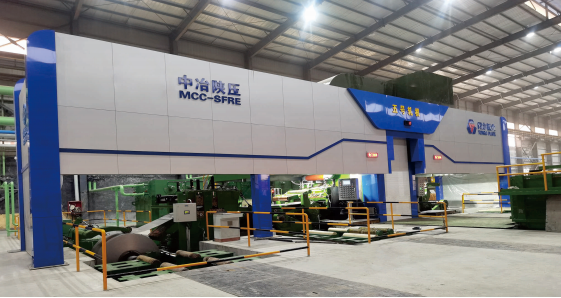
1050-1750mm Steel Strip Single-stand Reversible Cold Rolling Production Line
MCC-SFRE HEAVY INDUSTRY EQUIPMENT CO., LTD.
Core Technologies of the Mining Technology and Equipment Business Unit: Efficient Mining Methods and Processes
CHANGSHA INSTITUTE OF MINING RESEARCH CO., LTD.