China Will Be Able to Do Without American Soybeans Until at Least the End of 2025
Wedoany.com Report-Sept. 6, Chinese soybean processors, according to Oil World, are expected to meet their demand through imports from South America and significant state reserves, reducing the likelihood of purchasing American products before the end of this year.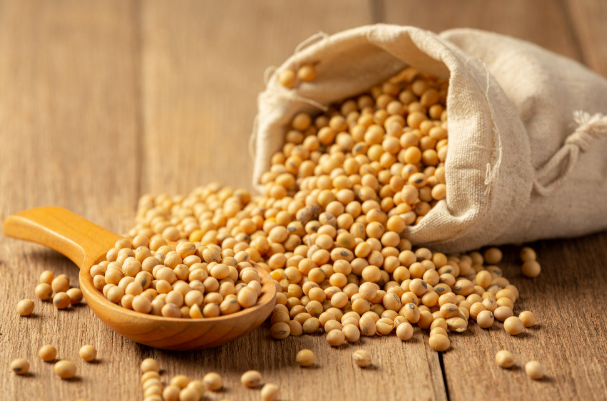
Between September and December 2025, China’s soybean imports are forecast to reach 35.6 million tons, which is 1 million tons higher than the same period last year. Of this total, 34.5 million tons will come from South America. Brazil will contribute 27 million tons, while no shipments are anticipated from the United States. By contrast, during the same period in 2024, more than 9 million tons were imported from the U.S.
Purchases from Argentina have shown particularly strong growth. Since July 2025, China has imported at least 8 million tons of soybeans from Argentina, and this figure may rise by another 6 million tons by year-end. In comparison, between September and December 2024, Argentina exported only 2.5 million tons to China.
The increase in imports from Argentina highlights China’s diversification of sources within South America. The consistent availability of supply and favorable yields are contributing factors. Analysts point out that this trend is likely to continue in the coming months, supported by forecasts of strong harvests across the region.
Looking ahead to the first half of 2026, analysts expect the supply situation to remain stable. Brazil is projected to achieve a record soybean harvest of 176 million tons. Alongside Brazil, high yields in Argentina and Uruguay are expected to secure sufficient volumes for Chinese demand. This outlook suggests China will continue to rely on South America to cover its soybean needs while avoiding purchases from the United States.
The shift in sourcing reflects broader patterns in global agricultural trade, where production dynamics and competitive pricing play important roles in shaping import flows. For China, the combination of robust South American harvests and substantial domestic reserves offers flexibility and stability in managing supply.
Overall, the forecast underscores the importance of Brazil, Argentina, and Uruguay in meeting China’s soybean requirements. With supply outlooks remaining strong, imports from South America are set to maintain a dominant position in China’s soybean market into 2026.
Related Products
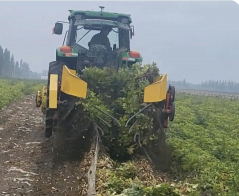

4HS-8 High-efficiency Peanut Inverted-laying Harvester
Hebei Yongfa Hongtian Agricultural Machinery Manufacturing Co., Ltd.
Industrial and Commercial Point-Type Gas Detector
Jinan Benan Technology Development Co., Ltd.


714CD Series C-Band Weather Radar
Chengdu Zhongdian Jinjiang Information Industry Co., Ltd.