Panama Advances Gas Pipeline for New Interoceanic Energy Corridor.
Wedoany.com Report-Sept. 6, Panama President José Raúl Mulino has announced the launch of the process to develop a gas pipeline, marking the first step in creating a new interoceanic energy corridor. The initiative is being introduced as one of the largest planned investments in the history of the Panama Canal and aligns with the Panama Canal Authority’s strategy to diversify revenue sources. The aim is to expand beyond maritime transport, strengthen cargo movement capacity, and reinforce Panama’s position as a global trade hub.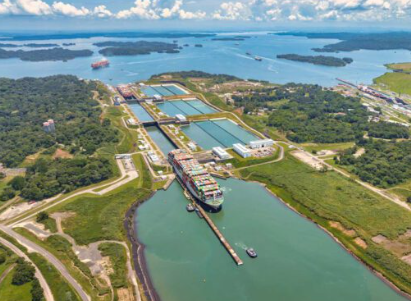
The broader strategy also envisions an intermodal logistics hub, which will include container transshipment terminals, storage facilities, and a road extending along most of the west bank of the Canal. The first two transshipment terminals are to be located on the east bank, while the new road will link the Centennial Bridge, about 20 kilometers inland from Panama City, to the Atlantic Bridge near the entrance to the Atlantic Ocean.
Speaking at the announcement, President Mulino said: “The pipeline we are announcing today is a strategic bet by Panama to remain a key country in the global economy, generating development for Panamanians and ensuring the sustainability and competitiveness of the Panama Canal.”
Although detailed specifications for the pipeline have not yet been disclosed, the Canal’s board of directors has granted authorization to begin selecting a concessionaire. The formal launch of the process will take place in Panama, with pre-qualification of interested parties scheduled to begin later this year. The final selection of the concessionaire is expected to be completed by the fourth quarter of 2026.
The project is forecast to bring significant economic benefits. During construction, more than 6,500 jobs are anticipated, with around 9,600 roles created once the pipeline becomes operational. Annual state revenue is projected at approximately B/.160 million (about $160 million) during the construction phase and over B/.1.5 billion once the pipeline is in operation. The contribution to the national economy is estimated at around B/.590 million annually during construction and B/.2.7 billion during the operational phase.
The Panama Canal, which in August marked 111 years of operation, continues to strengthen its sustainability efforts. As part of its strategy, the Canal has introduced measures focused on decarbonization and climate change adaptation. Recently, the first two of ten tugs with hybrid electric propulsion were inaugurated. These vessels are expected to significantly cut emissions, improve energy efficiency, lower underwater noise, and reduce fuel use while extending maintenance intervals.
The proposed gas pipeline and associated projects represent a major step for Panama as it seeks to diversify infrastructure and reinforce its role as a critical link in global trade and logistics.
Related Products
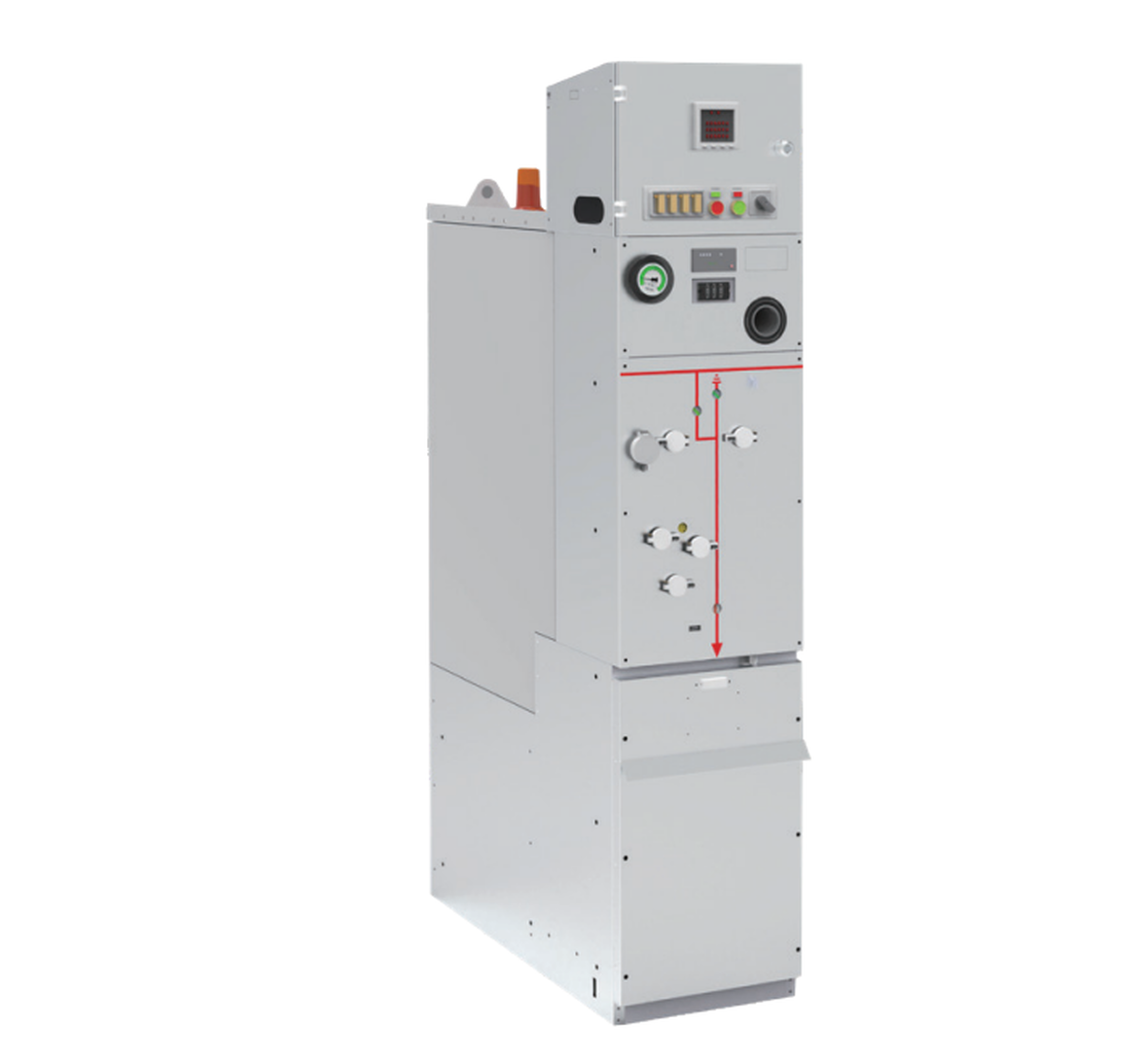

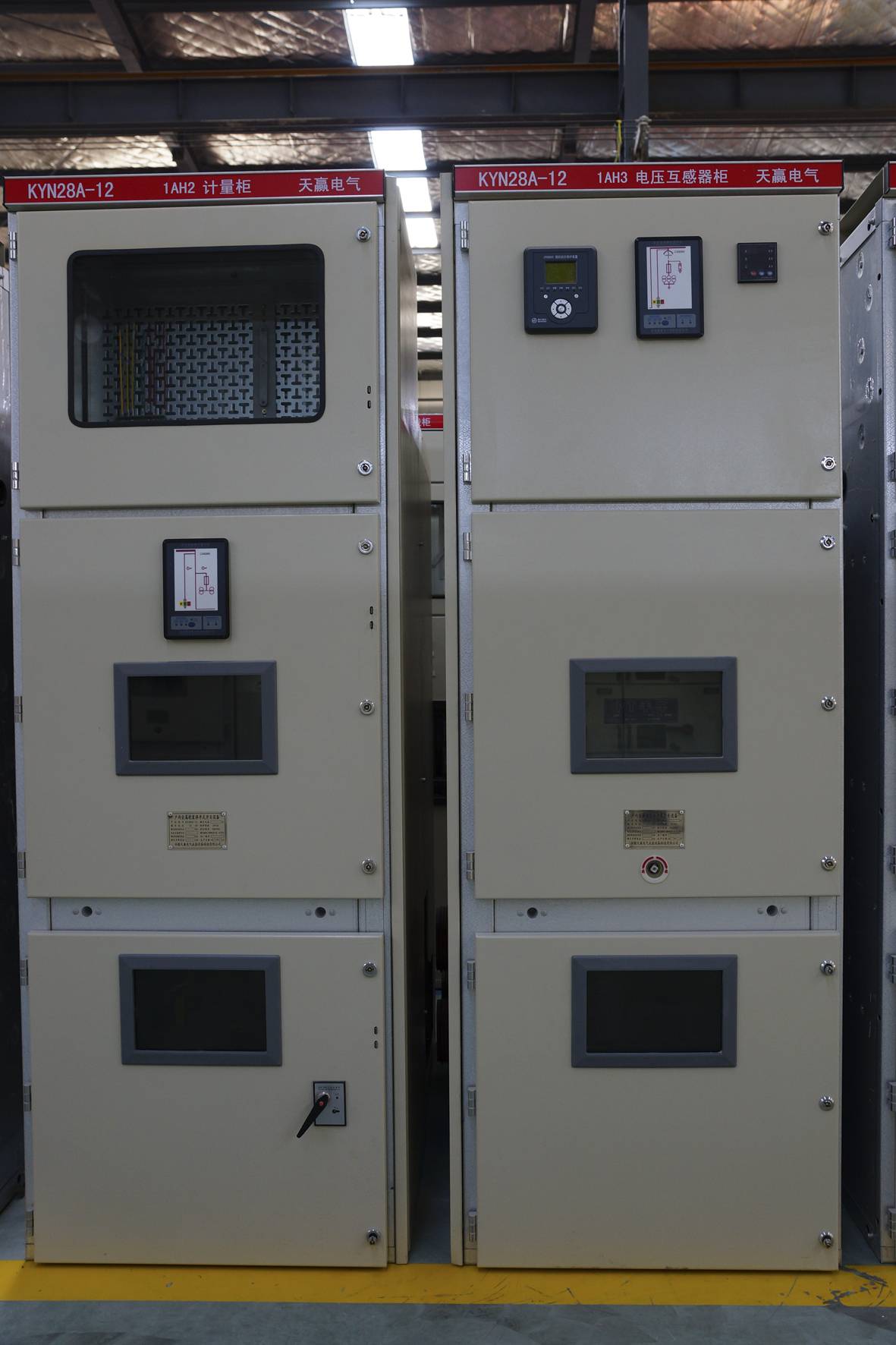
KYN28 - High Voltage Switchgear
Anhui Tianying Electrical Equipment Manufacturing Co., Ltd.
Electromagnetic Fluid Seawater Floating Oil Separation and Recover Equipment
Huate Magnet Group Co., Ltd.


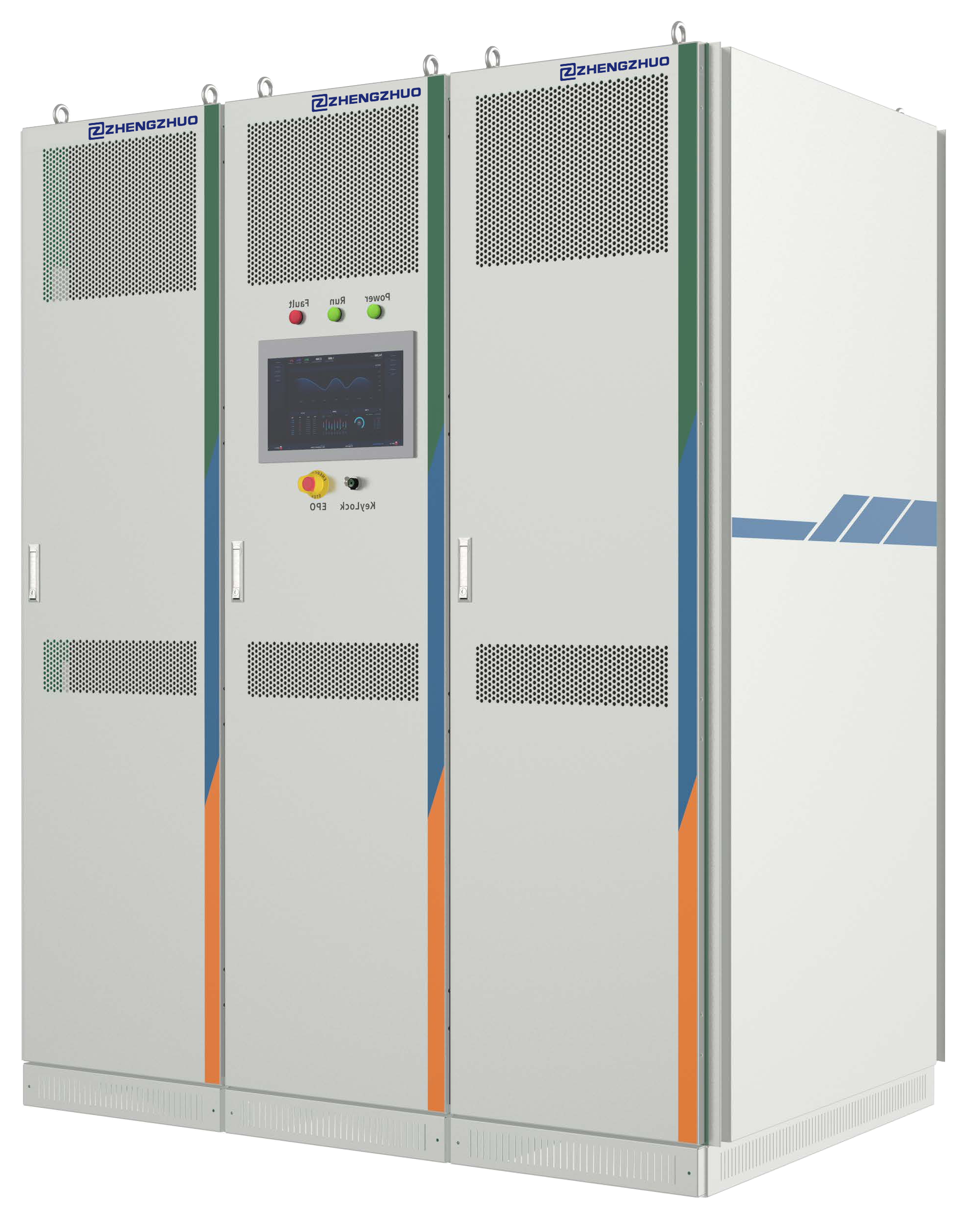
IGBT Hydrogen Production Power Supply - High Power Air Cooling
Beijing Zhengzhuo Engineering Technology Co., Ltd.