COP29 Opens in Azerbaijan Amid Controversy Over Fossil Fuel Ties
Former oil executive Mukhtar Babayev opened this year’s COP29 negotiations in Baku, Azerbaijan Monday, amid controversy over the petrostate’s promotion of its fossil fuel industry and criticism that the United Nations climate summit is merely a “greenwash conference.”
Babayev’s presidency agenda highlighted methane from waste and a sixfold increase in battery energy storage, but it notably sidestepped a fossil fuel transition, despite COP28’s landmark adoption of that goal last year, reported the Financial Times.
Once more, the UN is holding a global climate conference in a country that earns most of its export revenue from oil and gas. Likewise, it was the United Arab Emirates last year, and Egypt in 2022, with the next COP planned in Brazil—another fossil fuel economy.
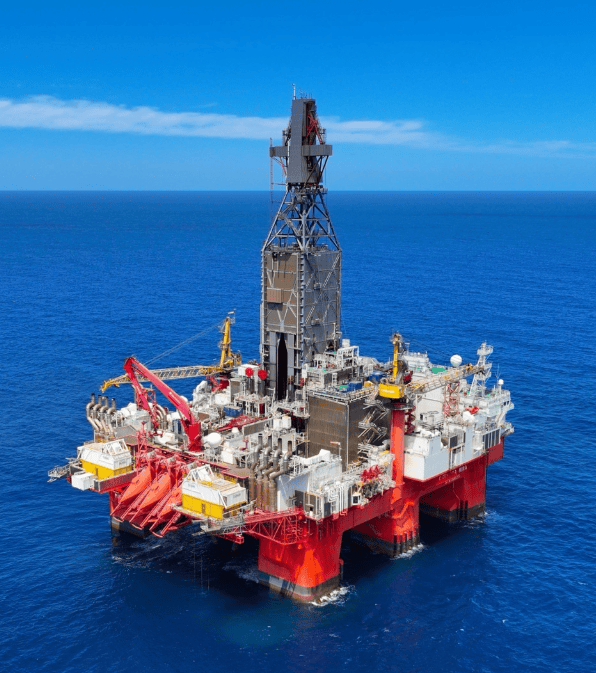
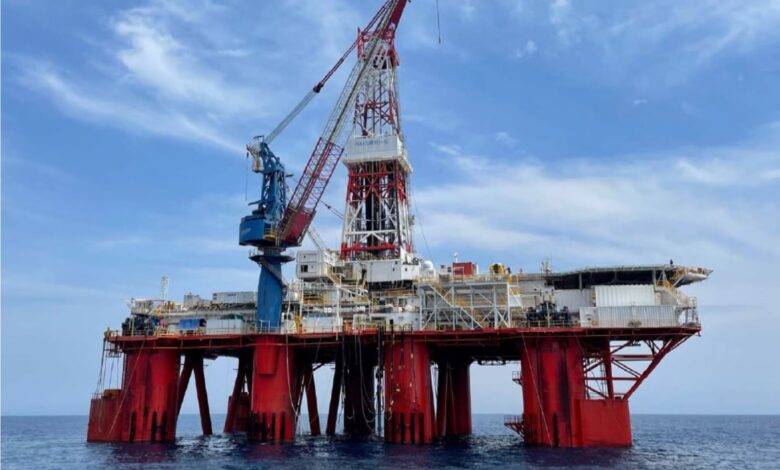
Azerbaijan’s current and target policies for tackling climate change were rated “critically insufficient” by Climate Action Tracker. The irony is visually apparent in capital Baku, built on the Caspian Sea with money from oil, and with oil rigs and refineries operating nearby, reports The New York Times. Multiple reports have also described the smell of oil in and around the conference venue.
Wedoany.com Report-Nov 13, Azerbaijan was selected to host the COP after a lengthy process to choose a location in Eastern Europe. A host must be approved by all UN member states, with a single “no” vote enough to stall a decision. Russia exploited that process by blocking nominations of any possible host that opposed the invasion of Ukraine, leaving just two options—Azerbaijan and Armenia—each likely to vote against the other as they are at war. Russia broke the deadlock by negotiating a deal in which Azerbaijan released Armenian prisoners in exchange for Armenia allowing it to be the host, the Times recalls.
Climate activists have called for an overhaul of the process to prevent this from happening again, reports Inside Climate News.
Babayev, Azerbaijan’s ecology minister, is a former executive of the state oil company Socar. To his credit, he tried to reduce the company’s environmental damage, writes Inside Climate News. A Untied States ambassador to the country recounted that Babayev “said his mission was to ‘change the mentality’ of Azerbaijanis about their responsibilities to preserve the environment.”
Still, entering the second year in a row that the COP is overseen by a leader with close ties to the fossil fuel industry, Babayev’s appointment has elicited dismay from climate advocates who caution about industry capture of the COP process, writes the Independent. BBC News recently reported that one of Azerbaijan’s senior COP officials used their role to promote fossil fuel deals. He was caught on tape telling a man posing as a potential investor, “we have a lot of gas fields that are to be developed.”
Related Products



2.7V 100000F (60wh) 60138 high-power energy storage power starting power supply (instantaneous high current), low-temperature discharge, long service life, 100000 times of use
Gonghe Power Co.,LTD
Intelligent Complete Conveying Equipment for Ultra-Long Working Faces
Ningxia Tiandi Benniu Industrial Group Co., Ltd.




YDD7.4(A) Mine power disaster acoustic and electrical monitoring instrument
Shandong Tianhe Science & Technology Co., Ltd.