Wedoany.com Report-Sept. 16, The Nexus project, a 1.6 MW solar installation located on the canals of the Turlock Irrigation District (TID) in California, has been completed and entered full operation. This $20 million state-supported pilot project is designed as a demonstration model for agricultural regions facing water scarcity challenges.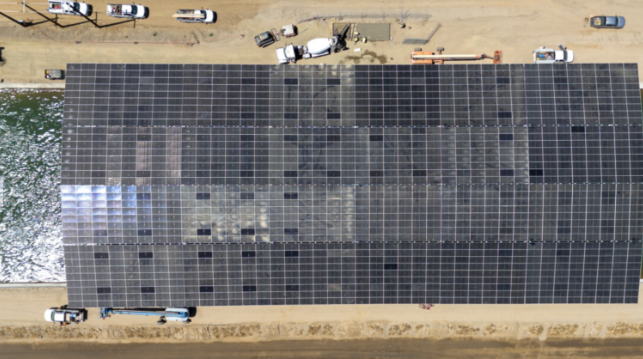
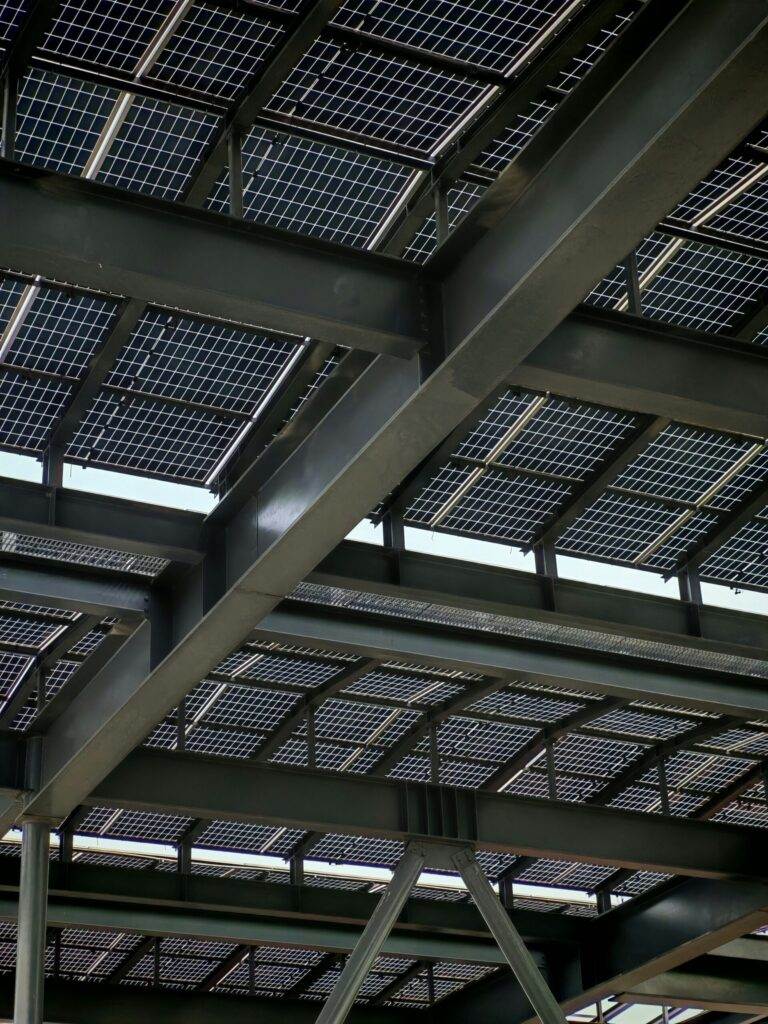
The Nexus Project consists of solar-powered canopies over several sections of the Turlock Irrigation District's irrigation canals
Two photovoltaic arrays have been deployed: one across a 30-meter-wide canal and another over a 6-meter-wide canal in Stanislaus County. Both systems were commissioned and began operating in August 2025. The initiative is intended as a proof of concept to test the design, construction, and benefits of canal-top solar infrastructure. It utilizes TID’s existing facilities and grid connections, and it is the first project in the United States of this type to bring together public agencies, private industry, and academic institutions.
To support energy storage, a battery system has been installed at the narrower canal site. The equipment consists of 75 kW iron flow batteries produced by U.S. manufacturer ESS. Each containerized unit supplies 400 kWh of peak energy storage capacity, supports more than 20,000 charge cycles, and is designed for long-term use. The battery weighs 41.9 tons, measures 12 meters in length, 2.4 meters in width, and 2.9 meters in height. Its electrolyte relies on recycled iron and salt water, making it fully recyclable.
The University of California, Merced, has set up monitoring instruments at both canal-top solar locations. The research aims to gather baseline data for evaluating energy performance and environmental impacts. While the precise water savings of Project Nexus are not yet determined, previous studies by UC researchers suggest that covering the state’s 4,000 kilometers of canals with solar panels could conserve up to 63 billion gallons of water per year. That volume would be sufficient to irrigate approximately 50,000 acres of farmland or provide for more than 2 million residents.
In addition to water conservation, TID is examining whether shading canals with solar panels could improve water quality by limiting the growth of aquatic vegetation. The outcomes of the pilot will help guide the future application of canal-top solar projects in California and potentially other water-stressed agricultural regions.
By combining renewable energy generation with resource management, Project Nexus demonstrates how solar technology can serve multiple purposes—producing clean power, potentially reducing evaporation, and contributing to local water system sustainability. The integration of advanced storage technology further supports grid reliability and offers insights for broader adoption in similar settings.