HSBC Expects Gold’s ‘Bull Wave’ to Hit $5,000 in 2026
Wedoany.com Report-Oct. 20, On Friday, HSBC projected that gold’s ongoing bull rally could push prices to $5,000 per ounce in 2026, driven by elevated market risks and participation from new investors. Spot gold surpassed $4,300 on Thursday, marking its strongest week since December 2008.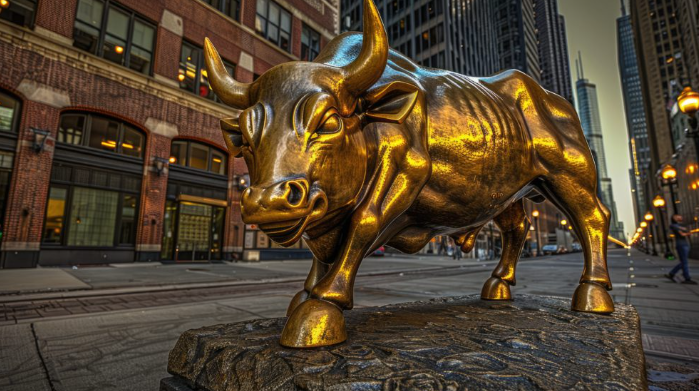
HSBC noted that the advance has been supported by geopolitical tensions, robust central bank purchases, growing exchange-traded fund inflows, expectations of US interest rate cuts, and uncertainties related to trade tariffs. In a research note, the bank said: “The bull market is likely to continue to press prices higher for 1H’26 and we could very well reach a high of $5,000/oz some time in 1H 2026.”
The bank also revised its 2025 average gold price forecast upward to $3,455 per ounce, from a previous $3,355, while increasing the 2026 average forecast to $4,600, up from $3,950. HSBC cited factors such as geopolitical risks, economic policy uncertainty, and rising public debt as key drivers supporting higher prices.
According to HSBC, the sharp rise in gold prices in the second half of 2025, combined with the entry of new buyers, is expected to keep prices elevated and could trigger further spikes into early 2026. However, the bank also anticipates significant volatility and potential moderation in the second half of 2026.
HSBC highlighted the unique behavior of new entrants in the market: “Unlike previous rallies we believe many of these new buyers are likely stay in the gold space – even after the rally ends – not so much for appreciation necessarily as for gold’s diversification and ‘safe haven’ qualities.”
Other major banks have shared similar expectations. Analysts at Bank of America and Societe Generale also forecast that gold could reach $5,000 per ounce in 2026, reflecting widespread market optimism about the precious metal’s performance amid persistent global uncertainties.
In summary, HSBC expects gold prices to remain robust through early 2026, driven by continued risk appetite, investor demand, and macroeconomic uncertainty, while also noting that price swings and temporary corrections may occur later in the year.
Related Products
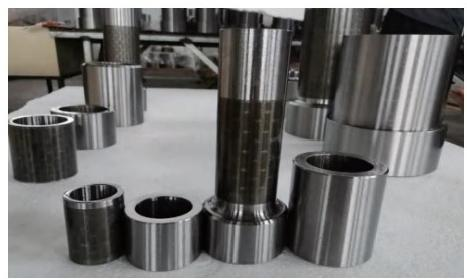

High-temperature Equal Wall Thickness High-power Screw Drilling Tool
Orient Energy & Technologies Co., Ltd.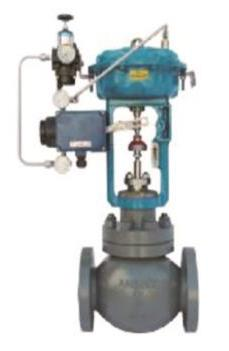
Quick-Change Single-Seat Control Valve / Quick-Change High-Pressure Single-Seat Control Valve
Beijing Consen Automation Technology Co., Ltd.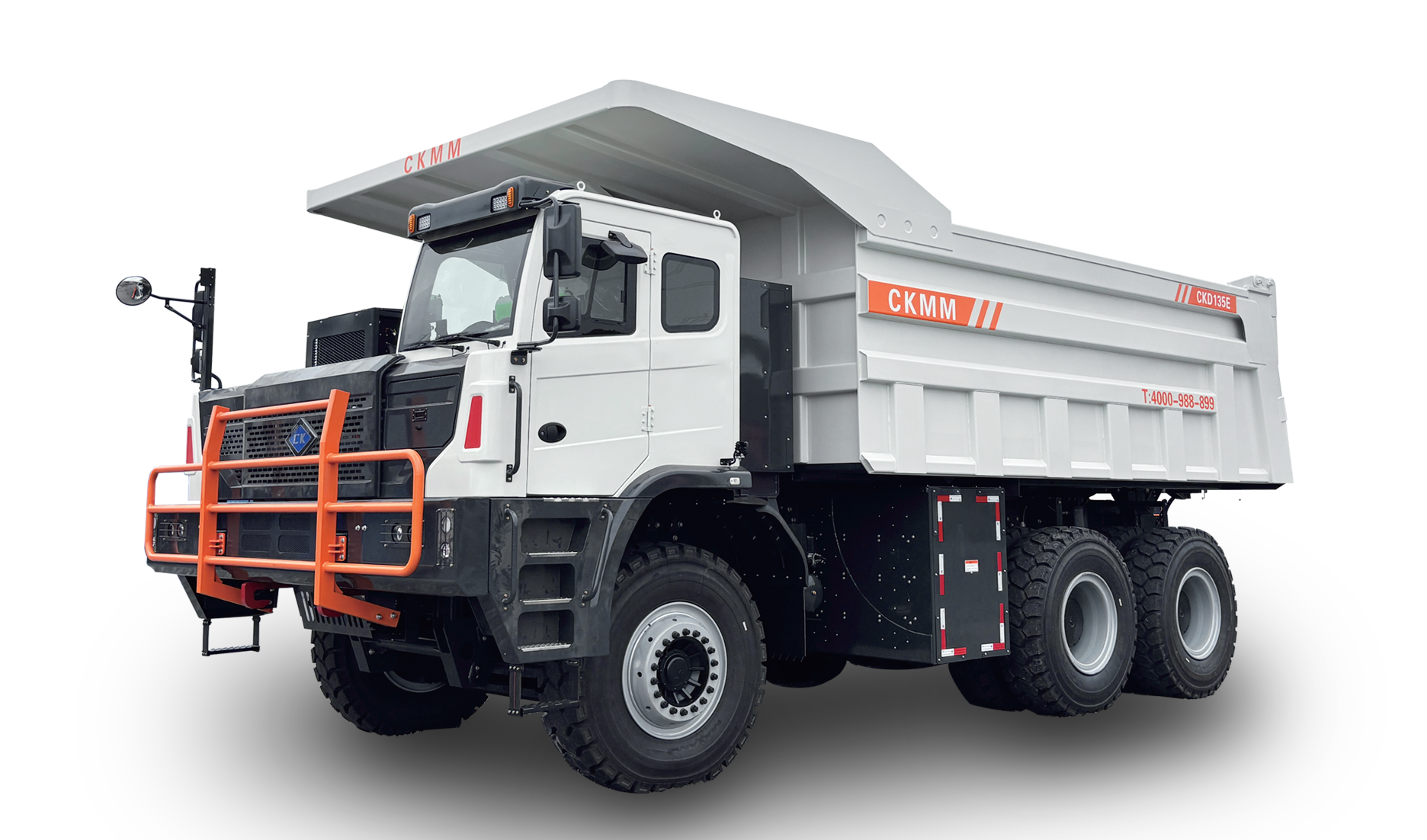
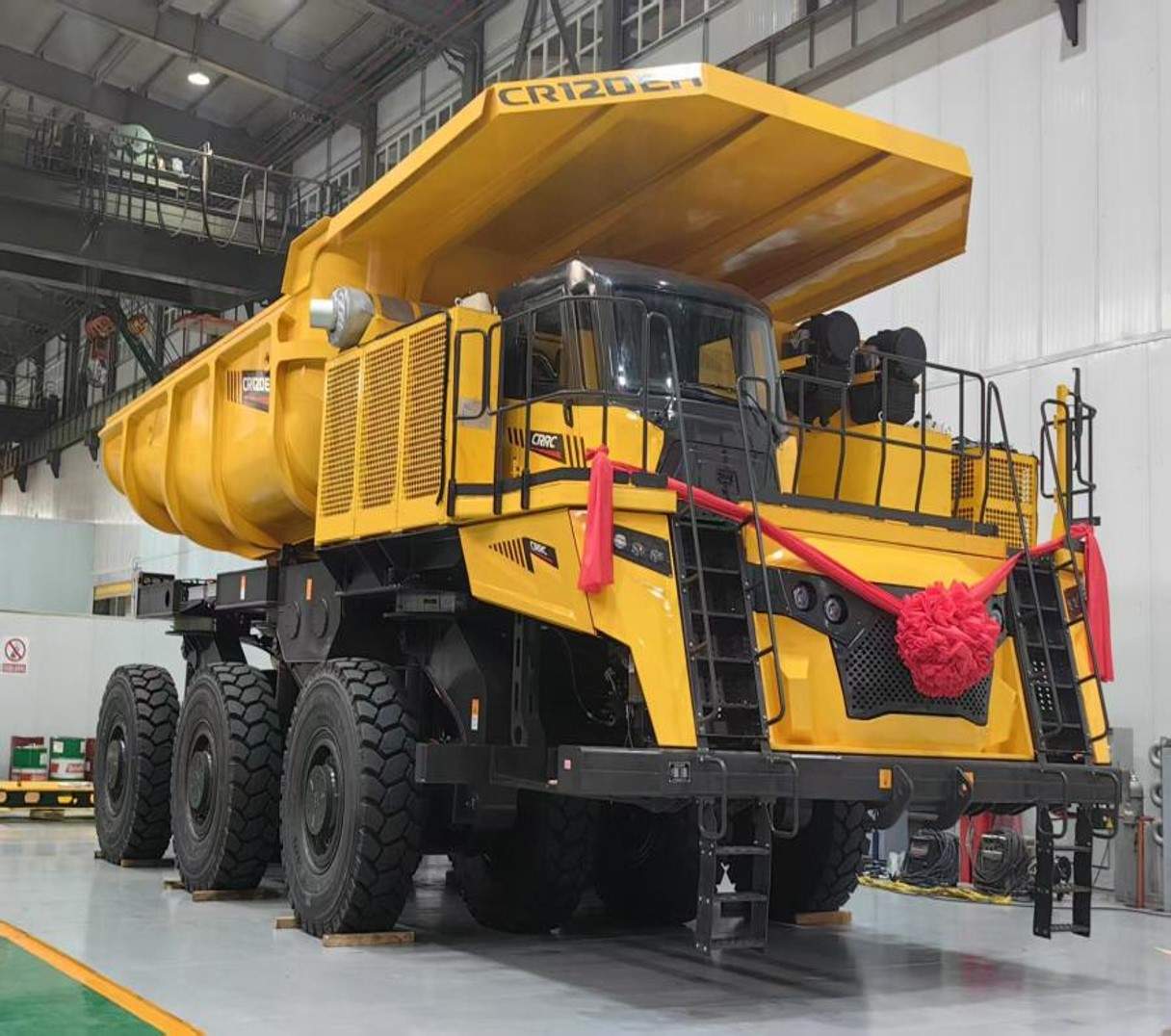
CKD135E Pure Electric Wide-body Dump Truck
Jiangsu Changkuang Engineering Machinery Co. Ltd.
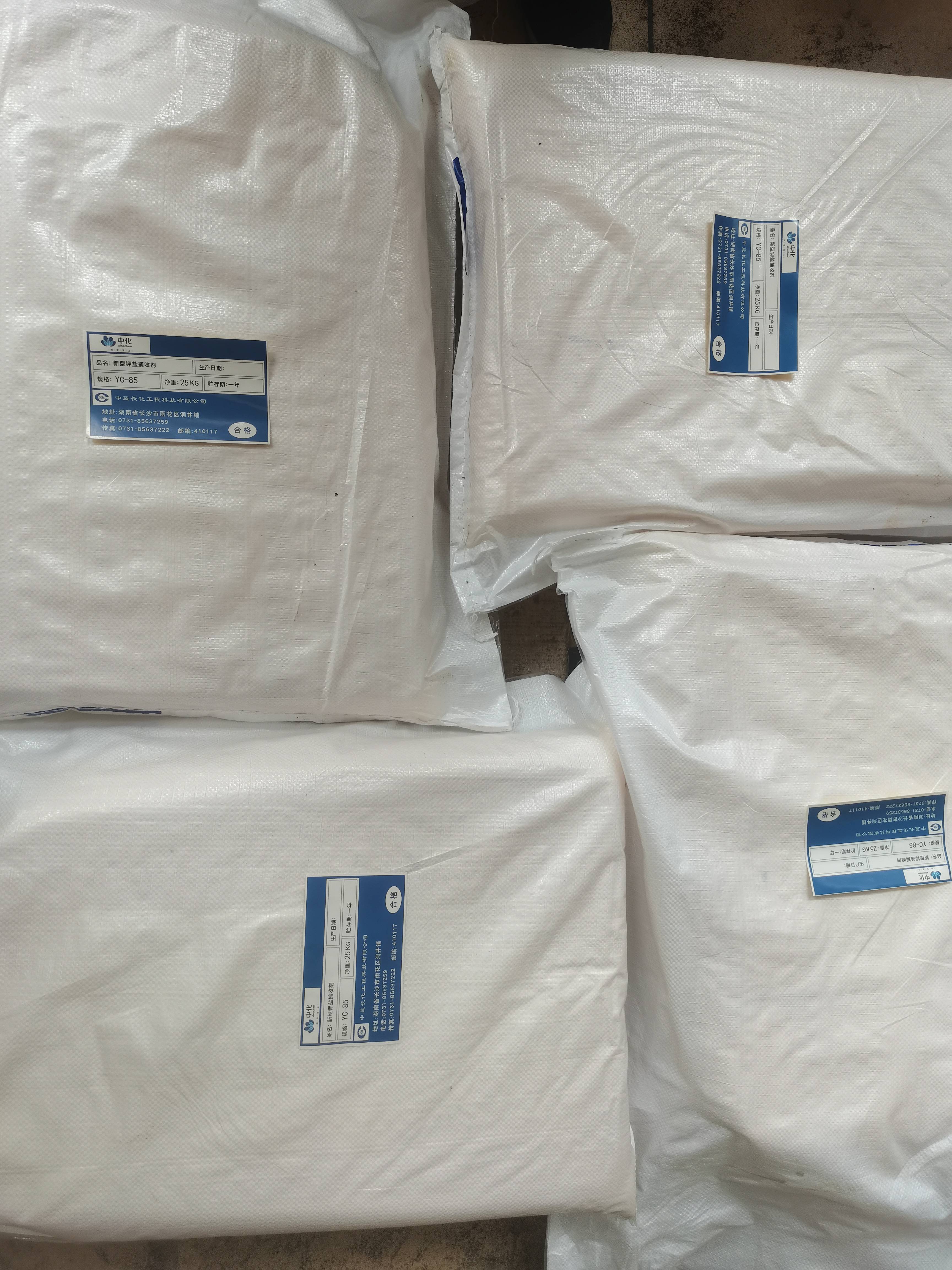
New Environmentally Friendly Green Potassium Salt Collector
Chonfar Engineering and Technology Co., Ltd.
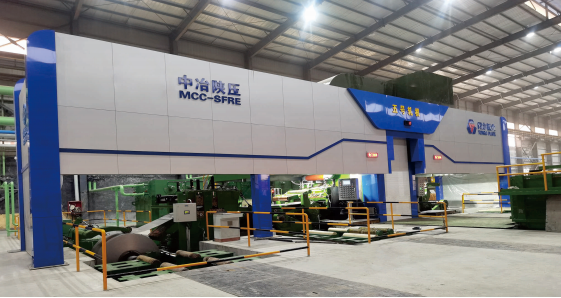
1050-1750mm Steel Strip Single-stand Reversible Cold Rolling Production Line
MCC-SFRE HEAVY INDUSTRY EQUIPMENT CO., LTD.