Shanghai and Ningbo Drive China’s Port Growth
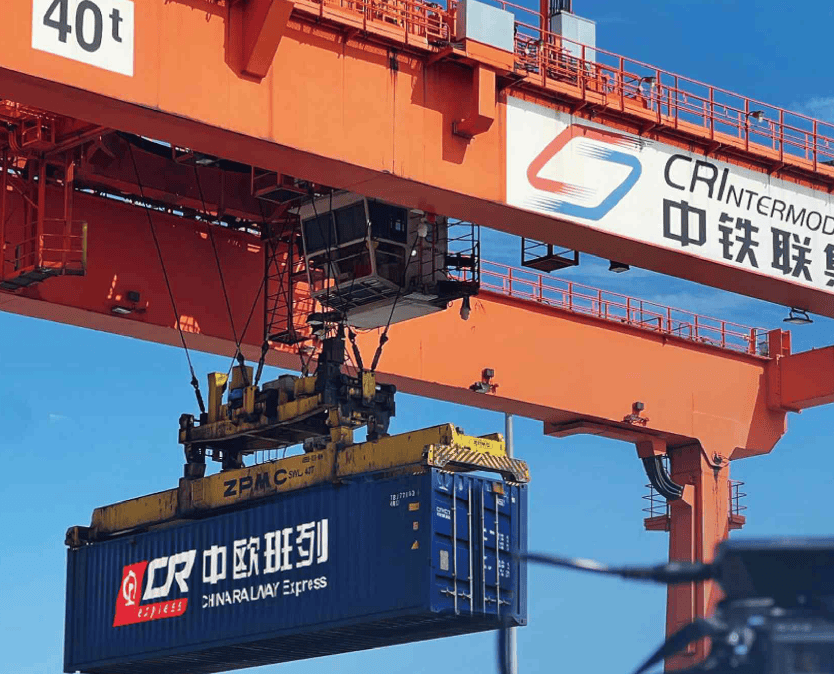
Wedoany.com Report-Oct. 23, China’s leading container ports continued to support global maritime trade in 2025, with Shanghai and Ningbo-Zhoushan driving strong growth in the first eight months of the year.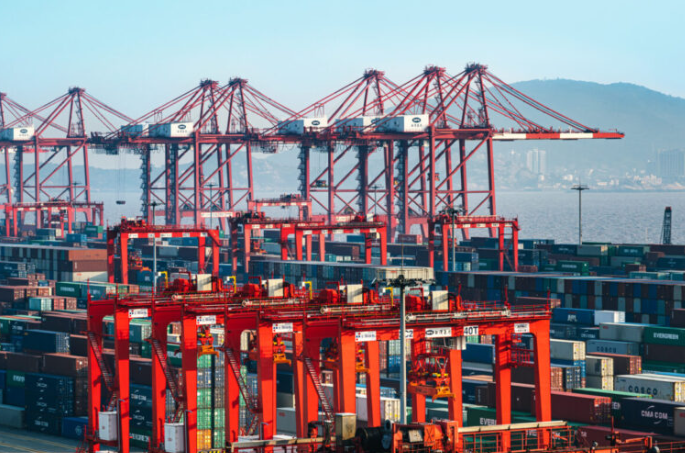
In August, Shanghai handled over 5 million TEU, marking an 11.5% month-on-month increase and bringing the cumulative year-to-date total to 36.7 million TEU, up 5.3% from the same period in 2024. Ningbo-Zhoushan showed similar momentum, reaching 4 million TEU in August, an 11.3% month-on-month rise, with cumulative throughput of 28.6 million TEU, up 9.6% year-on-year.
Other major Chinese hubs, including Shenzhen, Qingdao, Tianjin, and Guangzhou, also recorded steady gains, reflecting a broader trend of recovery and resilience in China’s port sector. Smaller but fast-expanding ports showed notable increases: Beibu Gulf rose 13.2% month-on-month, and Rizhao jumped 17.3% month-on-month, highlighting the growing significance of regional ports in China’s logistics network.
These developments come amid ongoing global supply chain adjustments. The Container Port Performance Index shows China maintaining a strong lead in global port performance despite recent disruptions, with throughput volumes demonstrating both stability and robust growth.
By contrast, some neighbouring regions experienced mixed results. Hong Kong handled 1.06 million TEU in August, down 8.5% month-on-month, with cumulative throughput at 8.7 million TEU, a 4.1% decrease year-on-year. Kaohsiung, Taiwan, fell 9.5% month-on-month and 2.8% year-on-year, while Busan, South Korea, saw throughput decline 5.1% month-on-month, although cumulative volumes increased 2.1% year-on-year.
Southeast Asian ports posted varied performance: Singapore increased 7.2% month-on-month, Malaysia’s Klang Port grew 3.7%, and Tanjung Pelepas showed stronger results with 19.3% month-on-month and 15.6% year-on-year growth. Turkey’s Aliaga recorded the most significant growth, with throughput up 471.1% month-on-month and 51.7% year-on-year, reflecting strong regional demand.
Overall, China’s ports remain top performers in throughput and year-on-year stability, with several hubs posting double-digit monthly gains. These figures demonstrate China’s continuing central role in global maritime trade, as international shipping patterns adjust and global trade flows rebalance through 2025.
The performance underscores China’s efficient port operations, strategic investments, and capacity expansion, reinforcing its position as a key driver of international shipping and a benchmark for throughput stability in a shifting global supply chain.
Related Products
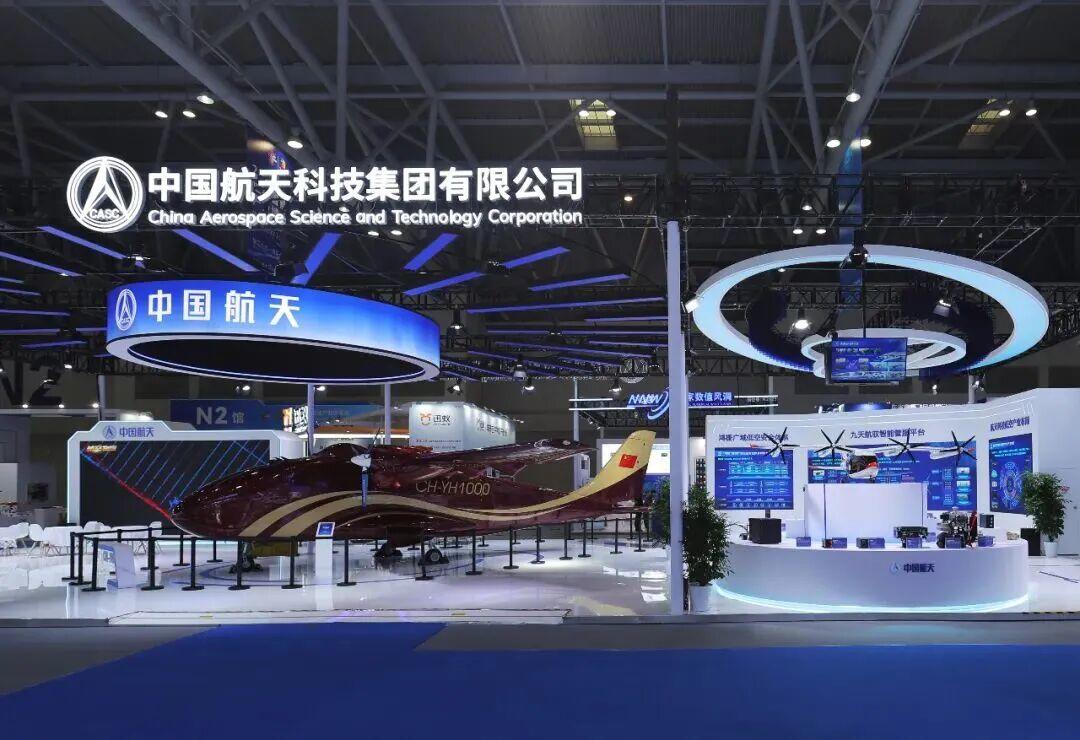

JiuTian OneSky Pilot—Intelligent Management And Service Platform
China Times Prospect Science & Technology Co., Ltd.
Industrial and Commercial Point-Type Gas Detector
Jinan Benan Technology Development Co., Ltd.


CLW5180TXSD6 Dongfeng Tianjin Washing and Sweeping Truck
ChengLi Special Automobile Co., Ltd.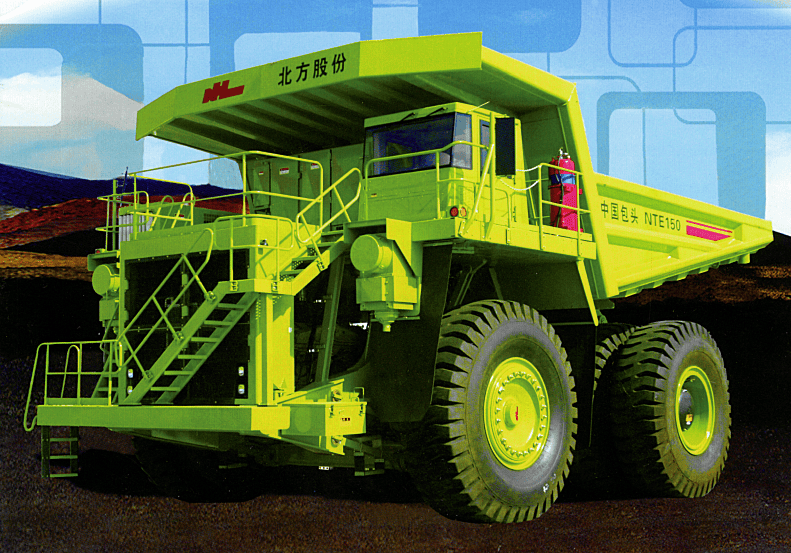
NTE150 Electric Drive Mining Dump Truck
Inner Mongolia North Heavy Industries Group Co., Ltd.

Wheel and Track Technology Business
Beijing Research & Design Institute of Rubber Industry Co., Ltd.
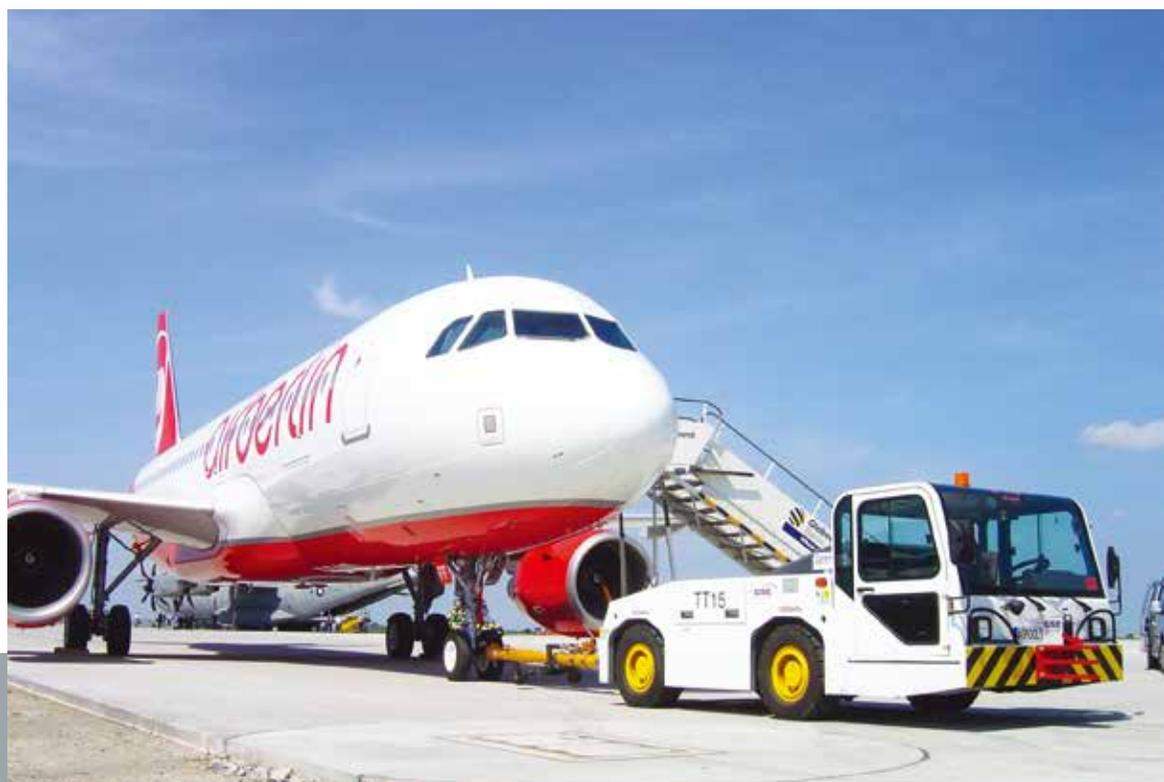
WGQY Series Aircraft Tow Tractor-WGQY15, WGQY27
Weihai Guangtai Airport Equipment Co., Ltd.