Wedoany.com Report-Oct. 29, Chinese technology firm Xiaomi officially launched its first smart home appliance factory in Wuhan, Hubei Province, on Tuesday, marking a significant expansion beyond its established smartphone and automotive manufacturing.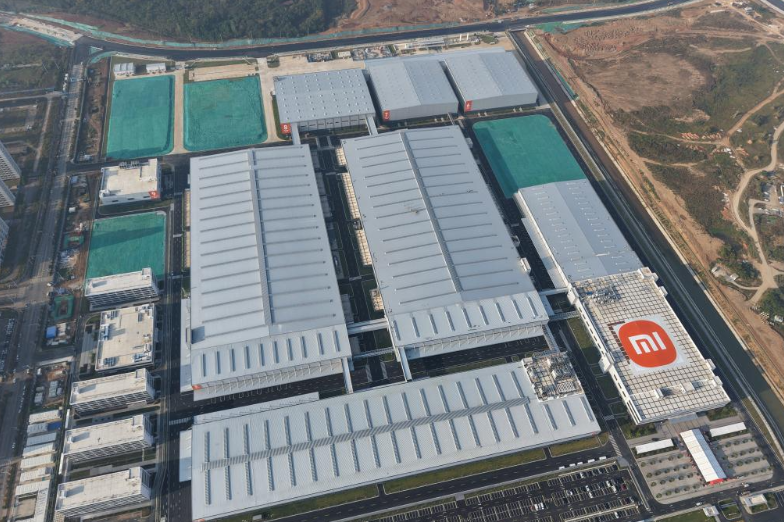
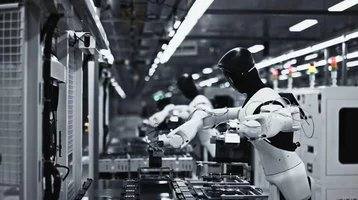
The new facility, focused on air conditioner production, is Xiaomi’s third large-scale smart factory following its auto and smartphone plants. The first phase covers over 750 mu (approximately 50 hectares) and involves a total planned investment exceeding 2.5 billion yuan (about 352.83 million U.S. dollars). The factory integrates advanced technologies, including Digital Twin, AI visual inspection, and aerial logistics systems, allowing comprehensive visualization and data-driven management across the entire production process.
Shan Lianyu, general manager of Xiaomi’s home appliance department, said the factory can produce a high-end air conditioner every 6.5 seconds. Peak annual production capacity is expected to reach 7 million units, with an estimated annual output value of 14 billion yuan.
The launch aligns with the robust growth of China’s smart home appliance sector. A recent industry report showed the market size of smart home appliances reached about 756 billion yuan in 2024, up 3 percent year on year, and is projected to hit 793.8 billion yuan in 2025.
In addition to domestic growth, China’s home appliance exports continue to expand. According to the China Chamber of Commerce for Import and Export of Machinery and Electronic Products, the country’s appliance exports rose 14.8 percent year on year in 2024, reaching 128.64 billion U.S. dollars.
Xiaomi’s Wuhan factory is designed to meet both domestic demand and global export needs. The deployment of digital and AI-enabled production systems enhances efficiency and quality control, ensuring that the company can scale output while maintaining high standards.
This initiative reflects Xiaomi’s broader strategy to diversify its manufacturing capabilities and strengthen its position in the growing smart home appliance market. The combination of automated production, advanced monitoring, and data-driven management is expected to set a benchmark for the industry and support sustained growth in output and revenue.
By leveraging technological integration and efficient operations, Xiaomi aims to capture a larger share of the domestic smart appliance market while contributing to the country’s continued rise as a global manufacturing and export hub. The factory also illustrates the potential of smart factories to boost productivity and innovation in high-demand consumer sectors.
With the new Wuhan facility, Xiaomi positions itself to capitalize on both domestic consumption growth and expanding international demand, highlighting the company’s commitment to innovation and large-scale production in the home appliance sector.