Wedoany.com Report-Nov. 6, Kazakhstan has finalized its grain harvest for 2025, achieving a total of 27.1 million tons—a robust outcome surpassing the previous year's results. The nationwide average yield climbed to 1.7 tons per hectare, up from 1.62 tons per hectare in 2024. Wheat output specifically totaled 20.3 million tons, with an average yield of 1.66 tons per hectare, marking an increase of 0.5 million tons despite a contraction of about 900,000 hectares in sown area as part of efforts to diversify crop varieties.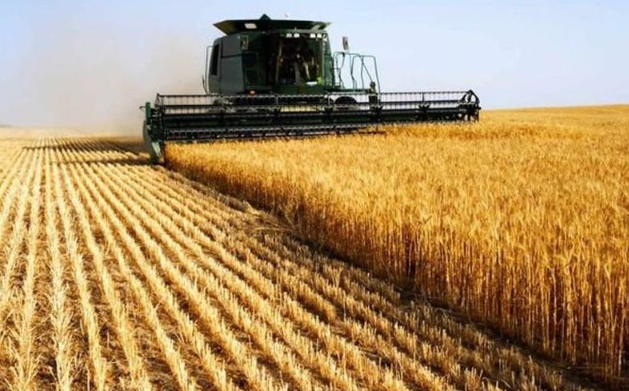
Aidarbek Saparov, Minister of Agriculture, observed that the notable rise in wheat production stems from wider implementation of modern farming techniques. Ministry data indicate barley yields held steady at approximately 4 million tons, while legume crops hit a milestone of 1 million tons for the first time.
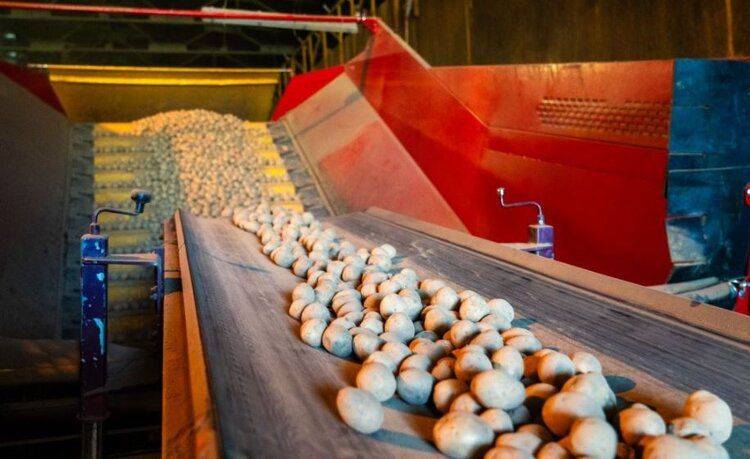
Oilseed harvests also attained a peak of 4.3 million tons, with collection activities still in progress. Beyond grains, producers gathered 2.9 million tons of potatoes, 3.8 million tons of vegetables, and 2.6 million tons of melons.
The cotton season concluded successfully as well, yielding 428,000 tons of raw cotton at an average of nearly 3 tons per hectare—representing a 42 percent gain over 2024. Adoption of contemporary methods, such as drip irrigation systems, enabled certain operations to reach yields as high as 5 tons per hectare.
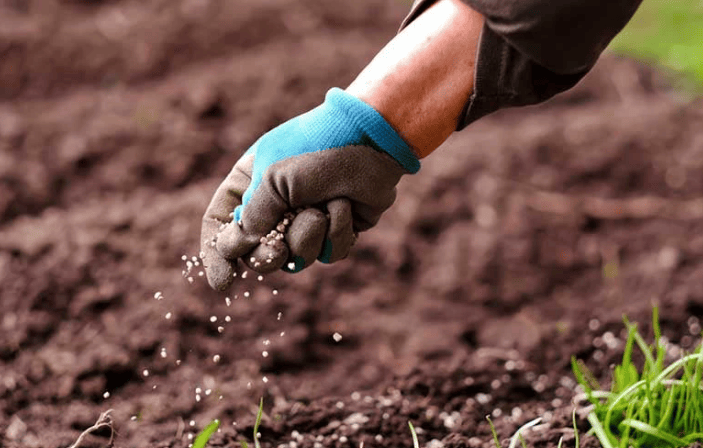
Saparov emphasized the pivotal contribution of state assistance to these accomplishments. Concessional lending volumes peaked at 1 trillion tenge. Fertilizer application totaled 1.8 million tons, fulfilling 56 percent of recommended levels based on scientific assessments. The proportion of high-quality seeds advanced from 9.5 percent to 11.5 percent, surpassing the targeted 10.5 percent.
These figures underscore Kazakhstan's progress in agricultural efficiency amid strategic shifts toward balanced cultivation. Reduced wheat acreage reflects intentional diversification, channeling resources into legumes and oilseeds that promise higher returns and lower water needs. Advanced technologies, from precision seeding to integrated pest controls, have mitigated risks from variable weather, ensuring stable outputs across diverse soil types.
Irrigated zones in southern regions sustained core production, while northern steppes benefited from improved machinery for timely harvesting. The elevated seed quality enhances disease resistance and uniformity, laying foundations for future seasons. Fertilizer uptake, though below full potential, marks a step forward in soil health management, with ongoing programs promoting organic alternatives.
Cotton's surge highlights irrigation's transformative impact in arid areas, where efficient water delivery boosts fiber quality for textile markets. Vegetable and melon volumes support domestic nutrition goals, reducing seasonal import reliance through extended greenhouse practices.
Government financing has democratized access to equipment and inputs, empowering smallholders alongside large farms. This inclusive model fosters resilience, with monitoring systems tracking yield variances to refine extension services.
Looking ahead, sustained investments could further elevate productivity, aligning with export ambitions for grains and oilseeds. By nurturing diversified portfolios, Kazakhstan positions its farming sector for enduring viability, contributing to regional food stability and economic diversification.