Nuclear Fuel Delivery for Vietnam Research Reactor
Wedoany.com Report-Nov. 16, Russia’s TVEL has delivered nuclear fuel to Vietnam’s Da Lat Research Reactor, marking the first supply since 2010. This delivery is part of the roadmap for expanding nuclear cooperation between the two countries. The Da Lat reactor, operational since 1984, was built on the site of the former US-designed TRIGA Mark-2 reactor, which ran from 1963 until the early 1970s.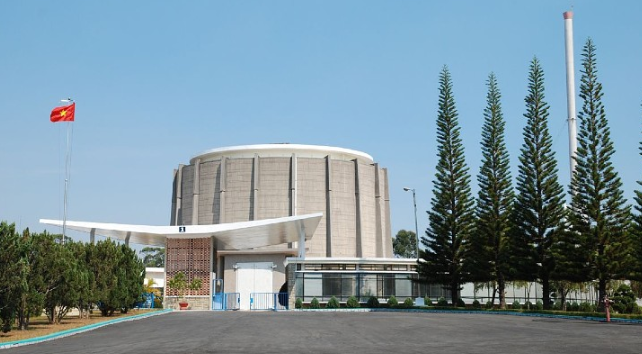
The reactor plays a critical role in radioisotope production, supporting 23 hospitals weekly and facilitating around 500,000 medical treatments and diagnoses each year. It is also used for scientific research and specialist training to develop professional skills in nuclear technology.
TVEL, the fuel division of Russia’s state nuclear corporation Rosatom, confirmed that the supply aligns with the Interdepartmental Roadmap signed in May 2025. This roadmap outlines bilateral nuclear development through 2030, covering the construction of a nuclear science and technology centre, Vietnam’s participation in the International Research Centre under the MBIR reactor consortium, and personnel training for Vietnam’s nuclear industry.
In February 2025, Vietnam’s Prime Minister Pham Minh Chinh instructed two state-owned enterprises to complete the construction of two nuclear power plants by 2030. Vietnam had previously approved a nuclear energy programme in 2009 in Ninh Thuan province, planning to install Russian VVER-1200 reactors. Work on that project was suspended in 2016 due to economic conditions. The National Assembly approved restarting the project in November 2024.
In September 2025, Rosatom and Vietnam’s Power Engineering Consulting Joint Stock Company 2 signed a memorandum of understanding on the Ninh Thuan-1 nuclear power plant project. The agreement includes updating the feasibility study and site profile, as well as deepening cooperation in infrastructure development and personnel training.
Rosatom has proposed a two-unit VVER-1200 plant for Ninh Thuan-1 and stated that its involvement could form the foundation of a strategic partnership for decades. The company emphasized that the project would not only support energy development but also strengthen long-term collaboration in nuclear technology, infrastructure, and human capital.
The delivery of fuel to Da Lat Research Reactor and the renewed Ninh Thuan-1 project highlight Vietnam’s ongoing commitment to advancing its nuclear capabilities. Both initiatives aim to support sustainable energy development, scientific research, medical applications, and workforce training, contributing to Vietnam’s broader energy strategy through 2030.
This cooperation underscores the role of international partnerships in nuclear development, integrating technology transfer, operational expertise, and human resource development to ensure safe, reliable, and advanced nuclear energy applications in Vietnam.