Wedoany.com Report-Nov. 13, Zimbabwe has achieved a record wheat harvest in 2025, reaching 639,942 tonnes, the highest output since the crop was first cultivated in 1966. Farmers surpassed the national target of 600,000 tonnes, marking a milestone that allows the country to achieve self-sufficiency in soft wheat production.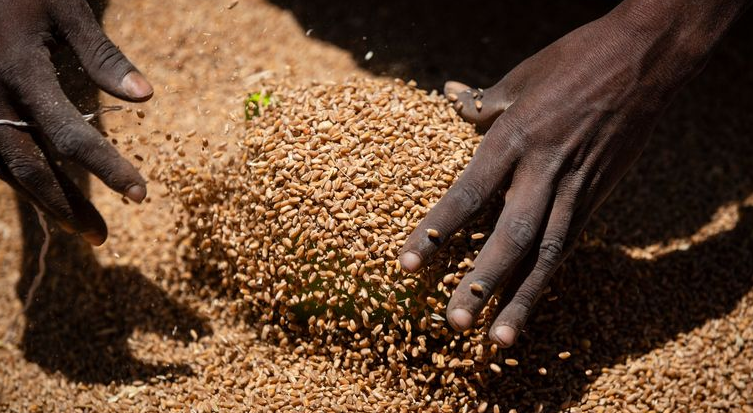
According to the Ministry of Lands, Agriculture and Water Resources, this result reflects the success of the government’s agrarian transformation program, which promotes collaboration between the public and private sectors. In previous years, Zimbabwe relied on wheat imports to meet domestic consumption needs, but the 2025 harvest has significantly reduced dependence on foreign supplies.
The Rural Development and Advisory Service reported in its latest weekly survey that wheat harvesting has been completed across all provinces. The total harvested area reached 122,011 hectares, representing 98% of the total sown area. This demonstrates efficient land utilization and favorable growing conditions during the season.
Regional data show that the highest yields came from three major producing provinces. Mashonaland West recorded 188,541 tonnes, followed by Mashonaland Central with 162,646 tonnes and Mashonaland East with 123,850 tonnes. These regions benefited from adequate irrigation, timely input delivery, and coordinated field management, contributing significantly to the overall national output.
Minister of Lands, Agriculture and Water Resources Ober Jiri highlighted that the accomplishment was the result of “joint work and dedication from farmers nationwide.” He expressed satisfaction that the coordinated efforts of producers, government agencies, and private partners enabled the country to exceed its production goal. The minister added that with continued support for irrigation infrastructure and access to improved seed varieties, prospects for the next growing season remain positive.
Agricultural experts also attributed the success to favorable weather conditions and sustained government investment in modern farming techniques. The expansion of contract farming arrangements and mechanization programs has further improved production efficiency and yield stability across key farming regions.
Zimbabwe’s record harvest is expected to strengthen the domestic food supply chain and reduce the financial burden of wheat imports. Officials noted that maintaining this level of output in future seasons will depend on continued policy support, access to agricultural inputs, and resilience to climatic variability.
Overall, the 2025 wheat season marks a turning point for Zimbabwe’s agricultural sector, demonstrating progress in achieving national food security goals through cooperation between farmers, government institutions, and private stakeholders. With stable production levels and strong provincial contributions, the country is now better positioned to sustain its wheat self-sufficiency in the coming years.