Wedoany.com Report-Nov. 13, According to the German Union for the Promotion of Oilseed and Grain Cultivation (UFOP), Germany’s winter rapeseed acreage has expanded to between 1.10 and 1.15 million hectares, exceeding the 2025 target by up to 60,000 hectares. This increase reflects farmers’ confidence in the crop following last year’s favorable results and improved weather conditions during the planting period.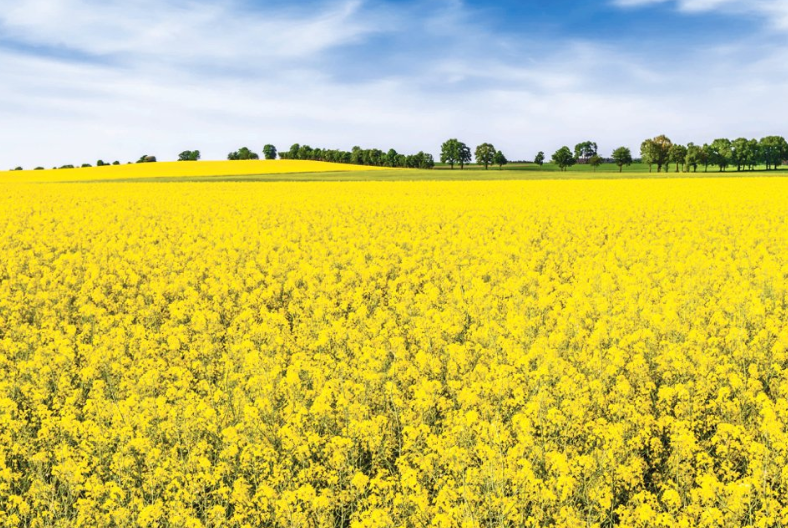
Experts explained that the expansion was driven by strong yields achieved in the previous season and favorable weather in late August and early September, which provided suitable conditions for sowing and early crop development. In most growing regions, winter rapeseed is reported to be in good or very good condition, indicating a positive start to the season.
However, UFOP highlighted a growing challenge with pest resistance. The organization noted a rise in pyrethroid-resistant rapeseed weevils, which are making pest control more difficult for farmers. UFOP urged for the faster registration and approval of new plant protection products to manage these pests effectively and maintain crop productivity. The group emphasized that without timely access to new pest management solutions, the economic viability of rapeseed cultivation could face increased risks in the coming years.
Despite these concerns, experts described the overall situation in the fields as stable. Although localized reseeding has been necessary in some areas, it has not significantly affected the general progress of the crop. Current field assessments suggest that the majority of the rapeseed crop is developing well, with no widespread damage or major agronomic issues reported.
Looking ahead, UFOP and agricultural analysts expressed cautious optimism for the 2026 harvest. They stated that if favorable weather continues—with adequate rainfall and sufficient sunlight during the spring and early summer months—the yield potential could be high. A strong rapeseed harvest would help stabilize domestic supply and support Germany’s vegetable oil and biofuel industries, which rely heavily on rapeseed as a key raw material.
UFOP reaffirmed its commitment to supporting sustainable cultivation practices and developing integrated pest management strategies. The organization also called for continued cooperation between farmers, researchers, and regulatory authorities to ensure that the sector remains resilient amid changing climatic and biological conditions.
Overall, the increase in acreage and the stable crop development indicate that Germany’s rapeseed production outlook for 2026 is positive, though pest resistance remains an important issue requiring close attention and effective management measures.