Peru and Mexico Studies Confirm Hybrid Brachiaria Mavuno Improves Livestock Efficiency
en.Wedoany.com Reported - Two international studies have confirmed that the hybrid brachiaria Mavuno performs well under low-fertility soil and drought conditions in tropical regions, contributing to improved livestock efficiency. These studies were conducted by research institutions in Peru and Mexico, with results published in international journals in 2026.
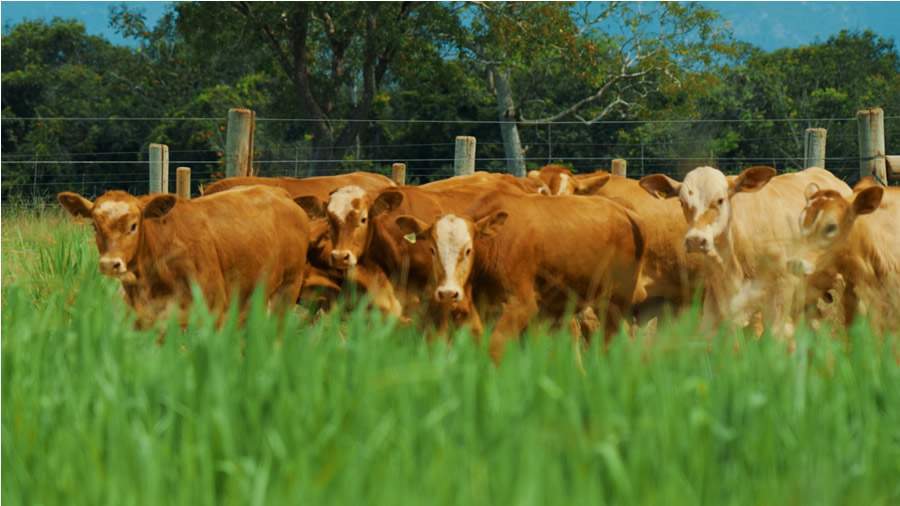
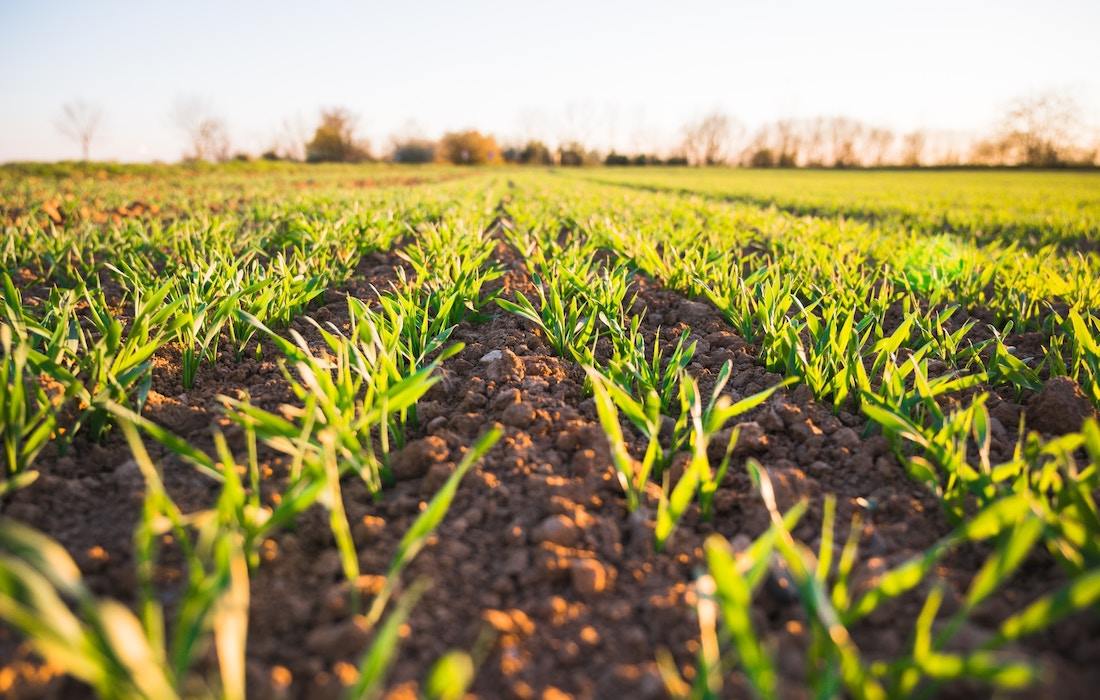
Researchers from Peru's National Institute of Agricultural Innovation (INIA) in the Amazon region published a study in the journal Open Agriculture, conducting a comparative evaluation over five cycles of three brachiaria (Urochloa) hybrids on low-fertility soils. After the first harvest, Mavuno showed advantages in fresh and dry matter yields, with the highest carrying capacity among all evaluated materials. The study also noted its high protein content, concluding that Mavuno is a sustainable option for tropical systems, particularly suitable for low-fertility conditions as well as rotational grazing and silvopastoral systems.
Researchers from the University of Guadalajara (Universidad de Guadalajara) in southern Jalisco, Mexico, published a study in the journal Bioagro evaluating Mavuno's behavior during the dry season, analyzing different regrowth days and defoliation intensities. The researchers observed that a management approach with a residual height of 10 cm achieved a better balance between forage productivity and nutritional quality. Crude protein content was highest at 30 days of regrowth, while at 45 days of regrowth, acid detergent fiber (ADF) and neutral detergent fiber (NDF) levels were lower, with higher metabolizable energy and optimal dry matter digestibility. The study concluded that combining a residual height of 10 cm with a regrowth period of approximately 45 days optimizes the utilization of Mavuno forage by ruminants during the dry season in the evaluated region.
Tiago Penha Pontes, agronomist and technical manager at Wolf Seeds, stated that the convergent results obtained in different countries indicate that materials developed for tropical systems are attracting growing interest from the international scientific community. He emphasized that variety selection is an important decision, but management is the key factor determining the conversion of genetic potential into field results, including respecting regrowth cycles, management heights, and pasture planning. In the context of climate variability, using adapted materials combined with technical pasture management helps maintain regional carrying capacity and reduce the impacts of stress periods.
Related Products



Industrial and Commercial Point-Type Gas Detector
Jinan Benan Technology Development Co., Ltd.
4HS-8 High-efficiency Peanut Inverted-laying Harvester
Hebei Yongfa Hongtian Agricultural Machinery Manufacturing Co., Ltd.
714CD Series C-Band Weather Radar
Chengdu Zhongdian Jinjiang Information Industry Co., Ltd.