EU Sets New Bioeconomy Plan to Scale Bio-Based Industries
Wedoany.com Report-Nov. 29, The European Commission has approved a new Strategic Framework for a Competitive and Sustainable EU (European Union) Bioeconomy, outlining measures to speed up the industrial roll-out of bio-based materials and technologies, including those used in packaging.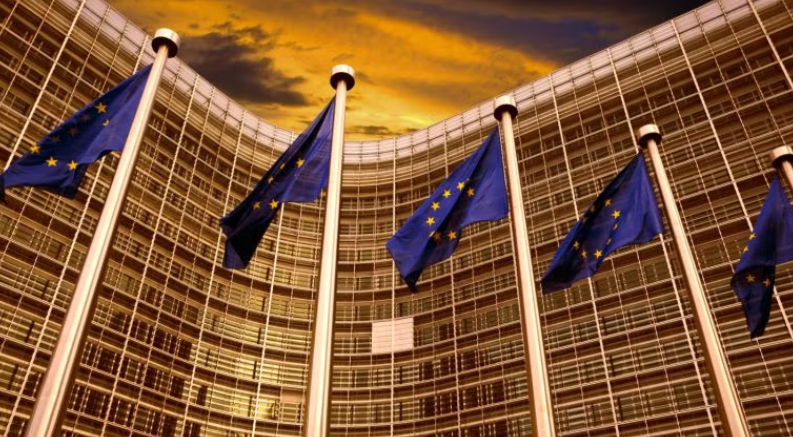
The framework aims to push bio-based solutions from the lab to the market by boosting innovation and investment.
The plan focuses on widening the use of renewable biological resources from land and sea to reduce fossil-based inputs, bolster supply security and support more circular, low-carbon production models.
According to the Commission, the EU bioeconomy was worth up to €2.7tn ($3.12tn) in 2023 and provided 17.1 million jobs.
Bio-based plastics, fibres and chemicals are already present in sectors such as packaging, automotive components and personal care.The European Commission has adopted a new Strategic Framework for a Competitive and Sustainable EU Bioeconomy, designed to accelerate the large-scale adoption of bio-based materials and technologies across industries, including packaging, textiles, construction, and chemicals.
The framework aims to replace fossil-based resources with renewable biological materials from land and sea, enhancing supply security, reducing carbon emissions, and promoting circular production systems. In 2023, the EU bioeconomy generated turnover of up to €2.7 trillion and supported 17.1 million jobs.
Key measures include streamlining regulations, accelerating market authorisation for innovative bio-based products, and aligning EU funding programmes with bioeconomy priorities. A new Bioeconomy Investment Deployment Group will identify bankable projects and attract private capital.
The Commission has designated priority lead markets with high growth potential: bio-based plastics, fibres and textiles, chemicals, fertilisers, construction materials, advanced fermentation products, and technologies for permanent biogenic carbon storage.
To stimulate demand, the strategy proposes creating a Bio-based Europe Alliance through which European companies would commit to procuring €10 billion worth of bio-based solutions by 2030.
Sustainable biomass supply forms a core pillar. The framework emphasises maintaining ecological balance while encouraging practices that improve soil health, increase carbon sequestration, and protect forests, water, and biodiversity. Targeted incentives will support farmers and forest owners adopting sustainable management methods.
The initiative also seeks to strengthen Europe's position in global bio-based markets through international partnerships that secure resource availability and enhance industrial resilience.
Clean, Just and Competitive Transition Executive Vice-President Teresa Ribera said: "The bioeconomy holds the answer to combining prosperity with environmental protection. It restores ecosystems while leading on biotechnologies."
The new framework updates the original 2012 EU Bioeconomy Strategy, as revised in 2018 and 2022, with a sharper focus on industrial deployment, market competitiveness, and long-term resource security.
Finnish material solutions company UPM welcomed the strategy, describing it as a decisive step toward growth, innovation, and climate neutrality through renewable and circular bio-based products.
By prioritising scalable bio-based alternatives, the EU aims to reduce dependence on imported fossil materials while creating new economic opportunities across member states.
The framework aims to push bio-based solutions from the lab to the market by boosting innovation and investment.
Planned actions include simplifying regulation, speeding up authorisations for new products and aligning EU funding with bio-based technologies.
A proposed Bioeconomy Investment Deployment Group would work to assemble a pipeline of investable projects and draw in private finance.
To foster lead markets, the commission has pinpointed areas with significant potential: bio-based plastics, fibres, textiles, chemicals, fertilisers, construction materials, advanced fermentation and permanent storage of biogenic carbon.
The strategy also suggests establishing a Bio-based Europe Alliance under which European companies would collectively purchase €10bn of bio-based solutions by 2030.
Ensuring sustainable biomass supply is central to the framework.
The commission stresses maintaining broad self-sufficiency while keeping forests, soils, water and ecosystems within ecological thresholds.
Planned incentives target farmers and foresters who protect soil health, enhance carbon storage and support sustainable biomass production.
The strategy also envisages partnerships to strengthen Europe's role in global bio-based markets, limit resource risks and improve industrial resilience.
The new framework updates and redirects the EU Bioeconomy Strategy launched in 2012 and reviewed in 2018 and 2022, placing stronger emphasis on industrial scale-up, competitiveness and resilience.
Clean, Just and Competitive Transition executive vice-president Teresa Ribera stated: "The bioeconomy holds the answer to combining prosperity with environmental protection. It restores ecosystems while leading on biotechnologies."
Finnish-based material solutions company UPM welcomed the EU's new Bioeconomy Strategy, calling it a decisive step to boost growth, innovation, competitiveness and climate neutrality through renewable and circular bio-based solutions.
The plan focuses on widening the use of renewable biological resources from land and sea to reduce fossil-based inputs.