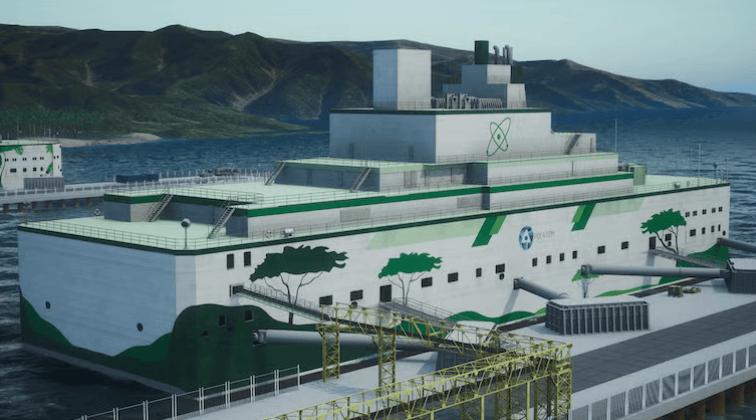
Rosatom Develops Production Process for Lithium-7 Fluoride
Wedoany.com Report-Dec.12, Rosatom has successfully developed an industrial-scale production technology for high-purity lithium-7 fluoride (Li-7 fluoride), a critical coolant component for future molten salt reactors (MSRs). The process, based on solid-phase synthesis, eliminates loss of the valuable lithium-7 isotope and significantly reduces fluorine-containing waste, making the production environmentally efficient.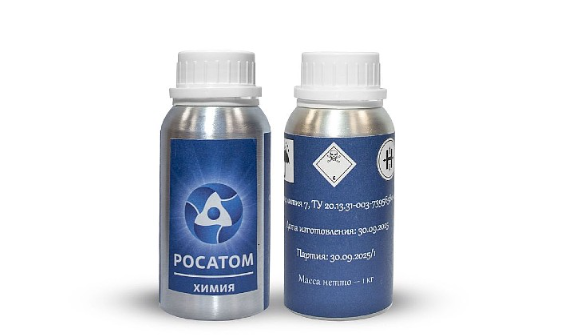
Currently, Russia has no commercial production of Li-7 fluoride, although the Novosibirsk Chemical Concentrates Plant, part of Rosatom's fuel company TVEL, already manufactures lithium-7 hydroxide – the primary raw material. The newly developed method converts this hydroxide into fluoride suitable for reactor use.
Mikhail Metelkin, Director General of Rosatom Chemistry, stated: "an important step toward addressing the industry's ambitious goal of creating molten salt reactors and a significant milestone on the path to a sustainable and secure energy future. In the future, our research and development centre can scale up the technology to create a facility with a capacity of up to a tonne per year."
In July 2025, Rosatom announced completion of the first stage of design work for a molten salt research reactor that uses circulating molten fluoride salt as both coolant and fuel carrier. Detailed technical design is scheduled to continue until 2027, with a prototype reactor targeted for commissioning in 2031. The programme forms part of Russia's federal initiative on new materials and technologies for advanced energy systems.
Lithium-7 is essential in nuclear applications because of its low neutron absorption. In pressurised water reactors, small quantities of Li-7 hydroxide are used to control coolant pH and reduce corrosion. In molten salt reactors, however, Li-7 fluoride (often combined with beryllium fluoride) serves as the primary coolant salt, frequently with the nuclear fuel dissolved directly in it. Purity levels of up to 99.995% Li-7 are required to prevent unwanted tritium formation.
Current global demand for Li-7 in conventional reactors is approximately one tonne annually. Once large-scale MSR deployment begins, annual requirements could rise to around 250 tonnes, depending on construction programmes.
Molten salt reactors offer potential advantages in waste management by enabling the transmutation of long-lived minor actinides (such as americium, curium, and neptunium) into shorter-lived or stable isotopes, thereby reducing both the volume and radiotoxicity of final waste.
The successful development of domestic Li-7 fluoride production strengthens Russia's position in the supply chain for next-generation nuclear technologies and supports the long-term objective of closing the nuclear fuel cycle.
Related Products

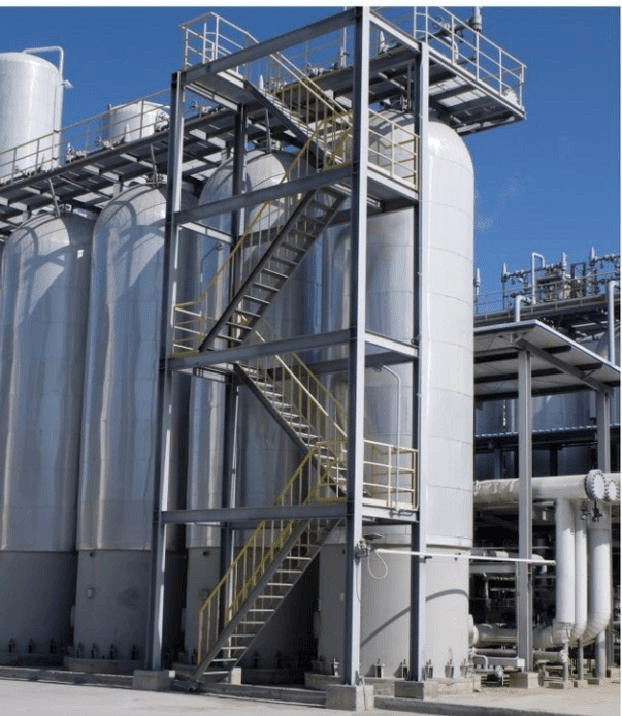
Hydrogen Production Technology: Hydrogen Purification by Pressure Swing Adsorption
Chengdu Yizhi Technology Co., Ltd.
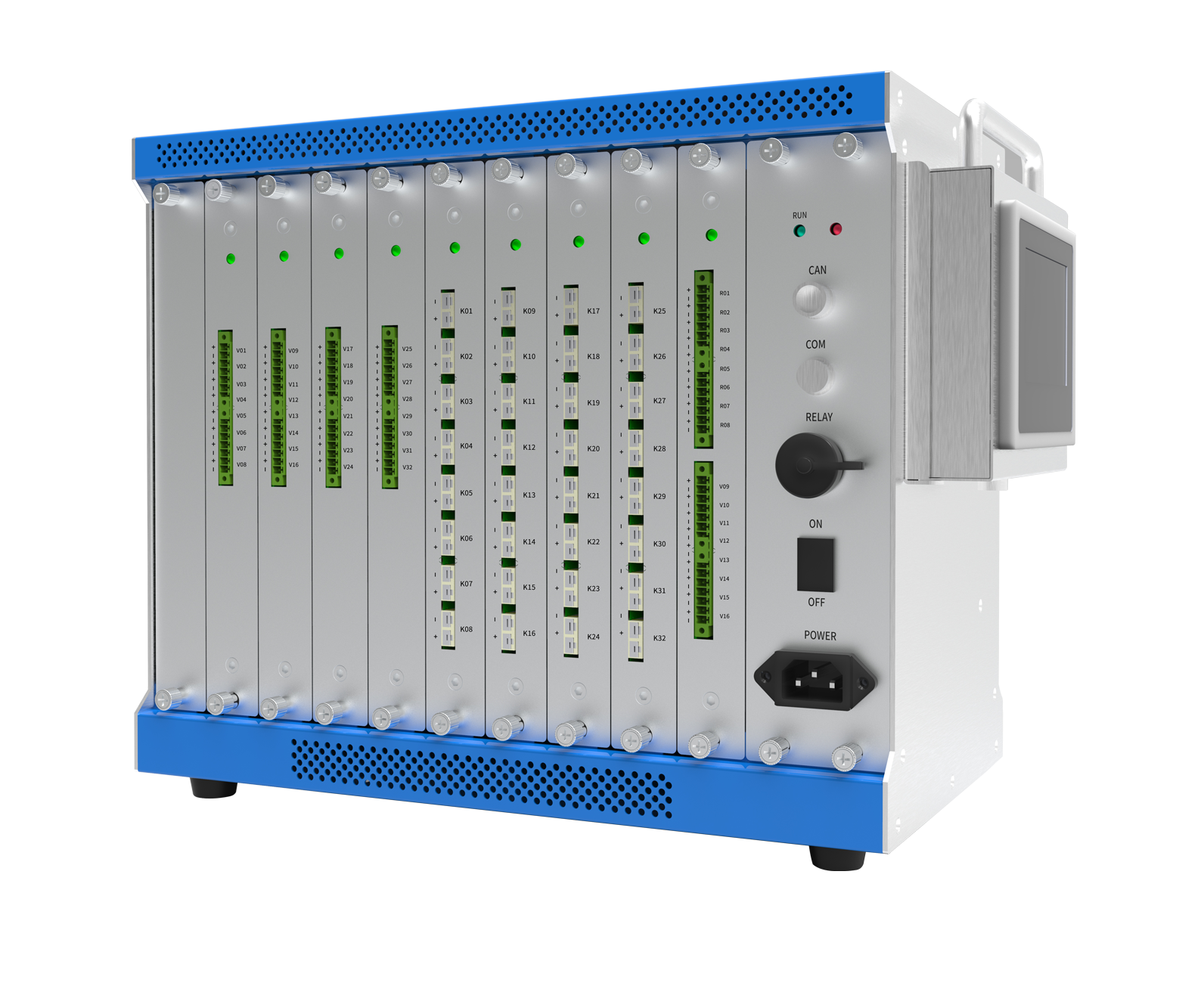
Optional Accessory - Auxiliary Sampling Module
Beijing Soaring Electric Technology Co., Ltd.

Pneumatic high-pressure wear-resistant ball valve
Zhejiang Deca Control Valve Meter Co., Ltd.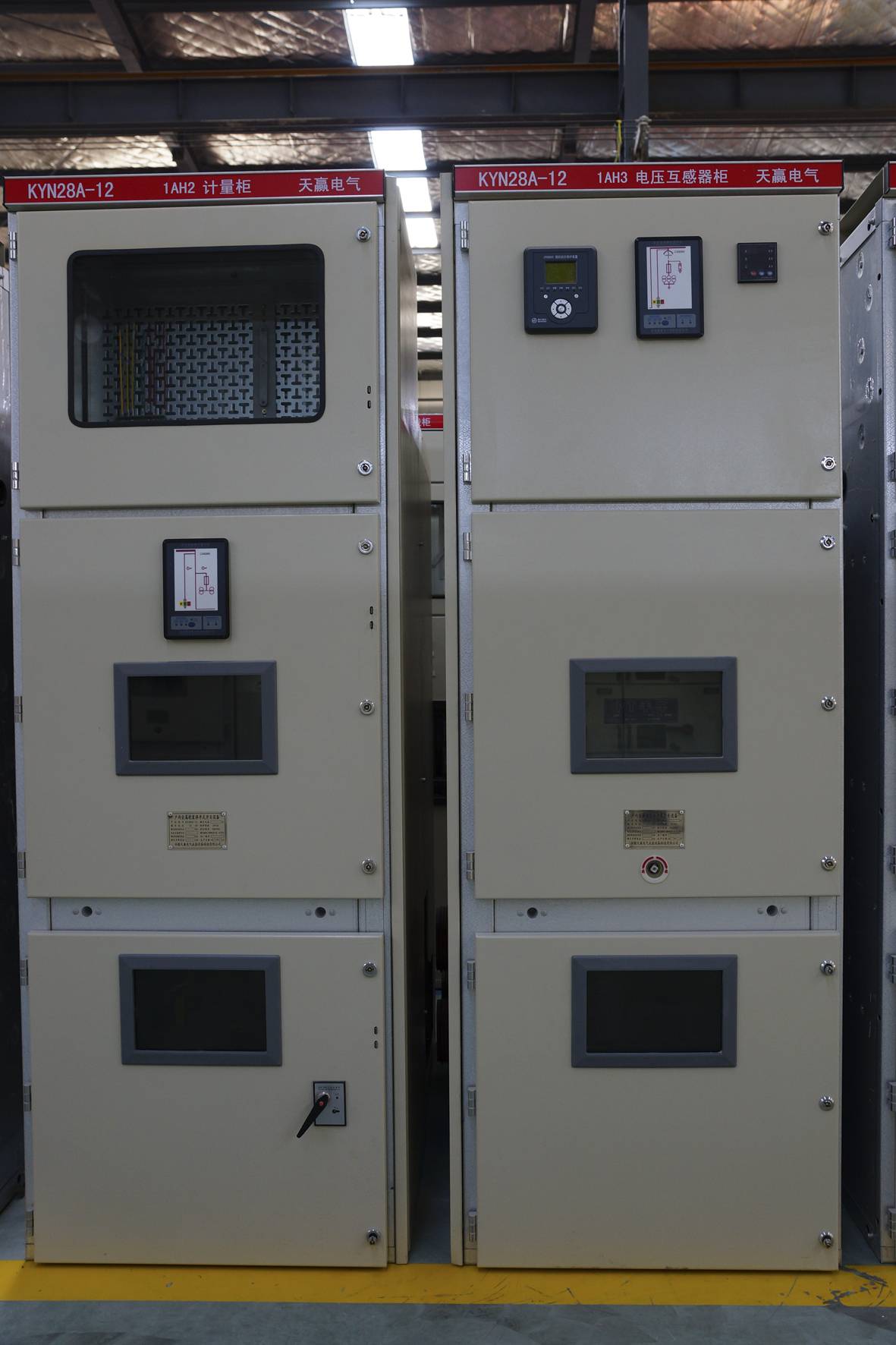
KYN28 - High Voltage Switchgear
Anhui Tianying Electrical Equipment Manufacturing Co., Ltd.
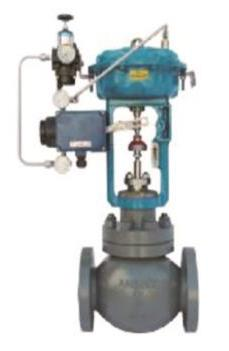
Quick-Change Single-Seat Control Valve / Quick-Change High-Pressure Single-Seat Control Valve
Beijing Consen Automation Technology Co., Ltd.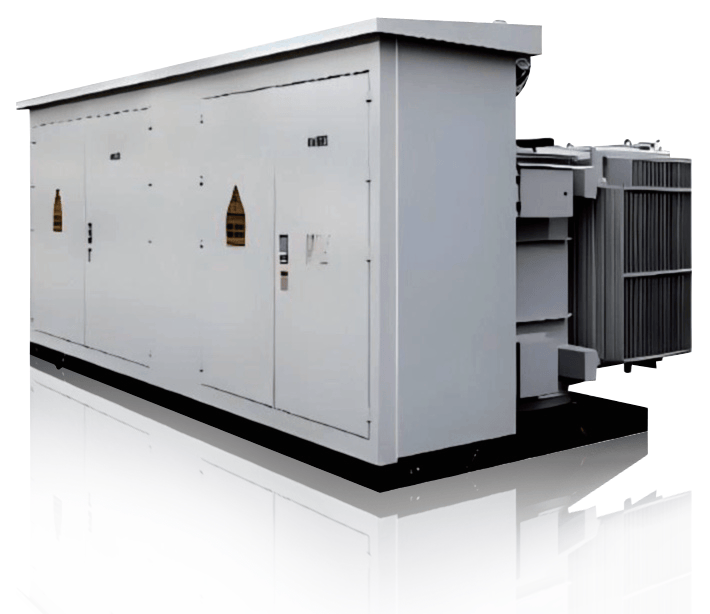
H-40.5/0.4~1.14kV New Energy Power Generation Dedicated High Voltage/Low Voltage Prefabricated Substation
XJ (Xiamen) Intelligent Power Equipment Co., Ltd.