Venezuela Resorts to Floating Storage as Onshore Storage Tanks Fill Up
Wedoany.com Report-Dec.24, Venezuela's state-run oil company PDVSA has begun loading tankers with crude and fuel oil, keeping them anchored in Venezuelan waters as onshore inventories rise, according to company documents and shipping data reported on December 23, 2025.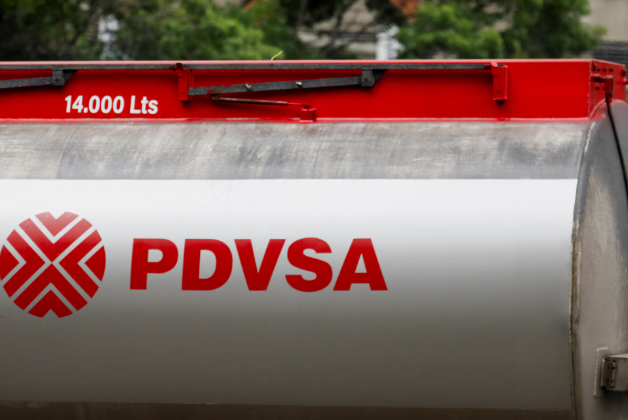
This measure follows recent actions by the U.S. Coast Guard, which intercepted the Skipper and Centuries tankers in the Caribbean Sea this month, both carrying Venezuelan crude. Authorities were also pursuing a third empty vessel approaching the country's coast.
These interceptions target vessels associated with the transport of oil under sanctions, contributing to hesitation among ship owners. As a result, more than a dozen loaded cargoes remain in Venezuelan waters awaiting departure.
With daily crude production around 1.1 million barrels, the backlog has led to rapid filling of onshore storage, particularly at the Jose terminal, which handles extra heavy oil from the Orinoco Belt, the main production area.
PDVSA initiated the transfer of inventories to tankers over the past weekend, a practice used in previous years to maintain output levels without reductions, shipping and company data indicate.
In the western region, where storage is limited, inventories remain near normal levels due to continued exports by Chevron, PDVSA's main joint-venture partner. Chevron accounts for about a quarter of the crude from blending stations and upgraders in the Orinoco Belt, equivalent to roughly 130,000 barrels per day.
PDVSA typically exports the remaining portion, with China receiving about 80% of Venezuela's crude exports this year.
Earlier in 2025, onshore stocks at Jose had declined to 9-11 million barrels since September, down from a peak of 14 million barrels, per trade intelligence firm Kpler. In December, stocks reached 12.6 million barrels, elevating the national total oil inventory to 22 million barrels, the highest since August.
PDVSA has encouraged customers to accept cargoes destined for China at the Jose port through last week, though securing acceptance has become more challenging following additional U.S. actions over the weekend, company sources noted.
The company is negotiating price discounts and contract adjustments with some buyers, while others seek to return cargoes to terminals.
Last week, senior PDVSA officials considered but opted against declaring force majeure on certain exports, preferring individual negotiations with customers.
On Monday evening, Venezuelan President Nicolas Maduro addressed the situation in a televised speech, stating: "(Under) rain, thunder, or lightning, and regardless of any conflicts, the contract with Chevron will be fulfilled. We are serious, decent people."
Chevron has stated that its operations in Venezuela continue without disruption and in full compliance with applicable laws and regulations.
On Tuesday, Venezuela's ruling-party-controlled National Assembly approved legislation introducing prison sentences of up to 20 years for individuals who promote or finance acts described as piracy or blockades of oil cargoes.
These developments reflect ongoing challenges in managing oil storage and exports amid external factors affecting vessel movements.
Related Products
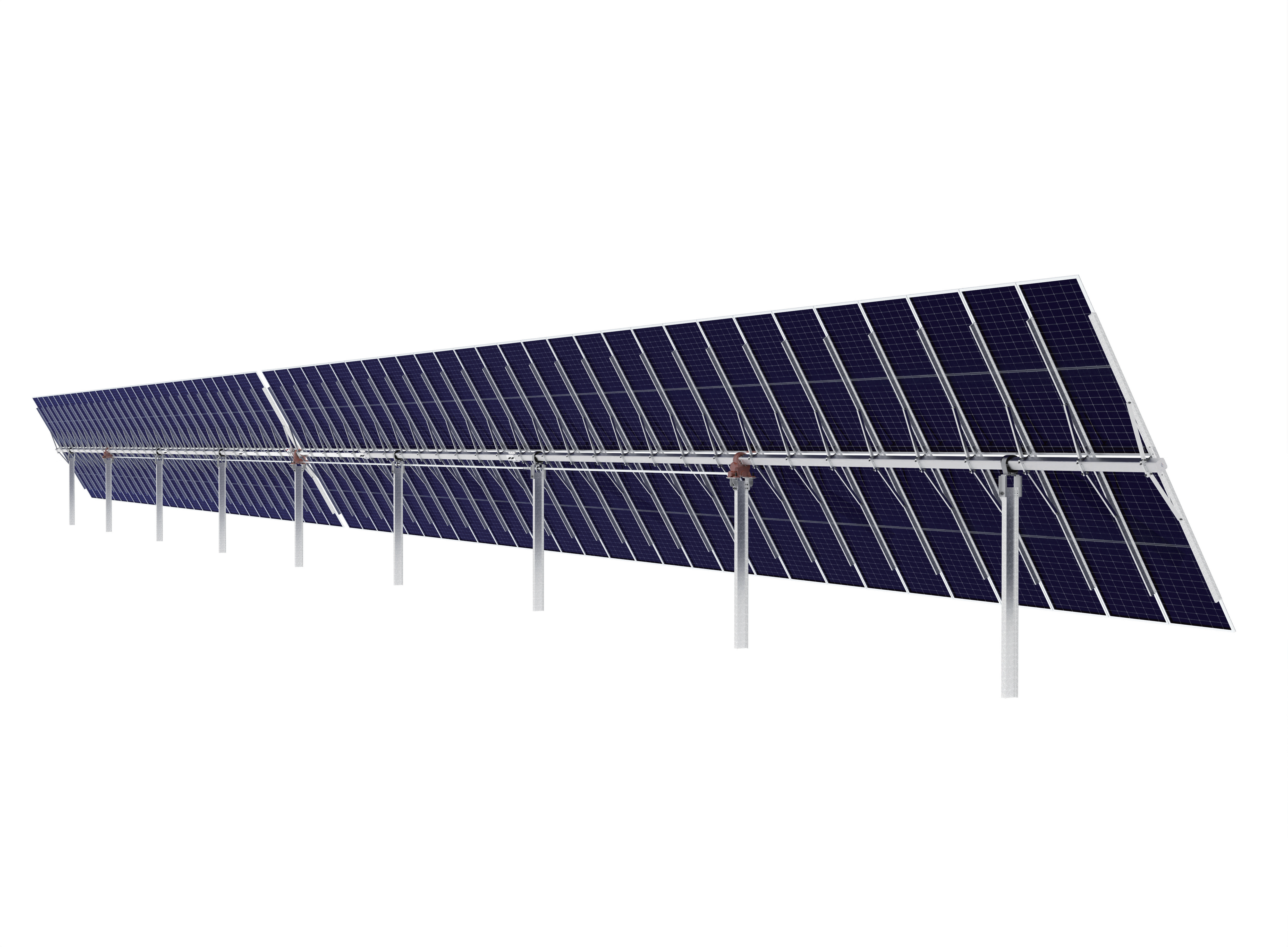

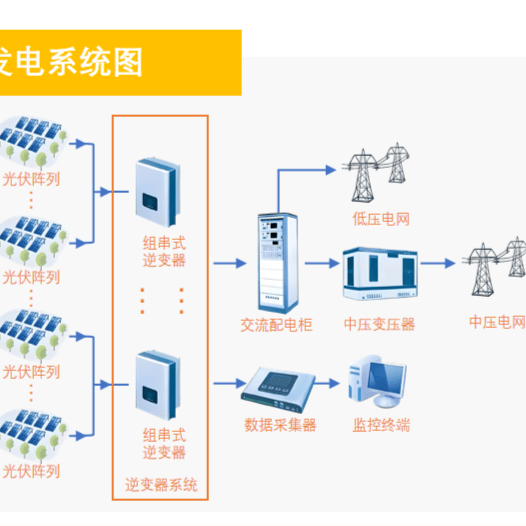
Photovoltaic and Wind Power Generation Technology
Beijing Boqi Electric Power SCI-TECH Co., Ltd.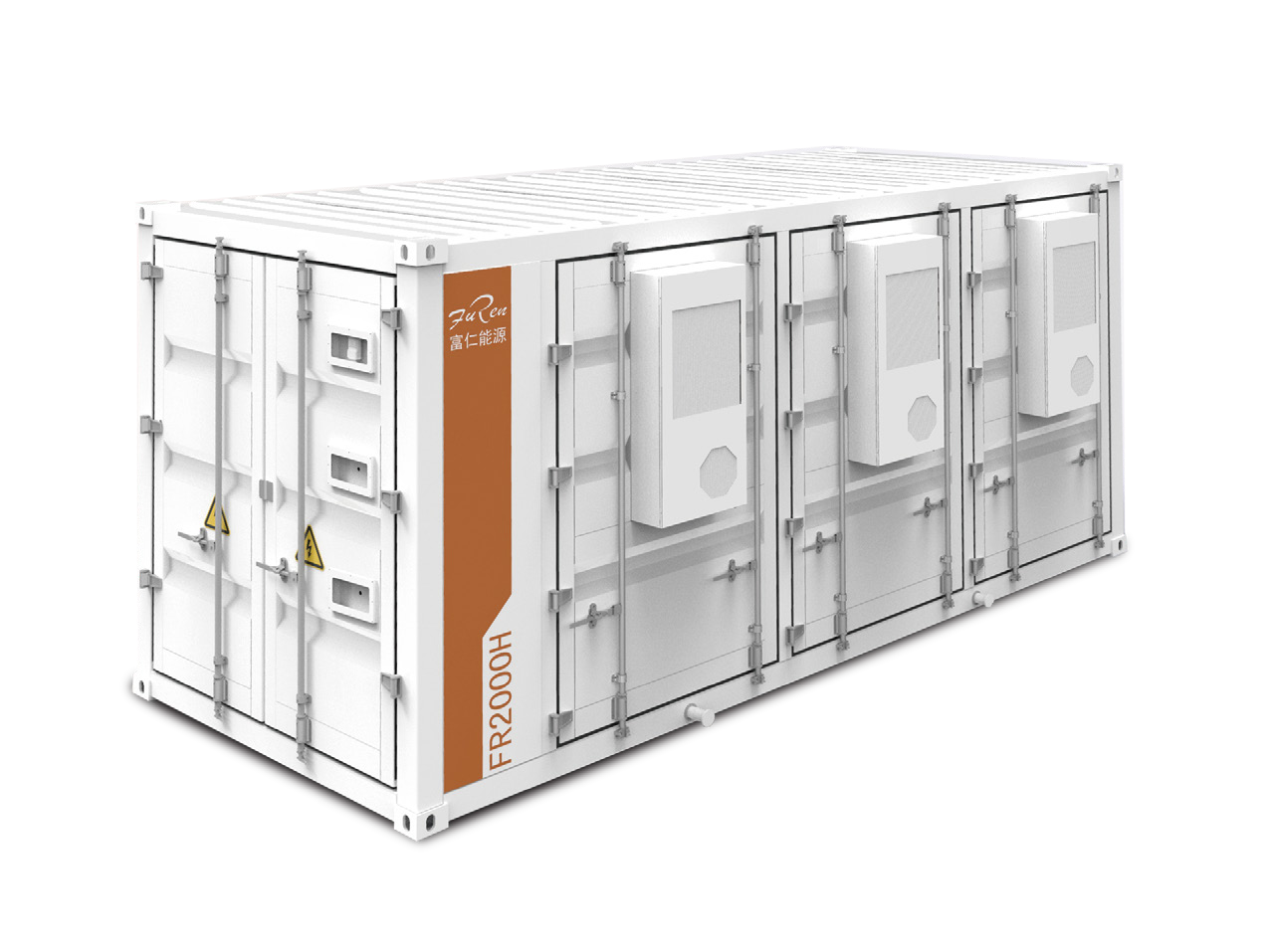
FR2000H 2.15MWh (Air-cooled) 20-foot Containerized Energy Storage System
Jiangyin Furen High-tech Co., Ltd.

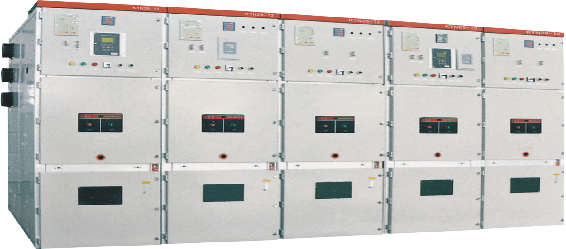
KYN28-12/24 Indoor High-Voltage Metal-Clad Removable Switchgear
Shenzhen Zhaoyang Hui Technology Co., Ltd.
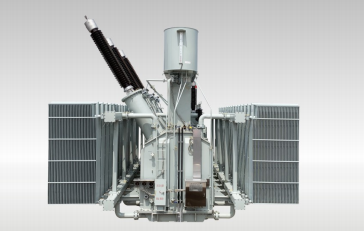
220kV and Below Voltage Level Energy-saving Oil-immersed Power Transformers
FuZhou TianYu Electric Co., Ltd.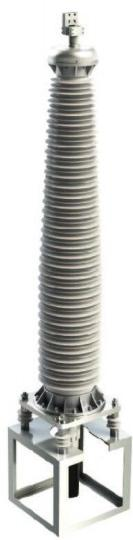
220kV Composite Outdoor Cable Terminal
Shenyang Guolian Cable Accessories Manufacture Co., Ltd.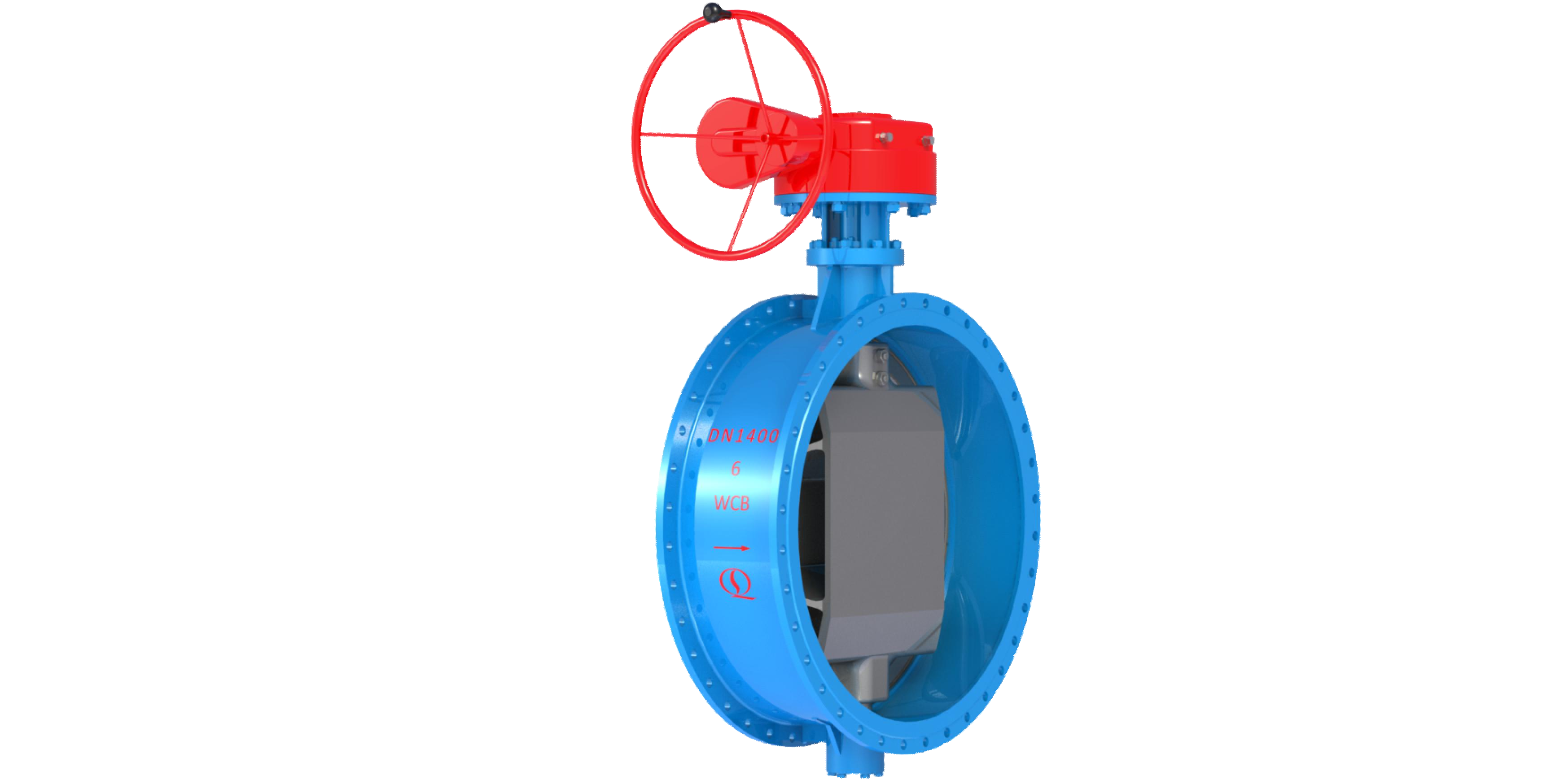
Bidirectional Metal Hard Sealed Seawater Butterfly Valve
Henan Quanshun Flow Control Science & Technology Co., Ltd.